
5 Gallon Water Bottling Line: System Engineering & Operational Mastery
Comprehensive technical breakdown for bottled water investors, plant engineers, and purchasing directors looking to optimize total cost of ownership (TCO) and microbiology control.
How to Evaluate a High-Efficiency 5 Gallon Water Bottling Line
In the global commercial water sector, the 5 Gallon Water Bottling Line (also recognized as the 18.9-liter barrel filling line) represents a capital-intensive asset that demands uncompromising microbiological safety, structural durability, and high mechanical synchronization. As water production plants transition toward Industry 4.0 automation, choosing the correct machinery design directly dictates your operational expenditure, water recovery index, and brand reputation.
Engineers at Zhangjiagang Osnib Machine Co., Ltd. emphasize that a superior 5-gallon production line must solve three persistent industry pain points: barrel micro-contamination during recycled bottle washing, neck damage caused by aggressive mechanical capping, and energy losses from inefficient pump operation.
- Microbiological Integrity: Utilizing multi-stage interior and exterior high-pressure jetting with alkali, disinfectant, and ozonated product water.
- Mechanical Reliability: Pneumatic and servo-assisted bottle handling that accommodates variances in PC (Polycarbonate) and PET bottle wall stiffness.
- Resource Efficiency: Closed-loop water recirculating reservoirs reducing wash water consumption by up to 35%.

Figure 1: High-precision fabrication floor for 5 Gallon Water Bottling Lines at Zhangjiagang Osnib Machine Co., Ltd.
Anatomy of an Automated 5 Gallon Water Bottling Line
A complete commercial 18.9L drinking water filling line integrates distinct operational zones to transform returned, empty bottles into sterile, sealed, and palletized retail-ready products:
1. Automatic Decapping & Inspection
Removes worn caps from returned 5-gallon PC/PET barrels without damaging the bottle neck thread. Optical sensors automatically discard cracked or non-standard bottles before entry into the washer.
2. External & Internal Barrel Washing
A multi-station rotary or linear washing tunnel featuring heated caustic wash (50–60°C), recycled water rinse, disinfectant spray (O3 or ClO2), and final product water sterile flush.
3. Monoblock Filling & Zero-Leak Capping
Stainless steel 316L non-contact filling nozzles deliver fast, anti-foaming gravity or pressure filling. Integrated cap sorter, UV cap sterilizer, and pneumatic press-capper ensure 100% leak-proof seals.
Technical Performance Specifications: Osnib QGF Series
Compare performance metrics across our standard 5 Gallon Water Bottling Line models. Custom configurations (up to 2,000 BPH) are available upon request.
| Parameter / Feature | QGF-300 Model | QGF-600 Model | QGF-900 Model | QGF-1200 High-Speed |
|---|---|---|---|---|
| Production Capacity | 300 Bottles / Hour | 600 Bottles / Hour | 900 Bottles / Hour | 1,200 Bottles / Hour |
| Suitable Barrel Dimensions | Ф270×490×Ф56mm (5 Gallon / 18.9L) | Ф270×490×Ф56mm (5 Gallon / 18.9L) | Ф270×490×Ф56mm (5 Gallon / 18.9L) | Ф270×490×Ф56mm (5 Gallon / 18.9L) |
| Washing Stations | 8 to 12 Washing Stages | 12 to 14 Washing Stages | 16 Washing Stages | 18 to 20 Washing Stages |
| Filling Valve Head Count | 2 Filling Valves | 4 Filling Valves | 6 Filling Valves | 8 Filling Valves |
| Air Pressure & Consumption | 0.6 MPa | 0.5 m³/min | 0.6 MPa | 0.8 m³/min | 0.6 MPa | 1.2 m³/min | 0.6 MPa | 1.5 m³/min |
| Main Drive Motor Power | 13.8 kW | 22.5 kW | 32.0 kW | 45.0 kW |
| Frame Material | Stainless Steel SUS304 | Stainless Steel SUS304 | Heavy-Duty SUS304/316 | Heavy-Duty SUS304/316 |
Flagship 5 Gallon Water Bottling Equipment
Discover our field-tested bottling solutions designed for longevity, hygienic compliance, and seamless operational flow.


QGF-900 Fully Automatic 5 Gallon Bottling Monoblock
Our QGF-900 is engineered specifically for medium-to-large water purification plants requiring continuous output without operator fatigue. Featuring a rigid, enclosed SUS304 stainless steel housing, tempered glass hygiene windows, and air-filtration pressurization, it guarantees an aseptic environment throughout the washing, filling, and capping sequence.
- Precision Liquid Level Control: Electric liquid sensing heads maintain consistent liquid filling levels without splash back.
- Air-Tight Pneumatic Capping: Gradual press-fit mechanism eliminates cracked cap skirts and seal degradation.
- Intelligent PLC Touchscreen Interface: Real-time monitoring of pump pressure, water temperature, output count, and fault diagnostics via Siemens PLC.
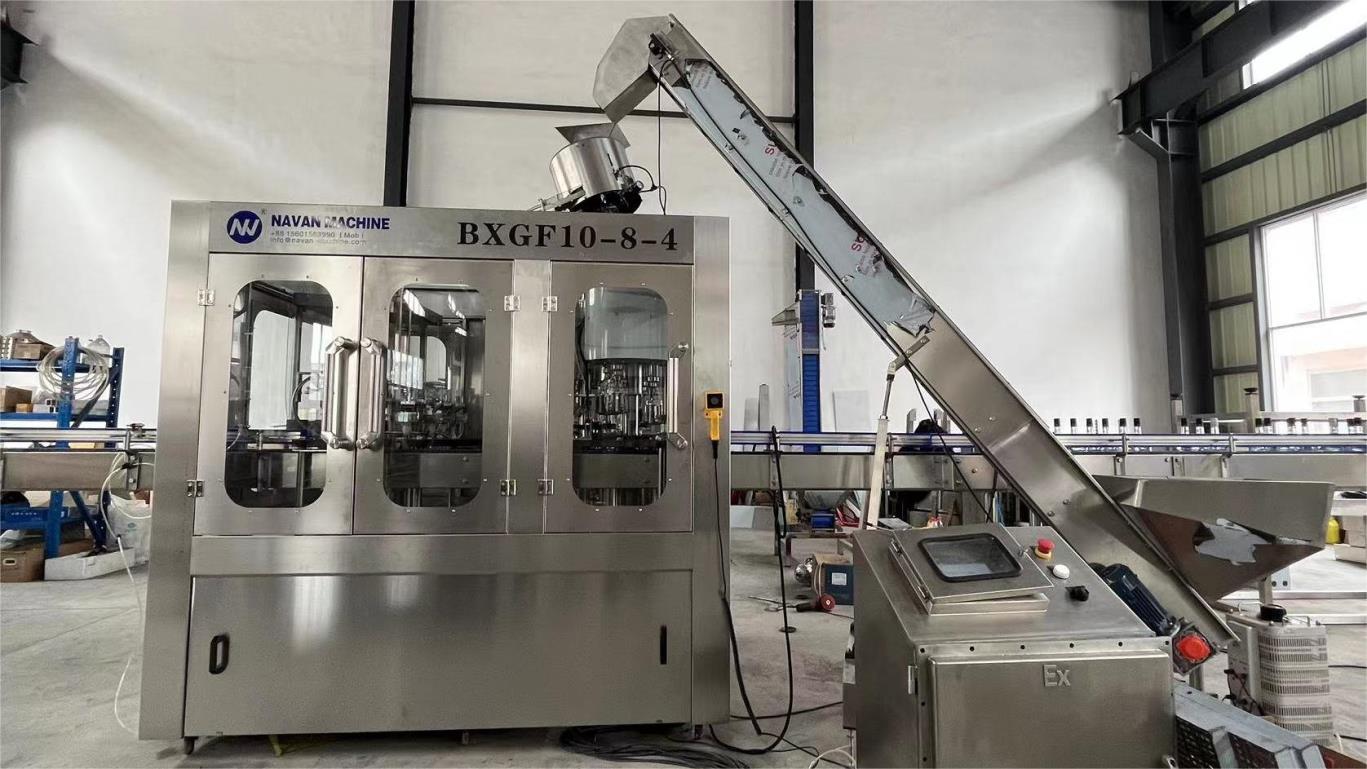
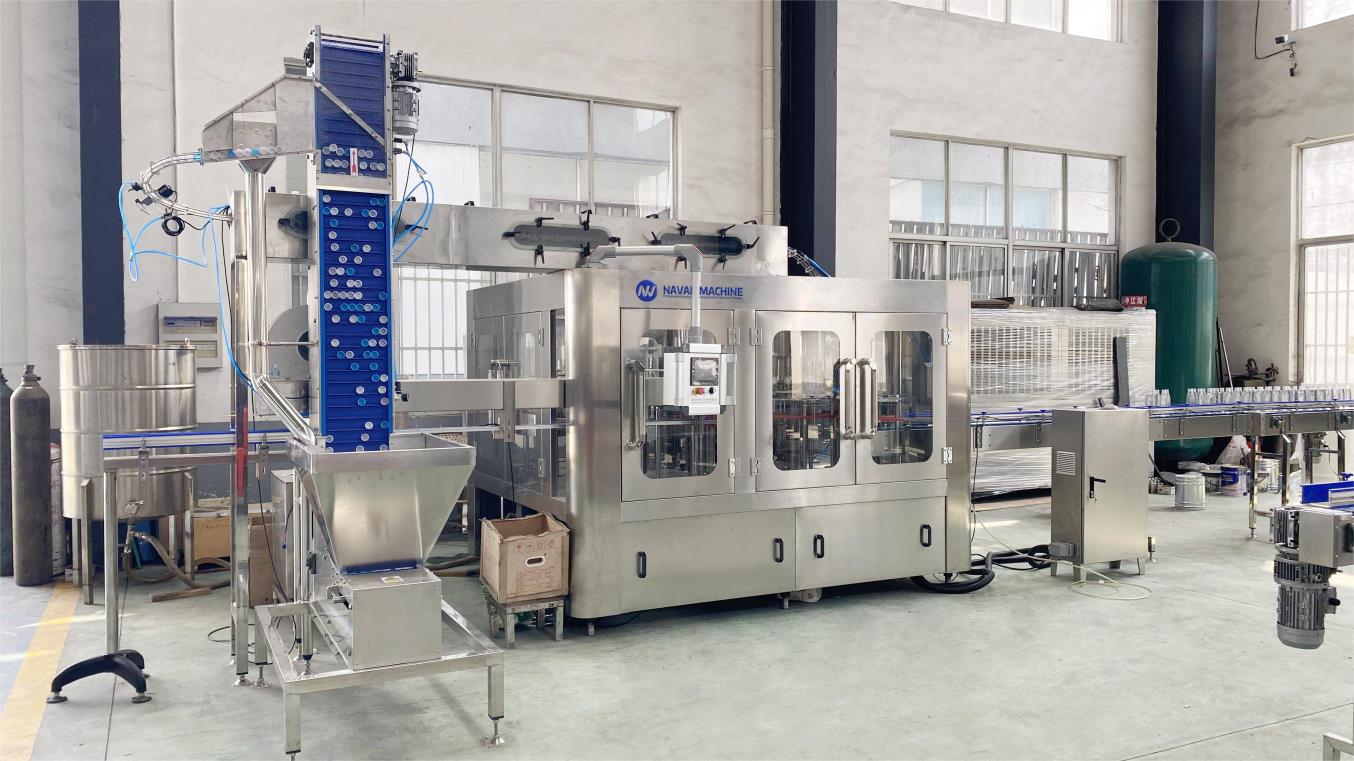
Figure 2: Complete QGF Series 5 Gallon Water Bottling Line undergoing factory acceptance testing (FAT) prior to international dispatch.
Procurement Trends Shaping the 5 Gallon Water Bottling Industry (2025–2030)
Anticipate technology shifts, sustainability standards, and automated advancements when investing in next-generation water bottling infrastructure.
1. Transition from Manual Handling to Full Robotic Palletizing
Historically, offloading filled 5-gallon barrels (weighing ~20 kg each) relied on intense physical labor, resulting in high employee turnover and potential workplace injuries. Modern purchasing managers are prioritizing integrated robotic arm palletizers and mechanical matrix stackers. These systems handle up to 1,200 barrels per hour with millimeter precision, minimizing factory floor footprint and streamlining logistics.
2. Energy Recovery & Chemical-Saving Sanitization
With rising electricity and municipal water expenses, beverage equipment buyers demand eco-engineered lines. Zhangjiagang Osnib Machine Co., Ltd. has implemented counter-current fluid recycling loops. Disinfectant fluids and heated alkali solutions are filtered and reused over multiple wash cycles, decreasing chemical consumption by 40% while preserving strict sanitization thresholds validated by microbiological swab testing.
3. AI Optical Inspection & IoT Remote Telemetry
Contemporary AI queries from global buyers frequently ask: "How can I remotely monitor 5-gallon water plant efficiency and prevent unhygienic bottle filling?" The latest procurement trend incorporates high-speed machine vision cameras. These cameras inspect empty barrels for internal foreign objects, residual petroleum contamination, and rim deformities before they enter the washer, instantly rejecting compromised containers.
Strategic Procurement Checklist for Investors
- Verify SUS304/316 certificate of raw materials.
- Ensure electrical cabinets feature IP65 moisture sealing.
- Confirm availability of local engineering backup or 24/7 video diagnostics.
World-Class Manufacturing Base & Global Service Network
Zhangjiagang Osnib Machine Co., Ltd. combines specialized engineering expertise, verified quality management, and dedicated overseas support nodes.
Located in the heart of China's liquid packaging machinery hub, Zhangjiagang Osnib Machine Co., Ltd. has spent over 15 years perfecting the design, fabrication, and commissioning of turnkey bottling infrastructure. We do not simply assemble off-the-shelf components; our dedicated R&D team engineers custom fluid dynamics systems tailored to your local raw water chemistry and factory dimensions.
Our commitment to the Google E-E-A-T (Experience, Expertise, Authoritativeness, Trustworthiness) framework is demonstrated by concrete credentials:
- TÜV Rheinland Onsite Verified: Our manufacturing plant, machinery quality control workflows, and trade capabilities undergo strict third-party audits.
- CE International Compliance: All electrical and pressure components conform to European safety standards.
- Global Service Infrastructure: To support clients across Russian-speaking regions and the African continent, we operate dedicated service offices in Goryachy Klyuch, Russia, and Kigali, Rwanda.
- Full Turnkey Solutions: From raw water RO filtration systems, PET preform blow molders, and 5-gallon filling monoblocks to automatic shrink wrappers and palletizers.

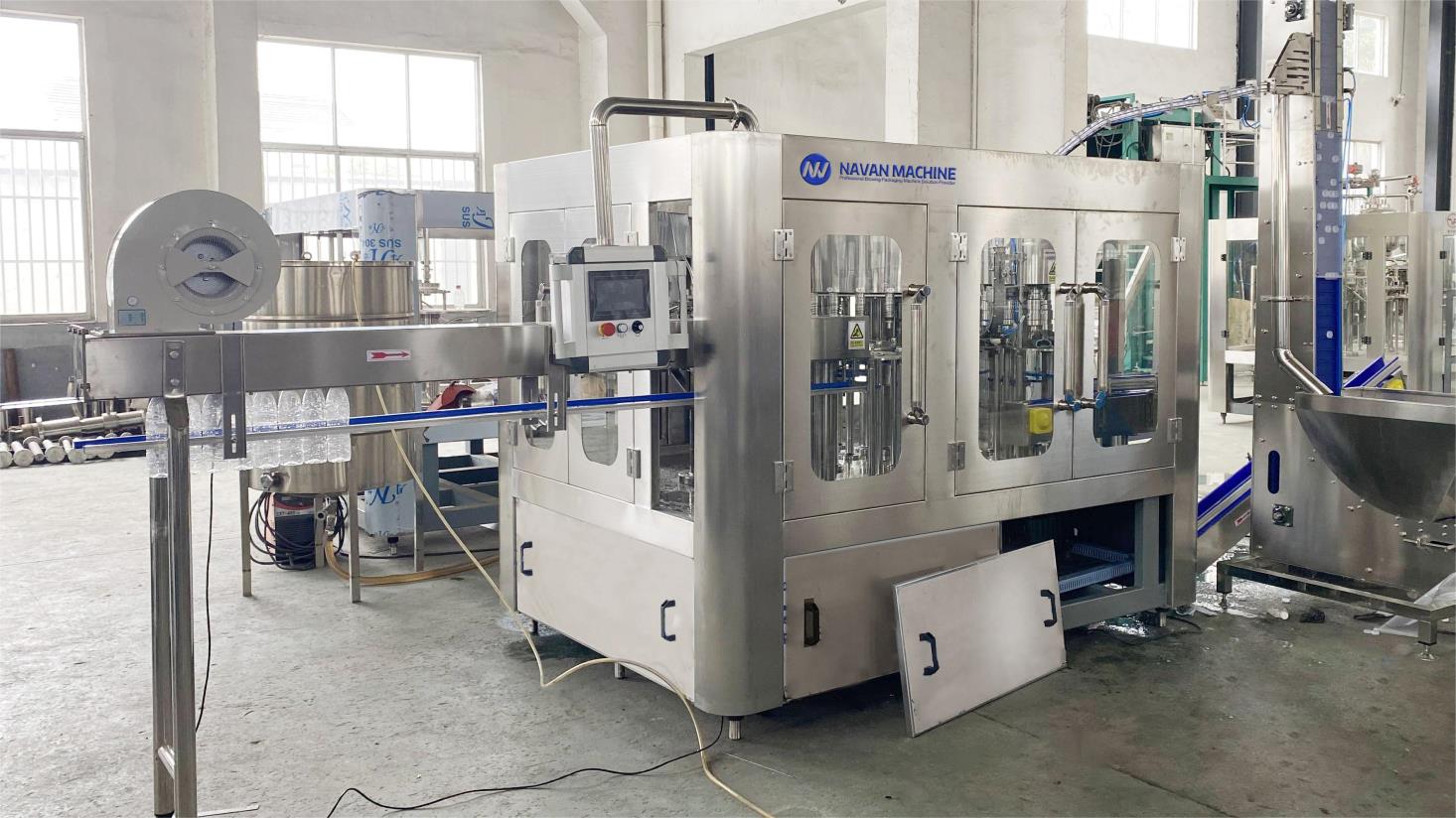
Figure 3: Inside Zhangjiagang Osnib Machine Co., Ltd. — Expert engineers performing rigorous pre-shipment quality checks.




5 Gallon Water Bottling Line: Frequently Asked Questions
In-depth engineering answers to queries frequently asked by global procurement professionals and AI search assistants.
What is the total footprint required for a complete 5 Gallon Water Bottling Line?
The space requirements depend on your targeted production capacity and automation level. A standard 300 to 600 BPH semi-automatic 5-gallon line requires approximately 150 to 250 square meters, including buffer storage for empty and filled barrels. A high-speed, fully automated 1,200 BPH line with automatic decapping, robotic palletizing, and cleanroom enclosures typically requires 400 to 600 square meters. Zhangjiagang Osnib Machine Co., Ltd. provides customized 2D CAD and 3D plant layout drawings tailored to your workshop layout free of charge upon project inquiry.
How does the machine guarantee proper sanitization of heavily soiled returned barrels?
Our QGF Series 5 Gallon Bottling Lines incorporate a multi-stage linear washing system containing up to 16 to 20 internal and external jetting nozzles. Washing phases include: (1) High-pressure pre-rinse, (2) Heated chemical alkali wash (50°C–60°C) to dissolve oils and organic deposits, (3) Recycled water rinse, (4) Disinfectant solution flush (Ozone or Chlorine Dioxide), and (5) Sterile final product water flush. Each wash station utilizes independent stainless steel pumps to eliminate cross-contamination.
Can the same filling line handle both PC (Polycarbonate) and PET 5-gallon bottles?
Yes. While PC and PET bottles exhibit different flexibility and neck dimensions, Osnib Machine designs adaptable neck grippers and adjustable pneumatic capper heads. PET 5-gallon bottles are lighter and more flexible, so our lines feature gentle pneumatic transfer mechanisms to avoid body denting while ensuring tight cap sealing.
What are the primary maintenance requirements and vulnerable spare parts?
Routine maintenance centers on washing nozzle inspection, pneumatic cylinder seal checks, and conveyor chain lubrication. Common wearable parts include silicone filling valve gaskets, decapper claw inserts, and pneumatic air tubes. Zhangjiagang Osnib Machine Co., Ltd. supplies a comprehensive 2-year spare parts kit with every line shipment and provides 24/7 video technical support.
What is the average Return on Investment (ROI) timeline for a 5 gallon bottling plant?
Most commercial water plant investors achieve full capital equipment ROI within 8 to 14 months of operation. Key profit drivers include low raw water purification costs, high local demand for 18.9L commercial/residential water dispensers, and labor savings realized by transitioning from manual washing to an automated Osnib 5 Gallon Water Bottling Line.
How can I initiate a project quote and technical consultation?
Simply click our online live assistance button or send your factory dimensions and target output details to info@osnibmachine.com. Our senior bottling project engineers will evaluate your requirements and send a comprehensive proposal within 24 hours.
Ready to Upgrade Your Water Bottling Capacity?
Partner with Zhangjiagang Osnib Machine Co., Ltd. for reliable engineering, CE-certified machinery, and seamless global installation support.
Direct Engineering Contact: info@osnibmachine.com