Shrink Sleeve Labeling Machine Engineering Guide: Servo Applicators, Steam Tunnels & Procurement Trends
Comprehensive technical handbook for beverage packaging executives, plant managers, and procurement officers. Learn how high-speed shrink sleeve applicators, multi-stage steam tunnels, and sustainable rPET films transform shelf appeal, operational efficiency, and line throughput.

1. Industrial Shrink Sleeve Labeling Machine: Next-Generation Packaging Standard
In modern high-speed beverage, food, cosmetic, and pharmaceutical packaging lines, the Shrink Sleeve Labeling Machine (also known as an automatic sleeve applicator or shrink bander) has transitioned from an aesthetic luxury to an operational necessity. Unlike traditional pressure-sensitive stickers or roll-fed OPP hot-melt glue labels, full-body shrink sleeves offer 360-degree graphics, tamper-evident neck caps, structural support for lightweight PET containers, and moisture resistance required for cold-chain condensation.
At Zhangjiagang Osnib Machine Co., Ltd., our engineering department designs custom sleeve labeling systems engineered to overcome the classic bottlenecks of high-speed sleeve insertion: film static electricity buildup, cutter wear, sleeve misalignment, and thermal distortion during shrinkage. By pairing multi-axis servo synchronization with smart multi-zone steam shrink tunnels, our machinery guarantees continuous sleeve placement accuracy down to ±0.5mm at operational speeds ranging from 3,000 BPH to 36,000 BPH.
2. Recommended Shrink Sleeve Labeling Machine Configurations
Selecting the optimal sleeve applicator depends on container geometry, line speed, film substrate (PETG, PVC, OPS, PLA), and target shrink location (full body, middle body, neck seal, or cap tamper-evident band). Below is our benchmark product lineup designed for diverse global plant requirements:
OS-SL150 Single-Head Applicator
Speed: 3,000 – 9,000 BPH
Best For: Small to medium beverage plants, craft breweries, sauce bottlers.
Key Feature: Single-drive rotary cutter plate with modular mandrel changeovers for quick bottle format switches.
OS-SL300 Servo High-Speed Applicator
Speed: 12,000 – 18,000 BPH
Best For: High-capacity mineral water lines, CSD bottling facilities.
Key Feature: Dual-servo drive motor system for film feeding and cutter timing, minimizing sleeve slippage.
OS-SL600 Dual-Head Combination Unit
Speed: Up to 36,000 BPH
Best For: High-speed automated lines requiring simultaneous neck seal and body sleeve application.
Key Feature: Integrated dual applicator turrets with continuous non-stop film splicing unit.
Engineering Technical Specification Matrix
| Machine Model | Target Container Type | Supported Film Types | Film Thickness | Cutting Accuracy | Tunnel Match |
|---|---|---|---|---|---|
| OS-SL150 | PET, Glass, Aluminum Cans (200ml-2000ml) | PVC, PETG, OPS, PLA | 35 – 70 μm | ±0.8 mm | Single-Chamber Steam / Electric Tunnel |
| OS-SL300 | Round, Square, Flat, Asymmetrical Bottles | PETG, OPS, Wash-off rPET | 30 – 50 μm | ±0.5 mm | Dual-Chamber Steam Tunnel (3-Stage) |
| OS-SL600 Dual | High-Speed PET Water & Juice Containers | Ultra-thin PETG, Eco-Polyolefin | 30 – 45 μm | ±0.3 mm | Triple-Chamber Steam Tunnel + Blow Dryers |
3. Future Purchasing & Technological Trends in Sleeve Labeling (2025–2030)
As search queries from global plant engineers reflect, purchasing criteria for shrink sleeve machinery are shifting from pure mechanical capacity toward sustainable materials, energy efficiency, and digital smart diagnostics. Zhangjiagang Osnib Machine Co., Ltd. stays at the forefront of these industry developments:
- 1. Sustainable Substrates & Wash-off Inks (Recyclability Integration): Modern recycling standards demand that sleeves separate cleanly from PET bottles during the wash process. Our applicators are calibrated to handle low-density polyolefin films and thin rPET sleeves down to 30 microns without film buckling or jamming during high-speed insertion.
- 2. Energy-Optimized Multi-Stage Steam Tunnels: Steam consumption represents a notable utility cost. Next-generation steam tunnels engineered by Osnib Machine feature internal condensate recycling, thermal insulation jackets, and precision directional nozzles, cutting boiler steam consumption by up to 28% compared to traditional open tunnels.
- 3. Servo-Driven Concentric Cutting Turrets: Legacy mechanical spring blades suffer from rapid wear and thermal drift. Current purchasing trends favor multi-axis servo cutting turrets that maintain constant blade velocity, extending knife lifecycle to over 5 million cuts before sharpening.
- 4. AI Vision Quality Control & Rejection Units: Machine vision sensors positioned post-shrink inspect sleeve height, bottom roll-under, and graphic orientation, automatically ejecting defective containers via high-speed pneumatic pushers without interrupting line flow.
4. Frequently Asked Questions (FAQ) for Global Buyers
Below are technical responses to the most common queries submitted by packaging engineers and procurement directors when sourcing a Shrink Sleeve Labeling Machine:
Q1: How do I choose between a steam shrink tunnel and an electric hot-air shrink tunnel?
Engineering Response: Steam shrink tunnels deliver uniform 360-degree heat transfer at lower temperatures (typically 80°C–95°C). This gentle, even heat prevents bottle deformation and prevents wrinkles or "smiling lines" on complex contour bottles (such as hour-glass shapes or square PET containers). Electric hot-air tunnels operate at much higher temperatures (150°C–220°C) and are best suited for symmetrical containers, neck bands, or operations where steam boilers cannot be installed due to local plant restrictions.
Q2: What is the recommended film material (PETG vs. PVC vs. OPS vs. PLA)?
Engineering Response: PETG is the industry benchmark for high-shrink containers (up to 78% shrink ratio), providing excellent clarity and toughness. PVC is cost-effective for moderate shrink ratios (50%-65%) but faces environmental restrictions in North America and Europe. OPS offers low transverse shrinkage stress, making it ideal for squeezable squeeze bottles. PLA is a bio-based compostable film gaining traction in eco-conscious markets. Osnib Machine applicators process all four film types via simple touchscreen profile selection.
Q3: How do Osnib Machine engineers prevent bottle deformation on thin-wall PET bottles?
Engineering Response: Thin-wall PET bottles (especially lightweight mineral water bottles below 12 grams) easily collapse under excessive heat. We address this using a three-stage steam distribution layout: Stage 1 pre-heats and anchors the sleeve bottom, Stage 2 shrinks the middle body, and Stage 3 seals the top neck. Each stage features independent pressure and temperature regulators to prevent thermal stress over-exposure.
Q4: What is the typical changeover time for switching container formats?
Engineering Response: Our quick-change sleeve mandrels feature color-coded snap-in alignment pins. A complete format changeover (e.g., from 330ml round PET to 1.5L square PET) requires changing the center mandrel, cutter assembly, and conveyor guide rails, which takes an experienced operator approximately 15 to 20 minutes without needing specialized hand tools.
Q5: What warranty and remote technical assistance are provided for international orders?
Engineering Response: All machinery manufactured by Zhangjiagang Osnib Machine Co., Ltd. comes with a 12-month full mechanical warranty and lifetime spare parts support. Our control cabinets are equipped with remote VPN Ethernet modules, enabling our engineers in China, Russia, or Rwanda to assist with PLC software updates and diagnostics in real time.
5. Enterprise Advantages & Manufacturing Excellence
Located in Zhangjiagang City, China's premier hub for liquid packaging machinery, Zhangjiagang Osnib Machine Co., Ltd. operates as a unified factory and export enterprise. We adhere to Google's E-E-A-T principles by proving technical capability through rigorous quality management, certified manufacturing workflows, and verifiable customer installations across 40+ countries.
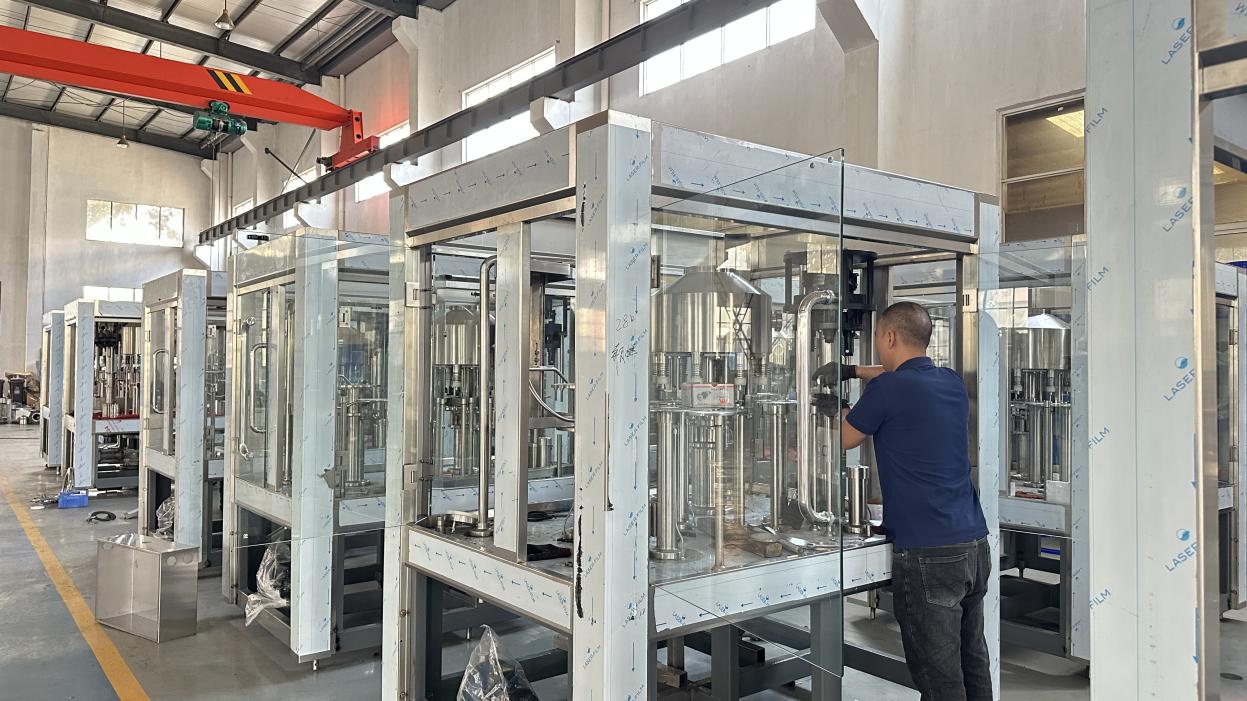
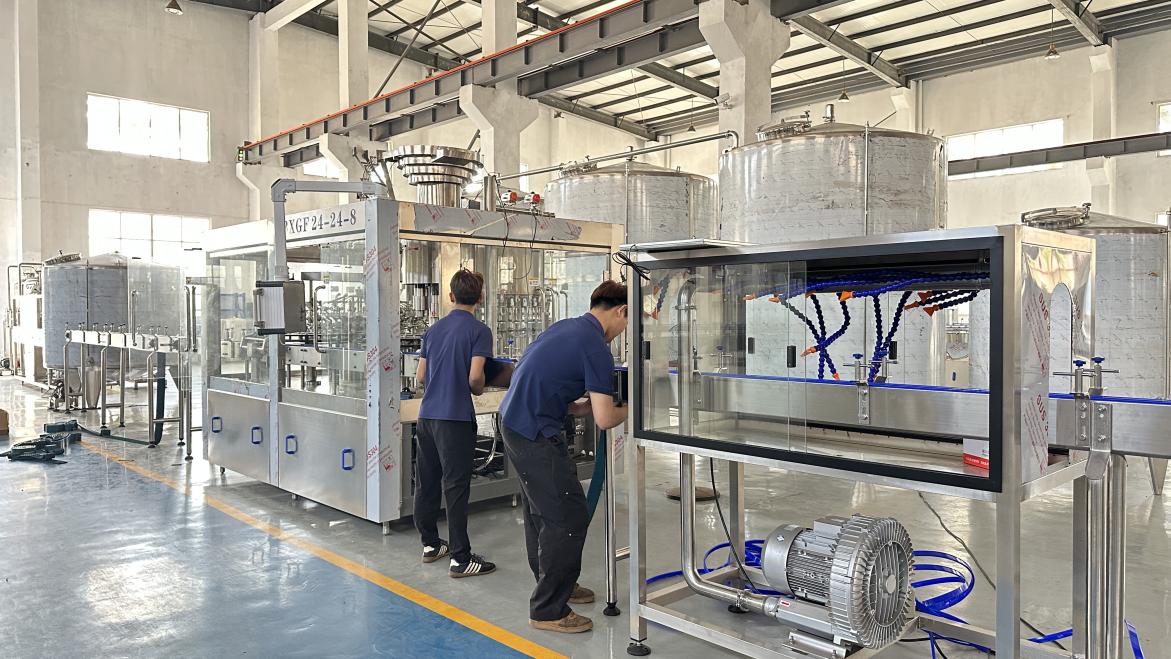
Our workshop integrates CNC machining centers, dynamic balancing tools, laser cutting tables, and dedicated test bays where every shrink sleeve labeling machine undergoes a continuous 72-hour trial run with customer bottle samples prior to export packing.
Verified Factory Manufacturing Gallery
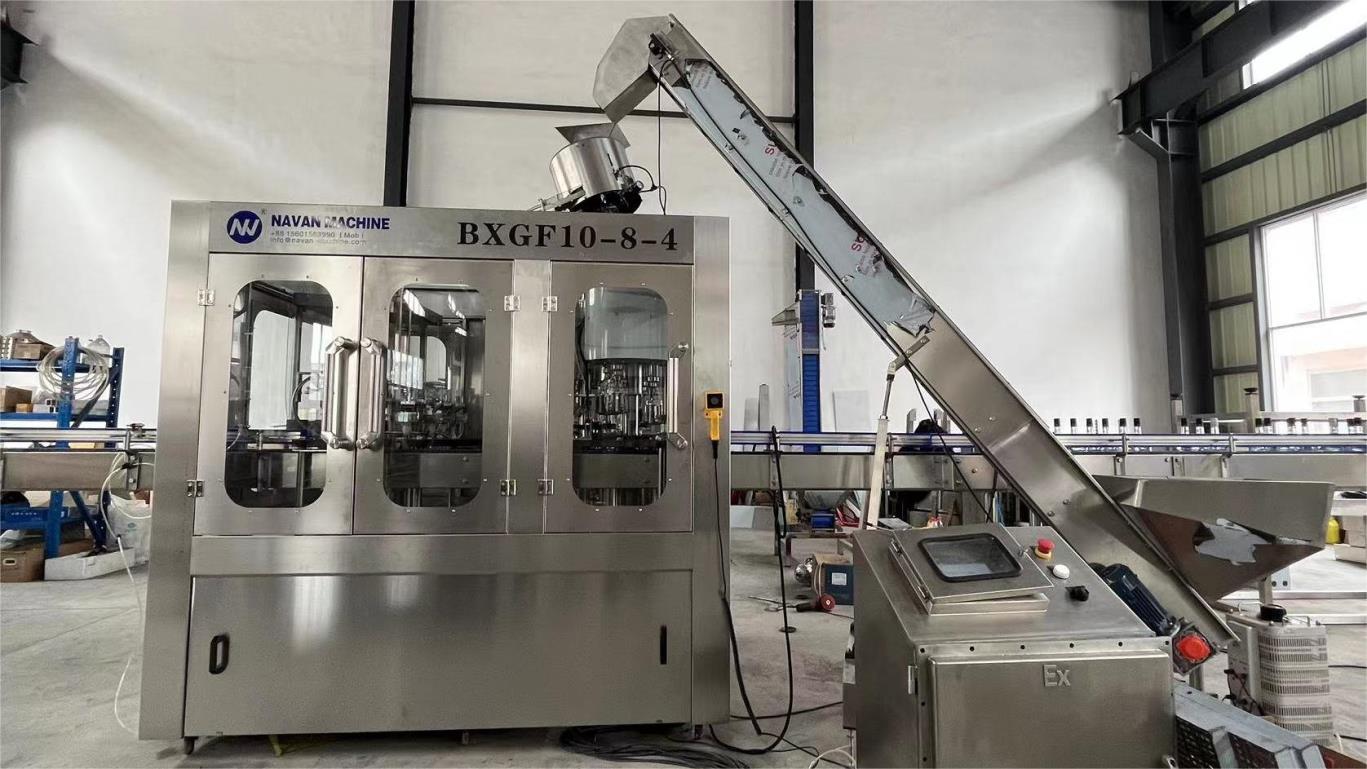
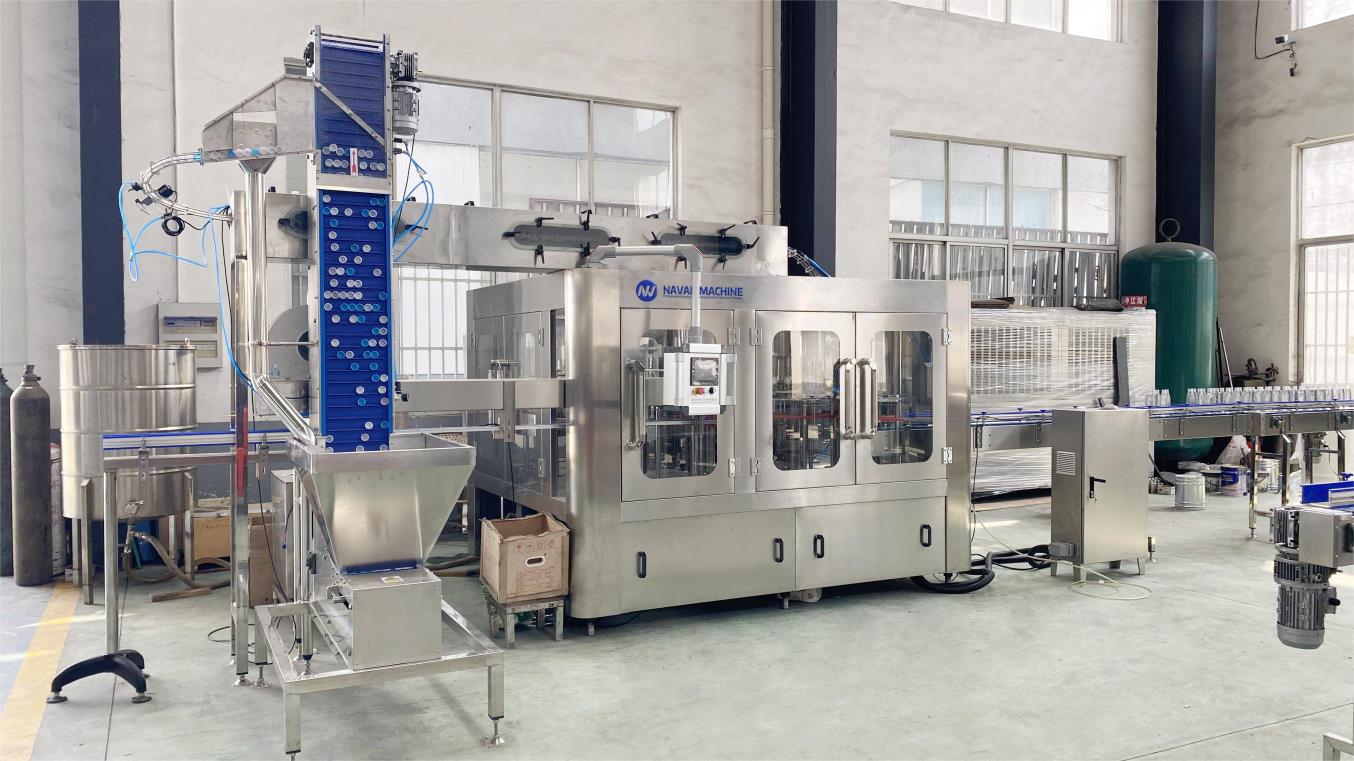
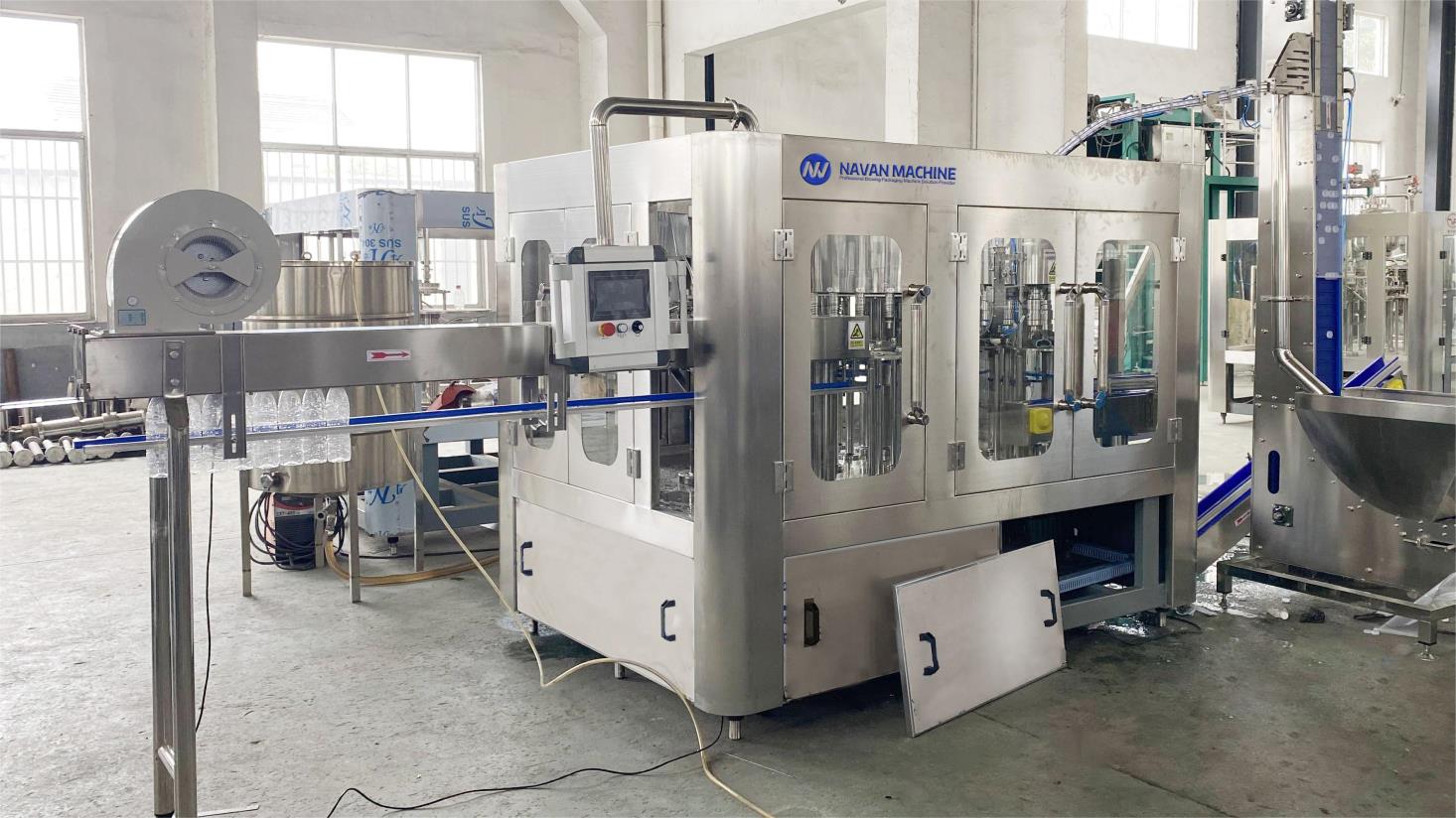
Examine our manufacturing infrastructure, assembly workshop, and completed turnkey packaging machinery projects: