Blog
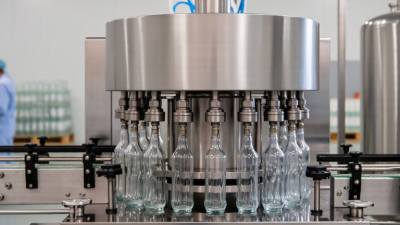
What Is the Best Water Filling Machine in 2026?
What Is the Best Water Filling Machine in 2026? The answer depends on what you fill, how much you produce, and who operates the line. A small beverage workshop may need a compact unit with simple controls. A busy plant may require multiple filling heads, conveyor integration, and quick changeovers. The best choice is rarely the machine with the largest capacity claim. Production goals matter.
A reliable Water Filling Machine should match the product’s flow, container shape, target fill volume, and cleaning routine. Check whether bottles arrive steadily, whether foam forms during filling, and how often operators switch sizes. These details affect accuracy and downtime. Ask suppliers for demonstrations using your actual bottle and liquid, not only a polished showroom sample. Useful evidence includes fill consistency, operating speed under normal conditions, service response, and replacement-part availability. Small details count. Also review how easily staff can reach valves, nozzles, and controls during routine cleaning.
This guide compares machine types and explains which features matter for different production needs. It also considers installation space, operator training, maintenance access, and the full cost of ownership. A low purchase price can look attractive, yet spare parts or frequent adjustments may change the calculation. Confirm the machine’s stated output against your product and container rather than treating a brochure figure as a guarantee. No checklist can replace a careful trial. Even experienced buyers may overlook a workflow problem until the line is running. That is worth remembering. The goal is not to find one universal winner, but to identify a machine that performs reliably in your real production environment.
Read more »
 By:Oliver
- November 24, 2026
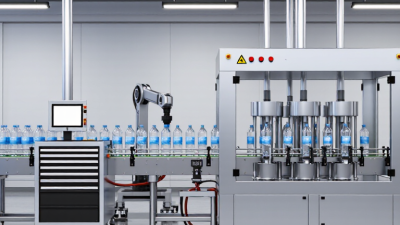
2026 Best Water Bottling Line Suppliers?
Choosing a Water Bottling Line supplier in 2026 is a production decision, not just a price comparison. Grand View Research’s 2024 market analysis valued the global bottled water market at about $303.95 billion in 2023 and projected 6.7% annual growth through 2030. In the United States, the International Bottled Water Association reported 16.2 billion gallons sold in 2023, worth approximately $48.4 billion. These figures show a large, active market. They do not guarantee demand for any individual plant.
A suitable line must match the product, bottle, output target, and available floor space. Buyers should compare filling accuracy, changeover time, cleaning design, spare-parts access, and documented service response. Ask suppliers to demonstrate performance using your bottle size and planned production conditions. A quoted speed alone can be misleading. Small details matter. A cap feeder that jams or a labeler that needs frequent adjustment can disrupt an entire shift. Review factory acceptance tests, commissioning plans, operator training, and warranty terms before signing. Request references from plants with comparable formats and output, then verify how the equipment performs after installation. Promises need testing. This guide examines suppliers through practical criteria, while recognizing that published specifications and impressive brochures cannot replace an observed production run. The right choice depends on evidence, fit, and the support your team can actually access.
Read more »
 By:Ethan
- November 24, 2026
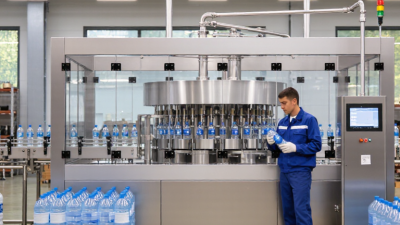
7 Water Bottling Machine Buying Tips for Global Buyers
Choosing a Water Bottling Machine is not just a capacity decision. The right system must match your water source, bottle formats, target output, and available floor space. A line designed for 500-milliliter PET bottles may need adjustments for larger containers or different closures. Small details matter.
Before requesting quotes, define realistic hourly demand and expected operating shifts. Ask suppliers to distinguish rated speed from sustained output, since changeovers, rinsing, and routine stops can reduce production. That gap matters.
Compare filling methods, washing and capping arrangements, and the materials used on product-contact surfaces. Request equipment drawings, utility requirements, test records, and a clear list of included components. If possible, evaluate bottles and caps similar to those you will use, not ideal samples. This can reveal leaks, awkward handling, or label-space issues early.
Hygiene design and cleanability deserve direct questions. Check how operators access valves, filters, and conveyor sections, and whether routine maintenance requires special tools. Confirm local technical requirements with qualified advisers; machine specifications alone do not establish suitability.
Supplier support matters after installation. Confirm commissioning scope, operator training, spare-parts availability, response times, warranty terms, and shipping responsibilities. Compare total ownership costs, not only the quoted price. A glossy brochure can make this look simple. It often isn’t.
A fair comparison includes verified performance, service arrangements, and room for future growth. Some assumptions may change once production starts. That is worth planning for.
Read more »
By:Ethan
- November 24, 2026
