Choosing a Water Bottling Line supplier in 2026 is a production decision, not just a price comparison. Grand View Research’s 2024 market analysis valued the global bottled water market at about $303.95 billion in 2023 and projected 6.7% annual growth through 2030. In the United States, the International Bottled Water Association reported 16.2 billion gallons sold in 2023, worth approximately $48.4 billion. These figures show a large, active market. They do not guarantee demand for any individual plant.
A suitable line must match the product, bottle, output target, and available floor space. Buyers should compare filling accuracy, changeover time, cleaning design, spare-parts access, and documented service response. Ask suppliers to demonstrate performance using your bottle size and planned production conditions. A quoted speed alone can be misleading. Small details matter. A cap feeder that jams or a labeler that needs frequent adjustment can disrupt an entire shift. Review factory acceptance tests, commissioning plans, operator training, and warranty terms before signing. Request references from plants with comparable formats and output, then verify how the equipment performs after installation. Promises need testing. This guide examines suppliers through practical criteria, while recognizing that published specifications and impressive brochures cannot replace an observed production run. The right choice depends on evidence, fit, and the support your team can actually access.
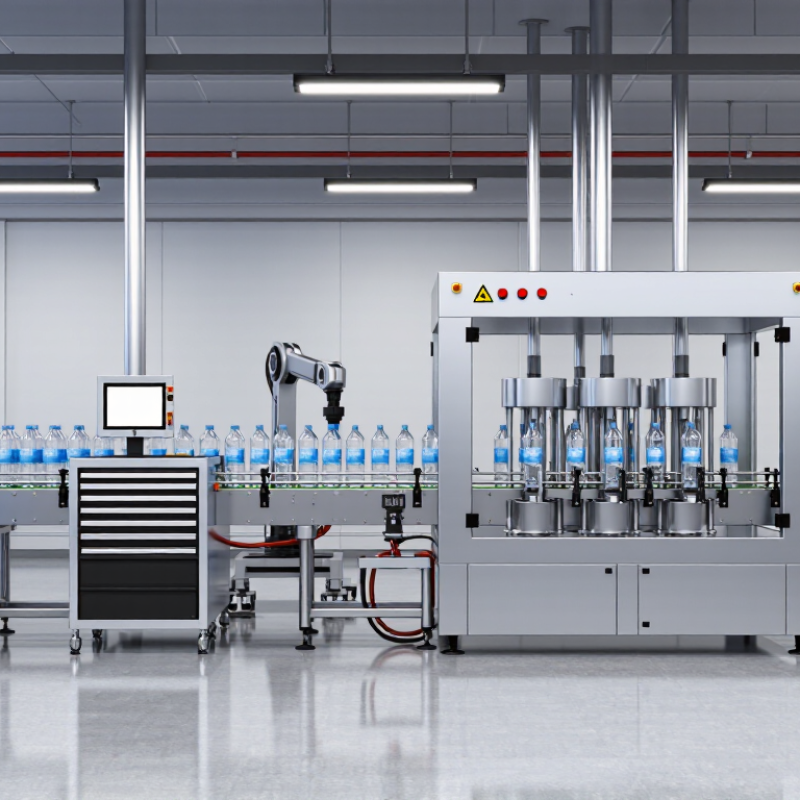
Water bottling line suppliers provide more than filling machines. They may design a connected line that includes bottle rinsing, filling, capping, labeling, coding, and case packing. The exact scope depends on your water source, container sizes, target output, and available floor space. Get these details in writing.
A reliable supplier should review the process before recommending equipment. Ask how the proposed filler handles your bottle shape and cap type. Request a layout showing conveyors, operator access, and changeover points. Utility requirements matter too: water, compressed air, power, and drainage can affect installation plans. Small details, big impact.
Support is part of the supply. It can include installation, commissioning, operator training, spare-parts guidance, and troubleshooting after startup. Ask who will be on site and what response times the service team can realistically meet. Review references from facilities with similar products and production goals. A polished proposal is not proof of a smooth startup. No line runs perfectly on day one. That is worth planning for. Where possible, agree on acceptance checks for output, filling accuracy, and changeover performance before equipment ships.
A water bottling line links several machines, and each handoff affects product quality. Typical equipment includes bottle rinsers, filling valves, capping units, conveyors, and labelers. A rinser removes loose particles before filling. The filler then controls volume and limits splashing. Even small drips around the neck can cause messy caps or labels. Choose equipment based on bottle size, target speed, and changeover needs, not headline output alone.
Useful technologies include programmable controls, flow meters, and sensors that detect missing caps or misaligned bottles. A rejection system can divert faulty containers without stopping the whole line. Automated cleaning cycles can help manage routine sanitation, but operators still need clear procedures and verification records. Check that controls show alarms in plain language. A sophisticated screen is not helpful if a shift operator cannot quickly identify a blocked conveyor. Real operating conditions may expose gaps that a factory test misses.
Tips: Ask suppliers for documented output under your bottle and closure specifications. Review cleaning access, spare-part availability, and training plans. Watch a changeover in person, if possible. It may take longer than expected. Leave room for adjustment; line layouts rarely work perfectly on the first attempt.
Evaluating water bottling line suppliers in 2026 means looking beyond quoted speed. Ask for a line layout showing the rinser, filler, capper, conveyors, and inspection points. Check whether the quoted output reflects your bottle size and actual operating conditions. Numbers need context. Request a live or recorded acceptance test using containers similar to yours. Track good bottles per minute, changeover time, and rejected units—not just the machine’s peak rate.
Review the supplier’s engineering and service capabilities. Can its team explain how filling accuracy is maintained, or how operators access parts during cleaning? Ask for maintenance schedules, electrical drawings, training plans, and a clear list of included components. Confirm typical response times and which spare parts are stocked locally. A detailed warranty matters, but production support after installation matters too. Even a polished factory tour can hide awkward changeovers.
Compare proposals line by line, including installation, commissioning, freight, and operator training. Ask for references from facilities with similar bottle formats and production volumes, then discuss both performance and downtime. One successful test is not proof of long-term reliability. A lower-priced system may still suit a small operation, while a faster line may bring unnecessary complexity. The right choice depends on your staffing, floor space, maintenance skills, and realistic growth plans. Ask the supplier to document assumptions in writing; vague answers can become expensive surprises.
Comparing water bottling line suppliers means looking beyond the equipment quote. Ask what their team has installed at a similar production speed and with similar bottle sizes. A supplier familiar with rinsing, filling, capping, labeling, and conveying can spot layout problems before installation. Request a line drawing, utility requirements, and a clear list of included components. Details matter. A low initial price may exclude commissioning, operator training, or format-change parts. Compare those costs over the expected operating life, not just on delivery day.
After-sales support is easier to judge with specific questions. What response time is offered when a filler stops? Which spare parts are stocked locally, and which ship from elsewhere? Ask for a sample maintenance schedule and training plan. If possible, speak with a recent customer about installation delays and how faults were handled. A factory acceptance test can confirm basic functions, but it may not reveal every issue under real production conditions. I would also check whether remote troubleshooting is practical at the site. One weakness in supplier comparisons is that support promises can sound polished; written service terms are more useful. Some uncertainty remains, because even a well-planned line can need adjustment after startup.
Choosing a water bottling line supplier starts with your production plan, not a headline speed. Define bottle sizes, container material, cap type, shifts, and expected changeovers. Be specific. A line rated for 12,000 bottles per hour may reach that figure only with one format and ideal conditions. Ask suppliers to document sustained output, reject rates, and operating assumptions. Compare those figures with peak demand, not just annual volume.
Check how the filler, capper, labeler, and packer work together. Request a layout showing operator access, floor space, utility connections, and product flow. Ask what happens when you switch bottle sizes, and how long a typical changeover takes. Small details matter. A poorly placed control panel or hard-to-reach valve can slow daily work. Discuss cleaning procedures, spare parts, maintenance intervals, and remote support before comparing prices.
Ask for references from facilities with similar products and output needs. If possible, watch a line running under comparable conditions, or request a recorded acceptance test with agreed performance measures. Confirm what installation, operator training, and commissioning support include. No supplier can remove every commissioning surprise. A quotation can also leave gaps. Read assumptions carefully, and record open questions before signing. The right choice is the system your team can run reliably, maintain practically, and expand when demand changes.
A line may include rinsing, filling, capping, labeling, coding, and case packing. The exact setup depends on your bottles, output, and floor space.
Provide bottle sizes, cap types, target output, water source, and available space. Mention power, compressed air, water, and drainage needs. Small details matter.
Ask for a test using containers similar to yours. Record good bottles per minute, rejected units, and changeover time. Peak speed alone can mislead.
It should show conveyors, machines, inspection points, and operator access. Check where staff can clean equipment and change bottle formats. Awkward corners are easy to miss.
Review installation, commissioning, operator training, freight, and spare-parts guidance. Ask for each item in writing. A low quote may leave gaps.
Ask about realistic response times, remote troubleshooting, and locally stocked parts. Request a maintenance schedule and speak with a recent customer. Promises need checking.
Agree on checks for output, filling accuracy, and changeover performance before shipment. A successful test is useful, but it cannot prove long-term reliability.
Compare included components, service terms, installation costs, and training. Consider your staff, floor space, and maintenance skills. More speed may mean more complexity. I would still question every assumption.
Choosing the right Water Bottling Line supplier in 2026 means looking beyond the equipment price. A complete line may include water treatment, rinsing, filling, capping, labeling, packaging, and controls that coordinate each stage. Suppliers can differ in their technical expertise, ability to customize a layout, automation options, production capacity, and experience working with different bottle formats. Evaluating these capabilities helps determine whether a proposed system fits your product, facility, and operating goals.
Compare suppliers using clear criteria: equipment specifications, installation and training plans, maintenance requirements, spare-parts availability, warranty terms, and responsiveness after delivery. Consider the total cost of ownership, not just the initial quotation, and ask how the line can accommodate future changes in output or packaging. The best choice is a supplier whose technical support, budget, and proposed configuration match your production requirements and long-term plans.