What Is the Best Water Filling Machine in 2026? The answer depends on what you fill, how much you produce, and who operates the line. A small beverage workshop may need a compact unit with simple controls. A busy plant may require multiple filling heads, conveyor integration, and quick changeovers. The best choice is rarely the machine with the largest capacity claim. Production goals matter.
A reliable Water Filling Machine should match the product’s flow, container shape, target fill volume, and cleaning routine. Check whether bottles arrive steadily, whether foam forms during filling, and how often operators switch sizes. These details affect accuracy and downtime. Ask suppliers for demonstrations using your actual bottle and liquid, not only a polished showroom sample. Useful evidence includes fill consistency, operating speed under normal conditions, service response, and replacement-part availability. Small details count. Also review how easily staff can reach valves, nozzles, and controls during routine cleaning.
This guide compares machine types and explains which features matter for different production needs. It also considers installation space, operator training, maintenance access, and the full cost of ownership. A low purchase price can look attractive, yet spare parts or frequent adjustments may change the calculation. Confirm the machine’s stated output against your product and container rather than treating a brochure figure as a guarantee. No checklist can replace a careful trial. Even experienced buyers may overlook a workflow problem until the line is running. That is worth remembering. The goal is not to find one universal winner, but to identify a machine that performs reliably in your real production environment.
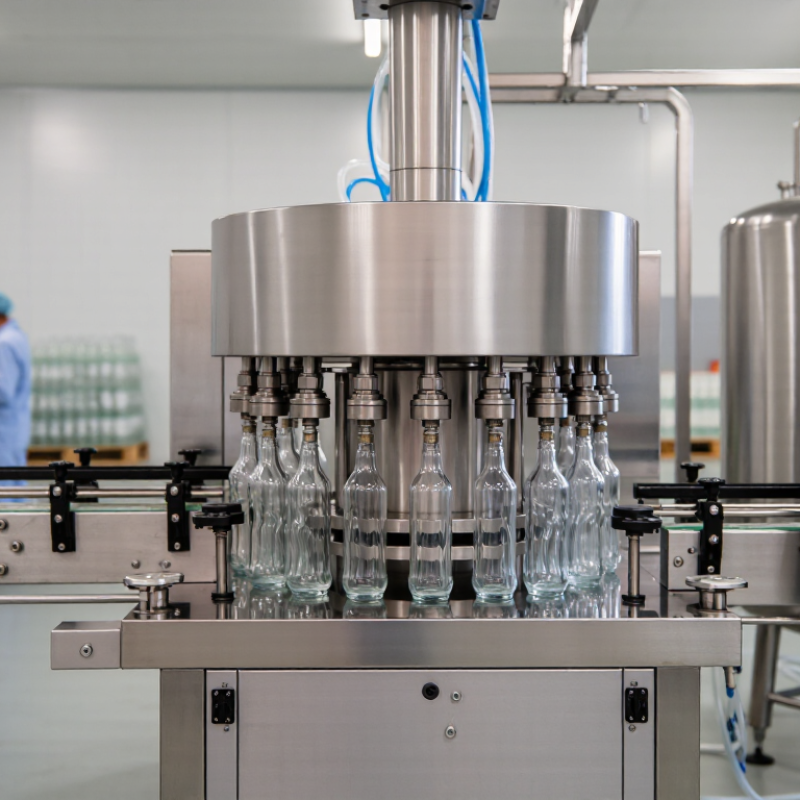
Define the Requirement: Bottle Format, Product Type, and Target BPH
What Is the Best Water Filling Machine in 2026?
Define the Requirement: Bottle Format, Product Type, and Target BPH
Start with the bottle, not the machine brochure. Record its material, capacity, neck finish, shape, and label area. A narrow-neck PET bottle needs different handling from a wide-mouth glass container. Include the smallest and largest formats you expect to run. Frequent changeovers can reduce output, even when the filler’s rated speed looks impressive.
Product type matters just as much. Still water, carbonated water, and flavored water place different demands on filling, sealing, and cleaning. Specify carbonation, temperature, and any ingredients that affect flow. Grand View Research estimated the global bottled-water market at USD 303.9 billion in 2023, forecasting 5.9% annual growth from 2024 to 2030. That market outlook signals demand, not a required line speed. Keep the distinction clear.
Set target BPH from good bottles needed, scheduled hours, and realistic line efficiency. For 12,000 saleable bottles in an eight-hour shift, assuming 80% effective runtime, the line needs about 1,875 BPH. Small details matter. Conveyors, cap feeding, inspections, and changeovers can become the real bottleneck. Ask suppliers for sustained output using your bottle and product, not only a peak-speed figure. I would also leave room for growth, but not buy capacity that sits idle. That trade-off deserves a second look.
FAQS
Record the bottle material, capacity, neck finish, shape, and label area. Include both the smallest and largest formats. A narrow-neck plastic bottle handles differently from a wide-mouth glass container. Changeovers take time.
Still, carbonated, and flavored water can require different filling, sealing, and cleaning setups. Note carbonation, temperature, and ingredients that may change flow. A machine suited to still water may struggle with foam.
Start with saleable bottles, shift hours, and realistic runtime. For 12,000 bottles in an eight-hour shift at 80% effective runtime, plan for about 1,875 bottles per hour. Leave room for growth, but question capacity that may sit idle.
Gravity filling suits still, free-flowing water and uses liquid head. Pressure filling helps control foam and gas loss in carbonated products. Volumetric systems measure a set amount, but calibration and maintenance still matter.
Test with your actual bottles, product, and target speed. Watch the fill level, foam, and rejected containers over a long run. A precise meter cannot fix poor setup.
Review cleaning verification, monitoring records, and potential residue around valve seats. Check air quality where it reaches the product or packaging. Request test results at the point of use, not only in the compressor room.
No. The needed air class depends on contact risks and the machine’s process map. Confirm the sampling location and measurement method. Over-specifying purity without checking actual contact points can waste effort.
No. Market growth estimates describe demand, not the output your line needs. Calculate speed from saleable bottles, scheduled hours, and likely interruptions. That distinction is easy to miss.
Conclusion
Choosing the best Water Filling Machine in 2026 starts with defining your production needs: bottle size and shape, water or other product type, and the target number of bottles per hour. Then compare filling methods. Gravity systems may suit straightforward applications, while pressure-based or volumetric systems can offer different advantages in speed, consistency, and control. The right choice depends on the product, container, and production goals.
Before purchasing, verify that the equipment and process can support applicable food-safety requirements, including FDA 21 CFR Parts 129 and 165.110, and assess hygienic design and utility quality against relevant guidance such as ISO 22000:2018 and ISO 8573-1. Finally, compare the total cost of ownership, filling accuracy, changeover time, and after-sales support—not just the initial purchase price. A machine that fits your operation, is practical to maintain, and can reliably meet quality and output targets is likely to provide the best long-term value.