Featured Aseptic & Turnkey Bottling Equipment
Explore our CE-compliant, high-performance liquid filling and packaging machines engineered for water, CSD, juice, beer, and barrel bottling plants worldwide.
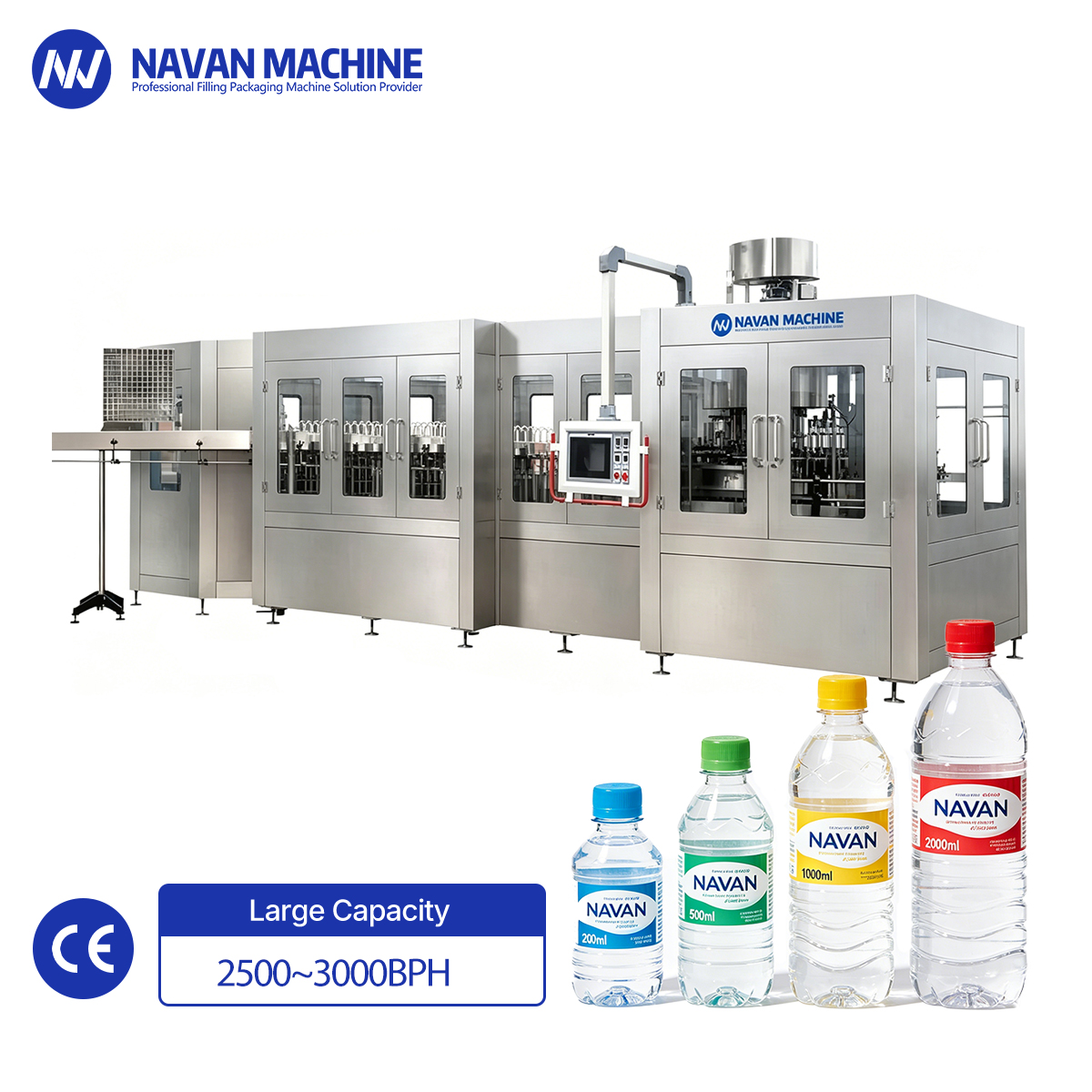
XGF8-8-4 Full Automatic Mechanical Water Filling Line
Capacity: 2500-3000 BPH | Control: PLC

XPXGF24-24-8 Glass/PET Carbonated Beverage Production Line
Isobaric Filling | Soda & Sparkling

Navan XGF18-18-6 Automatic Mineral Water Bottling Turnkey Line
High-Accuracy PET Pure Water Monoblock
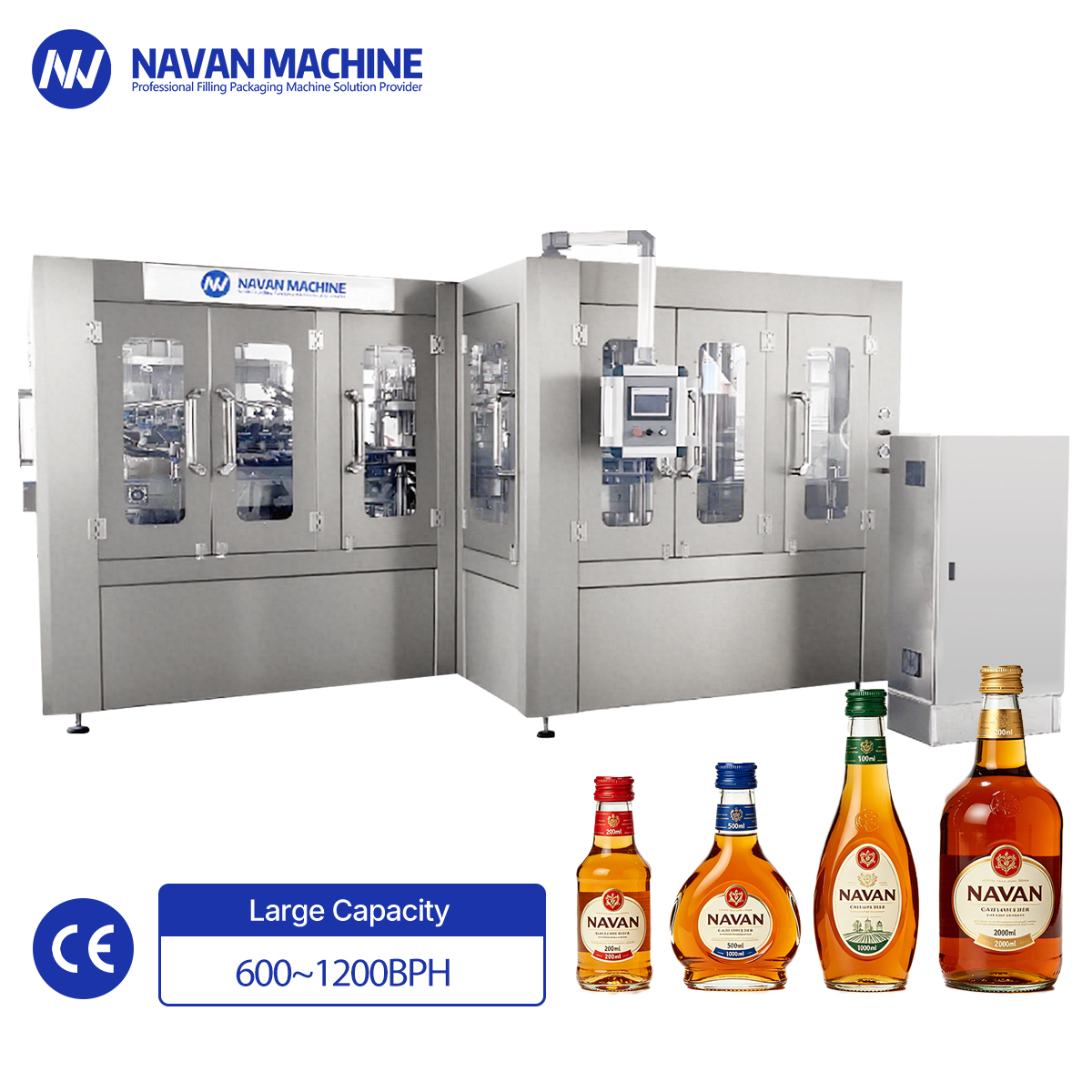
600-1200BPH Glass Bottle Beer Bottling & Processing Line
CE Certified | Crown Capping System
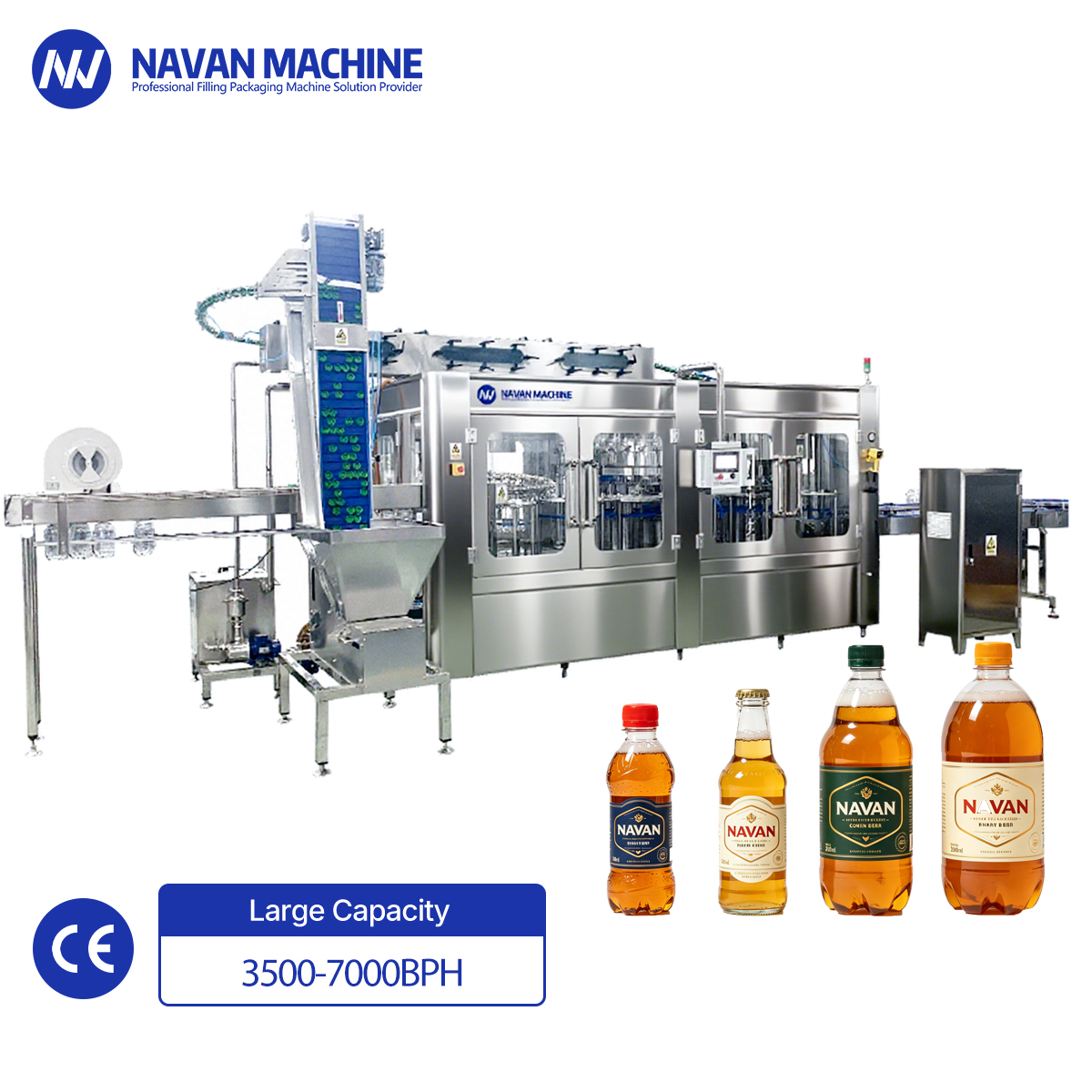
NPXZGF24-18-24-6PRO Plastic Beer Bottling Line (200ml-2000ml)
High Productivity | Double Evacuation
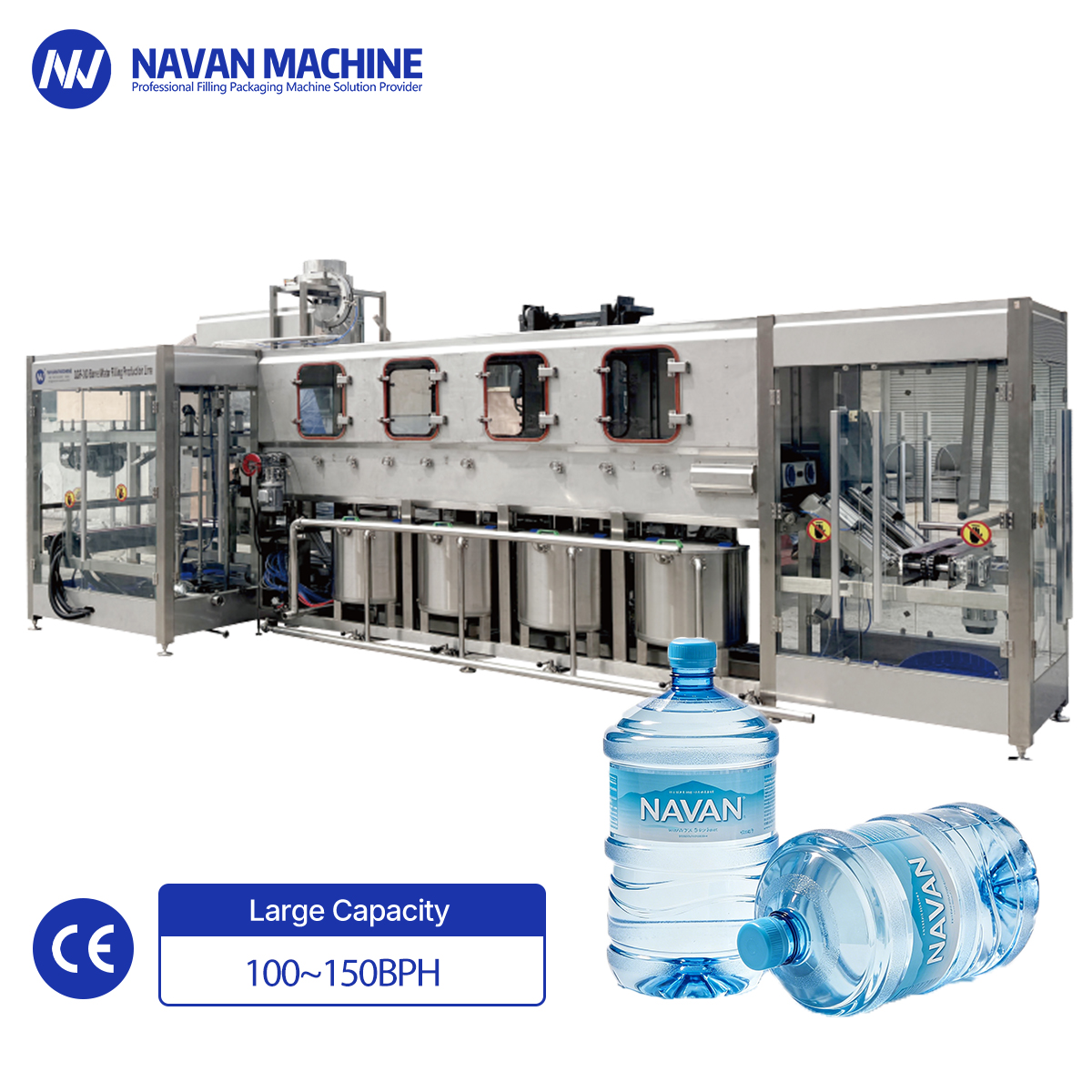
100-150BPH 5-Gallon Barrel Washing, Filling & Capping Machine
Heavy-Duty Industrial Water Bottling
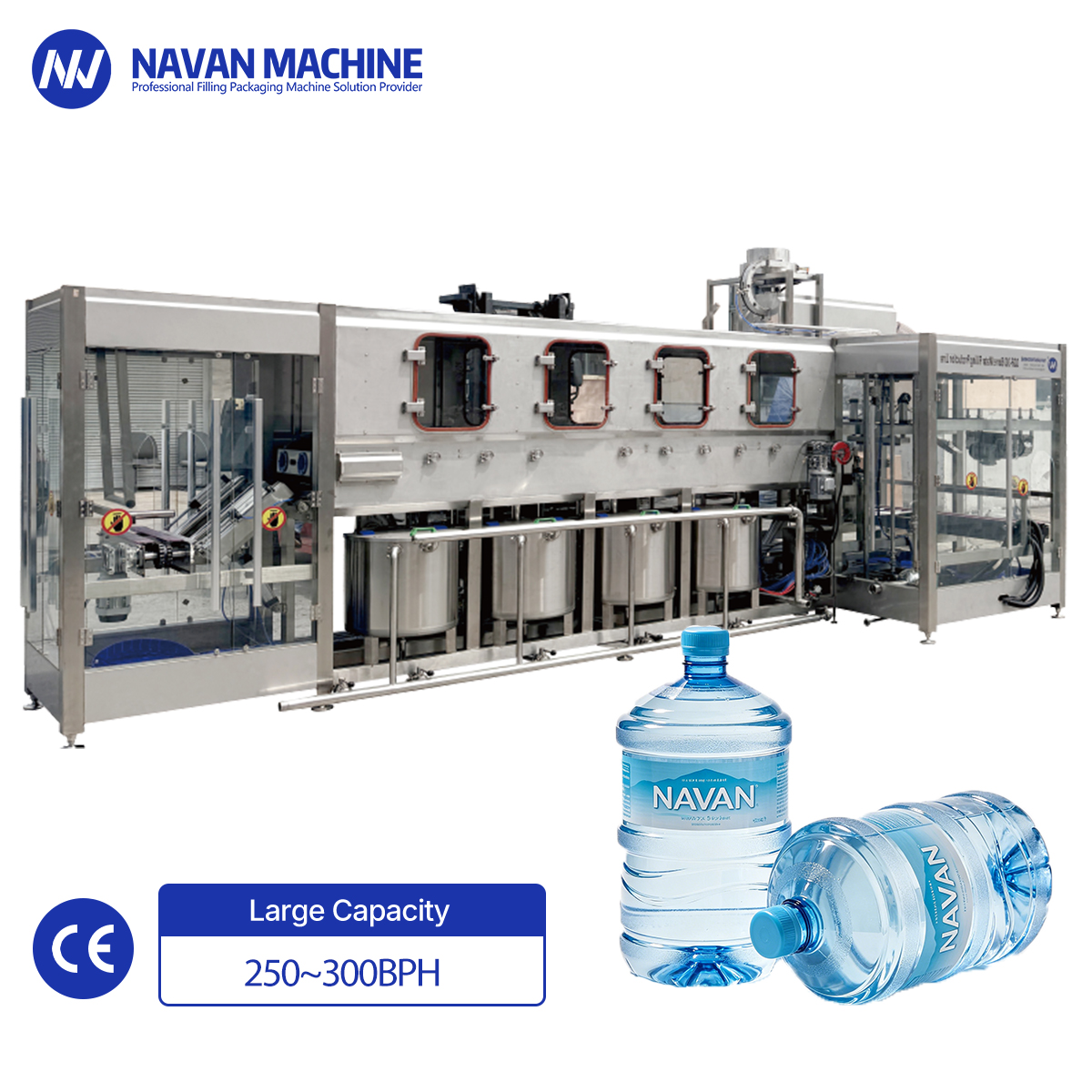
QGF-300 5-Gallon Barrel Water Bottling Line (250-300BPH)
10L-20L Barrel Bottling with Conveyors
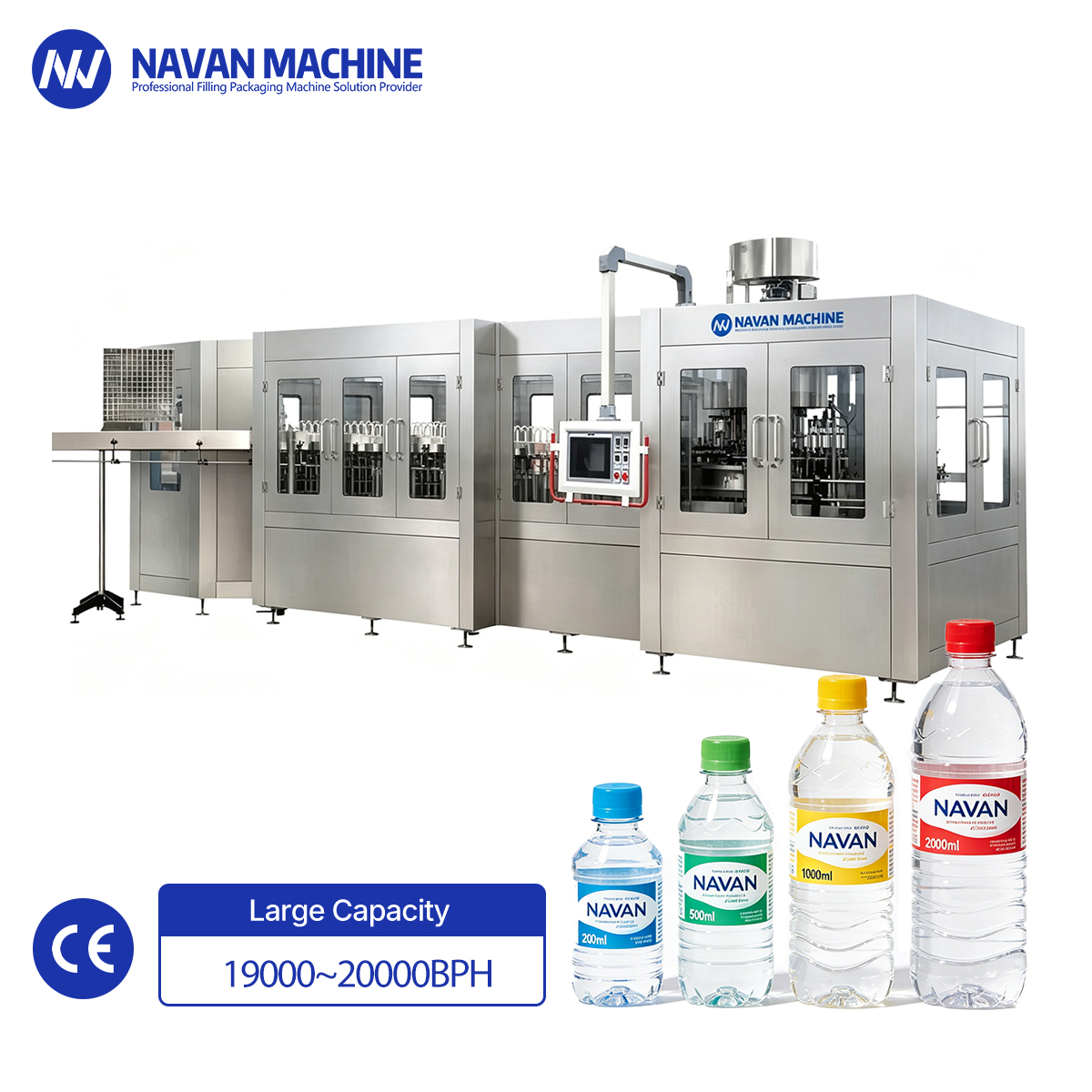
XGF40-40-12 High-Capacity PET Beverage Bottling Line
Combined Rinsing-Filling-Capping System
Engineering Whitepaper: Cold Aseptic Bottling Architecture
In modern beverage manufacturing, the shift from traditional hot filling (85°C–92°C) to PET Cold Aseptic Bottling Technology represents the pinnacle of quality preservation, operational cost efficiency, and packaging sustainability. Designed for heat-sensitive liquids—including 100% natural juices, RTD teas, plant-based protein beverages, dairy drinks, and functional vitamin waters—aseptic filling ensures ambient stability without requiring chemical preservatives or thermal pasteurization after sealing.
1. The Biological Fundamentals of Log-6 Sterilization
To guarantee ambient shelf-life exceeding 12 months for low-acid products (pH > 4.5), an aseptic bottling plant must achieve a minimum Log-6 reduction (99.9999% destruction) of highly resistant bacterial spores, such as Bacillus atrophaeus and Clostridium botulinum. Unlike hot-fill lines that rely on thermal heat retention within heavy-wall PET bottles, cold aseptic filling sterilizes the container, closure, and liquid separately before executing the filling operation inside a sterile chamber.
VHP Dry Sterilization
Vaporized Hydrogen Peroxide (VHP) is injected at controlled temperatures into bottle preforms or blown bottles, rapidly penetrating microbial cell walls while minimizing water usage.
Wet PAA Rinsing
Peracetic Acid (PAA) chemical rinsing at 45°C to 55°C followed by sterile water flushing ensures complete microbiological destruction for high-speed linear lines.
Positive-Pressure Isolators
Continuous HEPA/ULPA filtration maintains Class 100 (ISO 5) positive sterile air pressure, preventing airborne contaminants from invading the filling valve area.
Engineering Comparison: Aseptic vs. Hot-Fill Technology
Selecting the correct technology requires a deep analysis of operational expenditure (OPEX), container design flexibility, and product sensory integrity. Below is an engineering comparison matrix:
| Performance Metrics | Cold Aseptic Filling Line | Hot-Fill Line (85°C-92°C) | Retort Autoclave System |
|---|---|---|---|
| Organoleptic / Nutrient Quality | Maximum (98%+ Vitamin retention) | Moderate thermal degradation | High thermal loss & flavor shift |
| PET Bottle Weight (500ml) | 14.0g – 18.0g (Lightweight) | 24.0g – 28.0g (Vacuum-ribbed) | Requires Glass / Metal Cans |
| Sterilization Method | VHP / PAA Chemical + Sterile Water | Product heat thermal hold | High pressure thermal steam hold |
| Microbiological Standard | Log-6 Spore Kill (Commercial Aseptic) | Log-4 / Acid Tolerant Mold | Log-6 Spore Kill |
| Energy Consumption (kWh/1k bph) | Low (No continuous liquid heating) | High (Thermal boilers required) | Very High (Steam autoclave cycle) |
| Filling Valve Mechanism | Non-contact Electromagnetic Flow Meter | Mechanical Gravity / Vacuum Valve | Piston / Mechanical Level Valve |
Future Procurement Trends in Aseptic Packaging (2025–2035)
As global beverage manufacturers navigate tightening environmental regulations and rising raw material costs, the procurement landscape for aseptic bottling machinery is evolving rapidly. Key technological directions include:
1. Preform Aseptic Sterilization
Shifting decontamination from blown PET bottles to compact preforms dramatically cuts chemical consumption by over 60% and eliminates water usage in bottle rinsing. Preform sterilizers utilize high-intensity UV-C combined with hot dry VHP before stretch blow molding.
2. AI-Driven Smart Clean-in-Place (CIP/SIP)
Next-generation CE-certified lines integrate optical conductivity sensors and turbidity meters to optimize lye and acid flush cycles automatically. This reduces CIP downtime from 120 minutes down to 45 minutes while assuring absolute sterility.
3. High-Flexibility Multi-Liquid Monoblocks
Bottlers require lines capable of switching seamlessly between carbonated aseptic drinks (CSD), still juices with fruit pulps, and viscous plant milks. Servo-controlled magnetic flow valves accommodate dual-phase liquid dosing dynamically.
CE Certification & International Sanitary Compliance
Exporting machinery to Europe, North America, and high-regulatory international markets demands strict adherence to safety and hygienic engineering. Equipment engineered by Zhangjiagang Osnib Machine Co., Ltd. incorporates full compliance architecture:
- EU Machinery Directive 2006/42/EC: Comprehensive dual-channel safety interlocks, light curtains, emergency stop relays, and CE-marked safety PLC modules.
- EHEDG & 3-A Sanitary Guidelines: Contact zones engineered using AISI 316L electro-polished stainless steel with surface roughness $Ra \le 0.4 \mu m$, eliminating dead pockets where bacteria can harbor.
- Pressure Equipment Directive (PED 2014/68/EU): Pressure vessels, CIP heating tanks, and sterile air buffer reservoirs tested and certified under EU pressure vessel standards.
- Electrical Safety (2014/35/EU & 2014/30/EU): Schneider / Siemens automation components built to IP65 / NEMA 4X washdown standards.
Why Partner with Zhangjiagang Osnib Machine Co., Ltd.
Located in Zhangjiagang City, Jiangsu Province—China’s premier beverage packaging machinery manufacturing hub—Osnib Machine brings together over 15 years of turnkey project execution expertise.
TÜV Rheinland Onsite Verified
Independently audited production facilities, engineering software standards, and quality management systems (ISO 9001).
Global Service Hubs
Direct after-sales service centers in Russia (Goryachy Klyuch) and Africa (Kigali, Rwanda) provide rapid technician dispatch, commissioning, and spare parts delivery.
End-to-End Turnkey Scope
From raw water RO treatment and PET preform blowing to aseptic filling, OPP/Sleeve labeling, shrink bundling, and robotic palletizing.
Frequently Asked Technical Questions (FAQ)
How is Log-6 spore kill rate verified during commissioning on-site?
What is the residual chemical limit in filled PET bottles and how is it tested?
Can a single aseptic filling line handle both PET bottles and Glass containers?
What are your minimum order quantities (MOQ) and customization services?
What trade terms and after-sales support mechanisms do you provide?
Transform Your Beverage Production Efficiency
Partner with a TÜV Rheinland-verified engineering leader. Contact our technical sales engineering team today to receive a customized 3D line design layout, mass balance calculation, and itemized commercial quote.
Direct Engineering Consultation: info@osnibmachine.com | Response time < 2 hours
