Featured Machinery & Production Lines
Precision-engineered CE-certified filling, blowing, and packaging machinery designed for high throughput, hygiene, and low TCO.
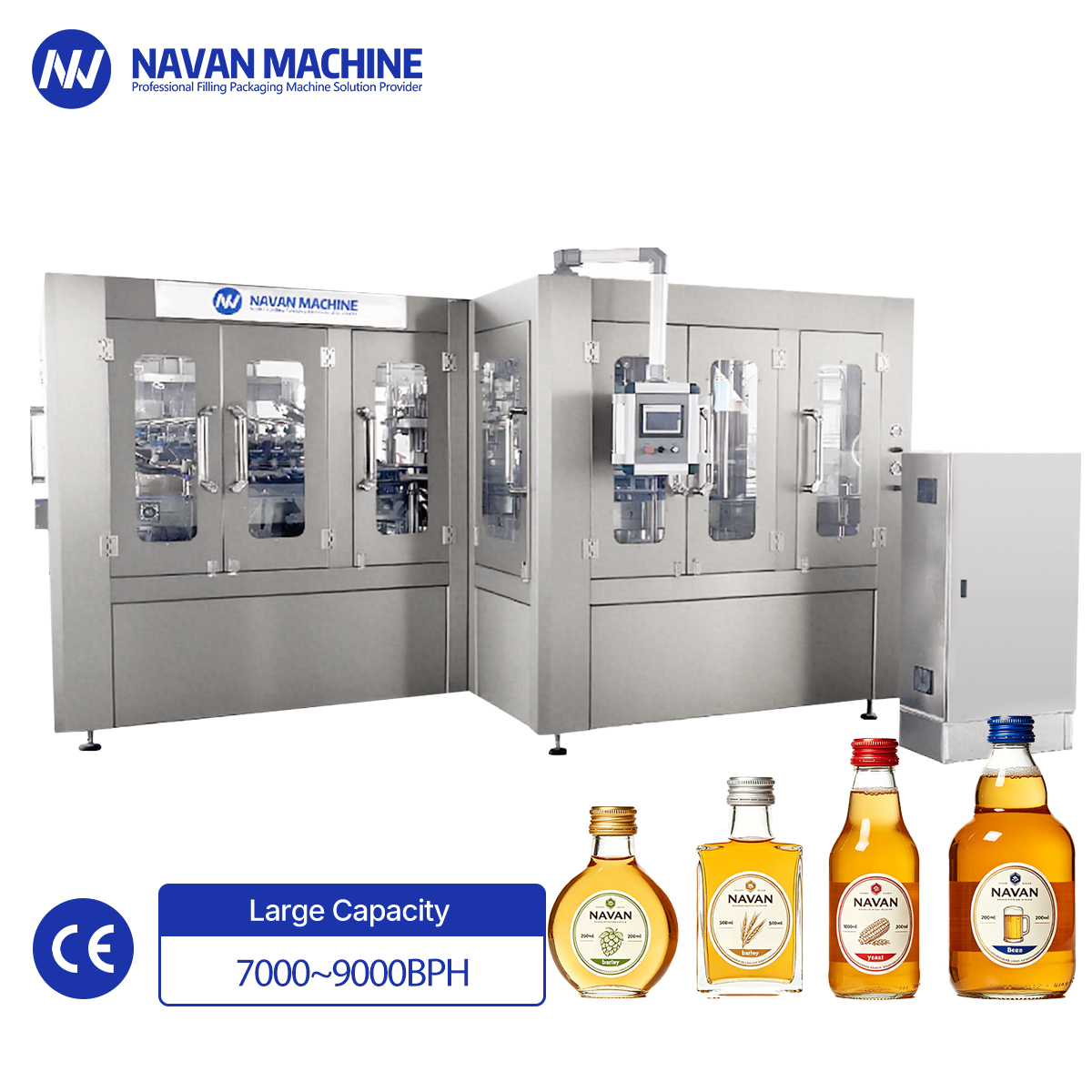

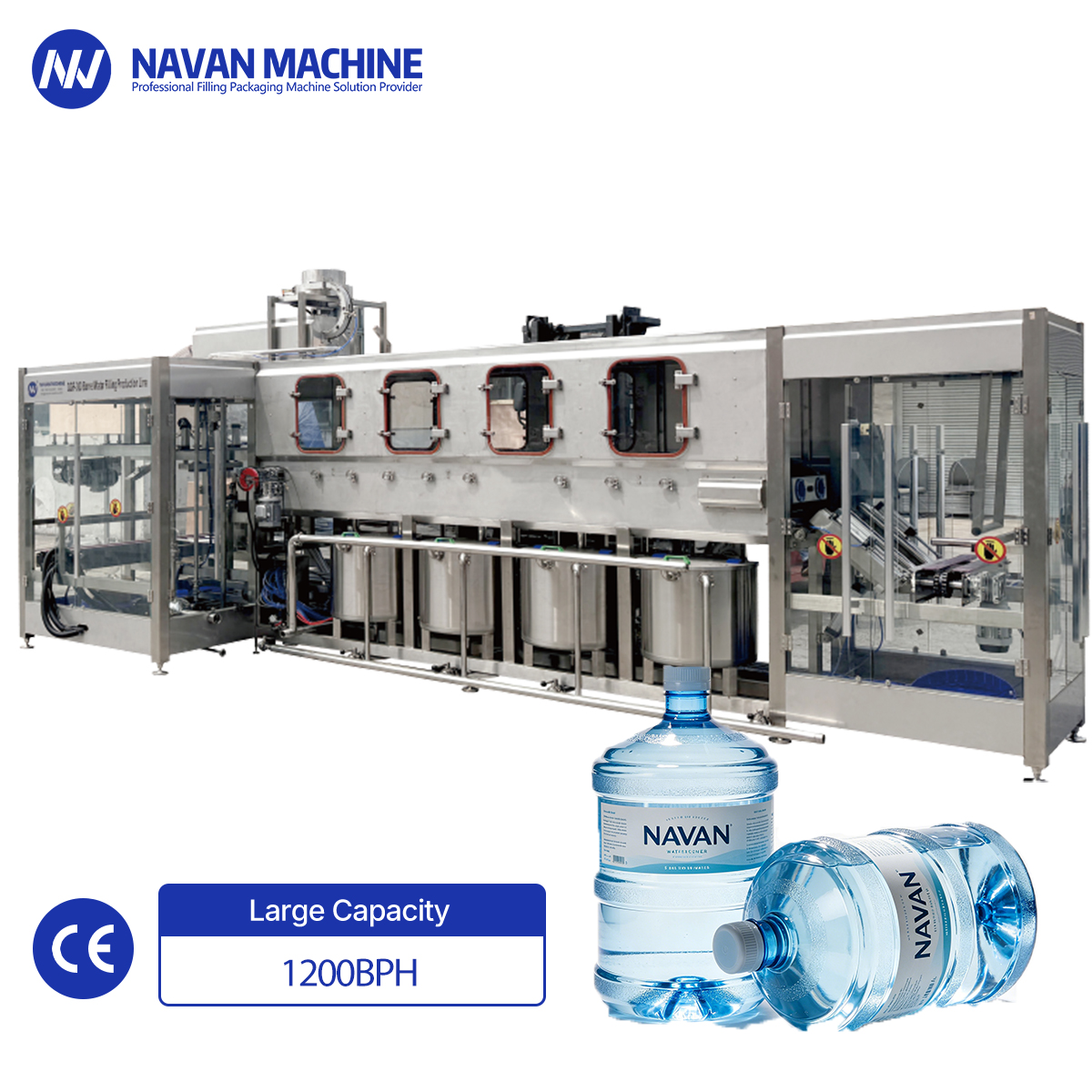

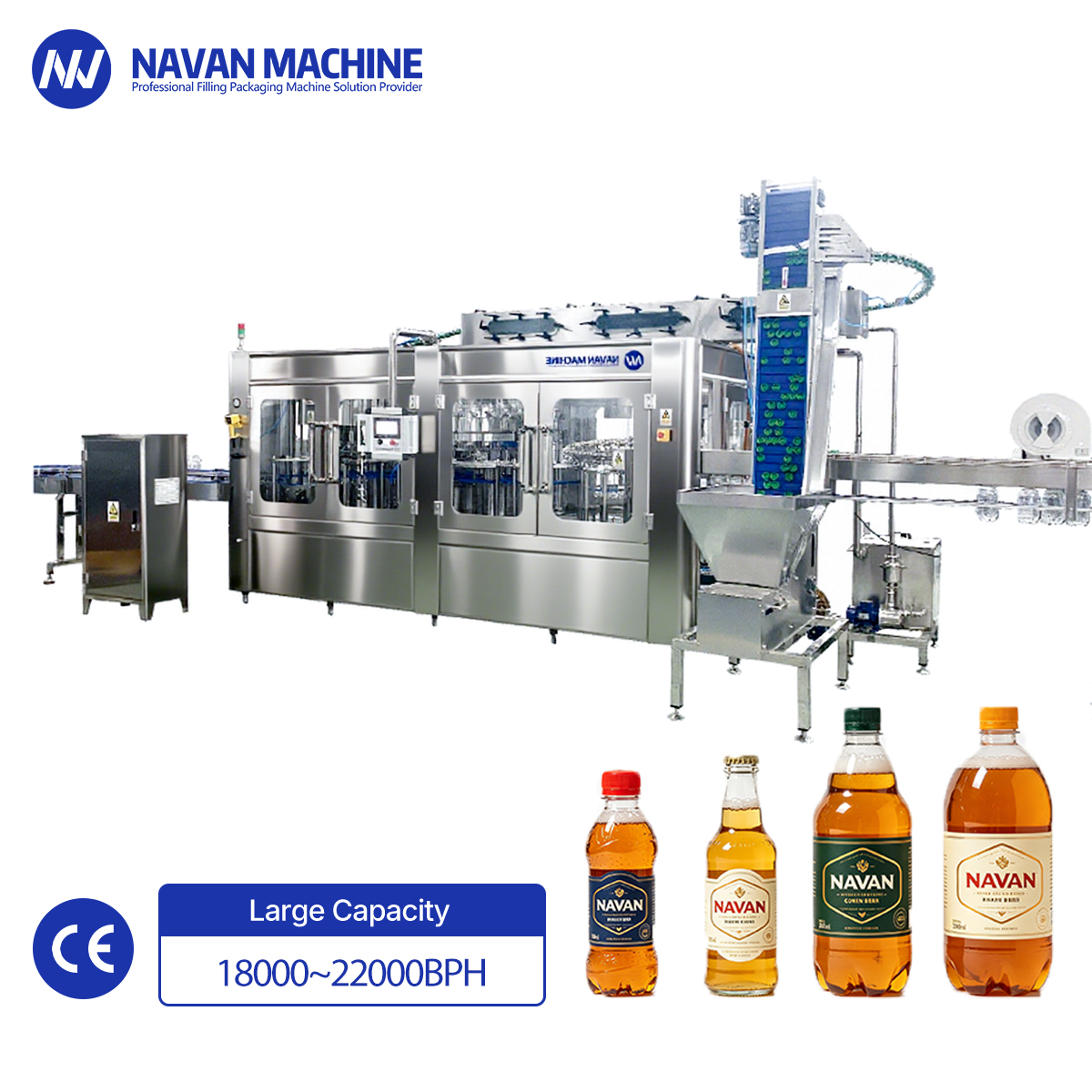


Technical Whitepaper: Architectural Standards for CE Certified Bottled Water Lines
In modern liquid packaging operations, selecting a certified, high-efficiency bottled water production line requires an in-depth understanding of mechanical integration, hygienic engineering, and European regulatory compliance. As a recognized industry leader headquartered in Zhangjiagang, Jiangsu, Zhangjiagang Osnib Machine Co., Ltd. builds complete turnkey bottling lines optimized for water treatment, PET bottle blowing, automatic rinsing-filling-capping, labeling, and end-of-line palletizing.
Achieving compliance under the European Conformity (CE) standard—specifically Machinery Directive 2006/42/EC, Low Voltage Directive 2014/35/EU, and Electromagnetic Compatibility (EMC) Directive 2014/30/EU—demands rigorous engineering integrity. Our production lines combine sanitary mechanical construction, robust PLC automation systems (Siemens/Mitsubishi), and energy-efficient pneumatics (Festo/SMC) to provide continuous operation under heavy industrial workloads.
1. Rinsing-Filling-Capping Monoblock Architecture
The core of any modern water or beverage plant is the 3-in-1 rotary monoblock. Integrating the bottle rinser, liquid filler, and cap sealer into a single synchronized drive system minimizes contamination risks, reduces footprint by up to 35%, and eliminates bottleneck transfers between standalone units.
- Rotary Sanitary Rinser: Features stainless steel spring-loaded mechanical clamps that grip bottle necks without damaging PET preform threads. High-efficiency spraying nozzles deliver internal wash cycles using ozonated or sterile water.
- Gravity & Isobaric Filling Valves: Engineered from AISI 316L stainless steel with ultra-smooth electro-polished internal channels (Ra < 0.4 µm) to prevent microbiological accumulation. High-precision mechanical valve lifters ensure drip-free filling accuracy within ±2mm liquid level variance.
- Magnetic Constant-Torque Capper: Controls capping torque precisely to ensure hermetic seals without over-tightening or stripping cap threads. Compatible with plastic screw caps, crown caps, and sport caps.
2. Integrated Water Pre-Treatment & Reverse Osmosis (RO)
A bottled water line is only as reliable as its source water purification system. Osnib turnkey systems integrate multi-stage industrial water treatment units customized according to raw water quality analysis (TDS, hardness, microbiological profile):
- Quartz Sand & Active Carbon Filtration: Removes suspended solids, color, odor, and residual chlorine.
- Dual-Pass Reverse Osmosis (RO): High-pressure DOW/Hydranautics membrane arrays remove dissolved salts, heavy metals, and organic contaminants to produce pure spring-grade drinking water.
- Sterilization & Ozonation: Employs UV ultraviolet sterilizers followed by ozone generator contact towers, ensuring extended shelf life without chemical residues.
Engineering Comparison: Conventional vs. Modern CE-Certified Bottling Lines
Evaluating capital machinery investments requires comparing operational KPIs across energy consumption, changeover flexibility, hygiene ratings, and automation level. Below is an engineering comparison matrix:
| Performance Indicator | Legacy Modular Lines | Osnib CE-Certified Monoblock | Operational Impact / ROI |
|---|---|---|---|
| Sanitary Standard | Open conveyance; manual washdowns | Class 100 HEPA Air Housing + CIP Ready | 99.9% reduction in bio-burden contamination |
| Filling Valve Precision | Mechanical float valve (±5ml) | Electro-pneumatic / Isobaric (±1.5ml) | Eliminates product giveaway; high yield |
| Bottle Format Changeover | 2 - 4 hours (manual adjustments) | < 30 minutes (toolless quick-change parts) | Increases daily plant uptime by ~15% |
| Power & Air Consumption | Standard asynchronous motors | Full Servo-Driven Air Recovery System | Reduces energy costs by up to 28% annually |
| Compliance Certification | Basic regional certification | CE Directive 2006/42/EC + TÜV Onsite Verified | Seamless import clearance & regulatory safety |
Future Procurement Trends in Water & Beverage Bottling Machinery (2025–2030)
As global environmental regulations enforce plastics reduction and energy conservation, global procurement managers must evaluate filling equipment through the lens of long-term sustainable efficiency. Below are the definitive technological trends transforming the liquid packaging machinery sector:
1. PET Lightweighting & rPET Integration
Modern PET blowing equipment must handle lightened preforms (down to 9.5g for 500ml bottles) and up to 100% recycled PET (rPET). Advanced stretch blow moulding units require multi-zone infrared heating ovens and precise temperature control to handle recycled polymer variations without bottle wall deformation.
2. High-Pressure Air Recovery Systems
Blowing PET bottles typically requires high-pressure air (up to 3.5 MPa). Next-generation blow moulding systems incorporate air recycling valves that capture exhausted high-pressure air and feed it back into the low-pressure pneumatic system (0.8 MPa) for machine operations, slashing air compressor energy draw by 20–30%.
3. Smart IoT Diagnostics & Predictive Maintenance
Procurement strategies are shifting from reactive hardware purchasing to smart machine ecosystems. Machine-mounted sensors monitor filling valve vibration, bearing temperatures, and pneumatic pressures. Real-time telemetry sends automated alerts to maintenance teams before part failures occur, minimizing unplanned downtime.
4. Aseptic & Ultra-Clean Non-Thermal Filling
Consumers increasingly demand preservative-free natural water, flavored electrolyte drinks, and milk-based beverages. Aseptic filling tech isolates the liquid pathway inside sterile chamber enclosures exposed to hydrogen peroxide (H2O2) vapor sterilization, allowing room-temperature shelf stability without thermal degradation.
Why Partner with Zhangjiagang Osnib Machine Co., Ltd.?
As an onsite-verified manufacturer by TÜV Rheinland with an international footprint spanning over 40 countries, Zhangjiagang Osnib Machine Co., Ltd. bridges the gap between premium European engineering standards and competitive Chinese manufacturing agility.
Core Enterprise Advantages
- Integrated Direct Manufacturer: We are not a trading intermediary. Engineering designers, CNC machining workshops, assembly technicians, and international sales consultants operate under one unified management system in Zhangjiagang, ensuring specs are executed without miscommunication.
- Custom OEM & ODM Capability: From initial bottle concept development and 3D mold prototyping to complete workshop CAD layout planning, we tailor line specs to match local plant dimensions, electrical power grids (e.g., 380V 50Hz, 415V 50Hz, 220V 60Hz), and liquid viscosities.
- Localized Global Service Centers: To eliminate long international support delays, Osnib maintains overseas branch operations and engineer hubs in key export regions:
- Global Headquarters: Zhangjiagang City, Jiangsu Province, China (Lead Engineering & Operations)
- Russia Branch Office: Goryachy Klyuch, Krasnodar Krai, Russia (Serving Russian-speaking CIS markets)
- Africa Regional Branch: Kigali, Rwanda (Dedicated on-site technical setup & field service across East & West Africa)
- Comprehensive Turnkey Execution: We deliver full line integration covering Water Pre-treatment -> PET Blow Moulding -> Rinser-Filler-Capping Monoblock -> Conveyance -> OPP Hot-Melt or Shrink Sleeve Labeler -> PE Film Shrink Wrapper / Carton Packer -> Automatic Robot Palletizer.
Frequently Asked Questions (FAQ) for Bottling Machinery Buyers
- Electrical Power: Stable 3-phase industrial power supply (customized to your local voltage, e.g., 380V/415V/220V).
- Pneumatic Air Supply: High-pressure air compressor system (3.0-3.5 MPa for PET bottle blowing) and low-pressure air (0.7-0.8 MPa for pneumatic valves and packaging equipment).
- Raw Water Supply & Drainage: Dedicated water feed inlet for treatment systems and floor drain channels around rinsing zones.
Ready to Build Your Turnkey Bottling Plant?
Consult directly with our senior application engineers. Receive detailed machinery specifications, CAD workshop layout drawings, and transparent cost estimates tailored to your project goals.
Inquire Now