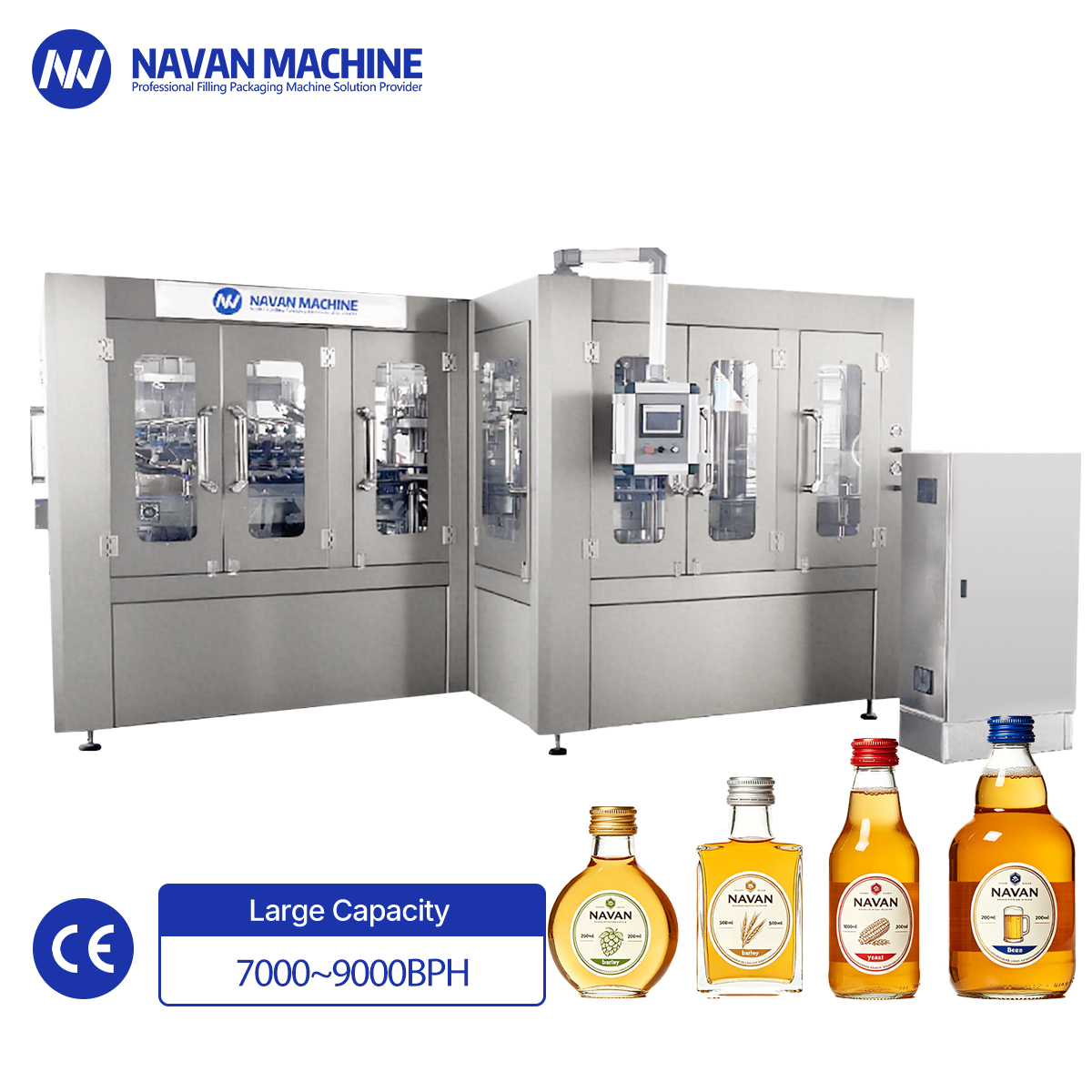
Direct Manufacturer Showcase
Featured Industrial Liquid Bottling & Aseptic Packaging Machinery
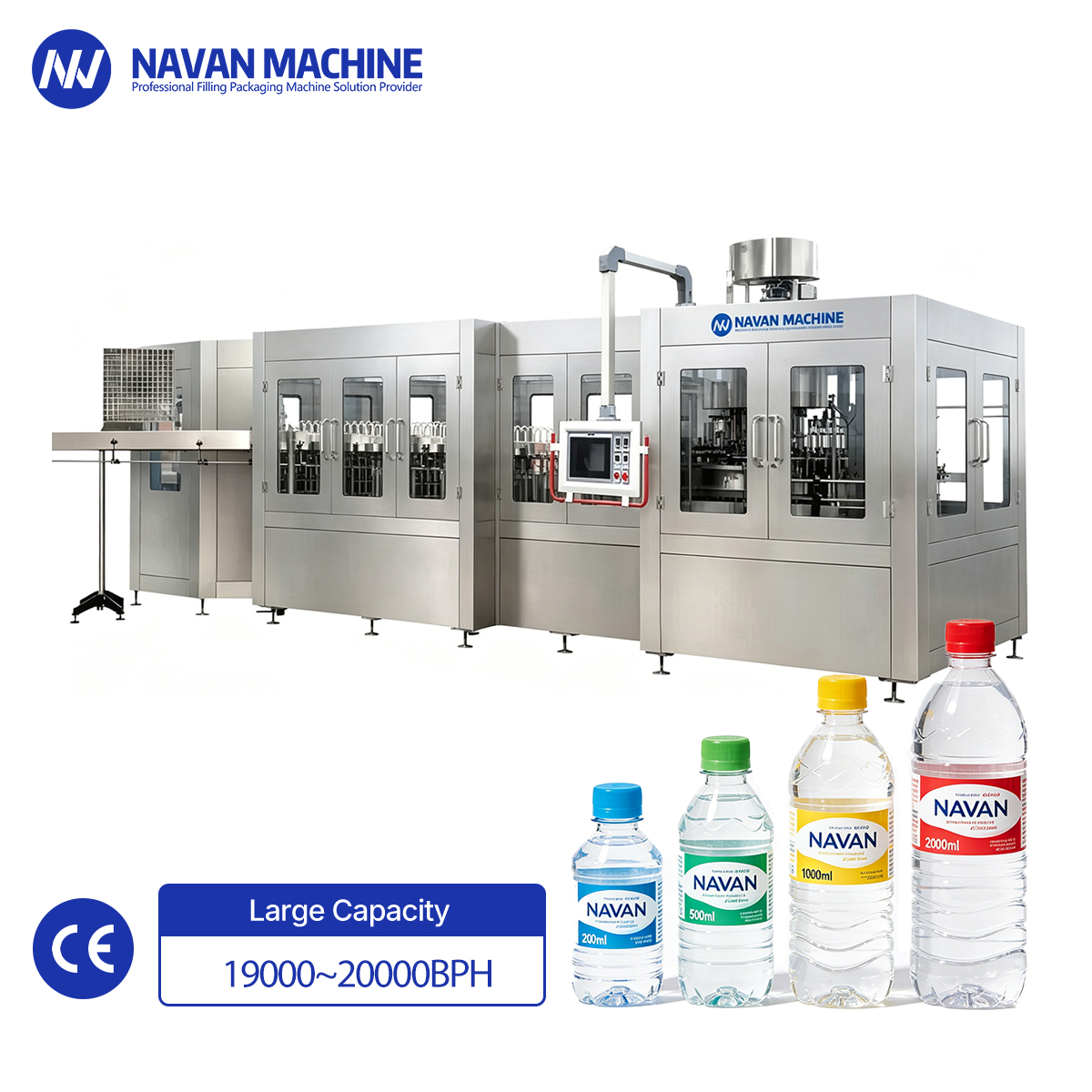
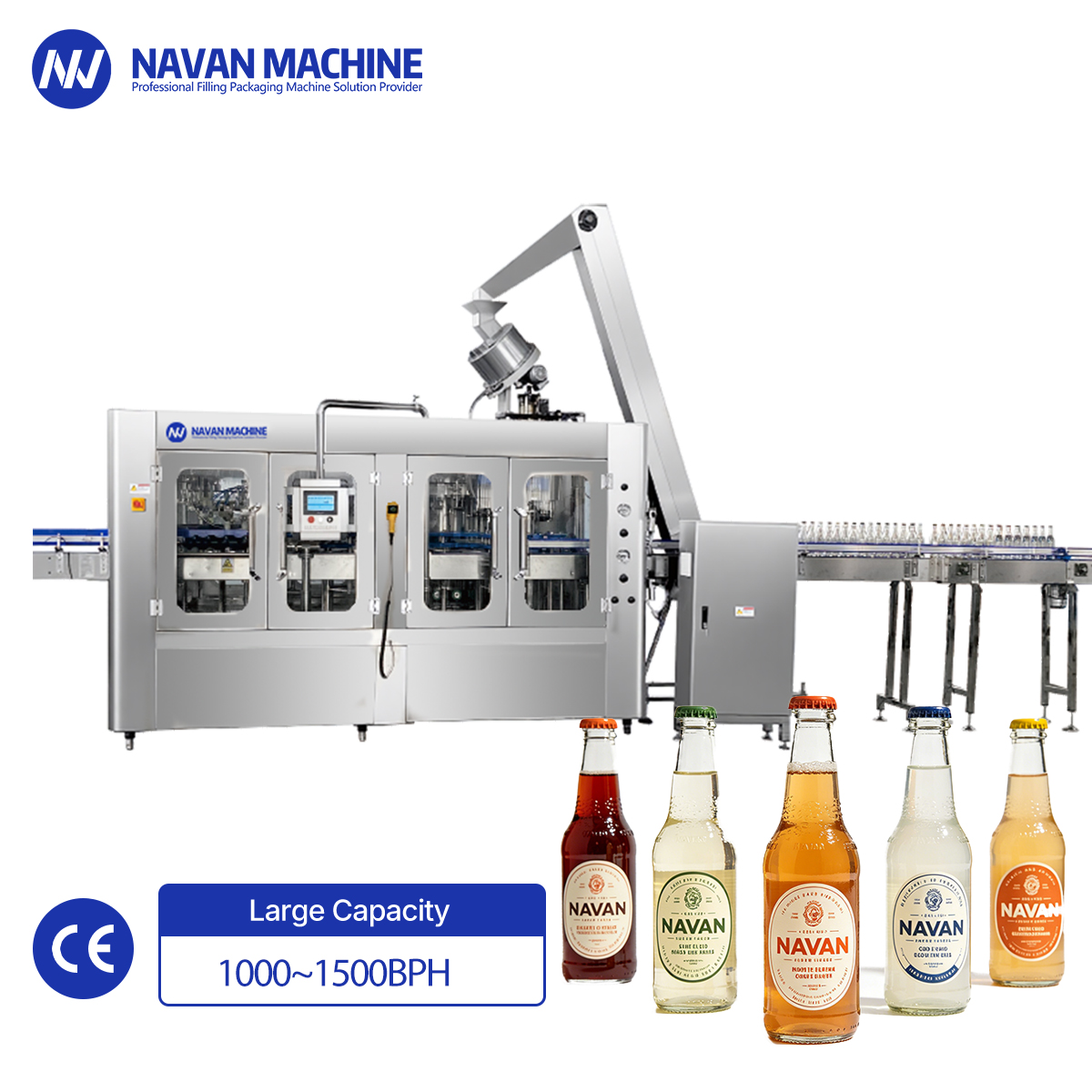
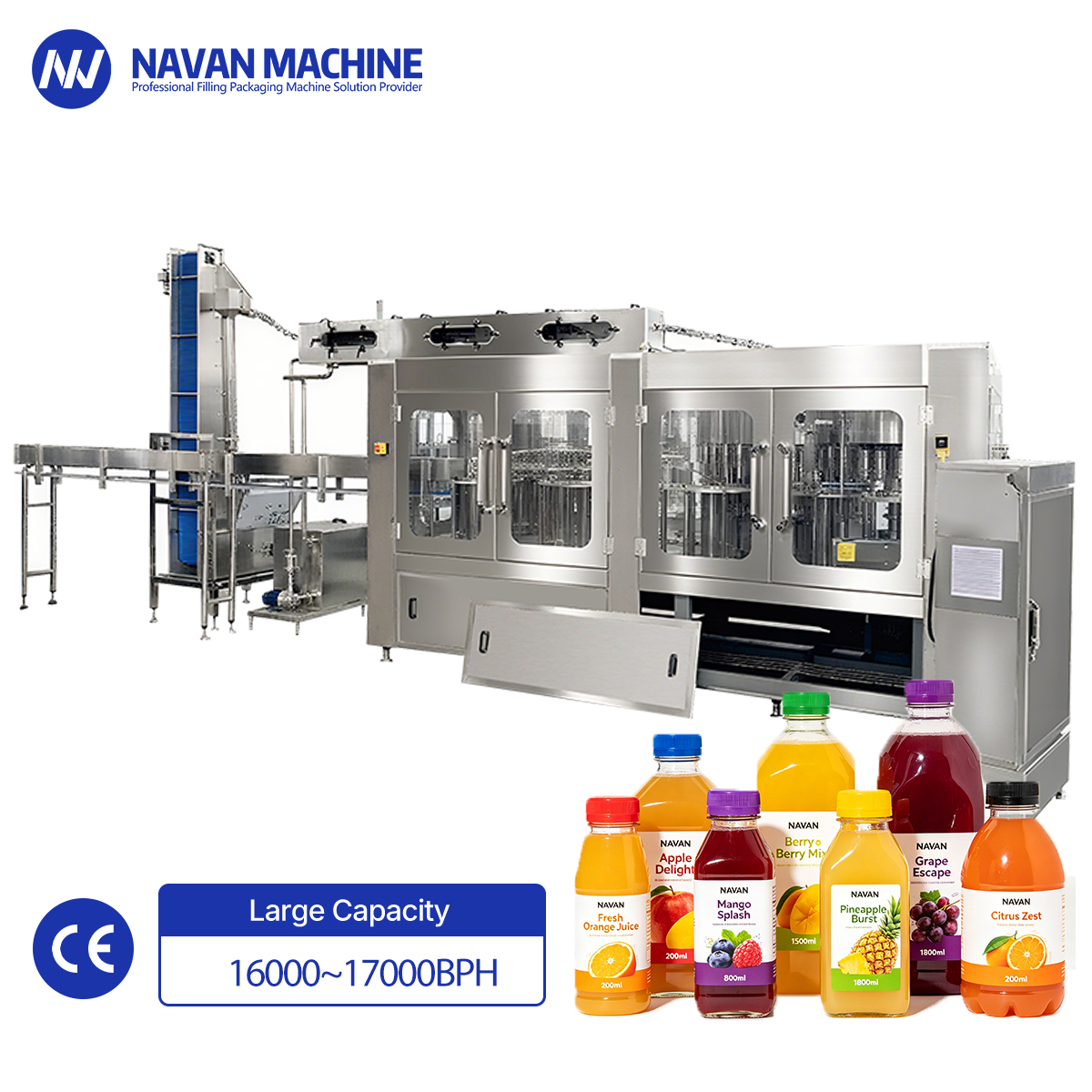
Explore our top-performing CE-certified filling platforms, customized for high-speed glass, PET plastic bottle, and 5-gallon container production environments worldwide.


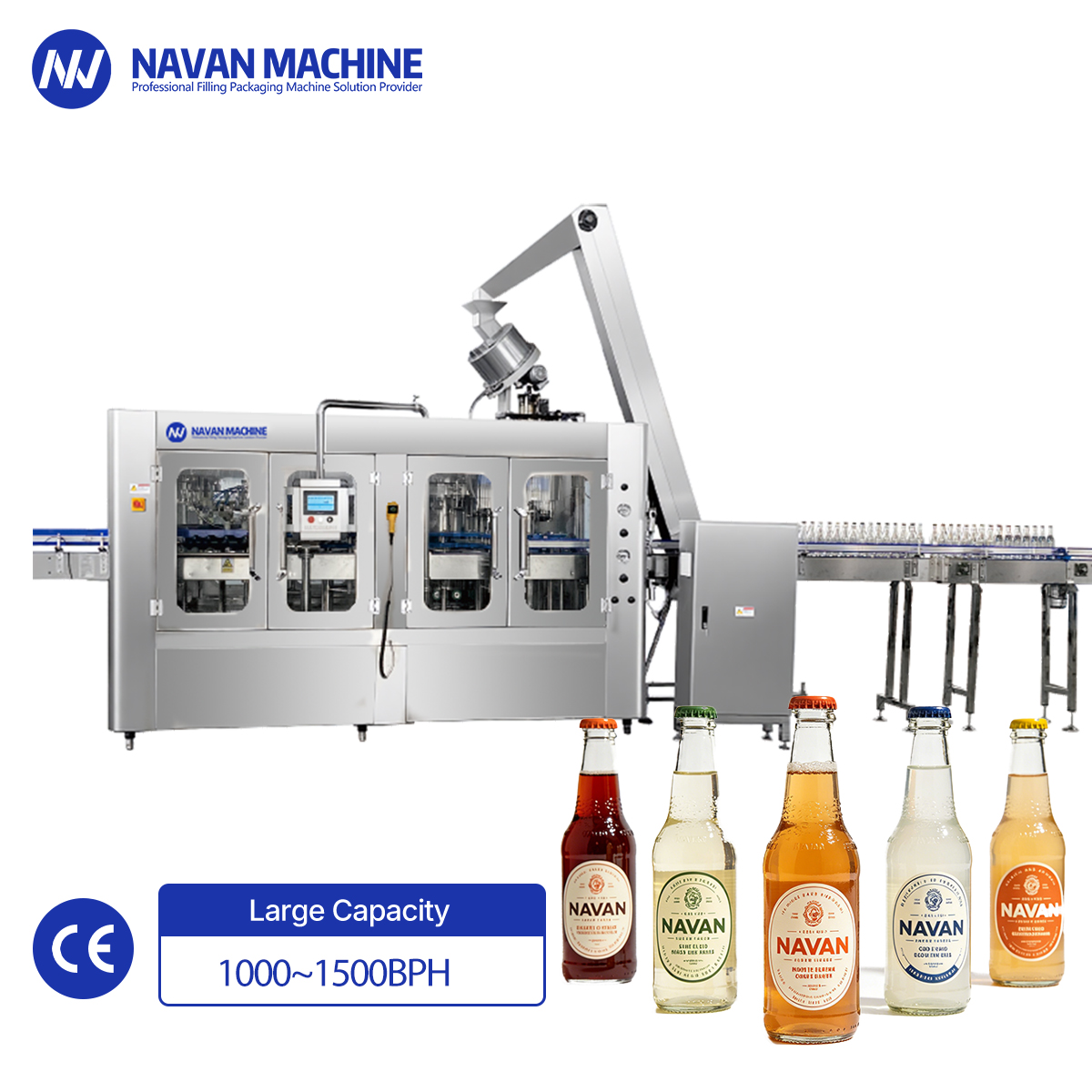
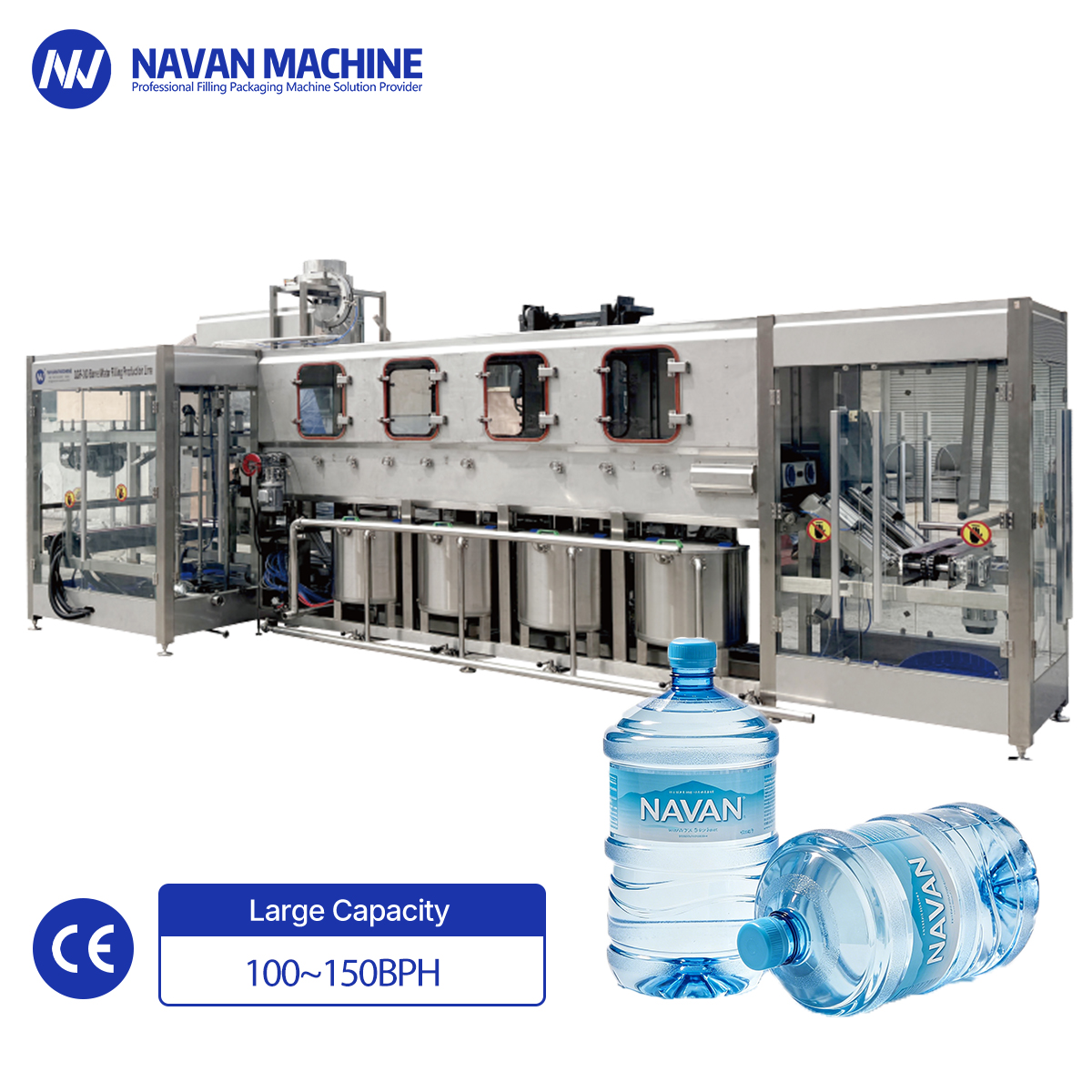
Technical White Paper
The Paradigm Shift in Aseptic Cold Filling Packaging Technology
Why modern beverage giants and OEM co-packers are migrating from traditional hot-fill and retort systems to ambient aseptic cold filling systems engineered in China.
Thermal Preservation vs. Sensory Quality
Traditional hot-filling subjects liquids to high thermal stress (85°C–92°C for 15–30 seconds), causing degradation of heat-sensitive nutrients, vitamins, and natural aromatics. Aseptic cold filling sterilizes product UHT instantaneously and packages at ambient temperature (20°C–25°C), preserving natural flavor profiles and nutritional integrity.
Lightweight Container Economics
Hot-fill bottles require thick-walled PET containers (typically 28g–35g for 500ml) with structural vacuum panels to avoid thermal collapse. Aseptic lines enable ultra-lightweight bottle blowing (down to 13g–16g for 500ml), eliminating vacuum panels and yielding up to 35% raw material resin savings annually.
Log 5 to Log 6 Sterilization Rigor
China's premier aseptic filling machinery manufacturers utilize dual-sterilization protocols combining Vaporized Hydrogen Peroxide (VHP) or Peracetic Acid (PAA) chemical sterilization with sterile water rinsing, guaranteeing a minimum spore inactivation rate of Log 5 (99.999%) to Log 6 (99.9999%) for low-acid beverage safety.
Core System Architecture of Modern Chinese Aseptic Lines
An industrial-grade aseptic liquid packaging line is an integrated biomechatronic matrix. The system maintains an unbroken sterile barrier across bottle blowing, preform decontamination, liquid UHT processing, filling, and capping inside an ISO 5 (Class 100) cleanroom isolator enclosure.
1. Container Sterilization Unit
Dry VHP or wet PAA injection nozzles penetrate preforms or blown bottles, ensuring 100% surface coverage before sterile air purging.
2. Electromagnetic Flow Valve
Non-contact magnetic flowmeters or electronic load-cell weighing valves ensure micro-filling accuracy (±0.2%) without mechanical valve-to-container friction.
3. Class 100 Aseptic Isolator
HEPA-filtered positive pressure airflow keeps ambient microbes out of the filling zone, equipped with automated CIP (Clean-in-Place) and SIP (Sterilize-in-Place).
Strategic Intelligence
Future Procurement & Technology Trends (2025–2030)
Key technological trajectories shaping global beverage equipment purchasing decisions over the next decade.
1. Dry Sterilization & Zero Water Waste
Traditional wet aseptic lines consume thousands of liters of sterile water hourly for rinsing chemical residue. Future procurement heavily favors Dry VHP (Vaporized Hydrogen Peroxide) and E-beam (Electron Beam) sterilization, cutting water usage by up to 90% and reducing effluent discharge.
2. Smart Digital Twin & Predictive Maintenance
Next-gen Chinese aseptic lines integrate IoT telemetry and Siemens/Schneider PLC artificial intelligence modules. Machine operators monitor real-time valve wear, gasket degradation, and microbiological isolation status via cloud diagnostics, preventing unexpected line stoppages.
3. High-Flexibility Multi-Liquid Lines
Dedicated single-purpose filling lines are being replaced by hybrid platforms capable of seamless switching between low-acid dairy, high-acid fruit juices, plant-based protein beverages, and functional electrolyte drinks with automatic recipe changeover in under 30 minutes.
4. rPET & Biodegradable Resin Compatibility
Global ESG mandates require equipment to handle 100% rPET (recycled PET) preforms and bio-based resins (PLA). Chinese manufacturers lead in optimizing blowing heating profiles and neck-handling clamps to handle minor resin variations without bottle deformity.
Filling Technology Selection Matrix for B2B Importers
| Technology Type | Filling Temp. | Target Products | Bottle Weight (500ml) | Preservative Needed? | Shelf Life |
|---|---|---|---|---|---|
| Aseptic Cold Filling | 20°C – 25°C | Tea, Juice, Dairy, Plant-Protein, Water | 13g – 16g (Ultra Light) | No | 12 – 18 Months |
| Hot Filling | 85°C – 92°C | High-Acid Juices, Tea Drinks | 28g – 35g (Heavy Wall) | No | 9 – 12 Months |
| Isobaric Filling | 4°C – 8°C | Carbonated Soft Drinks, Beer, Soda | 18g – 24g (Pressure Rated) | Optional | 6 – 12 Months |
| Normal Gravity Filling | Ambient | Purified Water, Mineral Water | 11g – 14g (Standard) | No | 12 – 24 Months |
Factory Strength & E-E-A-T Profile
Why Engineering Teams Select Zhangjiagang Osnib Machine Co., Ltd.
Headquartered in China's beverage packaging equipment hub (Zhangjiagang City, Jiangsu Province), Osnib Machine combines direct manufacturing power with global turnkey execution.
15+
Years Engineering Expertise
40+
Countries Exported
3
Global Service Hubs
100%
TÜV Onsite Verified
Third-Party TÜV & CE Credentials
Osnib Machine has successfully passed rigorous onsite supplier assessments conducted by TÜV Rheinland. All core monoblocks, blow molders, and sleeve labelers carry official CE certification compliance for smooth customs clearance and European/American regulatory approval.
Direct Global Service Network
To minimize operational downtime for international clients, Osnib Machine maintains dedicated overseas offices and technical support branches in Goryachy Klyuch, Russia (serving CIS region) and Kigali, Rwanda (serving Africa regional markets), supplemented by 7x24 online engineer assistance.
End-to-End Turnkey Execution
We provide complete factory engineering solutions: from industrial water treatment (RO systems) and preform blowing to custom bottle design, label printing layout, CIP hygiene systems, automated film shrink packing, and robotic palletizing lines.
Buyer Knowledge Base
Aseptic Filling Machine Procurement FAQ
Detailed answers to critical engineering, validation, commercial, and operational questions asked by beverage factory owners.
What is the difference between Aseptic Cold Filling and Hot Filling lines?
Hot filling heats the beverage liquid to 85°C–92°C and fills it into heavy-walled PET bottles that utilize heat residue to sterilize the interior container surface. Aseptic cold filling sterilizes the product instantaneously via UHT, sterilizes lightweight bottles separately with VHP/PAA sterilant, and fills at ambient room temperature (20°C). Aseptic filling preserves flavor/nutrients significantly better and reduces PET bottle plastic weight by up to 35%.
What microbial reduction level (Log cycle) do Osnib aseptic filling machines guarantee?
Osnib Machine aseptic cold filling systems achieve Log 5 (99.999%) reduction for high-acid beverages and up to Log 6 (99.9999%) reduction for critical low-acid liquid products (such as pure milk, dairy drinks, and coconut water) using dual dry VHP or wet PAA container decontamination protocols validated under EHEDG standards.
Can one filling line process both carbonated drinks and still juices?
Yes. Osnib manufactures multi-functional combo monoblocks equipped with dual-mode electronic filling valves. By switching pressure control modes in the PLC software, the line can alternate between isobaric counter-pressure filling (for CSD/sparkling water) and normal pressure/gravity aseptic filling (for still juices or tea).
What after-sales installation and commissioning support is provided overseas?
Osnib Machine dispatches senior mechanical and electrical engineers directly to your plant site for equipment placement, piping connection, CIP/SIP cycle validation, and operator training. Furthermore, our local branch teams in Russia and Rwanda provide rapid regional technical dispatch and spare parts delivery.
What standard international trade and payment terms does Osnib Machine accept?
We support standard global trade terms including FOB, CFR, CIF, EXW, CIP, FCA, DDP, and DDU. Accepted payment methods include T/T (Telegraphic Transfer), irrevocable L/C at sight, Western Union, Credit Card, and major international currencies (USD, EUR, GBP, CNY, etc.).
How do you assist with custom bottle design and workshop plant layout?
Before production starts, our CAD/3D engineering department provides free 3D bottle structure design, preform weight calculation, label artwork template sizing, and complete 2D/3D plant layout drawings tailored to your factory floor dimensions, drainage channels, and electrical points.
What is the typical lead time for a complete turnkey aseptic bottling plant?
Standard standalone machines (such as sleeve labelers or blow molders) take 25–35 days. Complete turnkey bottling lines (combining water treatment, blowing, filling monoblock, labeling, shrink wrapping, and palletizing) are manufactured, assembled, and factory-tested (FAT) within 60–90 days from technical drawing confirmation.
Accelerate Your Bottling Line Project with China's Leading Engineers
Send us your container samples, liquid viscosity specifications, and target output per hour (BPH). Our engineering consultation team will send you a tailored line layout and transparent factory quote within 24 hours.
