Flagship Industrial Beer & Beverage Bottling Machinery
Certified turn-key filling monoblocks, high-speed blow molders, and automated packaging systems engineered in Zhangjiagang, China.

Navan 200ml-2000ml Fully Automatic PET Bottle Beer Bottling Unit with Mechanical PLC
View Specifications →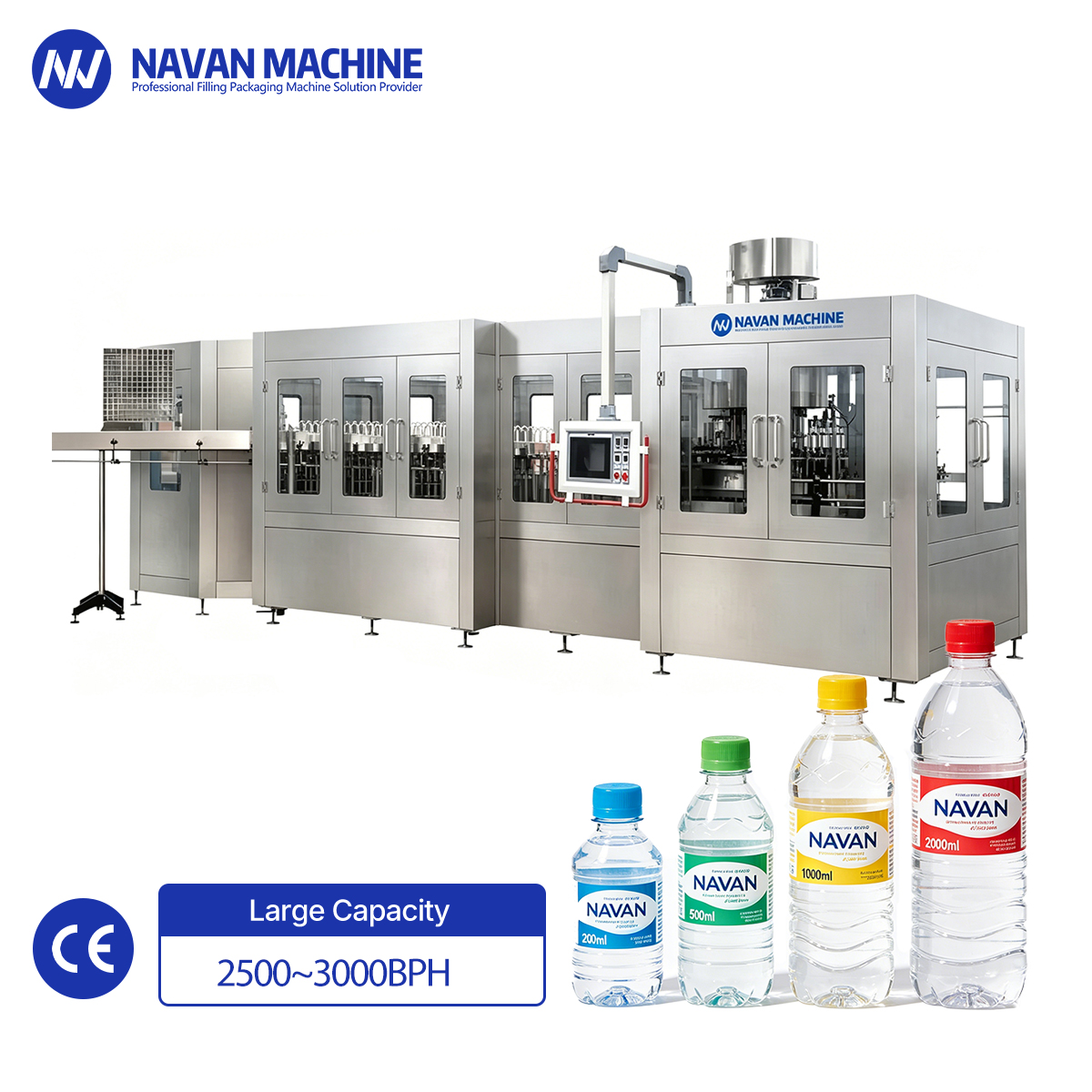
XGF8-8-4 Full Automatic Mechanical Water & Liquid Filling Machine 2500-3000BPH Turnkey Line
View Specifications →
NAVAN PET Automatic PLC Controlled 6-Cavity Servo Motor Plastic Bottle Stretch Blow Machine
View Specifications →
Navan XGF18-18-6 Automatic Mineral Water & Beverage Bottling Machine Turnkey Solution
View Specifications →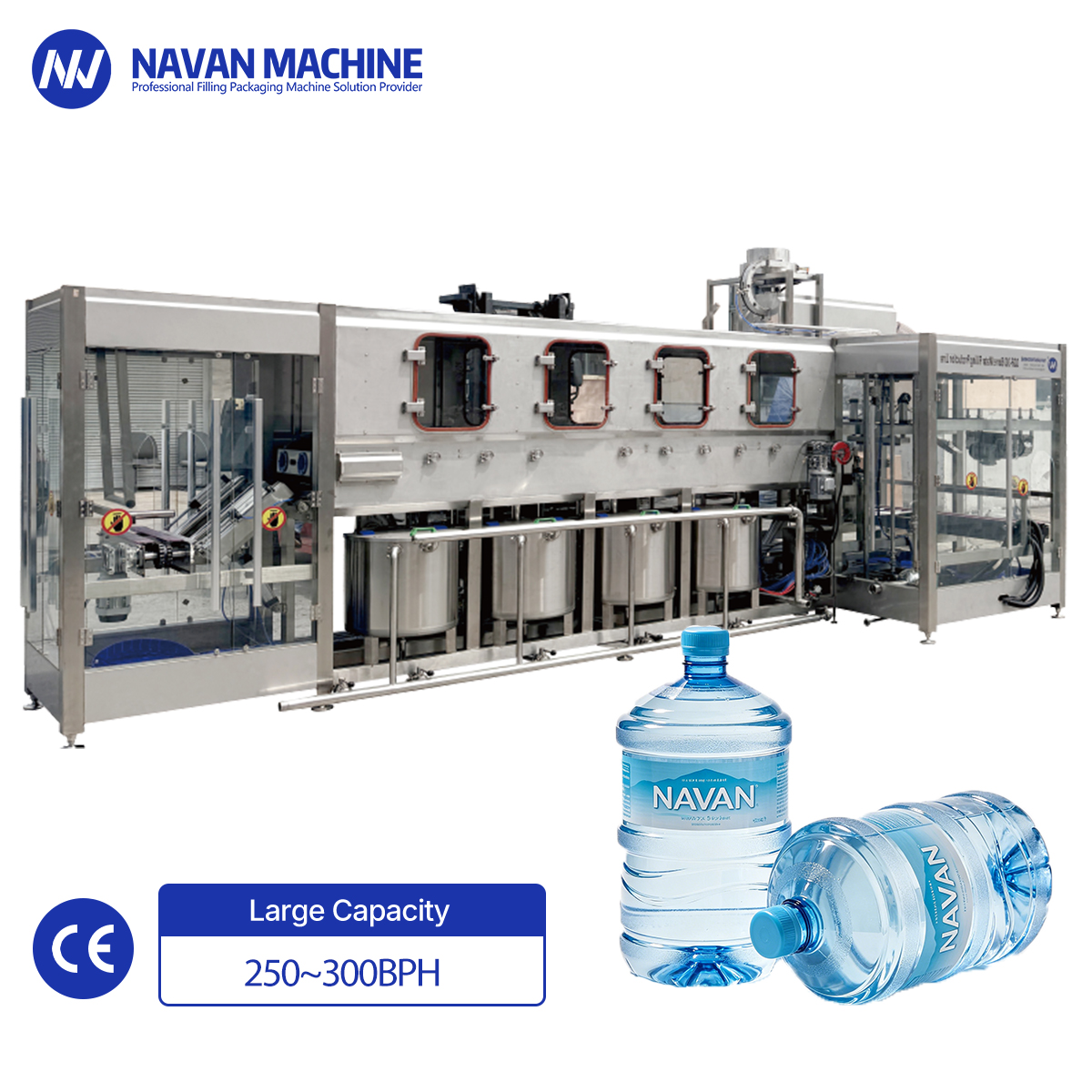
Automatic 5 Gallon Water Filling & Capping Machine QGF-300 250-300BPH 10L-20L Barrel Line
View Specifications →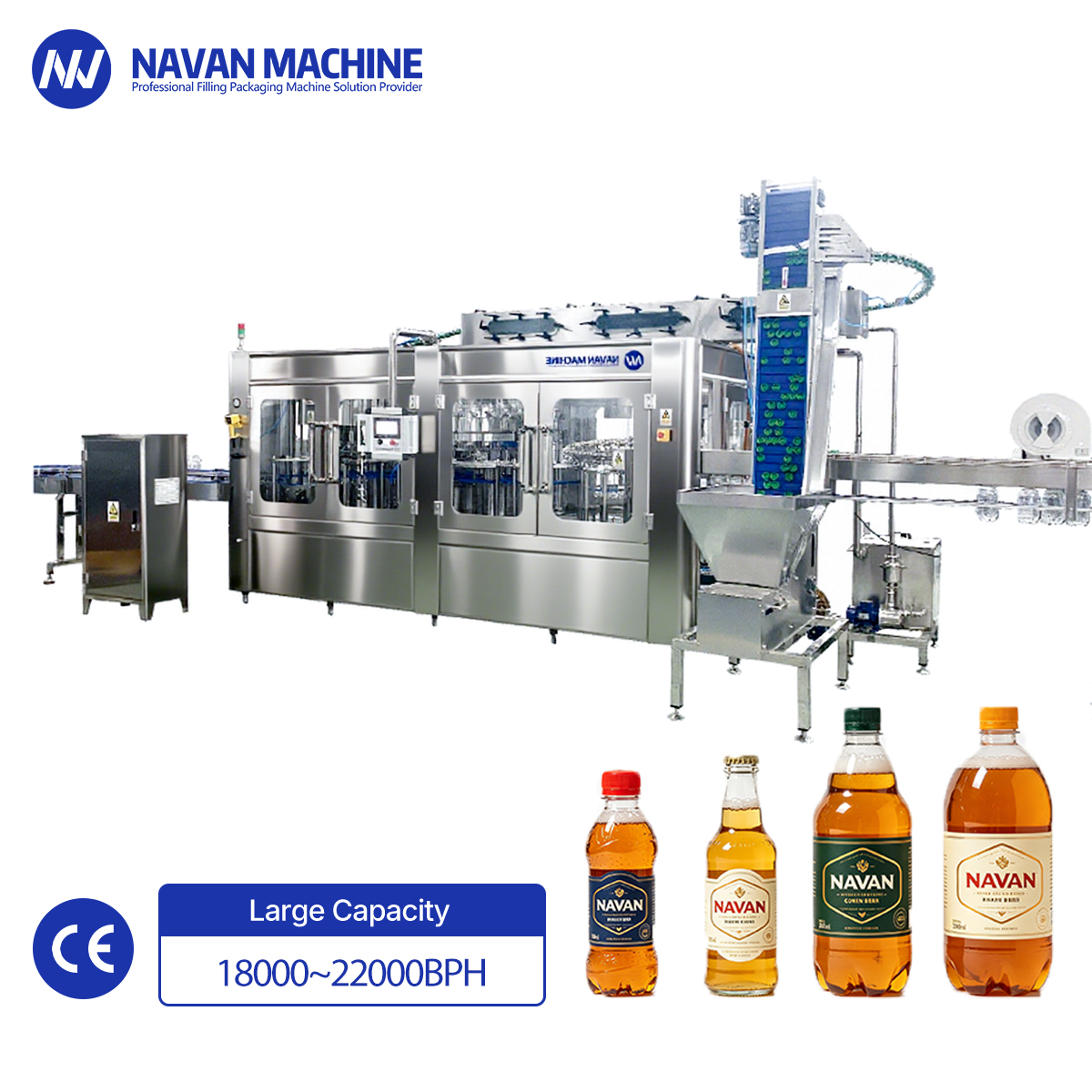
Fully Automatic PLC Controlled PET Bottle Beer Bottling Line 18000-22000BPH Isobaric System
View Specifications →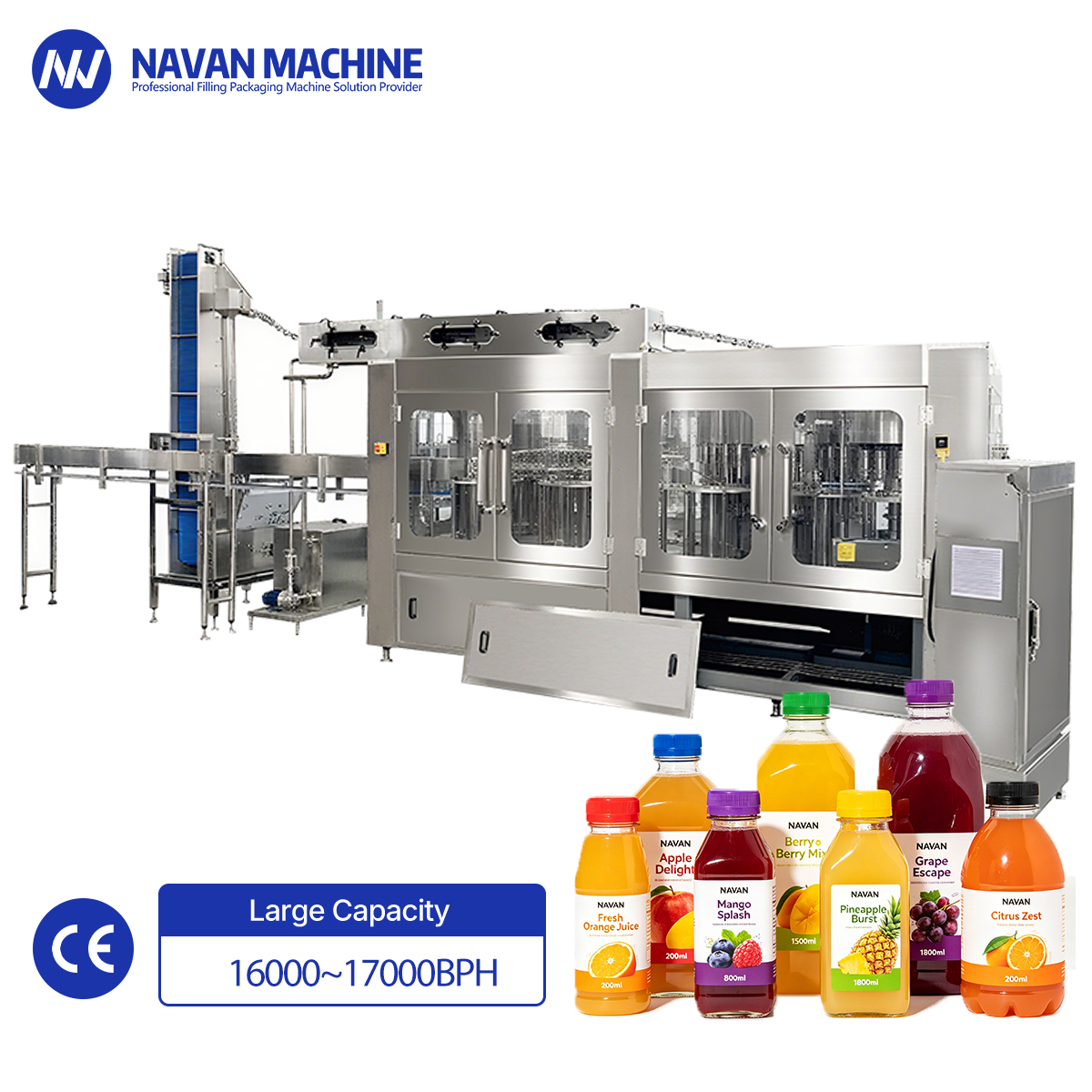
Complete Solution Plastic PET Bottle Drink Filling Machinery Fruit Juice & Beverage Production Plant
View Specifications →
34000-36000BPH Automatic Bottling Plant XGF60-60-15 Filling Machine with 60 Nozzles
View Specifications →Engineering Whitepaper: Technical Dynamics of Modern Beer Bottling Lines
Understanding Isobaric Counter-Pressure, Oxygen Pick-up Mitigation, and Microbiological Stability
Bottling beer presents one of the most complex engineering challenges in the liquid packaging sector. Unlike still water or non-carbonated soft drinks, beer is an organically active, light-sensitive, highly foaming beverage containing dissolved carbon dioxide ($\text{CO}_2$) typically ranging from 4.5 g/L to 6.5 g/L. The preservation of organoleptic properties, foam head stability, and extended shelf-life requires equipment engineered to eliminate oxidation while maintaining absolute pressure equilibrium during high-speed transfer.
As leading China Best Beer Bottling Line Manufacturers & Exporters, manufacturers located in Zhangjiagang—such as Zhangjiagang Osnib Machine Co., Ltd. (NAVAN Machinery)—have advanced isobaric counter-pressure filling technology to match European standards while offering substantial Total Cost of Ownership (TCO) advantages.
Double Pre-Evacuation Vacuum Technology
To prevent oxidative staling (caused by reactions involving trans-2-nonenal), our advanced beer filling monoblocks utilize a double pre-evacuation vacuum protocol prior to filling. In the first phase, a ring-liquid vacuum pump evacuates ambient air from the bottle to 90% vacuum (-0.09 MPa). The container is then purged with high-purity $\text{CO}_2$ gas before undergoing a second vacuum evacuation. This process drops residual atmospheric oxygen levels to under 0.15%, ensuring Total Pick-up Oxygen (TPO) remains strictly below 30 ppb (parts per billion).
Isobaric Counter-Pressure Equilibrium
Isobaric filling operates on Dalton's and Henry's laws of gas solubility. The filling valve pressurizes the bottle with $\text{CO}_2$ until the gas pressure inside the container matches the pressure inside the filling bowl (typically 0.25–0.40 MPa depending on beer temperature, usually kept at 2–4°C). Once pressure equilibrium is established, a mechanical or electro-pneumatic spring opens the fluid valve. Liquid flows along the interior bottle wall via a liquid distribution cone, smoothly displacing the gas back into the tank without causing turbulence or $\text{CO}_2$ breakout.
Technical Comparison: Glass Bottle vs. PET Bottle vs. Aluminum Can Filling Systems
Selecting the optimal container packaging architecture for medium to large-scale breweries
| Engineering Metric | Glass Bottle Isobaric Line | PET Bottle Isobaric Line | Aluminum Can Seaming Line |
|---|---|---|---|
| Mechanical Resistance | High (Tolerates 1.5–2.0 MPa internal spike) | Medium (Requires rigid neck holding) | Low structural pre-fill wall strength |
| Vacuum Evacuation Protocol | Double Pre-Evacuation Vacuum (-0.09 MPa) | Single Pre-Evacuation or $\text{CO}_2$ Purging | $\text{CO}_2$ / Liquid Nitrogen ($\text{LN}_2$) Injection |
| TPO (Total Oxygen Pickup) | < 15 – 30 ppb (Lowest oxidation) | < 30 – 50 ppb | < 30 – 60 ppb |
| Capping / Closure System | Crown Cork / Swing Top / Ring Pull | Plastic Screw Cap / Sport Cap | Double Seamer (202 / 206 End) |
| Thermal Sanitization | Tunnel Pasteurizer (60–65°C / 15-25 PU) | Flash Pasteurizer + Sterile Cold Fill | Tunnel Pasteurizer or Flash Pasteurizer |
| Operating Speeds (BPH) | 3,000 – 36,000 BPH | 2,000 – 24,000 BPH | 3,000 – 48,000 CPH |
Why Global Breweries Trust Zhangjiagang Osnib Machine Co., Ltd.
Deep expertise, TÜV Rheinland verified manufacturing infrastructure, and dedicated global service hubs
Certified Engineering Rigor
Zhangjiagang Osnib Machine Co., Ltd. operates a specialized manufacturing facility spanning 3,000 m² in Leyu Town, Zhangjiagang City. Passed on-site audit by TÜV Rheinland, our filling monoblocks, blow molders, and packaging systems strictly comply with European Safety Standards carrying official CE Certifications.
Factory Direct & Customization
Unlike third-party trading agencies, Osnib integrates R&D, structural engineering, precision CNC machining, and international trade under one roof. We support complete OEM/ODM modifications, custom bottle shape designing, preform neck molding, and PLC HMI language localization.
Localized International Service
To eliminate deployment delays, Osnib maintains localized service teams and regional offices in Goryachy Klyuch, Krasnodar Krai (Russia) and Kigali (Rwanda), delivering rapid on-site commissioning, operator training, and 7x24 remote technical assistance across 40+ countries.
Future Procurement Trends in Beer Bottling Machinery
Strategic purchasing guidelines for brewery plant managers preparing for Industry 4.0 integration
1. Transition to Electro-Pneumatic Flowmeter Filling
Traditional mechanical cam filling valves use vent tubes to determine bottle liquid level. Future procurement is rapidly shifting toward electro-pneumatic valves governed by electromagnetic induction flowmeters or mass flowmeters. Electro-pneumatic filling eliminates internal vent tubes, minimizing mechanical contact with the beer, reducing CIP cycle complexity, and allowing instant volumetric recipe switching via touchscreen HMI without manual mechanical adjustment.
2. Smart Energy & CO2 Recovery Systems
With industrial gas prices rising globally, sustainable breweries prioritize equipment fitted with closed-loop $\text{CO}_2$ collection manifolds. Modern monoblocks harvest purging gas during bottle pressurization cycles and re-route it to secondary pre-purging stages, reducing net carbon dioxide consumption by up to 35% per 1,000 bottles filled.
3. Ultra-Hygiene & Automatic CIP Integration
Preventing cross-contamination of wild yeast strain variants (e.g., *Saccharomyces diastaticus*) and beer spoilage bacteria (*Lactobacillus*, *Pediococcus*) demands 3-stage or 5-stage automated Clean-In-Place (CIP) sanitization. Procurement trends demand dummy cup auto-positioning, allowing lye (NaOH) at 80°C and hot water rinsing cycles to flush the filling valves automatically without manual labor intervention.
4. Multi-Format Hybrid Line Compatibility
Modern craft and industrial breweries require agility. Rather than investing in separate dedicated lines, procurement strategies emphasize modular combi-monoblocks capable of quick-changeover handling between glass bottles, PET bottles, and sleek/standard aluminum cans using quick-release starwheels and height-adjustable telescoping turrets.
Technological Evolution & Development Vectors
How China's machinery R&D is transforming global liquid packaging standards
Servo-Driven Capping
Replacing magnetic friction clutch cappers with independent servo motor cappers allows precise torque feedback monitoring ($\pm 0.1\text{ Nm}$), preventing damaged threads or loose closures.
Lightweight PET Barriers
Development of plasma-coated silica ($\text{SiO}_x$) or multilayer co-injection PET preform technology enables PET bottles to achieve 6 to 12 months shelf life for oxygen-sensitive beer.
Aseptic Cold Filling
Integrating HEPA Class 100 laminar flow isolation hood enclosures over the filling room, ensuring sterile bottling of unpasteurized draft beer without heat treatment alteration.
IoT Predictive Maintenance
Integrating vibration sensors and temperature probes on main drive gears to transmit real-time telemetry to cloud servers for predictive bearing maintenance alerts.
Osnib Turnkey Execution Workflow
From initial bottle drawing approval to global on-site commissioning
Sample Analysis
Evaluation of client beer viscosity, target carbonation level ($\text{CO}_2$ concentration), bottle blueprints, and factory floor dimensions.
CAD / 3D Layout
In-house design team generates complete 2D/3D workshop layouts detailing conveyor routing, drainage channels, utility connections, and operator access.
Precision Fabrication
CNC machining of AISI 304/316L stainless steel contact parts, frame assembly, electrical cabinet wiring, and PLC program loading.
FAT & Deployment
Rigorous Factory Acceptance Testing (FAT) with actual beverage trial run prior to export packing, followed by engineer dispatch for worldwide setup.
Frequently Asked Questions (FAQ) for Brewery Buyers
Addressing essential technical, operational, and commercial queries for equipment sourcing
Foaming occurs when dissolved $\text{CO}_2$ breaks out of solution due to sudden pressure drops or high liquid turbulence. Osnib's isobaric filling lines prevent foaming through four critical engineering controls: (1) Maintaining absolute pressure equilibrium between the gas headspace and the bottle; (2) Utilizing curved liquid spreader nozzles that swirl beer down the container wall smoothly; (3) Keeping product temperature strictly between 2°C and 4°C; and (4) Employing a multi-stage slow snifting (pressure relief) exhaust valve that degasses the bottle neck gently before capping.
With our double vacuum pre-evacuation system and high-purity $\text{CO}_2$ purging protocol on glass bottle lines, TPO levels are consistently maintained below 30 ppb (parts per billion), with optimal operating conditions reaching under 15 ppb. On PET bottle lines equipped with high-pressure foaming jetters prior to capping, TPO is held under 35 ppb, preserving fresh hop aroma and preventing premature staling.
We recommend performing a hot water pre-rinse (60°C) immediately after production, followed by an alkaline circulation rinse (2% NaOH at 80°C) for 20 minutes to dissolve organic residue and hop resins. A intermediate warm water flush is executed, followed by an acid sanitization phase (1% Peracetic Acid or Phosphoric acid at ambient temperature) for 15 minutes, concluding with a sterile water rinse. Our automated CIP dummy cups fit over filling nozzles to allow complete bi-directional fluid circulation.
Yes. Osnib isobaric monoblocks are dual-purpose compliant. Since both beer and CSD require counter-pressure filling, the mechanical structure is identical. However, when switching between flavored soft drinks and beer, a comprehensive CIP cycle must be executed to prevent flavor transfer, and seal elastomer materials (EDPM or Viton) are specified to withstand both oil-based flavorings and sanitizing acids.
All complete lines ship with full CE declaration certificates, TÜV Rheinland factory verification reports, ISO9001 quality management verification, electrical schematics in English (conforming to IEC standards), pneumatics piping diagrams, equipment operating manuals, and material trace certificates for all AISI 304 / AISI 316L liquid contact components.
Standard manufacturing lead time for standalone monoblocks is 35 to 45 days. Complete turnkey packaging lines (Blow Molder + Water Treatment + Isobaric Filler + Labeler + Shrink Wrapper + Palletizer) require 60 to 75 days. Upon delivery at the destination port, Osnib engineers arrive on-site within 5 business days, with full mechanical setup, electrical integration, and staff training completed in 14 to 21 calendar days.
Request a Custom Engineering Proposal for Your Brewery
Connect directly with senior packaging technical directors at Zhangjiagang Osnib Machine Co., Ltd. We provide free CAD workshop layout designs, ROI estimations, and customized quotation lists tailored to your target output per hour.
