High-Efficiency Beer & Beverage Filling Solutions
Direct from China's leading OEM bottling engineering hub. Certified high-speed automatic monoblocks for glass, PET, and aluminum containers.

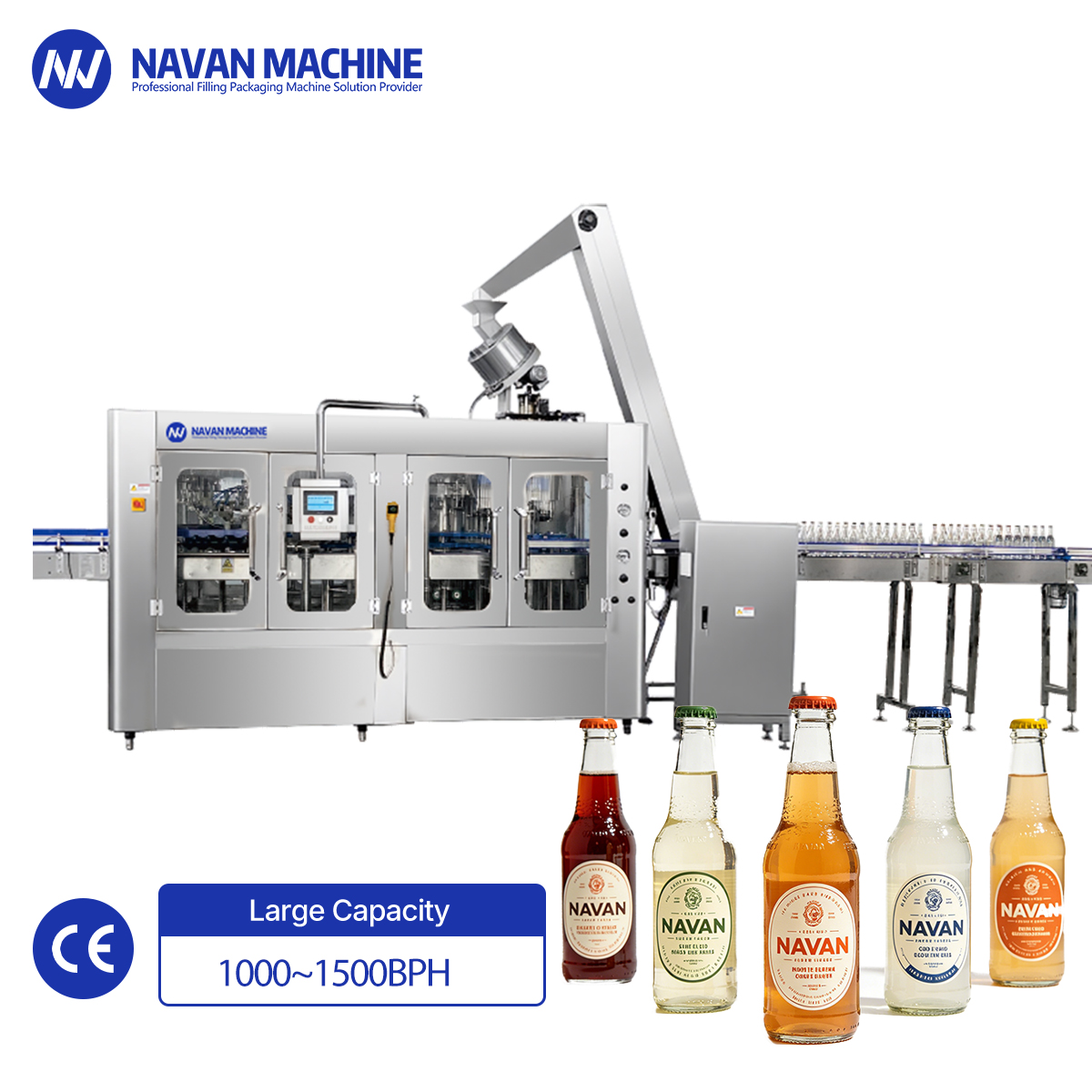


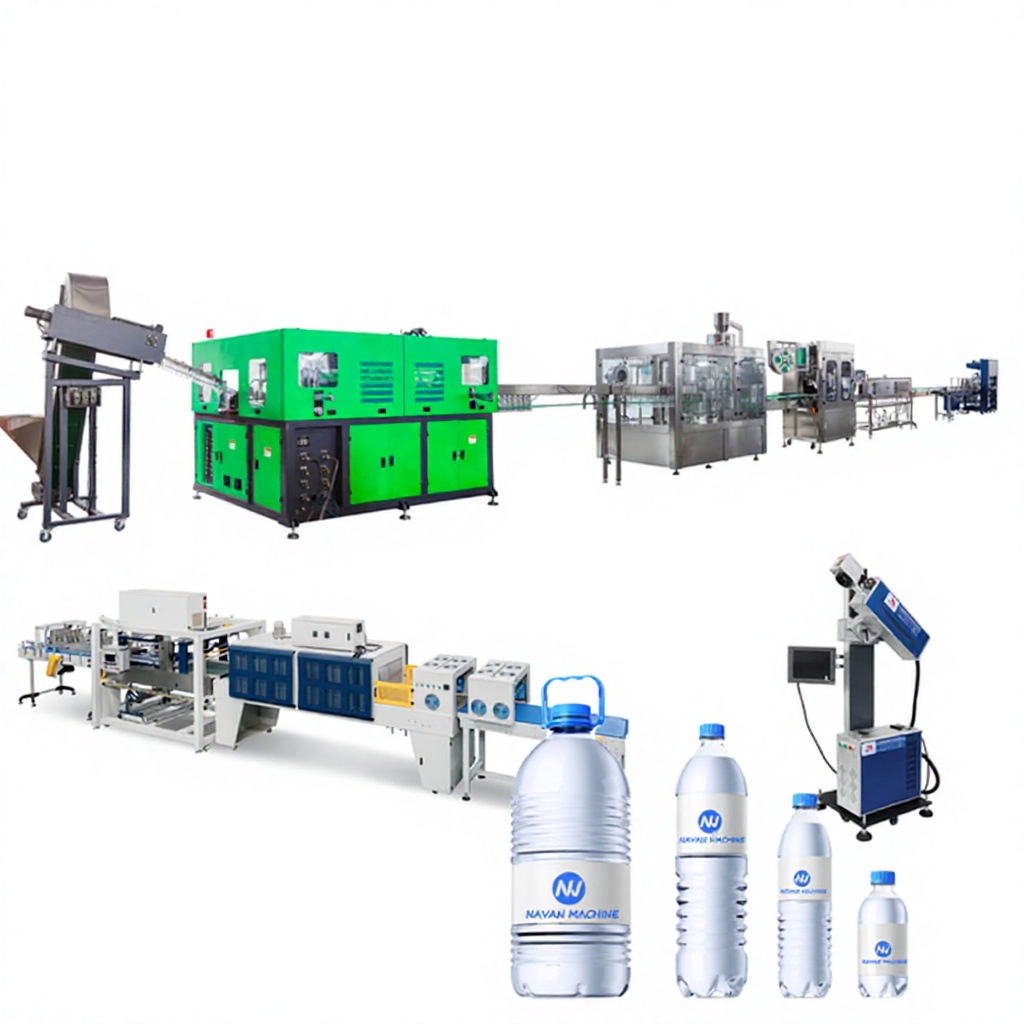

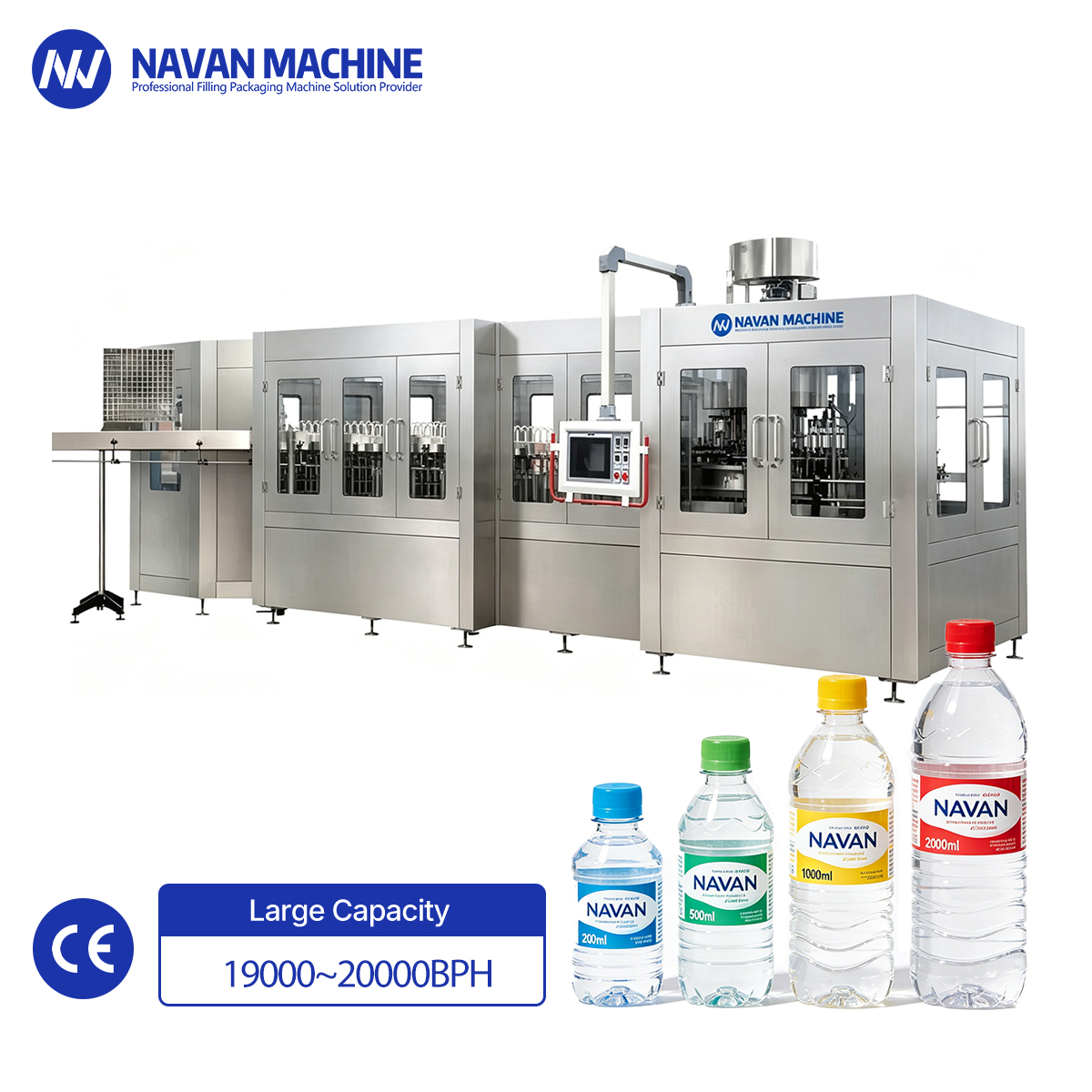

State of the Art in Chinese Beer Bottling Equipment Engineering
The global brewing landscape is experiencing a massive paradigm shift. As craft breweries scale up commercial distribution and international beverage conglomerates seek higher operational efficiency, the demand for high-precision, low-oxygen-pickup beer bottling machinery has skyrocketed. China has emerged as the premier manufacturing ecosystem for advanced packaging machinery, offering world-class electro-pneumatic engineering, robust AISI 316L/304 stainless steel metallurgy, and seamless PLC integration at an optimized Total Cost of Ownership (TCO).
Evaluating China top beer filling machine factories and factory capabilities requires going beyond initial capital expenditure (CAPEX). Modern brewery engineering demands strict control over Dissolved Oxygen (TDO/DO pickup), microbiological hygiene through Automated Clean-In-Place (CIP) systems, and mechanical stability at high rotational speeds ranging from 3,000 to over 36,000 bottles per hour (BPH).
Core Technical Insight: The defining benchmark of a high-tier beer filling machine is its ability to minimize total oxygen pickup during filling. Chinese manufacturers like Osnib Machine / Navan utilize dual pre-evacuation vacuum pumps combined with CO2 flushing to achieve oxygen pickup levels as low as 15–30 parts per billion (ppb), preserving flavor stability and shelf life for over 12 months.
Isobaric Counter-Pressure Filling Technology Explained
Beer is a complex liquid containing dissolved Carbon Dioxide (CO2), typically between 4.5 to 6.0 grams per liter. Filling beer without foaming or loss of carbonation requires Isobaric (Counter-Pressure) Filling Technology. In an isobaric system, the pressure inside the bottle is equalized with the pressure inside the liquid ring bowl prior to gravity or pressure-assisted product delivery.
The 5-Stage Isobaric Filling Process:
- Stage 1: Bottle Centering & Sealing: The pneumatic lift cylinder presses the bottle against the filling valve nozzle, creating a hermetic seal against an EPDM or Viton gasket.
- Stage 2: Double Pre-Evacuation: A vacuum pump extracts air from the bottle (1st vacuum cycle), followed by a CO2 injection, and a 2nd vacuum cycle. This replaces 99.5% of ambient oxygen inside the bottle with inert carbon dioxide.
- Stage 3: Pressure Equalization & Filling: The filling valve opens the CO2 gas channel to pressurize the bottle to match the tank pressure (typically 0.2 to 0.4 MPa). Once equalized, the liquid valve opens under spring tension, letting beer flow gently down the interior bottle walls via a swirl distributor.
- Stage 4: Settling & Snifting (Pressure Relief): The filling valve closes. A controlled exhaust valve ("snifter") gradually vents the head-space gas to ambient pressure to prevent uncontrolled gushing upon bottle release.
- Stage 5: High-Pressure Hobbock / Jetting & Capping: As the bottle transfers to the crown capper, a micro-jet of sterile hot water (80°C+) is injected into the liquid neck. This excites a controlled layer of fine foam that sweeps out any lingering oxygen right before the crown cap or aluminum cap is crimped shut.
Technology Development & Future Procurement Trends
How automation, electro-pneumatic valves, and sustainable packaging design are reshaping the future of brewery equipment procurement in China and globally.
Electro-Pneumatic Flowmeter Filling
Moving away from traditional mechanical vent tubes, next-generation filling lines adopt electromagnetic or mass flowmeters (E-Valves). This allows digital adjustment of filling volumes via the HMI touchscreen without physical valve rebuilds, cutting changeover times by 80%.
Hybrid Multi-Liquid Capability
Future-proof factories are specifying versatile monoblocks capable of switching between beer, carbonated soft drinks (CSD), hard seltzers, and non-carbonated juices. Multi-temperature filling (from 4°C cold-fill to 85°C hot-fill) is becoming standard for enterprise buyers.
Smart Factory IoT & Predictive Maintenance
Leading Chinese OEMs integrate Siemens S7-1500 or Mitsubishi PLCs with cloud edge gateways. Real-time monitoring of motor torque, vacuum levels, bearing temperatures, and OEE metrics empowers maintenance teams to fix anomalies before line shutdowns occur.
Mechanical vs. Electro-Pneumatic Beer Fillers
An engineering comparison matrix to help plant managers select the correct technology based on production volume and budget.
| Performance Parameter | Traditional Mechanical Isobaric Valve | Electro-Pneumatic Flowmeter Valve (E-Valve) |
|---|---|---|
| Filling Speed Range | 2,000 – 18,000 BPH | 6,000 – 50,000+ BPH |
| Dissolved Oxygen (DO) Pickup | 30 – 50 ppb (with double pre-evacuation) | 10 – 25 ppb (precise gas control) |
| Format Changeover Time | 2.5 to 4 Hours (Manual Vent Tubes) | 15 to 30 Minutes (Recipe selection on HMI) |
| Liquid Contact Hygiene | Mechanical springs inside product path | Smooth bore AISI 316L, no dead spaces |
| Filling Level Precision | ± 2mm (determined by vent tube length) | ± 0.5ml (measured by electromagnetic meter) |
| Maintenance & Wear Items | High (multiple mechanical levers & cams) | Low (solid-state electronics & long-life diaphragms) |
Enterprise Advantages & Manufacturing Capabilities
Combining world-class manufacturing in Zhangjiagang with direct local technical support across Europe, Asia, Africa, and the Americas.
TÜV Rheinland & CE Verified
Our Zhangjiagang manufacturing facilities have undergone rigorous onsite supplier assessments by TÜV Rheinland. All machinery lines carry full CE compliance certifications for European and global markets.
Turnkey Layout Engineering
We provide full plant layout designs customized to your building dimensions. From water treatment systems and blown container air-conveyors to end-of-line carton packaging and automatic palletizers.
Global After-Sales Network
Beyond our China headquarters, Osnib Machine operates direct service centers, including our Russia office in Krasnodar Krai and our Africa Branch in Kigali, Rwanda, providing 7x24 on-site engineering assistance.
Custom Mold & Bottle Design
In-house CAD design teams assist clients in developing unique bottle shapes, lightweight preform specifications, and eye-catching label artwork to elevate brand visibility on retail shelves.
Frequently Asked Questions for Equipment Buyers
Essential guidance on importing, installing, and operating commercial beer filling machinery from China.
Why choose China factories over European OEMs for beer bottling lines?
China top beer filling machine factories offer world-class engineering standards—utilizing global components such as Siemens PLCs, Schneider electronics, Festo pneumatics, and SEW drives—at a fraction of European CAPEX costs (typically 40% to 60% lower). Lead times are significantly faster, and modern Chinese machinery achieves identical oxygen pickup levels (<30 ppb) and filling tolerances.
How do Osnib / Navan beer filling machines ensure low oxygen pickup (TDO)?
Our isobaric filling machines utilize a specialized double pre-evacuation vacuum system. Air is evacuated twice from the container and purged with high-purity CO2 before filling begins. Furthermore, high-pressure hot water injection ("jetting") is applied right before capping to produce fine foam that expels remaining headspace air.
Can a single machine fill both glass bottles and aluminum cans or PET bottles?
While glass bottles require neck/bottom handling with mechanical crown capping, and cans require seaming heads, Osnib Machine designs specialized Combi/Monoblock systems or modular block layouts. We can integrate dual-capping turrets (e.g., Crown Cork + ROPP Screw Cap) on the same rotary filling platform.
What is the Minimum Order Quantity (MOQ) and production lead time?
The MOQ is 1 set. Standard standalone filling machines take approximately 30 to 45 days to manufacture, test, and commission in our plant. Complete turnkey bottling lines generally take 60 to 90 days depending on custom bottle molds and line automation complexity.
What after-sales and installation support is provided internationally?
We provide comprehensive on-site installation, line commissioning, and operator training by senior engineering staff. Overseas clients also benefit from localized service offices in Russia and Rwanda, alongside 24/7 remote video support and express spare parts dispatching.
What trade terms and payment methods are accepted for machinery imports?
We accept all standard international trade terms including FOB, CFR, CIF, EXW, CIP, DDP, and DDU. Flexible payment options include T/T (Telegraphic Transfer), L/C at sight (Letter of Credit), Western Union, and major currencies including USD, EUR, GBP, and CNY.
Ready to Upgrade Your Brewery Bottling Line?
Consult with our lead packaging engineers today for customized 3D workshop layouts, full equipment specifications, and direct factory pricing.
