Featured Industrial Beverage Bottling & Filling Machinery
Explore our core certified automatic processing lines and high-precision monoblocks built for high-throughput commercial liquid packaging plants.

Automatic Juice PET Bottle Filling Machine 32 Nozzle
200-2000mL capacity range, delivering 16000-17000BPH output with precision volumetric filling accuracy for juice products.
Get a Quote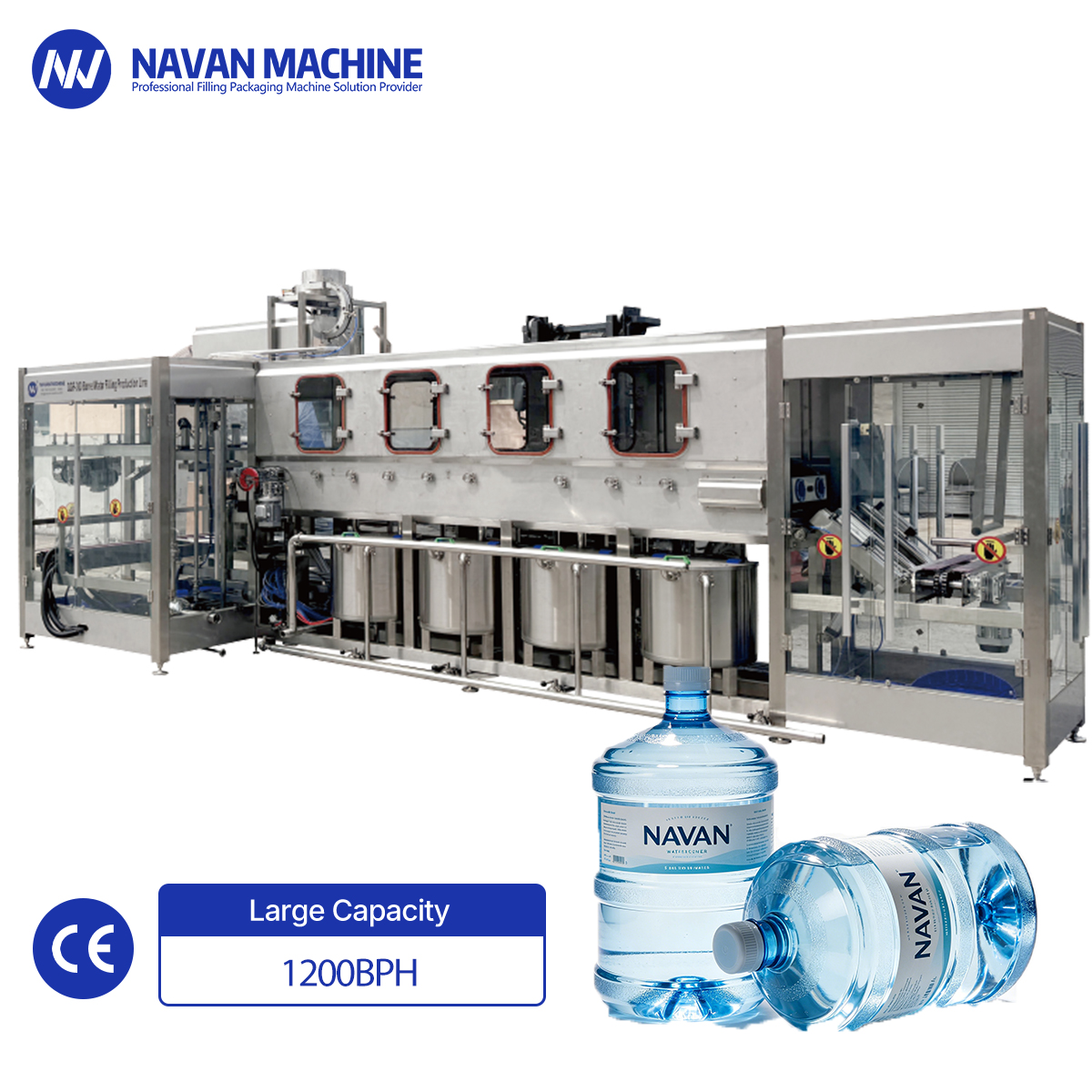
Industrial Automatic 18.9L PET Barrel Water Filling Plant
1200BPH 5 Gallon Rinser Filler Capper engineered with robust PLC intelligent control systems for heavy-duty production lines.
Get a Quote
Navan XGFD24-24-8 Automatic Carbonated Beverage Machine
CE Certified 200-2000ml bottle filling line designed for carbonated soft drinks, sparkling waters, and pulp-infused beverages.
Get a Quote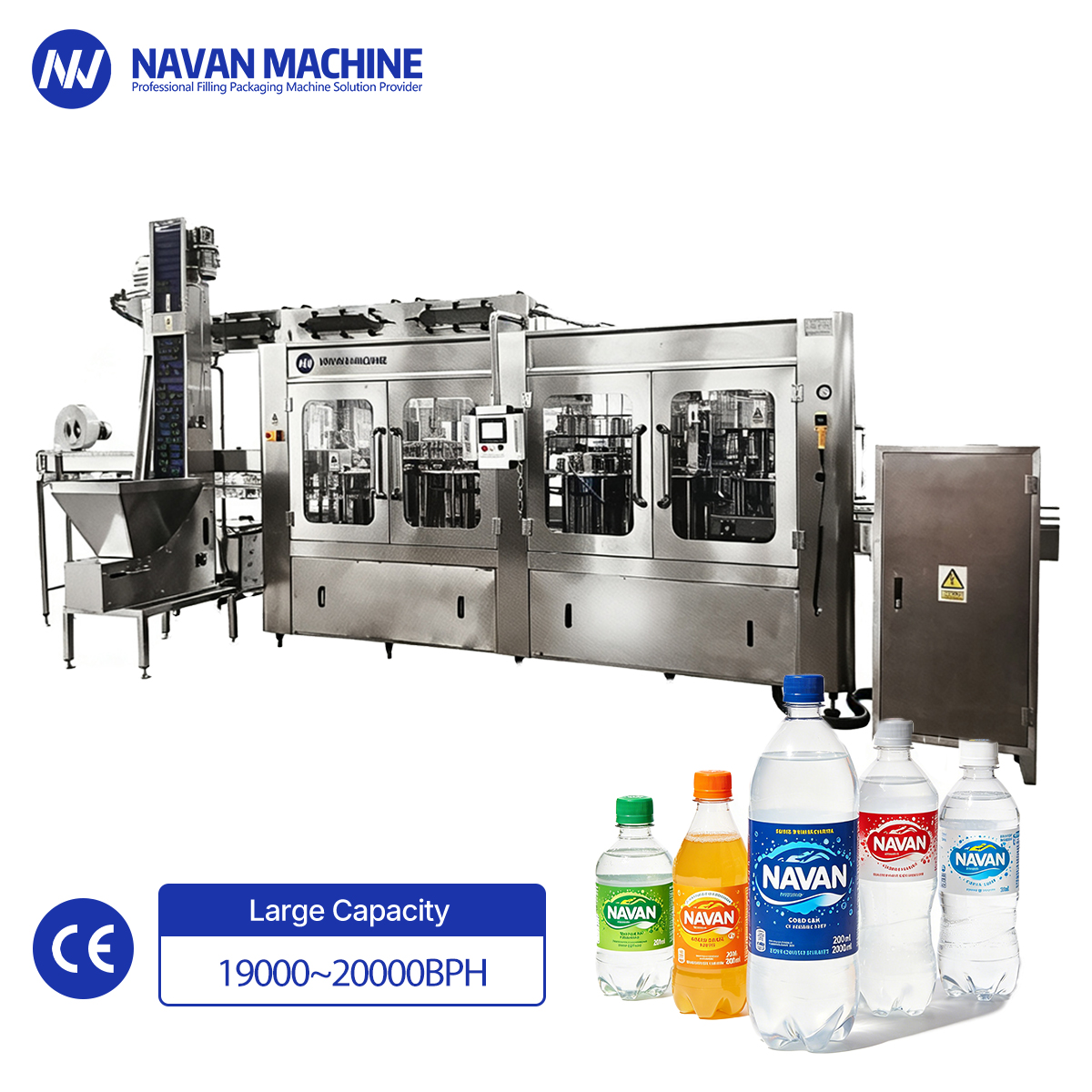
High Efficiency Navan XGFD50-50-12 Automatic Line
Mechanical plastic carbonated beverage and liquid juice packaging solution accommodating 200-2000ml standard container formats.
Get a Quote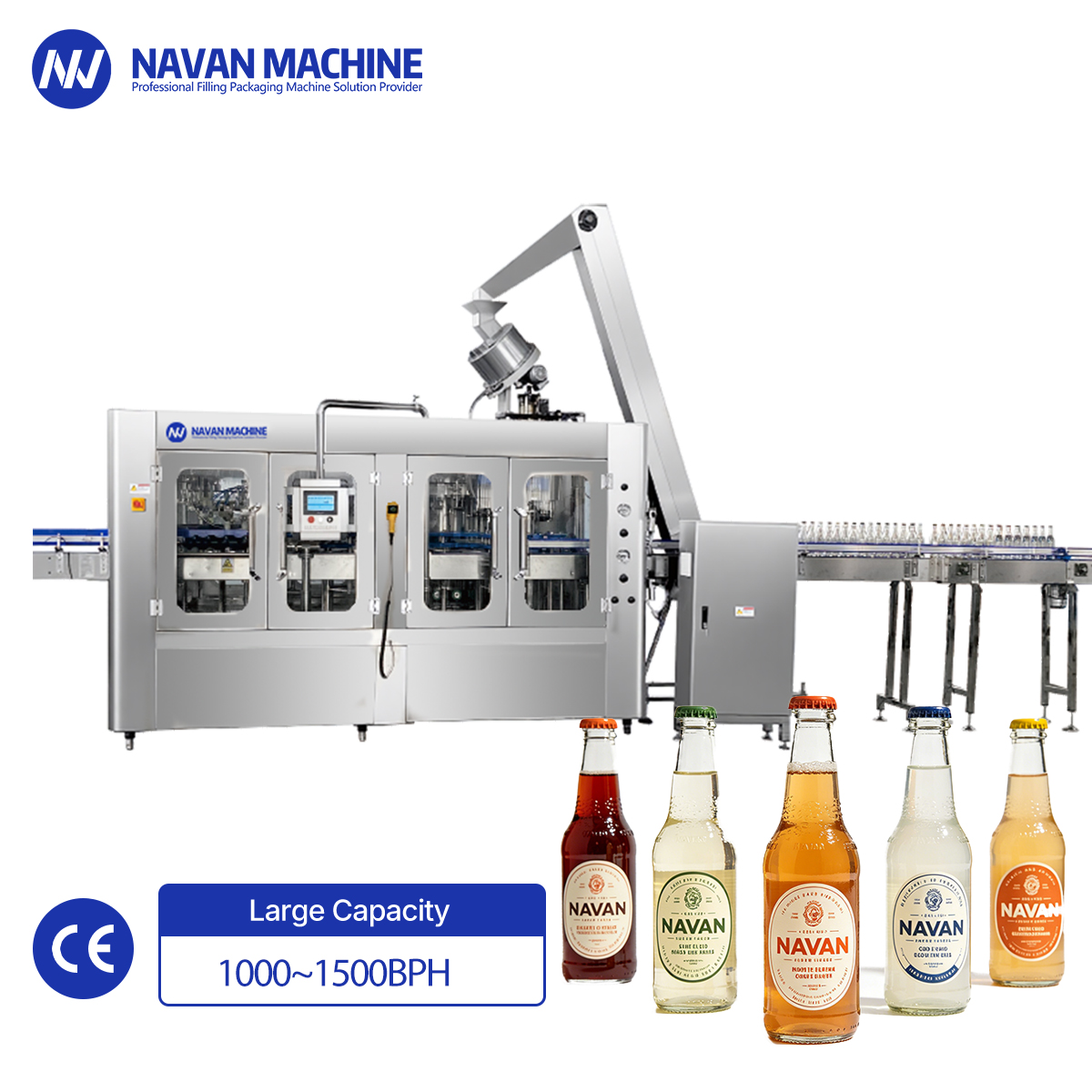
Full Automatic Glass Bottle Carbonated Beverage Machine
Intelligent PLC controlled high-accuracy filling station accommodating premium 300-1500ml glass bottle formats.
Get a Quote
NPXZGF24-18-24-6PRO High Productivity Bottling Line
Mechanical PLC-controlled high-speed line for plastic PET containers supporting 200ml-2000ml liquid products seamlessly.
Get a Quote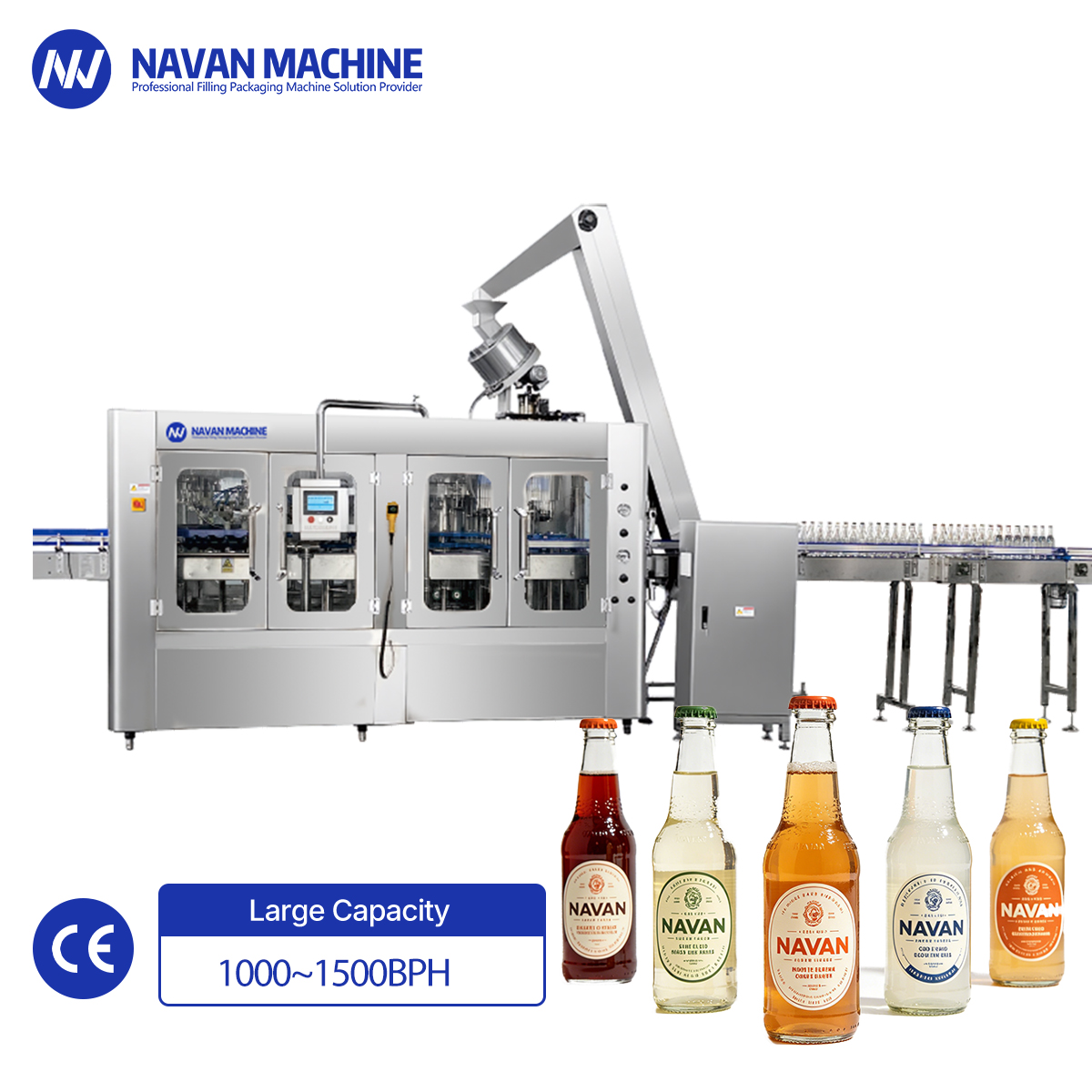
Full Automatic Glass Carbonated Beverage Bottling Line
Features remote diagnostics, micro-adjustment digital interfaces, and high-precision filling control loops.
Get a Quote
Industrial XGFD40-40-10 PLC Controlled Machine
Heavy-duty 40-head automatic liquid filler suitable for carbonated soft drinks, juice beverages, and PET packaging.
Get a QuoteExecutive Overview: The Evolution of Chinese Fruit Juice Production Infrastructure
The global fruit juice and nectar processing landscape is undergoing a dramatic structural transformation. Beverage brand owners, co-packers, and commercial food processors are balancing consumer demands for clean-label ingredients, fresh fruit pulp preservation, zero-preservative formulations, and lightweight eco-friendly packaging. Achieving these strict nutritional and commercial criteria requires an advanced manufacturing foundation.
As a global hub for precision mechanical fabrication, China's bottling equipment sector—centered in industrial clusters like Zhangjiagang, Jiangsu—has advanced beyond cost-effective machinery manufacturing. Leading Chinese suppliers now engineer enterprise-grade turnkey fruit juice bottling lines that incorporate automated CIP (Clean-in-Place) systems, high-precision thermal control loops, ultra-clean positive pressure filling environments, and Industry 4.0 IoT analytics. This whitepaper provides engineering executives, procurement heads, and factory managers with a comprehensive evaluation guide for specifying, acquiring, and operating state-of-the-art fruit juice manufacturing plant assets.
Turnkey Fruit Juice Bottling Line: System Architecture & Process Flow
A complete, automated fruit juice production line is an integrated ecosystem of mechanical, thermal, pneumatic, and electronic sub-systems. Engineering a high-reliability line requires seamless synchronization between liquid batch preparation, thermal sterilization, container forming, aseptic/hot filling, and secondary packaging modules.
1. Water Treatment & Blending
Raw water passes through multi-media sand filters, active carbon filters, double-stage Reverse Osmosis (RO) membranes, and UV sterilizers to ensure zero micro-biological load. High-shear sugar dissolving tanks and vacuum degassers ensure homogeneous juice viscosity, color stability, and dissolved oxygen reduction to prevent vitamin C degradation.
2. UHT Pasteurization & Homogenization
High-pressure homogenizers (operating up to 25-30 MPa) break down fruit cells for smooth mouthfeel and prevent pulp sedimentation. Tubular or plate UHT pasteurizers heat the juice to 85°C–137°C with precise hold times (15-30 seconds), followed by rapid heat recovery stages that cut thermal energy consumption by up to 85%.
3. Monoblock 3-in-1 Filling Station
The heart of the bottling plant. Incorporates bottle neck handling technology for PET or rigid mechanical grippers for glass containers. Integrates bottle rinsing (sanitizer/sterile water), constant-temperature thermal filling (85°C–88°C for hot fill), back-suction liquid recirculation, and magnetic torque cap sealing under HEPA air filtration.
Engineering Comparison Matrix: Juice Processing Technologies
When selecting a plant configuration, engineering directors must choose the appropriate process technology based on shelf-life targets, container materials, and fruit pulp specifications.
| Technical Parameter | Standard Hot-Fill System | Aseptic Cold-Fill System | Ultra-Clean ESL System |
|---|---|---|---|
| Filling Temperature Range | 85°C – 92°C (Thermal Sterilization) | 20°C – 25°C (Ambient Aseptic) | 4°C – 10°C (Refrigerated Chain) |
| Bottle Material Compatibility | Heat-resistant PET (30g+), Glass, Cans | Standard Lightweight PET (18g-22g), HDPE | Standard PET, Gable Top Cartons, Glass |
| Pulp Handling Capability | Up to 10mm particulates (Dual-Filling) | Pulp dosing with aseptic piston valves | Fine pulp suspension (< 3mm) |
| Cleanroom ISO Classification | Class 1000 (Positive Pressure Hoods) | Class 100 / ISO 5 Sterile Enclosure | Class 1000 Enclosure |
| Product Shelf Life | 12–18 Months (Ambient Storage) | 12–18 Months (Ambient, Maximum Taste) | 60–90 Days (Cold Chain Maintained) |
| OPEX Energy Consumption | Moderate (High thermal duty, simple automation) | Low Thermal / Higher Electrical & Chemical | Low Thermal / High Refrigeration Costs |
Future Procurement Trends in Fruit Juice Bottling Machinery
Purchasing decisions made today will dictate factory productivity and operational expenditures for the next 10 to 15 years. Smart equipment procurement requires identifying multi-year technology trajectories:
Key Engineering & Procurement Trends (2025–2030)
- Transition from Hot-Filling to Aseptic Cold Filling: To retain volatile flavor aromatics, natural color pigments, and heat-sensitive nutrients (such as Vitamin C), global processors are upgrading to Aseptic Cold Fill lines. This shift also enables 25-35% bottle weight reduction by eliminating heat-set PET panel requirements.
- Pulp-Friendly & Multi-Flow Dosing Valves: Beverage market growth is dominated by natural juices containing intact fruit sacs, aloe vera cubes, or coconut jelly bits. Next-generation fillers feature dual-stage dosing: first dispensing exact particulate mass using non-destructive piston cylinders, followed by main liquid filling.
- Integrated Combi Blow-Fill-Cap Systems: Eliminating air conveyor linkages between PET blow molders and filling units cuts plant floor space requirements by up to 30%, eliminates intermediate container contamination risks, and reduces compressed air consumption.
- Smart Factory SCADA & Predictive Machine Maintenance: High-speed Chinese production line factories now equip fillers with vibration sensors, temperature monitoring grids, and PLC Ethernet interfaces (Siemens S7-1500 / Schneider Electric) for live remote diagnostics and OEE optimization.
Why Direct OEM Manufacturing Sourcing in China Yields Competitive Advantage
Selecting a verified Chinese manufacturer like Zhangjiagang Osnib Machine Co., Ltd. provides global buyers with significant commercial and technical advantages over third-party trading entities:
TÜV Rheinland Verified Factory
Our manufacturing infrastructure, precision machine shops, and quality assurance processes undergo rigorous on-site audit verification by TÜV Rheinland, ensuring total transparency.
CE & ISO Quality Standards
Every liquid filling monoblock, blow molding unit, and automated packaging system holds official CE safety certification, adhering strictly to EU electrical and pressure vessel safety norms.
Localized Global Support
With established overseas branches and dedicated engineering personnel in Russia (Goryachy Klyuch) and Africa (Kigali, Rwanda), we deliver fast on-site installation, commissioning, and emergency spare-parts response.
Turnkey Engineering Support
From custom PET preform bottle blowing design to complete 2D/3D workshop layout engineering, piping installation diagrams, and operator training, we manage project risk from end to end.
Frequently Asked Questions (Procurement & Technical Operations)
We answer the primary operational, engineering, and commercial questions raised by international plant owners prior to line capital allocation.
The standard Minimum Order Quantity is 1 set. Whether you require a single standalone machine (such as an OPP labeler or PET blow molder) or a complete 24,000 BPH turnkey fruit juice packaging facility, we accommodate custom orders. Standard equipment lead time ranges between 30 to 60 business days depending on complexity and customization requirements.
Hot filling (85°C–88°C) creates internal vacuum conditions inside the bottle as the product cools. To prevent bottle panel collapse, our lines utilize heat-set PET bottle designs featuring structural vacuum panels or specialized bottle neck handling systems paired with controlled nitrogen injection prior to capping to maintain positive internal pressure.
Yes. Our monoblocks utilize neck-handling technology for PET bottles, meaning containers with identical neck finishes (e.g., 28mm or 38mm heat-resistant necks) can vary in height and body diameter with minimal changeover parts. Toolless quick-change starwheels and digital height adjustments allow changeover execution in under 30 minutes.
Our juice fillers feature stainless steel CIP dummy cups that automatically clamp onto filling nozzles during wash cycles. The system executes a 3-stage automated cleaning regime: hot water rinse, caustic wash (1.5-2.0% NaOH at 80°C) for organic residue removal, acid wash (1.0-1.5% HNO3 at 65°C) for mineral scale removal, followed by sterile water flushing, fully controlled via the PLC touchscreen.
We support flexible international commercial terms including FOB, CFR, CIF, EXW, CIP, FCA, DDP, and DDU. Accepted payment methods include T/T (Telegraphic Transfer), irrevocable L/C at sight, Credit Card, and Western Union. Transactions can be settled in major global currencies including USD, EUR, GBP, RUB, and CNY.
We dispatch certified mechanical and electrical commissioning engineers directly to your plant for line assembly, utility hookup supervision, parameter calibration, and operator training. Furthermore, our regional offices in Kigali (Rwanda) and Goryachy Klyuch (Russia) offer rapid localized engineering interventions across Africa and the CIS region alongside 24/7 online technical support.
Plan Your Next Fruit Juice Bottling Project Today
Whether you are establishing a greenfield beverage plant or upgrading existing filling efficiency, our senior engineering consultants are ready to provide custom workshop layout drawings, mass-balance flowcharts, and competitive equipment quotes.
