High-Performance Bottling & Liquid Packaging Equipment
Explore our turnkey bottling solutions engineered for high productivity, minimal thermal stress, and maximum operational uptime.
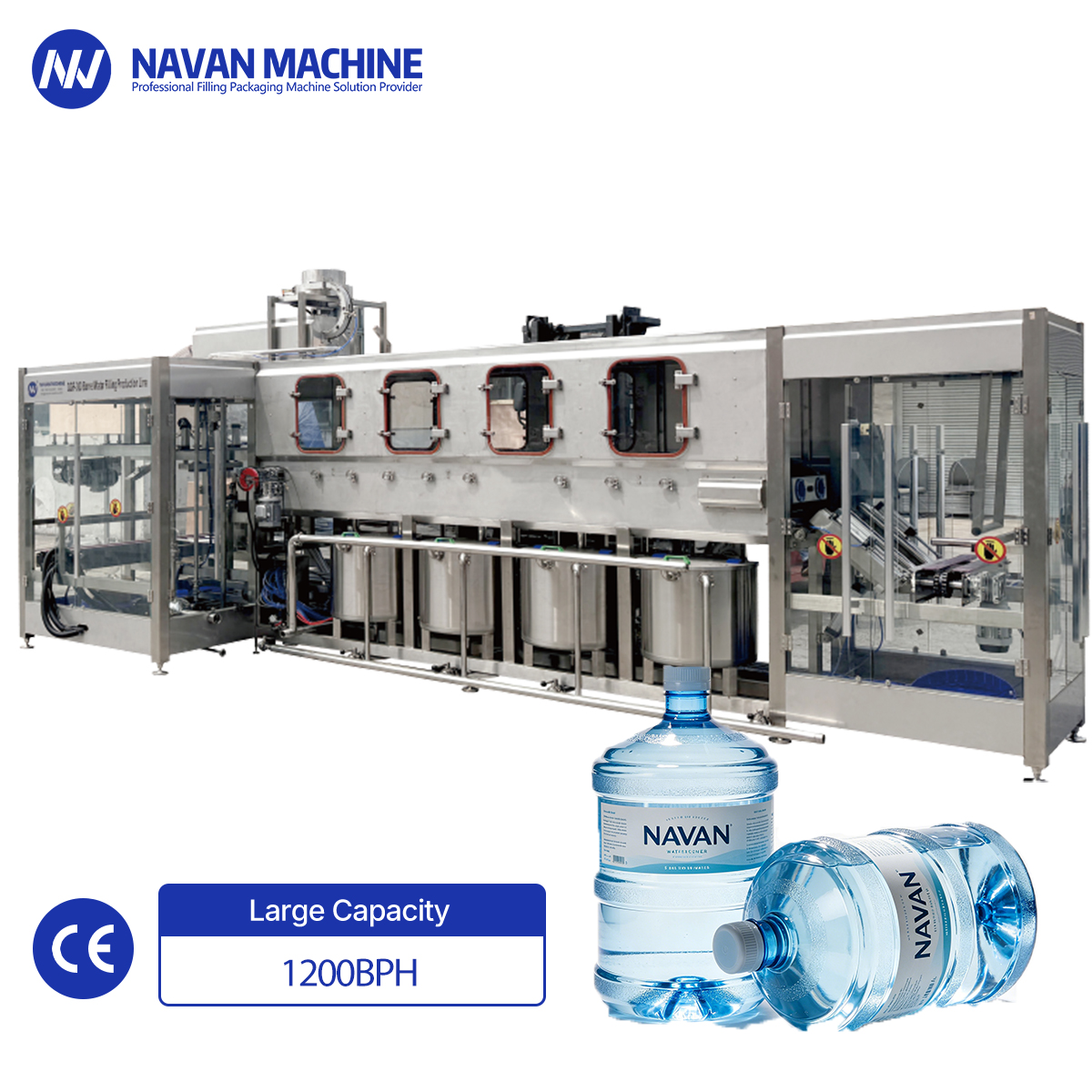
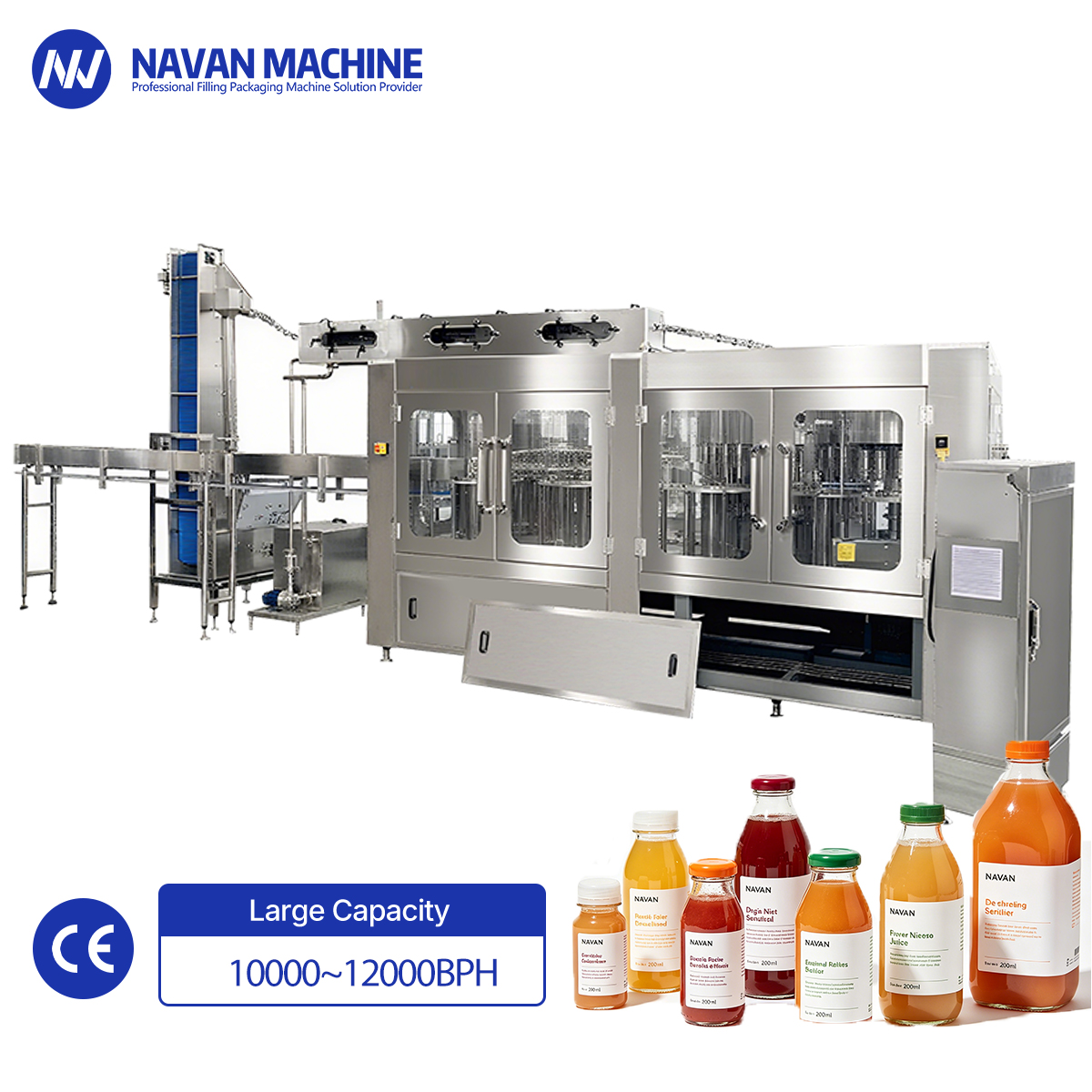

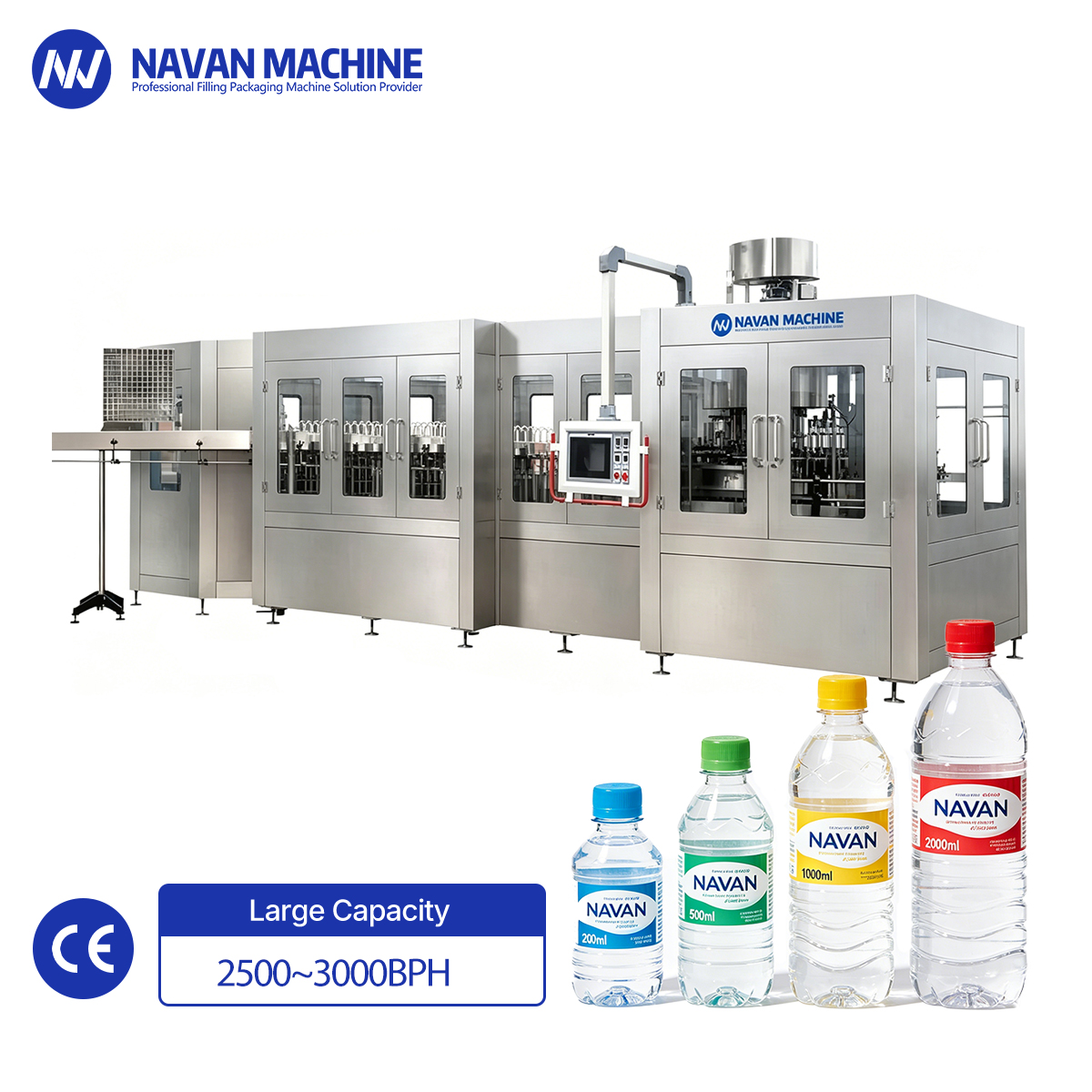

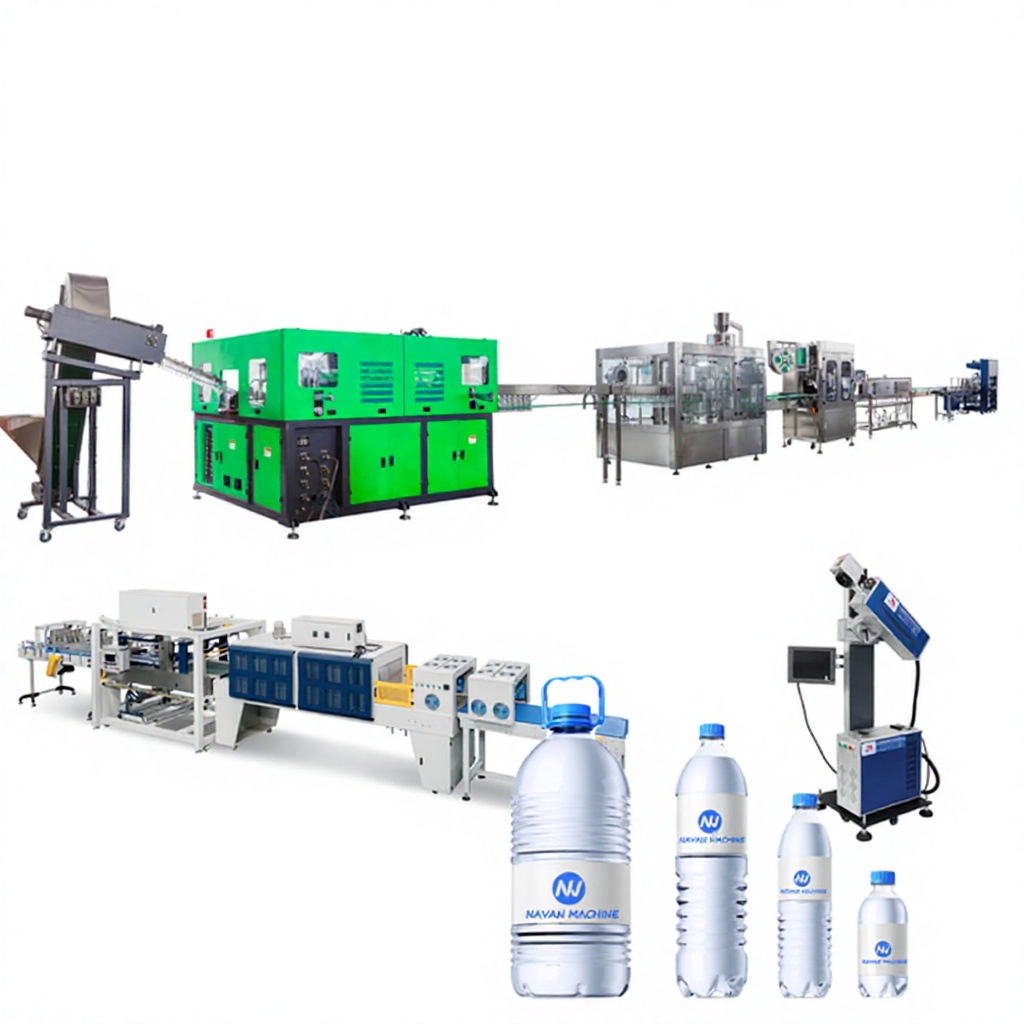
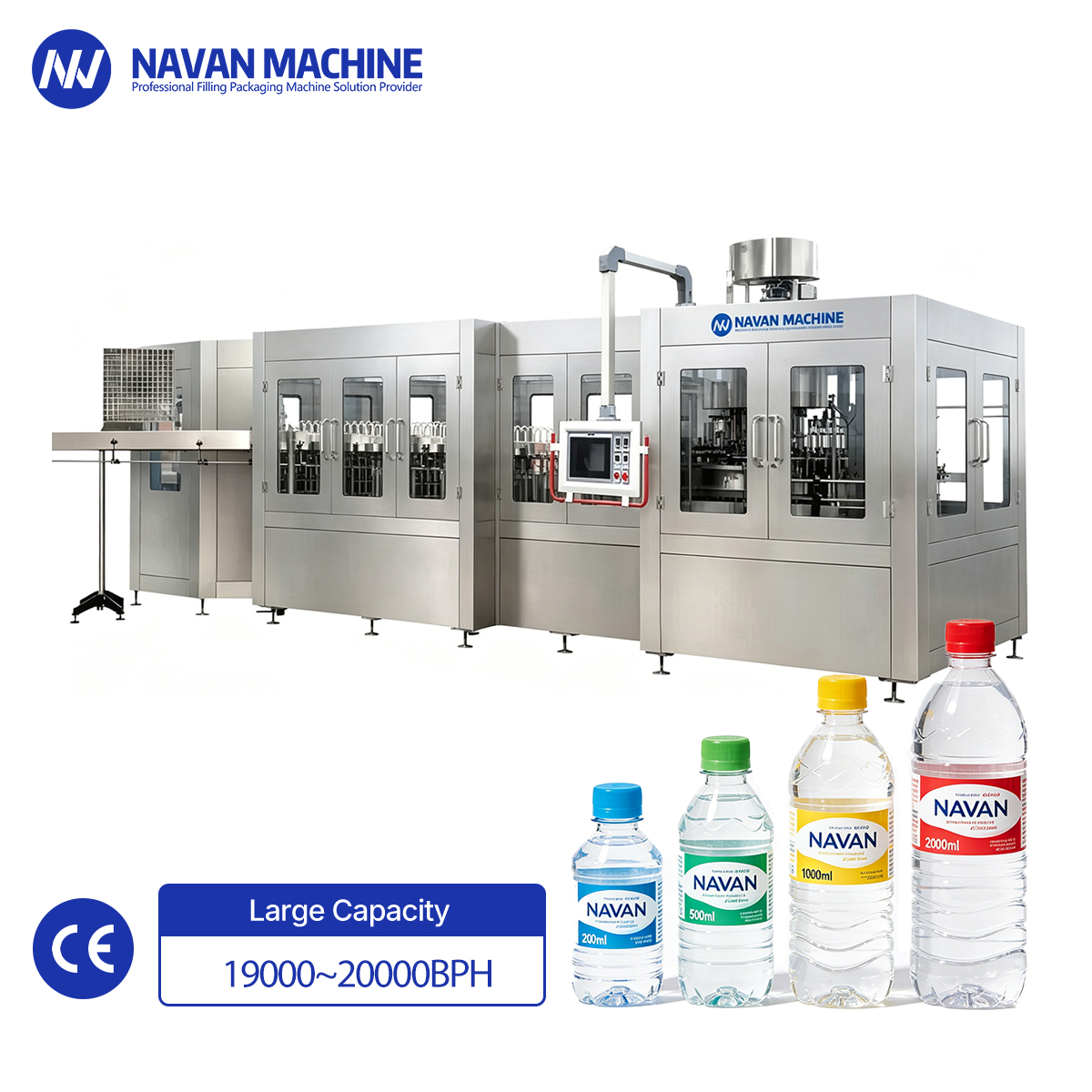
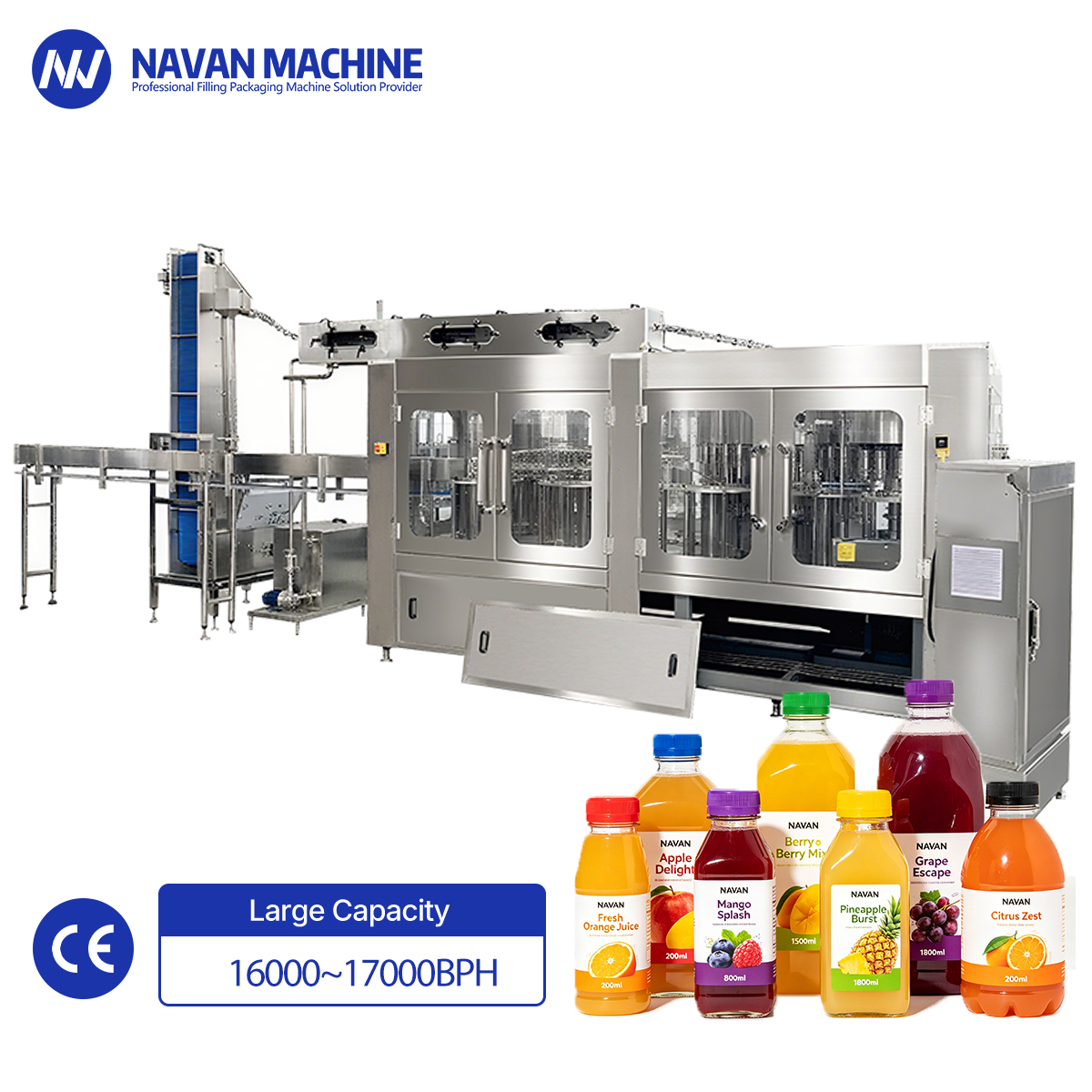
Engineering Excellence in Hot Fill Bottling Architecture
As global beverage consumption transitions toward high-nutrition, low-preservative liquid products—such as 100% natural fruit juices, ready-to-drink (RTD) teas, functional sports drinks, and vitamin-infused waters—the industrial demand for specialized hot fill bottling lines has reached an unprecedented peak. Designed specifically to ensure complete commercial sterility while preserving organoleptic qualities, hot filling technology operates within a rigorous thermal processing envelope (typically 85°C to 92°C).
Operating out of China’s premier packaging machinery manufacturing hub—Zhangjiagang City, Jiangsu Province—Zhangjiagang Osnib Machine Co., Ltd. stands as an authoritative force in automated liquid packaging engineering. With decades of combined technical leadership, fully compliant CE certifications, and third-party verified manufacturing facilities by TÜV Rheinland, Osnib Machine bridges the gap between European-grade mechanical accuracy and highly competitive Total Cost of Ownership (TCO). Our integrated manufacturing ecosystem spans from raw water treatment and heat-resistant PET blow molding to robotic end-of-line palletizing, providing global beverage enterprises with robust, high-yield production assets.
The Engineering Science Behind 3-in-1 Hot Filling Monoblocks
The mechanical integrity of a hot fill bottling line relies on precise thermal control, fluid dynamics, and pressure equilibrium. Unlike ambient water filling or isobaric carbonated drink bottling, hot filling requires liquid temperatures to act as the primary sterilizing agent for both the container interior and the neck closure.
Osnib Machine’s advanced 3-in-1 Rinsing-Filling-Capping Monoblocks (RCGF Series) incorporate a continuous thermal recirculation loop. When liquid temperature inside the filling manifold drops below the programmed threshold (e.g., 85°C), high-precision pneumatic valves route the product back to the tubular sterilizer or plate heat exchanger. This guarantees that cold liquid is never introduced into a container, preventing biological contamination and product spoilage.
Thermal Stress Compensation
Utilizing micro-swirl filling nozzles that minimize product foaming while maintaining a constant temperature field across all 24 to 50 filling heads.
Positive CIP Sanitation
Integrated Clean-In-Place (CIP) false cups swing automatically over filling valves to execute high-pressure hot acid, lye, and sterile water rinsing protocols.
Hermetic Vacuum Seal
Magnetic-torque capping heads ensure zero cap distortion, coupled with nitrogen injection options to reduce head-space oxygen and combat oxidation.
Bottling Technology Selection Matrix: Hot Fill vs. Alternative Systems
When specifying a new production facility, factory procurement directors must evaluate the trade-offs between initial capital expenditure (CAPEX), ongoing operational expenditure (OPEX), container design flexibility, and product shelf-life. Below is an engineering evaluation comparing Hot Filling against Aseptic Cold Filling and Traditional Tunnel Retort Sterilization.
| Evaluation Parameter | Hot Fill Bottling Line (Osnib Technology) | Aseptic Cold Fill Line | Retort Tunnel Sterilization |
|---|---|---|---|
| Operating Temperature | 85°C – 92°C product filling | 20°C – 25°C ambient filling | 121°C post-packaging thermal retort |
| Target Beverage Types | High-acid juices, RTD teas, sports drinks, flavored waters (pH < 4.5) | Low-acid dairy, plant proteins, sensitive juices (pH > 4.5) | Canned coffee, meat broths, protein shakes |
| CAPEX Investment | Moderate: High ROI for small-to-large regional beverage plants | Very High: Requires Class 100 cleanrooms & complex chemical dosing | Moderate to High: High energy and heavy steam boiler infrastructure |
| Container Specification | Heat-set PET bottles (with vacuum panels) or glass bottles | Standard lightweight PET bottles (no thermal requirement) | Metal cans, glass jars, retortable pouches |
| Microbiological Safety | Extreme Reliability: In-line thermal loop eliminates spoilage risk | High Sensitivity: Micro-leakage in cleanrooms compromises sterile boundary | Absolute Sterility: High thermal impact on taste profile |
| Clean-in-Place (CIP) Complexity | Automated 3-step/5-step CIP loop; rapid changeovers | Extensive chemical sterilization (SIP) & continuous environmental air filtration | Batch water treatment and retorting cycles |
Engineering Recommendation: For beverage manufacturers seeking long shelf life (12 to 18 months) for natural fruit juice and tea products without artificial preservatives, Hot Filling remains the most cost-effective and operationally stable packaging technology available on the global market.
Global Procurement Trends in Hot Fill Machinery (2025–2030)
The global packaging sector is undergoing rapid evolution driven by environmental legislation, resin cost inflation, and energy optimization mandates. Procurement managers must factor the following technology shifts into their equipment specifications:
1. Heat-Set Lightweighting & Vacuum Panel Reduction
Historically, hot fill PET bottles required heavy grammage (up to 38g for 500ml) with rigid vacuum panels to prevent structural collapsing during cooling. Modern developments in heat-set blow molding molds—which utilize heated mold walls (120°C–140°C) to relieve internal molecular strain—allow bottle weights to drop by up to 22% while using base-deforming compensation mechanisms instead of unsightly side panels.
2. Integrated Blowing-Filling-Capping Combi-Blocks
Traditional plants connect separate blow molders, air conveyors, and filling monoblocks. The industry is rapidly shifting toward single-frame Combi-Block architectures. By eliminating air transfer conveyors, plants reduce floor footprint by 35%, cut power consumption by up to 25%, and eliminate air-borne particle contamination between blowing and rinsing.
3. Smart Heat Recovery & Energy Recycling Systems
Energy costs represent a major portion of beverage manufacturing OPEX. Next-generation hot fill processing units integrate plate heat exchangers that capture thermal energy from product cooling tunnels and pre-heat incoming raw product. This closed-loop thermal transfer reduces boiler gas consumption by up to 30%.
4. Smart IoT Diagnostics & Predictive Maintenance
Modern Osnib bottling machinery incorporates IO-Link sensor networks and cloud-connected PLC controllers. Maintenance teams can monitor real-time filling valve wear, heat-exchanger fouling rates, magnetic torque stability, and vibration spectrums directly via mobile dashboards, eliminating unscheduled line downtime.
Anatomy of a Complete Turnkey Hot Fill Bottling Plant
A reliable hot fill production line relies on seamless integration across seven critical sub-systems. A breakdown in any single component jeopardizes biological stability or physical container appearance.
1. Water Treatment System
Dual-stage Reverse Osmosis (RO), quartz sand filtration, active carbon absorption, and UV sterilizers ensure raw water meets ultra-pure standards (TDS < 10 ppm) prior to syrup blending.
2. Juice Processing & UHT Unit
High-shear batch melting tanks, vacuum de-aerators (to eliminate oxygen bubbles), homogenizers, and Tubular UHT Sterilizers holding product at 135°C for 4-6 seconds before cooling to filling temp.
3. Heat-Set PET Blow Molder
Rotary stretch blow molders utilizing oil-circulated heated molds to induce crystallization in PET bottle walls, allowing containers to withstand 92°C thermal stress without warping.
4. 3-in-1 Hot Fill Monoblock
Positive-pressure HEPA enclosure housing sanitizing bottle rinsers, high-precision thermal recirculation filling valves, and constant-torque magnetic capping turrets.
5. Bottle Tilting Sterilizer Chain
Immediately after capping, filled bottles pass onto a 90-degree tilting conveyor for 15-30 seconds, using hot internal liquid to sterilize the interior surfaces of cap liners.
6. Multi-Stage Cooling Tunnel
Gradually sprays recycled water onto bottles (reducing temperature from 85°C down to 35°C in 4 temperature zones) to avoid thermal shock breakage and bottle panelling.
Enterprise Strengths & Global Support Ecosystem
Combining world-class manufacturing standards with localized engineering service centers in key international markets.
Integrated Factory & Direct Export
Located in Shuangfeng Road, Leyu Town, Zhangjiagang City, our direct factory model eliminates trading intermediaries, ensuring exact mechanical compliance and competitive pricing.
TÜV Rheinland & CE Certification
Our manufacturing workflow, worker safety standards, and finished packaging machines are independently audited and certified by TÜV Rheinland and CE regulators.
Localized Overseas Branches
We maintain dedicated overseas service hubs—including our Russia Office in Krasnodar Krai and our Africa Branch in Kigali, Rwanda—delivering rapid technical support and local parts stocking.
Custom Container & Mold Engineering
In-house CAD design teams develop custom PET preform molds, heat-set bottle geometries, and matching OPP hot-melt or sleeve label artwork tailored to client branding.
Full Turnkey Line Integration
From initial 3D workshop layout planning and utility piping diagrams to FAT testing, international ocean shipping, on-site commissioning, and staff training.
7×24 Round-the-Clock Service
Our multidisciplinary engineering support team offers instant digital diagnostics and quick-ship replacement parts dispatch globally via international express channels.
Frequently Asked Questions by Import Directors
Get immediate answers to crucial engineering, ordering, shipping, and warranty queries.
Ready to Build or Upgrade Your Bottling Factory?
Contact Osnib Machine's engineering team today. Send us your bottle design, liquid viscosity, and target hourly output to receive a customized line configuration, 3D plant layout, and direct factory quotation.
