Featured Packaging & Bottling Machinery Solutions
Engineered for absolute accuracy, microbial isolation, and structural repeatability across PET, glass, aluminum, and 5-gallon container packaging lines.

Automatic Aluminum Can Filler Seamer 4000BPH High Precision PLC Touch Screen
View Machine Specs
NAVAN PET Automatic 6-Cavity Servo Motor Stretch Blow Moulding Machine
View Machine Specs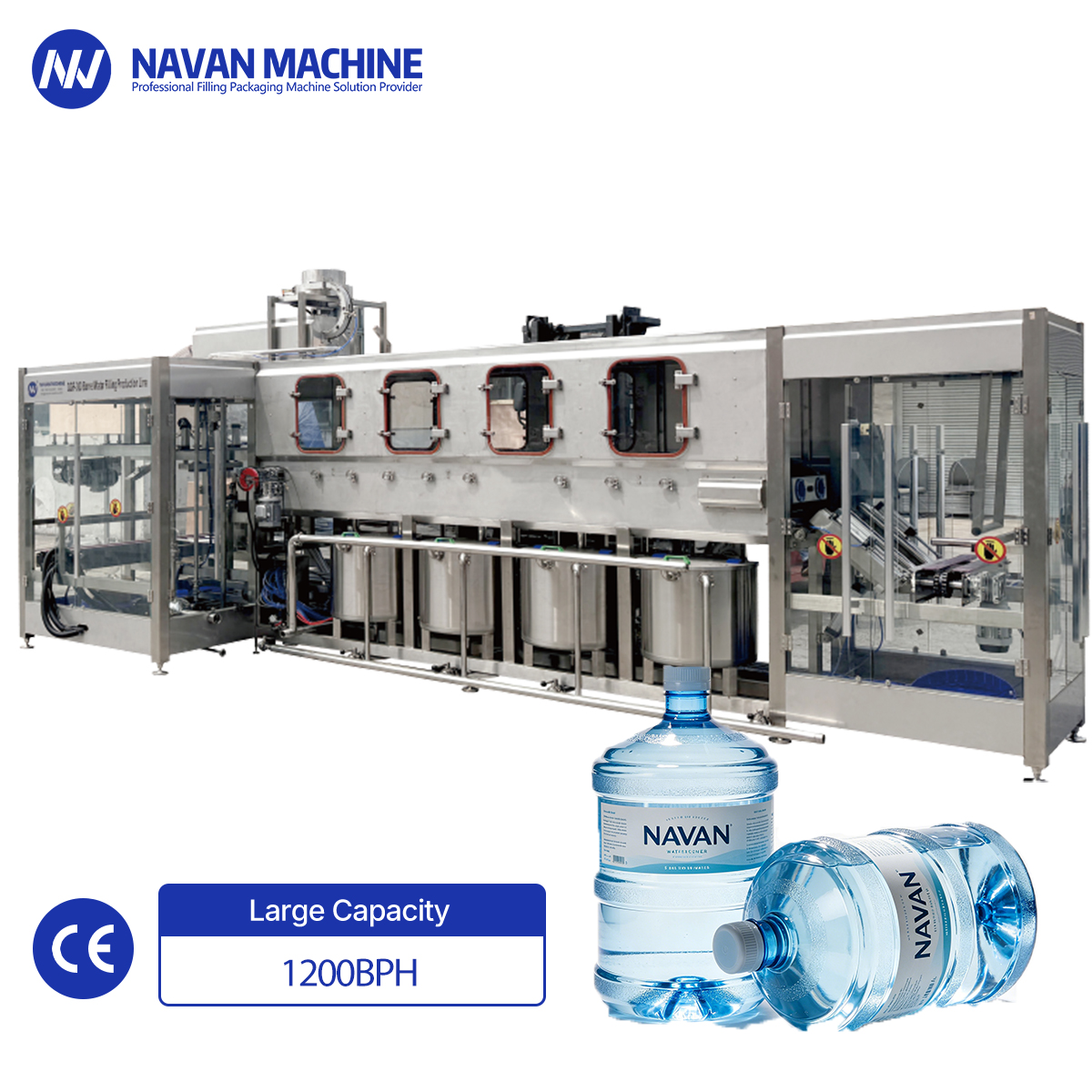
Industrial Automatic 18.9L PET Barrel Water Filling Plant 1200BPH Rinser Filler Capper
View Machine Specs
Navan XGF18-18-6 Automatic Mineral Water Bottling Machine Turnkey Solution
View Machine Specs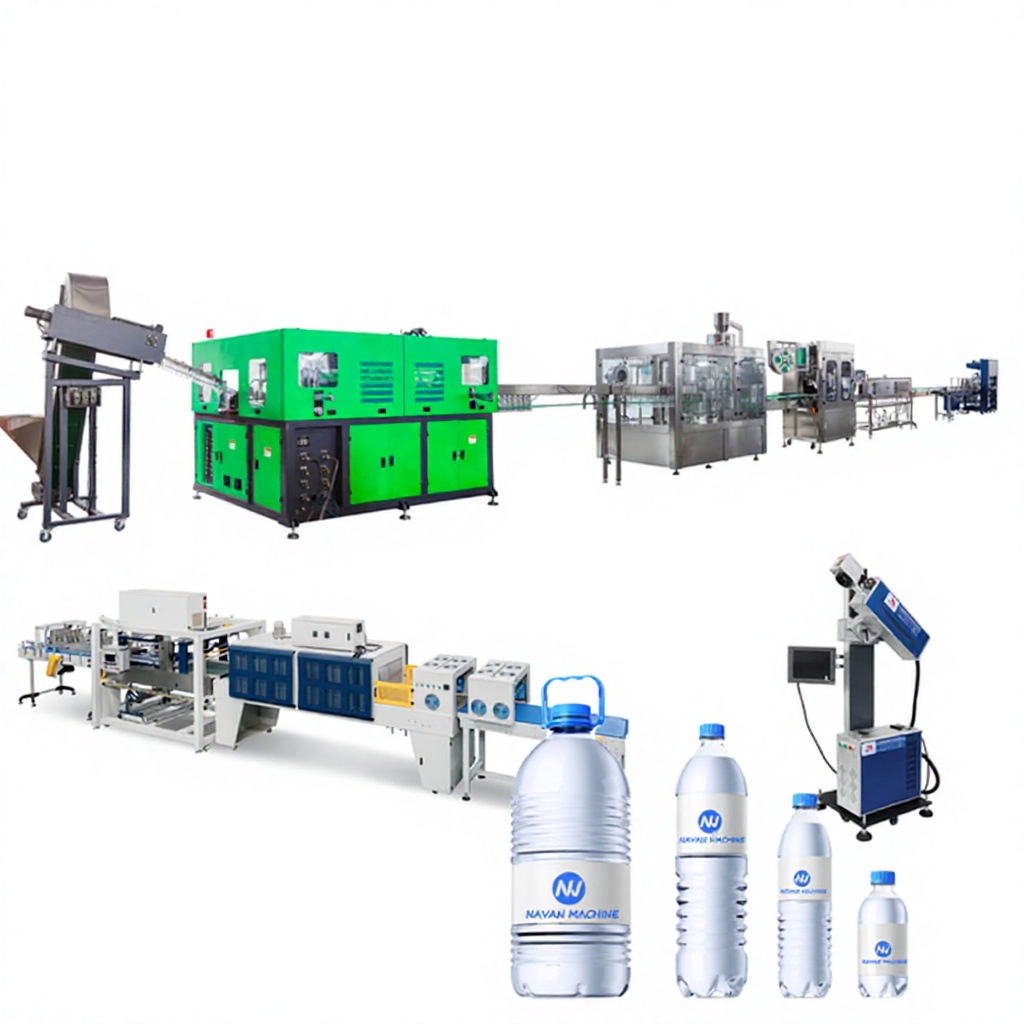
Automatic Bottled Water Production Line Blowing Rinsing Filling Capping 1000-36000BPH
View Machine Specs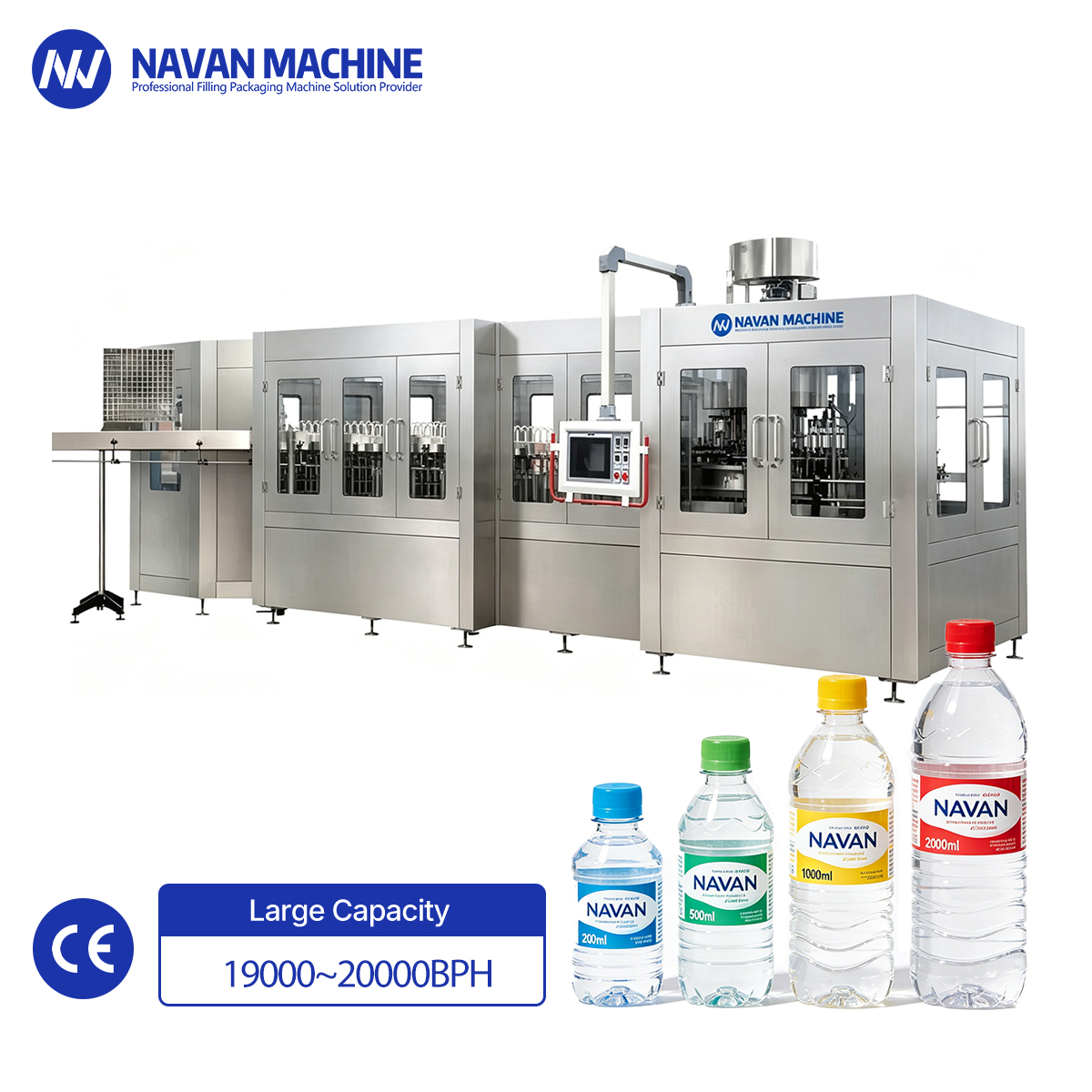
High Capacity PET Beverage Bottling Production Line XGF40-40-12 Combined System
View Machine Specs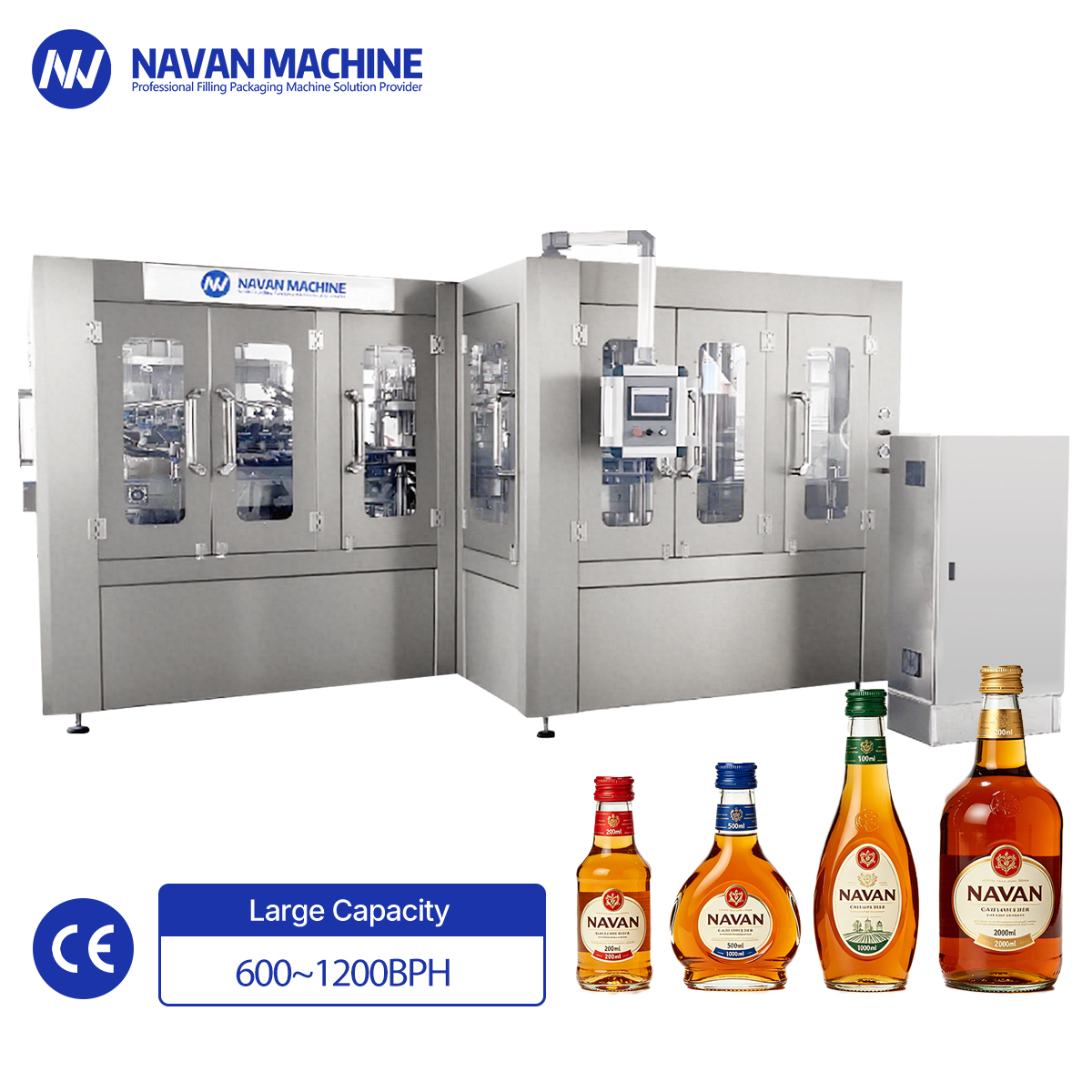
600-1200BPH Fully Automatic Glass Bottle Production Line CE Certified PLC Controlled
View Machine Specs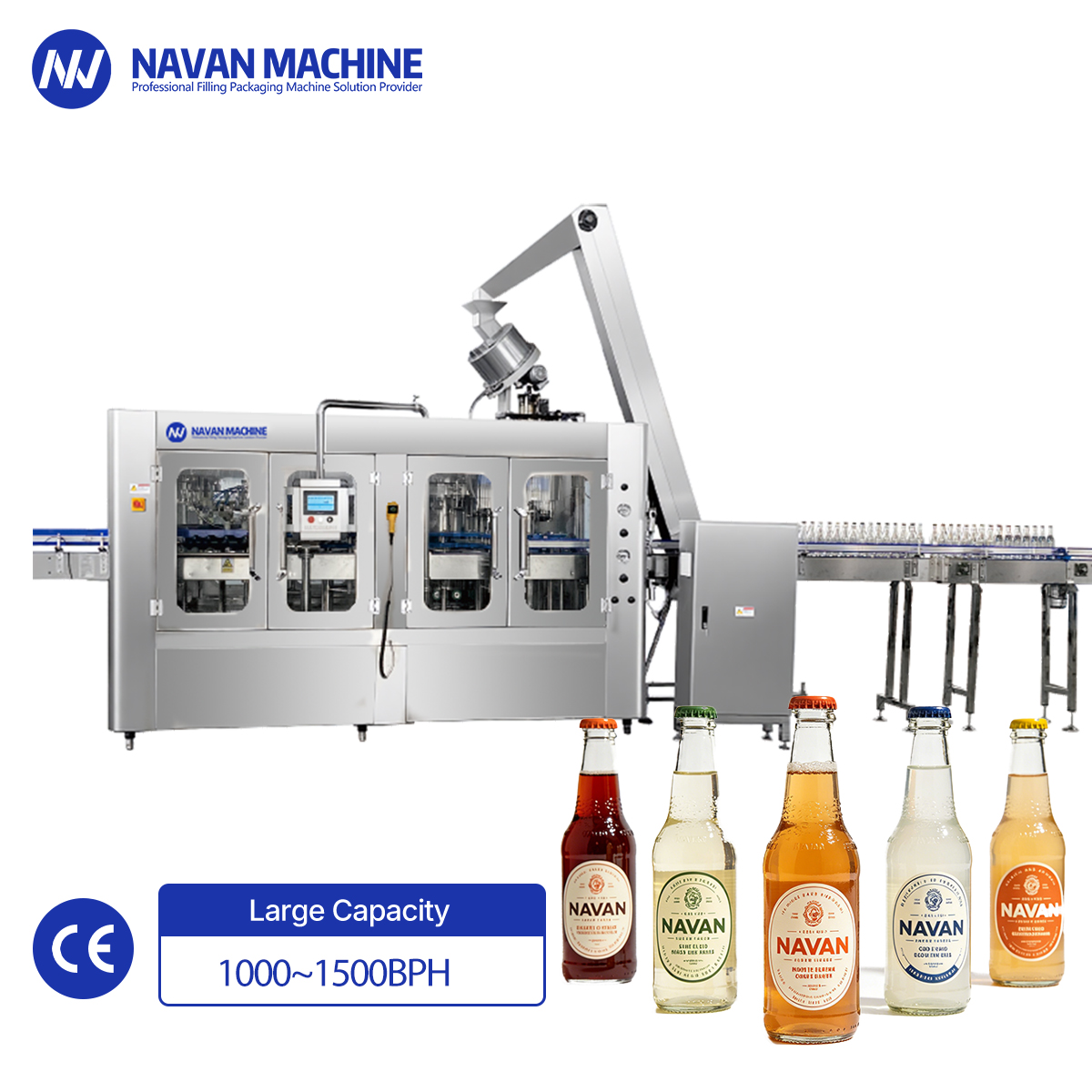
Full Automatic Glass Carbonated Beverage Bottling Line High-Accuracy Remote Control
View Machine SpecsEngineering Principles of Wine & Sensitive Liquid Filling Systems
In the commercial viticulture and alcoholic beverage packaging sectors, selecting an optimal filling system requires a rigorous evaluation of micro-oxygen management, volumetric precision, sterility protocols, and mechanical integrity. As a premier China wine filling machine supplier and turnkey packaging systems manufacturer, Zhangjiagang Osnib Machine Co., Ltd. builds specialized bottling infrastructure engineered to combat oxidation, aroma degradation, and microbial contamination.
1. Micro-Oxygen Pickup & Oxidation Control
Wine is chemically vulnerable to oxygen interaction. Excessive exposure to ambient air during bottling triggers irreversible oxidative damage, resulting in browning, degradation of delicate esters, loss of varietal fruit aroma, and premature aging. Advanced wine filling systems utilize Low-Vacuum Gravity or Isobaric Electro-Pneumatic Valves combined with dual-stage pre-evacuation.
Prior to product injection, the empty glass bottle undergoes a double vacuum cycle interspaced with high-purity Nitrogen (N₂) or Carbon Dioxide (CO₂) gas sparging. This mechanical sequence evacuates up to 99.2% of atmospheric oxygen from inside the bottle, maintaining Dissolved Oxygen (DO) pickup levels under 0.03 to 0.05 mg/L.
2. Fill Level Consistency & Fill Valve Architecture
Standard liquid filling machines rely on timed gravity flows that can vary under fluid temperature shifts and viscosity changes. High-precision wine bottling plants implement Low-Vacuum Level-Sensing Filling Nozzles or flowmeter-driven volumetric valves.
In level-sensing configurations, a slight negative pressure (-0.02 to -0.04 MPa) draws liquid smoothly down the inner walls of the bottle via a gentle bell-shaped spreader valve. This design prevents frothing, reduces turbulent splash, and ensures fill height uniformities within ±1mm across standard 750ml Bordeaux, Burgundy, or Flute glass geometries.
Technical Matrix: Filling Valve Systems for Beverage & Wine Bottling
A comparative analysis of operational parameters across primary filling methodologies applied in commercial bottling plants:
| Filling Technology | Applicable Liquid Types | DO Pickup Control | Fill Precision | Hygienic Rating |
|---|---|---|---|---|
| Low-Vacuum Gravity | Still Red/White Wines, Spirits, Sake | Excellent (<0.04 mg/L N₂ flushed) | ±1.0 mm level | 316L Sanitary CIP |
| Isobaric Mechanical Valve | Sparkling Wine, Cider, Beer, CSD | Superior (Double Pre-Evacuation) | ±1.5 mm level | Closed-Loop CIP |
| Flowmeter Volumetric | High-Value Spirits, Fortified Wines | Maximum (Controlled Headspace) | ±0.2% volume | Aseptic Hygienic |
| Piston Servo System | Edible Oils, Viscous Sauces, Syrups | Standard Air Exclusion | ±0.5% volume | CIP / COP Compatible |
Future Procurement Trends in Wine & Liquid Packaging (2025–2030)
Global wine producers, beverage contract packers, and wholesale distributors are navigating shifts in sustainability metrics, energy costs, lightweight packaging materials, and labor availability. B2B buyers seeking long-term competitive advantages should evaluate the following macro procurement trends:
Smart Factory & IoT Diagnostics
Future-ready lines feature integrated IIoT telemetry, Siemens or Allen-Bradley PLC architectures, and remote cloud analytics. Real-time overall equipment effectiveness (OEE) tracking, predictive maintenance alerts for valve seal replacements, and automated yield reports are now mandatory for high-capacity wineries.
Ultra-Lightweight & Hybrid Containers
To reduce carbon footprints and ocean freight fees, glass manufacturers are producing ultra-lightweight glass bottles. Filling machinery must incorporate servo-controlled bottle handling, soft-touch neck clamps, and starwheel buffers to eliminate mechanical shock and bottle breakage during high-speed transfer.
Energy Efficiency & Eco-CIP
Modern wine lines incorporate recirculating Clean-In-Place (CIP) systems that filter and re-use cleaning chemicals, hot water, and sterile rinses. Combined with servo-driven main motors and variable frequency drives (VFDs), overall electricity consumption is reduced by 22% compared to traditional mechanical gearlines.
Technological Breakthroughs in Modern Wine Bottling Lines
Technological evolution in China's manufacturing sector has transformed Zhangjiagang into a global epicenter for beverage automation engineering. The latest generation of wine filling machinery incorporates state-of-the-art electro-pneumatic control mechanisms, integrated capping turrets, and automated inline inspection systems.
Multi-Closure Versatility (Cork, ROPP, Crown, Screw Cap)
Commercial wine distributors frequently require flexible packaging formats across different product lines. Modern bottling monoblocks integrate multi-head capping turrets capable of switching between natural wooden corks, synthetic t-corks, aluminum ROPP (Roll-On Pilfer-Proof) screw caps, and crown caps with minimal mechanical changeover time.
Capping heads utilize magnetic torque controls to prevent over-tightening or thread stripping on aluminum caps, ensuring airtight hermetic seals that preserve bottle pressure and prevent ullage leakage during transoceanic shipping.
Aseptic Sanitation & Automated CIP Integration
Microbial contamination by wild yeasts (e.g., Brettanomyces) or acetic acid bacteria can ruin entire vintage batches. Osnib Machine designs liquid filling channels using mirror-polished SS316L stainless steel with zero-dead-leg valve bodies. Automatic dummy cups swing into place during automated CIP cycles, permitting full 85°C hot water thermal sterilization and caustic solution circulation through all fluid conduits.
Need a Customized Wine Bottling Line Proposal?
Our senior engineering team provides complete plant layout CAD drawings, volumetric calculations, and turnkey machine configurations tailored to your target output and container specs.
Contact UsEnterprise Strengths & Global Manufacturing Supremacy
Located in Zhangjiagang City, Jiangsu Province, China, Zhangjiagang Osnib Machine Co., Ltd. stands as a premier turnkey manufacturer and exporter of liquid filling, blowing, labeling, and packaging machinery. Combining advanced R&D with strict quality assurance, Osnib delivers world-class industrial machinery to over 40 countries across North America, South America, Africa, Russia & CIS, and Southeast Asia.
Factory & Trade Integration
As a direct manufacturing facility equipped with modern CNC machining centers, precision assembly bays, and an in-house engineering team, we eliminate intermediary trading markup. Sales technical managers and senior mechanical engineers work under one roof, guaranteeing accurate translation of customer specifications directly onto the factory floor.
TÜV Rheinland Verified & CE Certified
Our manufacturing infrastructure has passed rigorous onsite supplier assessments conducted by TÜV Rheinland. Core filling, PET blowing, sleeve labeling, and automatic palletizing models carry full CE certification, complying with European Union machine safety directives and low-voltage electrical safety standards.
Localized Overseas After-Sales Infrastructure
To resolve the common B2B challenge of delayed overseas technical support, Osnib Machine maintains dedicated regional hubs:
- Headquarters (Zhangjiagang, China): Central engineering, custom mold design, and global project coordination led by senior engineering consultants.
- Russia Branch Office: Situated in Goryachy Klyuch, Krasnodar Krai, providing direct service, spare parts stocking, and Russian-language field technical assistance.
- Africa Regional Branch: Located in Kigali, Rwanda, providing localized commissioning, installation engineers, and operator training across East and West Africa.
B2B Buyer FAQ: Industrial Wine Bottling & Packaging Lines
Direct engineering responses to frequently asked operational, technical, and commercial questions from beverage plant owners and project managers:
Ready to Optimize Your Liquid Packaging Plant?
Partner with China's leading wine filling machine supplier & packaging machinery wholesaler. Contact our engineering team today for technical consultation, detailed equipment quotations, and layout drawings.
Contact Us