Featured OEM Carbonated & Beverage Packaging Machinery
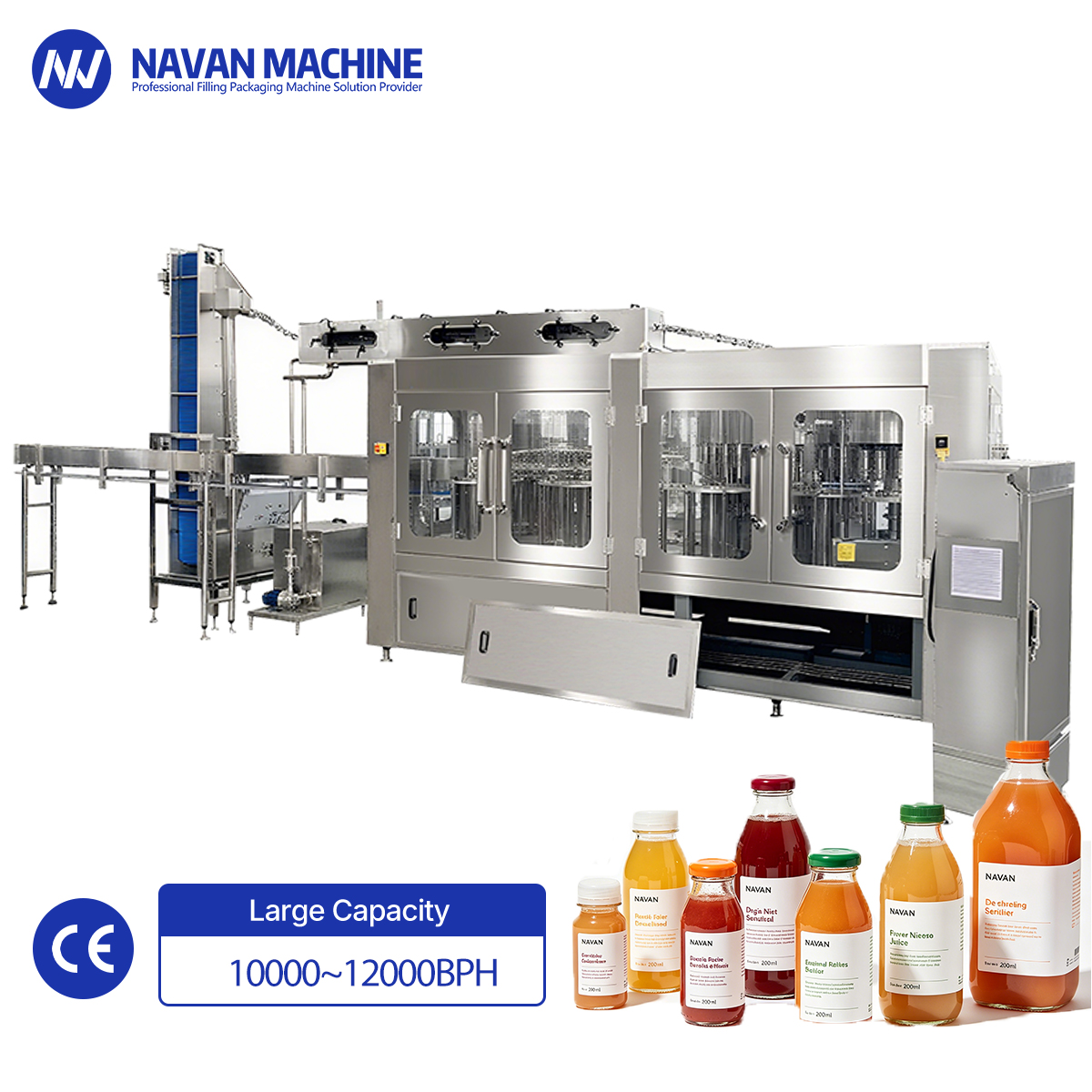
10000-12000 BPH PLC Automatic Fruit Juice Processing Line 24 Filling Heads PET Bottle Liquid Bottling Equipment CE Certified
View Product Details
Industrial XGFD40-40-10 PLC Controlled Automatic Carbonated Drink Filling Machine 200-2000ml Plastic Bottle CSD Machinery
View Product Details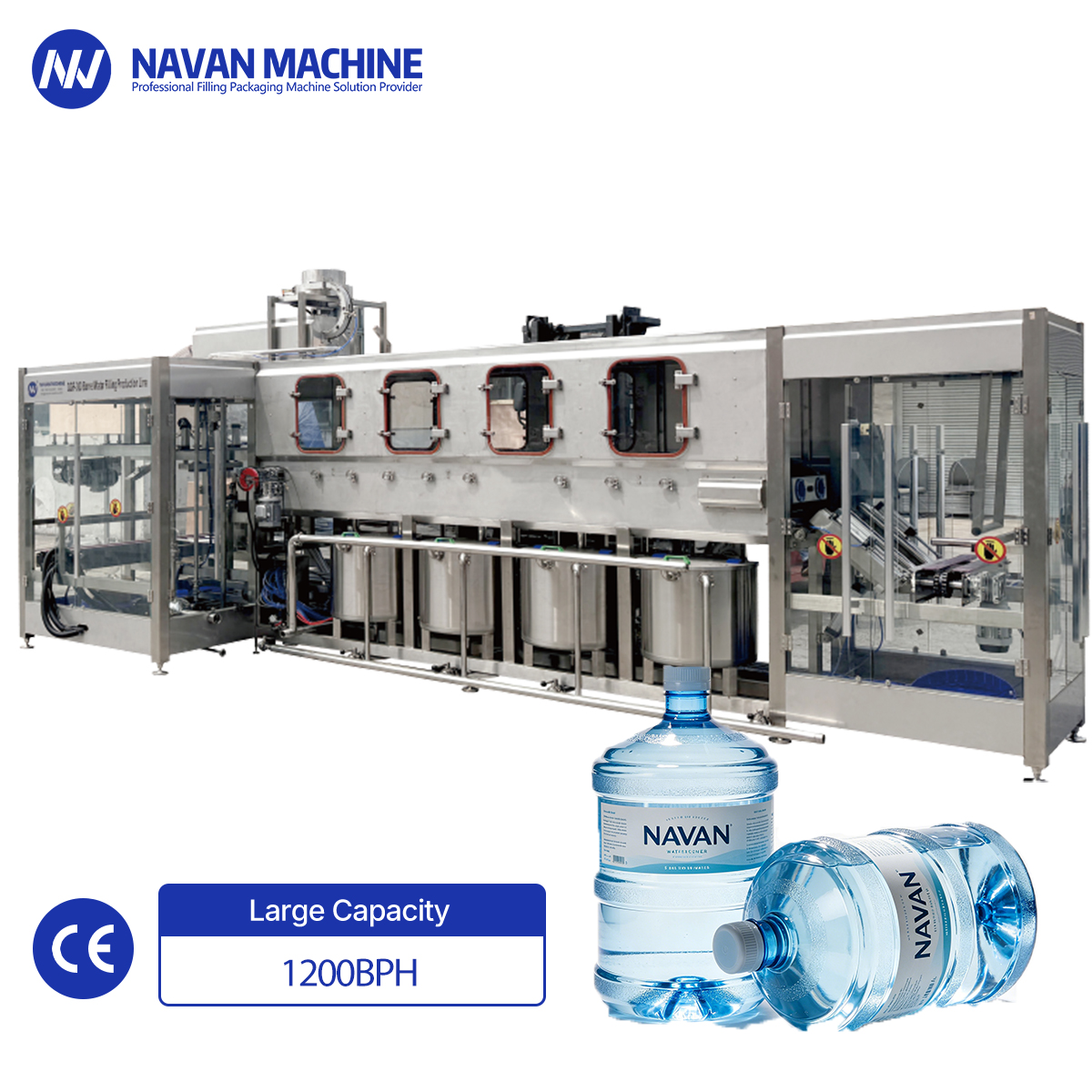
Industrial Automatic 18.9L PET Barrel Water Filling Plant 1200BPH 5 Gallon Rinser Filler Capper PLC Controlled Eco-Friendly
View Product Details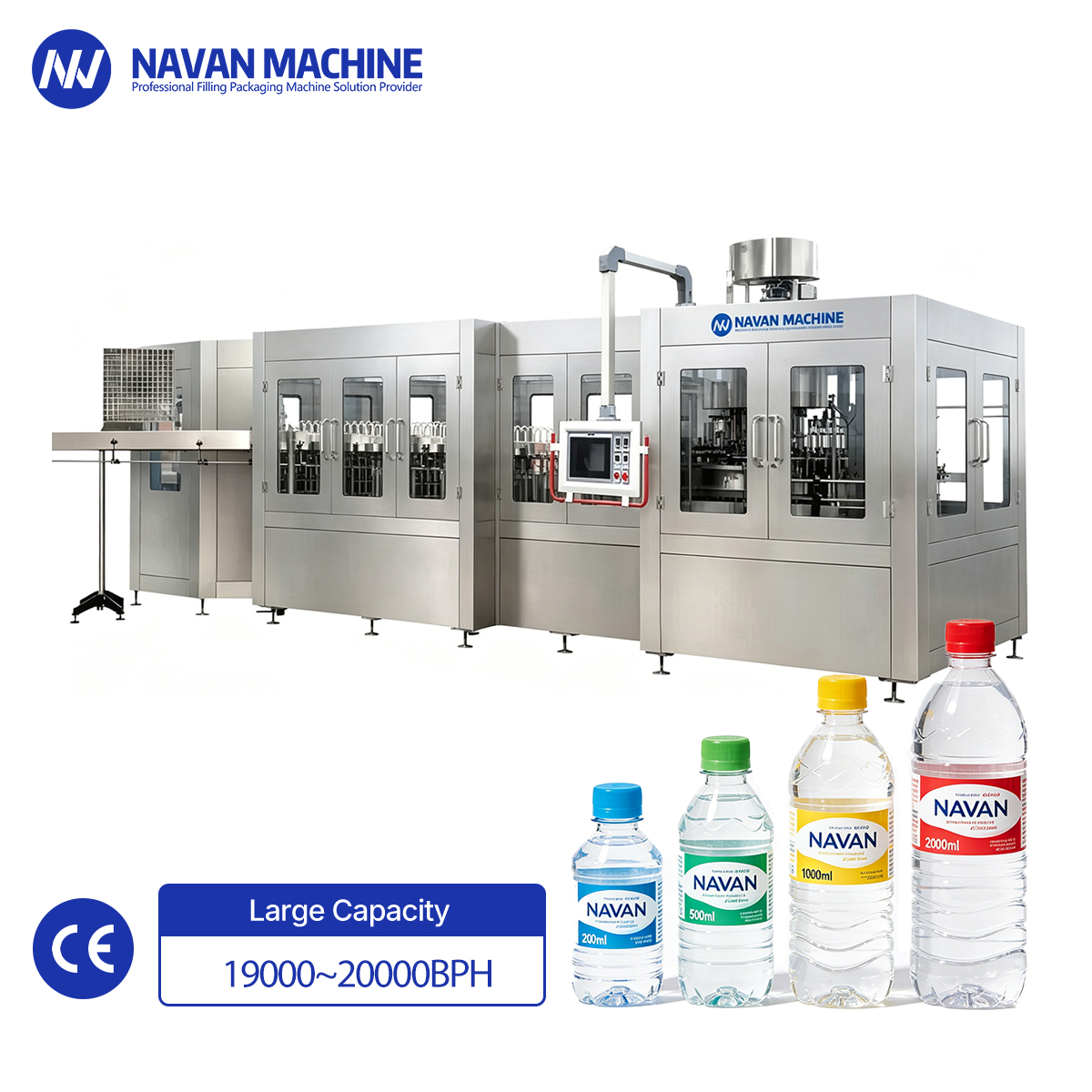
High Capacity PET Beverage Bottling Production Line XGF40-40-12 Electric Auto Combined Water Filling Machinery Navan Brand King
View Product Details
Automatic 10-20L Barrel Water Filling Machine 400-450BPH 3 Nozzle Washing Capping Line Mechanical PLC 415V
View Product Details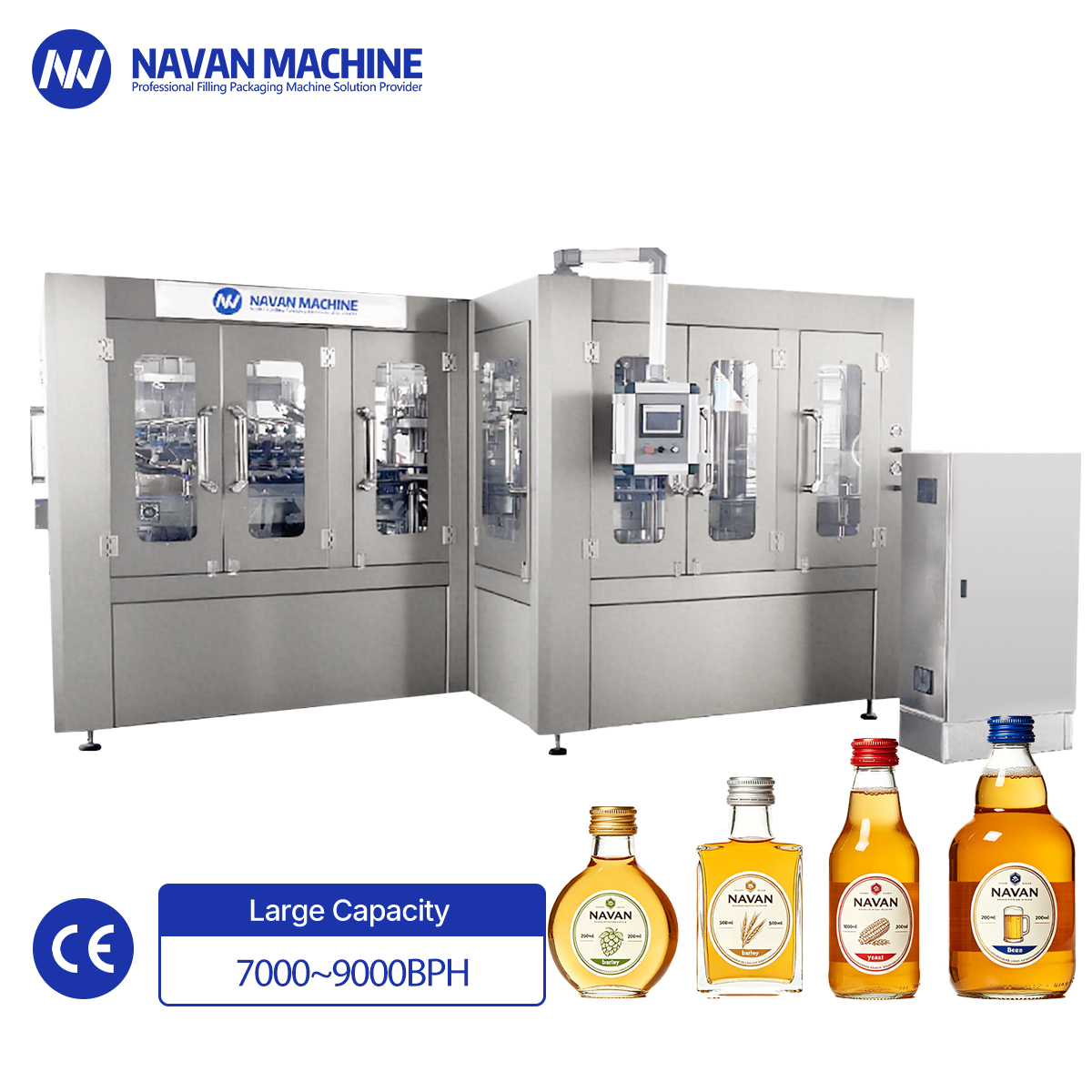
7000-9000BPH Automatic Isobaric Beer Filling Machine 32 Nozzle Glass Bottle Production Line CE Certified
View Product Details
NPXZGF24-18-24-6PRO 200ml-2000ml High Productivity Automatic Mechanical PLC-controlled Beer Bottling Line for Plastic Bottles
View Product Details
Automatic Aluminum Can Filler Seamer 4000BPH High Precision PLC Touch Screen for Beer Beverage Packaging
View Product DetailsCustom OEM Carbonated Beverage Filling Machine Factories: Technological Standards & Plant Selection Guide
An in-depth technical analysis for plant directors, procurement managers, and beverage engineers evaluating high-efficiency carbonated soft drink (CSD), sparkling water, and craft soda bottling equipment.
Isobaric Pressure Balance
State-of-the-art counter-pressure valves ensure precise gaseous CO₂ saturation maintainability up to 4.5+ volumes, preventing unwanted foaming, beverage degradation, and fill-level variance at speeds exceeding 12,000 BPH.
Sanitary CIP Integration
Fully automated Clean-In-Place (CIP) recirculation manifolds constructed with AISI 316L stainless steel contact zones guarantee thermal sterilization up to 85°C, ensuring compliance with strict international food safety standards.
Multi-Container Versatility
Customizable neck-handling mechanical starwheels allow seamless quick-changeover adaptation across PET lightweight bottles, traditional glass bottles with crown/screw closures, and sleek aluminum cans.
1. The Fluid Dynamics of Isobaric Carbonated Filling Machinery
Filling carbonated beverages—including carbonated soft drinks (CSD), sparkling mineral water, energy drinks, and sparkling beer—presents complex mechanical and thermodynamic challenges that separate basic liquid packaging systems from specialized Custom OEM Carbonated Beverage Filling Machine Factories. Unlike still water or hot-filled juices, carbonated liquids contain dissolved carbon dioxide gas ($CO_2$) held under pressure. If pressure drops precipitously during filling, Henry's Law dictates that the gas will rapidly come out of solution, causing uncontrollable foaming, volumetric inaccuracy, product loss, and bottle neck contamination.
To preserve precise carbonation levels ($CO_2$ volumes ranging typically from 2.5 g/L to 8.0 g/L), modern industrial bottling facilities utilize Isobaric Counter-Pressure Filling Technology. The operational cycle follows an exact four-stage sequence:
- Pressurization & Equalization: The container (PET bottle, glass bottle, or aluminum can) is sealed against the filling valve gasket. Compressed $CO_2$ or sterile air is injected into the container until internal gas pressure matches the liquid pressure inside the isobaric filler bowl (typically 0.2 to 0.4 MPa).
- Laminar Liquid Gravity Flow: Once pressure equilibrium is achieved, the mechanical or pneumatic liquid valve opens. Gravity draws the cold carbonated beverage ($0-4^\circ C$) down the interior walls of the bottle via a swirl spreader, allowing gas to escape back into the bowl air space through a vent tube without causing turbulence or nucleation points.
- Precision Shut-off: Liquid continues flowing until it reaches the lower edge of the gas vent tube. The rising liquid blocks the gas outlet, instantly halting the fill cycle at an exact volumetric height.
- Controlled Snifting (Degassing): The most critical phase. The pressure above the liquid neck space is relieved through a micro-metered exhaust valve. Slow, multi-stage degassing prevents sudden flash-boiling or foaming before the bottle is unsealed and transferred to the capping head.
Technical Comparison: Filling Valve Technologies in CSD Factories
When evaluating original equipment manufacturers (OEMs), buyers must match their target throughput (BPH) and beverage viscosity with the appropriate valving mechanism:
| Technology Type | Filling Accuracy | Max Output Range | Container Suitability | CIP Cleanability | Target Application |
|---|---|---|---|---|---|
| Mechanical Isobaric Valve | ±2.0 mm fill level | 2,000 – 18,000 BPH | PET & Glass Bottles | Manual / Semi-Auto Fake Bottles | Standard CSD, Sparkling Water, Craft Soda |
| Electro-Pneumatic Valve | ±1.0 mm fill level | 6,000 – 36,000 BPH | PET, Glass, Aluminum Cans | Automated CIP Manifold System | High-BPM Multi-Flavor Soft Drink Lines |
| Electronic Mass Flowmeter (EFC) | ±0.2% by volume | 12,000 – 48,000 BPH | Universal (Contactless) | Full Automated Closed-Loop CIP/SIP | Premium Spirits, High-Value Carbonates, Energy Drinks |
| Piston Viscous Filler | ±0.5% by volume | 1,000 – 8,000 BPH | Wide-mouth Jars & Buckets | Sanitary Cleanout Valves | Viscous Sauces, Honey, Edible Oils |
2. Key Procurement & Machinery Trends (2025–2030 Outlook)
The global carbonated beverage equipment market is undergoing a rapid transition toward decarbonization, high-automation modularity, and reduced total cost of ownership (TCO). Procurement directors searching for direct factory partnerships are prioritizing several macro technical trends:
Blowing-Filling-Capping Combi-Blocks
Eliminating air conveyors between preform blowing and isobaric filling reduces floor space requirements by up to 30%, eliminates intermediate bottle contamination risk, and lowers electrical consumption by 15-20%.
Ultra-Lightweight PET Handling
Advanced neck-hanging transfer starwheels enable factories to handle lightweight preforms (down to 9.5g for 500ml bottles) without structural deformation during high-pressure isobaric clamping cycles.
Smart PLC IoT Telemetry
Integrated Siemens/Mitsubishi PLC architectures with cloud-connected remote diagnostics allow OEM engineers to perform real-time valve calibration, operational monitoring, and predictive maintenance globally.
Why Leading Beverage Brands Select Zhangjiagang Osnib Machine Co., Ltd.
Located in Zhangjiagang City—China's premier manufacturing cluster for beverage machinery—Zhangjiagang Osnib Machine Co., Ltd. represents a fully integrated engineering and production enterprise. Unlike commercial trading intermediaries, Osnib Machine operates dedicated workshop facilities equipped with precision CNC machining centers, dynamic balancing rigs, and automated testing bays.
- TÜV Rheinland Onsite Verified Supplier: Audited manufacturing premises, legal compliance, and technical production capacity.
- Full CE Certification: Complete alignment with European machinery safety standards (2006/42/EC) across blowing, filling, labeling, and palletizing modules.
- Turnkey Engineering Support: In-house engineering teams handle complete workshop layout design, utility routing (air, water, electricity, $CO_2$), bottle design, and label artwork optimization.
- Direct Overseas Service Hubs: Regional engineering support and spare parts hubs operating in Kigali, Rwanda (Africa Branch) and Goryachy Klyuch, Krasnodar Krai (Russia Office).

Frequently Asked Questions (FAQ) for OEM Bottling Machinery
Technical answers to standard operational, financial, and logistical questions raised by plant engineers and importers.
Q: What is the Minimum Order Quantity (MOQ) and production lead time?
The MOQ is 1 complete set (whether a standalone monoblock filling machine or a complete turnkey production line). Standard manufacturing lead time ranges from 30 to 45 working days depending on machine complexity, custom voltage requirements (e.g., 380V 50Hz, 415V 50Hz, 220V 60Hz), and bottle format tooling.
Q: How does Osnib Machine guarantee carbonation stability in high-ambient temperature climates?
Carbonated drinks require low liquid temperatures ($0-4^\circ C$) to maximize $CO_2$ solubility. We supply high-efficiency plate heat exchangers and automatic $CO_2$ mixers (carbo-coolers) integrated with deaeration tanks. This ensures air/oxygen is removed from feed water before carbonation, guaranteeing stable gas retention up to 4.5 vol even in tropical operating environments.
Q: Can a single OEM filling line switch between PET bottles, glass bottles, and aluminum cans?
While PET and glass bottles can share a filling monoblock via modular changeover parts (starwheels, guide plates, and dual-purpose capping heads for screw/crown caps), aluminum cans require a specialized rotary filler-seamer configuration due to their open-top lid seaming mechanism. We custom-engineer lines to share central CIP systems, pasteurizers, and end-of-line shrink wrappers.
Q: What trade terms, delivery options, and payment methods are accepted?
We support all standard international commerce terms including FOB, CFR, CIF, EXW, CIP, FCA, DDP, and DDU. Flexible payment structures are available via T/T (Telegraphic Transfer), L/C at sight, MoneyGram, Credit Card, and Western Union in major currencies including USD, EUR, GBP, and CNY.
Q: What after-sales installation, commissioning, and warranty support is provided?
Every machine includes a 12 to 24-month warranty on main mechanical and electrical components. We dispatch experienced commissioning engineers for onsite installation, pipeline connection, PLC setup, and operator training. Additionally, localized fast-response engineering teams operate out of our branches in Kigali, Rwanda and Goryachy Klyuch, Russia.
Q: How do I request a customized workshop layout and commercial quotation?
Simply submit your building dimensions, target capacity (BPH), bottle sample dimensions (height, diameter, neck size), and product details through our instant inquiry portal. Our engineering department will generate a 2D/3D CAD workshop layout drawing and full itemized quotation within 24 hours.
Accelerate Your Bottling Plant Expansion Today
Partner directly with a TÜV-verified manufacturer. Share your project requirements with our engineering team for customized machine specifications, plant layout CAD drawings, and factory-direct pricing.