High-Performance Bottling & Piston Packaging Equipment
Explore our TÜV Rheinland-assessed and CE-certified liquid packaging lines engineered for beverage, food, oil, daily chemical, and industrial applications.
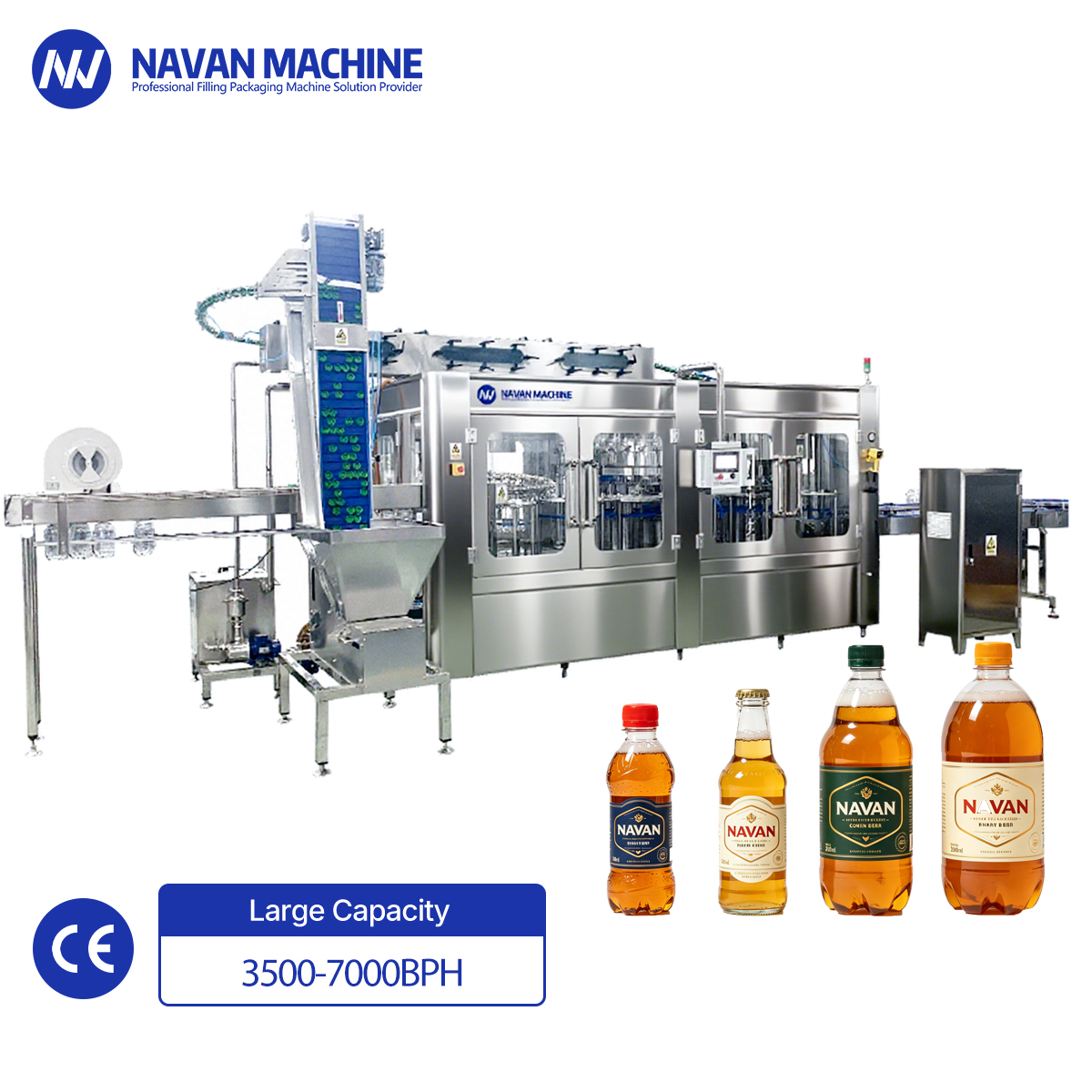

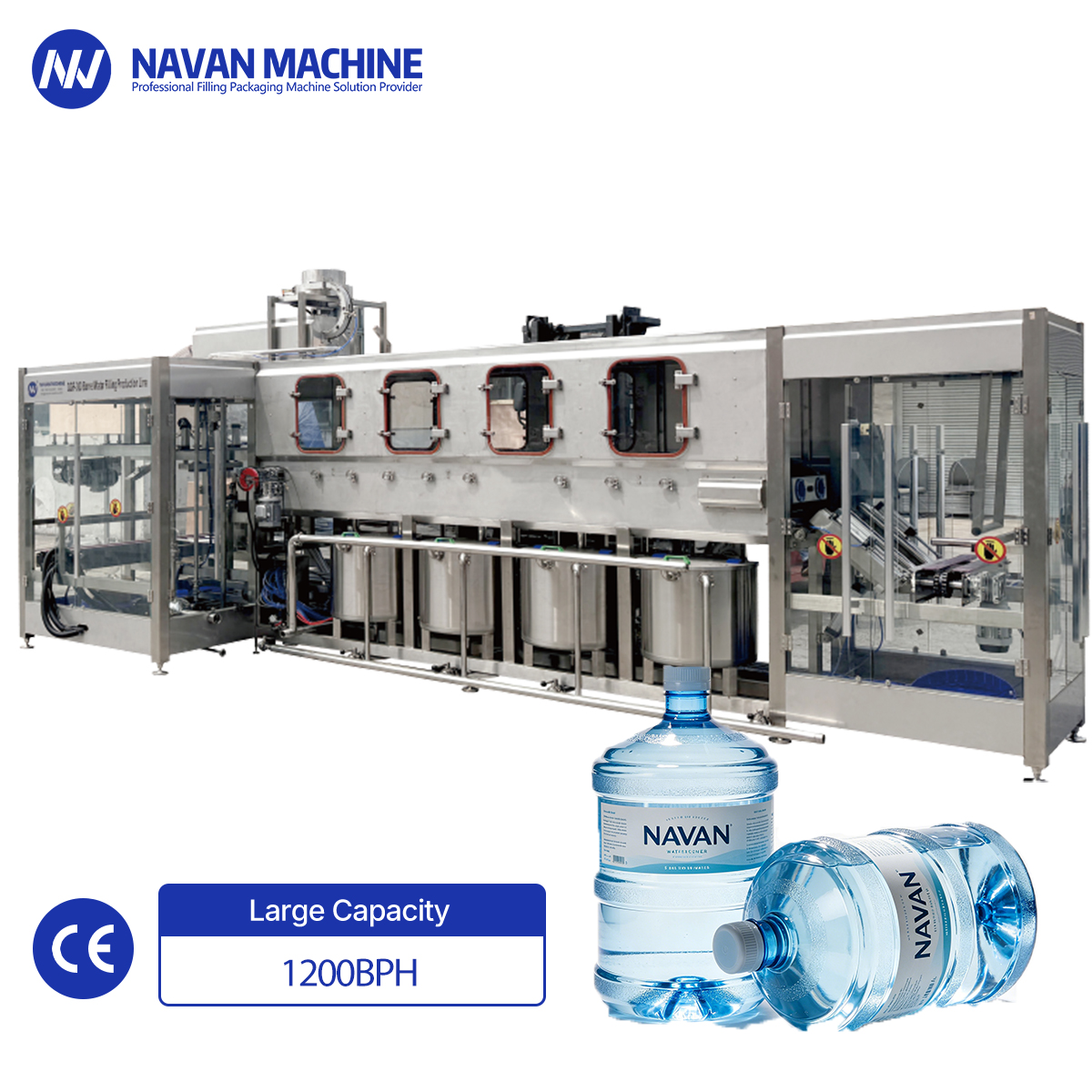
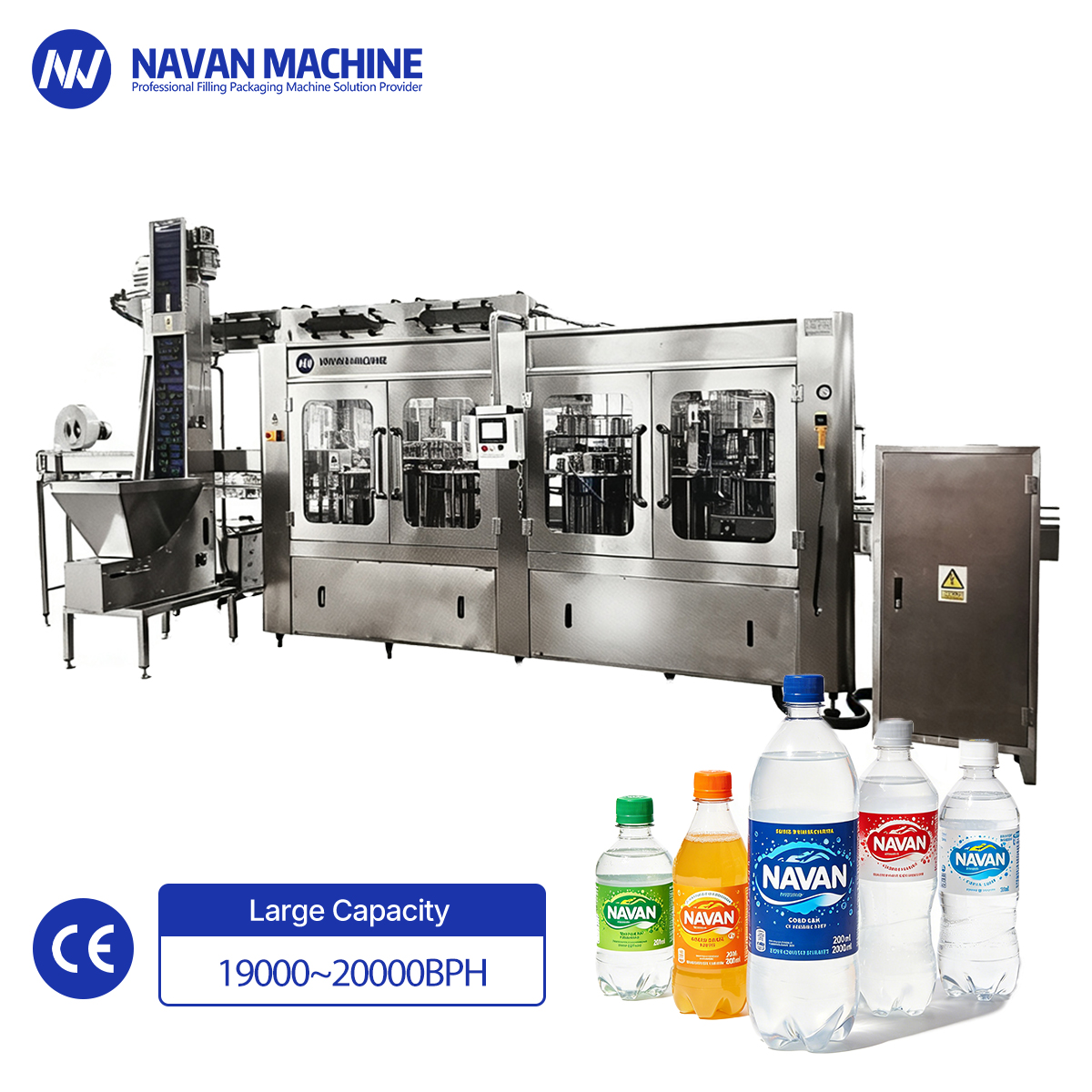
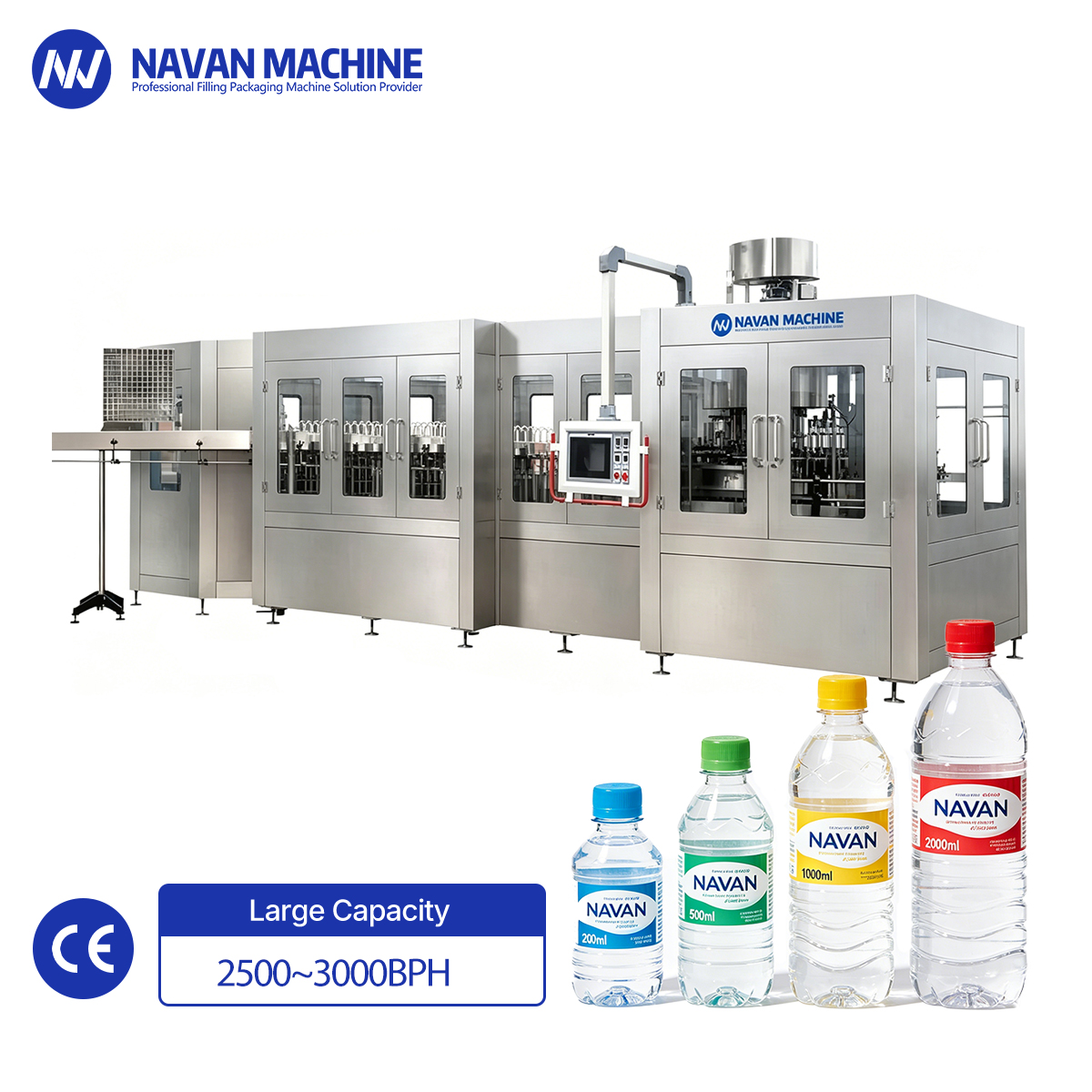
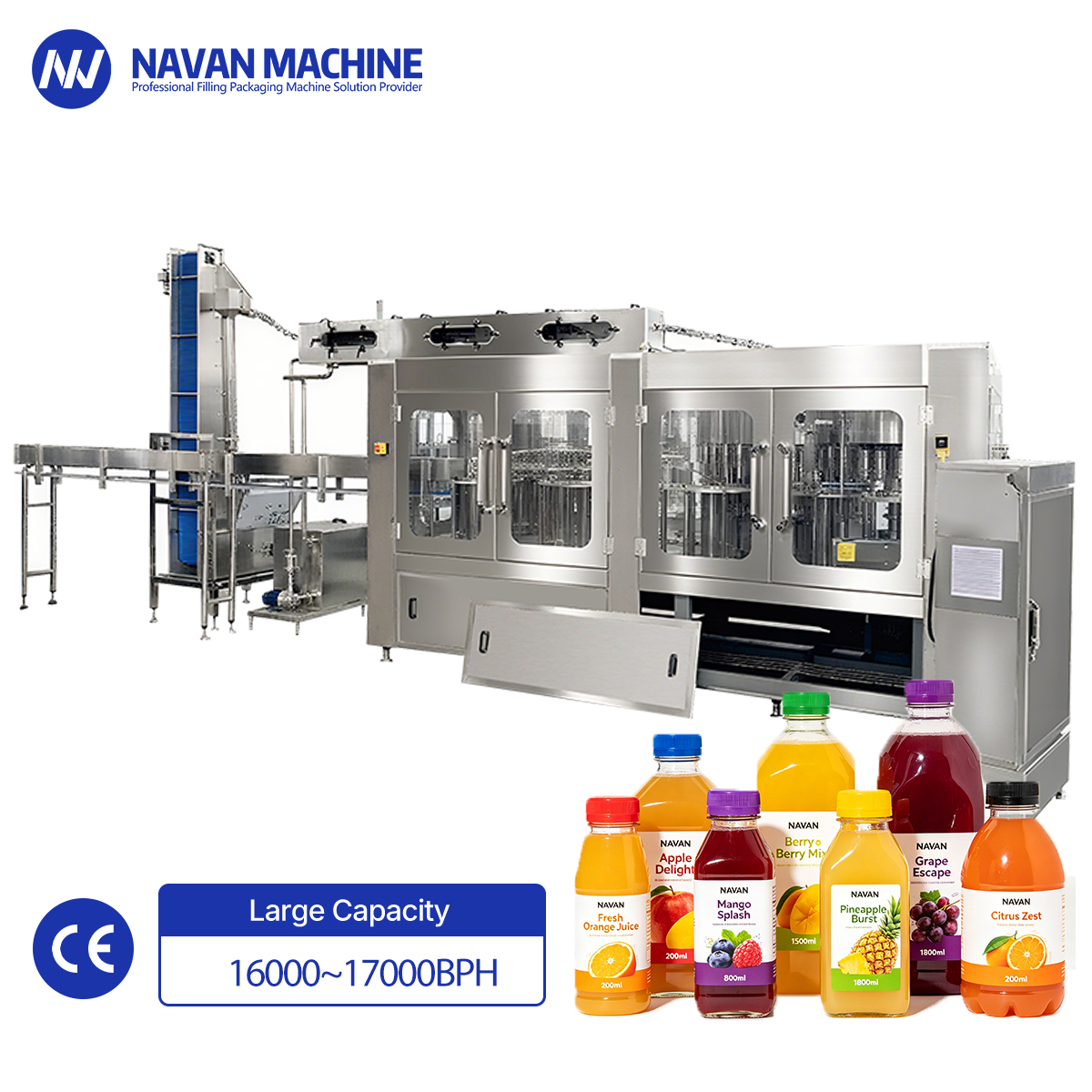

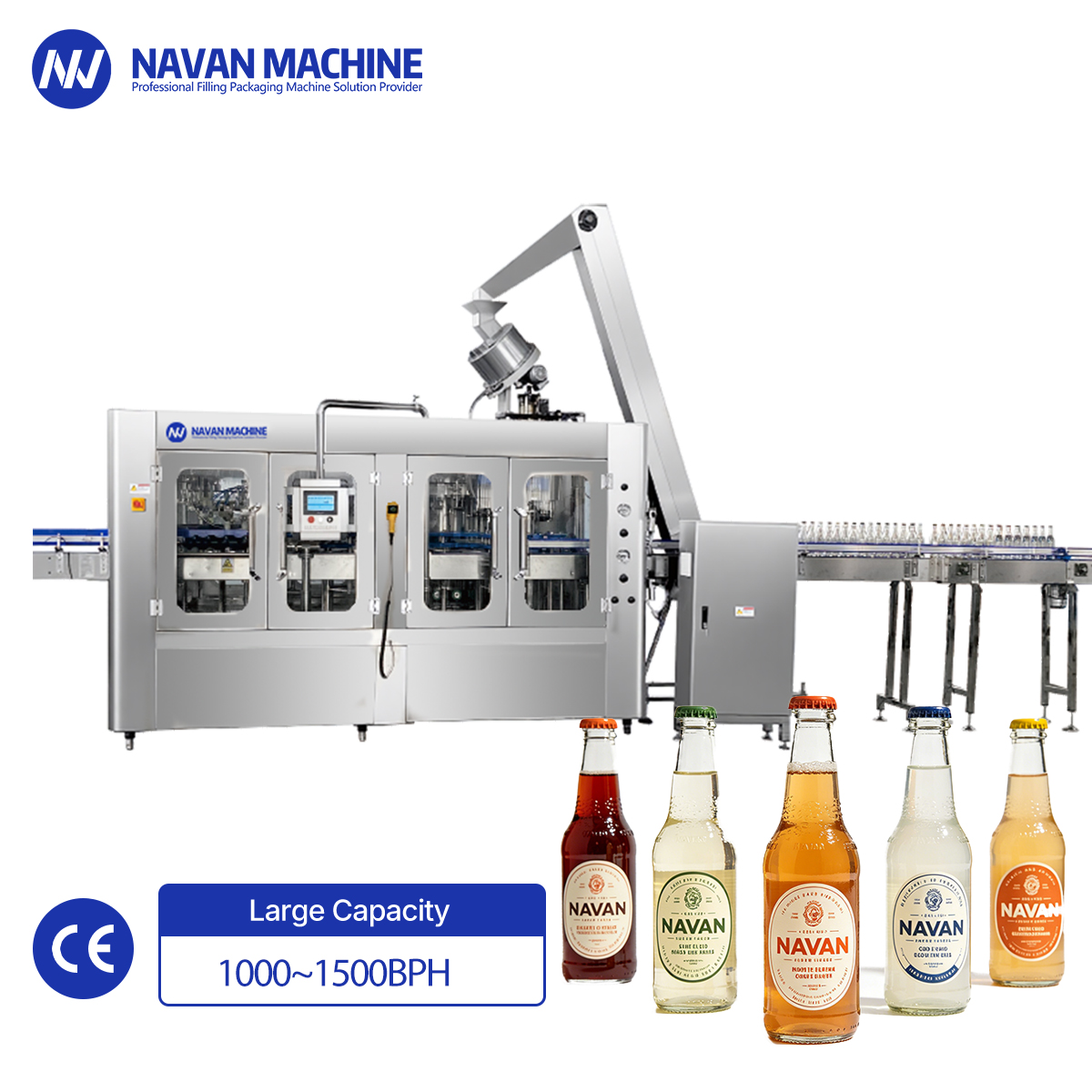
Why Top Global Beverage & Chemical Brands Partner With Osnib Machine
Zhangjiagang Osnib Machine Co., Ltd. combines specialized mechanical engineering with end-to-end manufacturing oversight to supply precision-engineered filling systems across 40+ countries.
Integrated Manufacturing & Export Base
Unlike trading intermediaries, Osnib operates an integrated engineering and fabrication facility in Zhangjiagang, China. Direct factory oversight guarantees strict tolerance control, zero loss of specs during translation, and genuine ex-factory pricing.
TÜV Rheinland & CE Compliance
Our operations have undergone comprehensive onsite audit by TÜV Rheinland. Every volumetric piston filler, rotary monoblock, and packaging unit comes certified with European Union CE compliance standards and full SANITARY SS316L material traceability.
Global Onsite After-Sales Network
With established local service hubs in Kigali (Rwanda) for the African continent and Goryachy Klyuch (Krasnodar Krai) for Russia/CIS, Osnib delivers rapid technician dispatch, localized spare parts holding, and 7x24 remote diagnostic assistance.
Volumetric Piston Filling Technology: Operational Mechanics & OEM Engineering Excellence
An authoritative engineering analysis on volumetric displacement mechanics, liquid rheology, sanitary cylinder design, and automated CIP integration for industrial packagers.
1. Fundamentals of Volumetric Piston Displacement Mechanics
In modern industrial liquid packaging, volumetric piston filling machines represent the pinnacle of versatility and precise dosing for medium-to-high viscosity fluids, particulate sauces, suspensions, and non-Newtonian liquids. The core operational dynamic relies on positive displacement kinematics: a high-precision machined piston retracts within a calibrated honed cylinder, creating a negative differential pressure gradient that draws product from a balance tank or manifold via a three-way rotary valve or pneumatic check valve.
When the piston completes its intake stroke, the rotary valve shifts position to isolate the supply manifold and open the discharge path. The forward stroke of the piston forces the precise fluid volume through a anti-drip diving nozzle into the target container. Because fluid compression in atmospheric liquid packaging is negligible, volumetric accuracy remains exceptional—achieving tolerances as tight as ±0.2% to ±0.5% across operational ranges from 50ml up to 5000ml.
2. Pneumatic Actuation vs. Servo-Motor Kinematic Control
Custom OEM piston machine manufacturers evaluate drive mechanisms based on throughput demands, fluid viscosity, and fill velocity profiles:
- Pneumatic Cylinder Actuation: Utilizes dual-acting AirTAC or Festo pneumatic cylinders driven by solenoid valves and mechanical stroke limit switches. Ideal for cost-sensitive start-ups or hazardous explosion-proof environments (e.g., solvent filling). However, velocity adjustments are non-linear and require manual mechanical stop adjustments during batch changeovers.
- Multi-Axis Servo Motor Control: Utilizes high-torque Panasonic, Siemens, or Schneider servo drives linked to precision ball-screws or linear actuators. Servo kinematics allow micro-step stroke adjustments directly via the HMI touchscreen. Furthermore, servo driving enables multi-stage velocity profiling—slowing down fill speed during liquid neck rise to prevent splashback, foaming, or fluid sloshing in narrow-neck containers.
3. Fluid Rheology & Custom Valve Design Engineering
Selecting the appropriate rotary valve configuration is vital when handling distinct rheological properties:
| Valve Type | Target Fluid Rheology | Viscosity Range (cP) | Mechanical Features | Typical Applications |
|---|---|---|---|---|
| Pneumatic Ball Check Valve | Low to Medium Viscosity Free-Flowing Fluids | 1 - 2,500 cP | Gravity ball-reseat; low friction; simple teardown | Purified water, spirits, thin juices, vinegar, light oil |
| 3-Way Rotary Plug Valve | High Viscosity & Shear-Sensitive Pastes | 2,500 - 50,000 cP | Full-port passage; active rotary actuation; zero shear distortion | Honey, tomato paste, mayonnaise, skin cream, thick gels |
| Vertical Cut-Off Valve with Particulate Clearance | Suspensions with Solid Suspended Solids | 1,000 - 100,000 cP | Pneumatic scissor cut-off edge; wide aperture; non-crushing passage | Chili sauce with seeds, fruit jam with chunks, salsa, relish |
4. Anti-Drip & Bottom-Up Diving Nozzle Architecture
To eliminate stringing, dripping, and surface tension breakage during high-speed index cycles, modern OEM custom piston filling lines incorporate positive shut-off nozzles engineered with internal suction-back (vacuum drawdown) modules or pneumatic expanding-plug seals. For foaming products such as liquid detergents, soy sauce, or protein beverages, the machine features a servo-driven bottom-up dipping nozzle assembly. The nozzle tip lowers to within 5mm of the container bottom before dosing commences, gradually retracting in perfect synchronization with the liquid surface level rise.
5. Sanitary Design Standards & Clean-in-Place (CIP) Integration
Food-grade and pharmaceutical safety dictates that all liquid-contact surfaces feature Electro-Polished SS316L Stainless Steel with a surface roughness index of Ra < 0.4µm to prevent microbial adhesion. Custom OEM piston fillers engineered by Osnib integrate automatic CIP/SIP wash rings. Pneumatic piston cylinders are built with quick-release tri-clamp sanitary couplings, enabling full automated forward-and-reverse flushing cycles without requiring manual mechanical disassembly.
Future Procurement Trends in Custom OEM Piston Filling Machinery
Key technological shifts and strategic purchasing criteria shaping the next decade of automated liquid packaging technology.
1. Transition to Full Servo Digitalization & AI Recipe Recalls
Global plant operators are rapidly retiring mechanical cam and pneumatic stop systems in favor of digitally integrated multi-axis servo piston architectures. Future procurement prioritizes machines capable of storing 100+ recipe profiles in HMI touchscreens. Switching from a 250ml sauce bottle to a 5000ml edible oil jug now occurs via a single button push, auto-adjusting piston stroke length, conveyor guide rails, and nozzle diving depth within 90 seconds.
2. Industry 4.0 IoT Telemetry & Dynamic Flow Compensation
Modern OEM piston fillers are increasingly equipped with smart mass flowmeters or load cell weight feedback systems linked via Ethernet/IP or PROFINET to the central PLC. If ambient temperature fluctuations shift fluid density or viscosity during continuous 24-hour production runs, the controller dynamically calculates volumetric drift and applies auto-compensation pulses to individual servo piston drives, keeping standard deviation close to zero.
3. Modular Turnkey Line Integration
B2B buyers are moving away from purchasing isolated stand-alone filling units. Procurement strategies heavily favor custom OEM manufacturers who can engineer fully synchronized monoblocks or complete turnkey lines—uniting bottle blow molding, air rinsing, volumetric piston filling, capping, sleeve/OPP labeling, film shrink wrapping, and robotic palletizing under one unified PLC control standard and spare-parts system.
4. Sustainable Energy & Material Optimization
With global sustainability mandates expanding, modern piston machinery incorporates light-weighted bottle handling change-parts, energy-efficient IE3/IE4 variable frequency drives, and low-consumption pneumatic circuits that reduce compressed air consumption by up to 30%, lowering total lifecycle operating expenditures (TCO).
OEM Buyer Evaluation Checklist for Piston Filling Machine Procurement
Ensure smooth procurement execution and high ROI by verifying key technical dimensions before placing your customized order.
Key Technical Parameters to Submit for OEM Customization Quoting:
- Fluid Characterization: Specific gravity, viscosity curve (cP at operating temperature), chemical aggressiveness (acidic/alkaline balance), particulate dimensions (max diameter in mm), and tendency to foam or string.
- Container Geometry & Materials: Bottle drawings (.STEP/.DWG), neck orifice inner diameter, material rigidness (PET, Glass, HDPE, Aluminum Can), and stability factor during high-speed conveyor acceleration.
- Target Output Requirements: Rated operational capacity in Bottles Per Hour (BPH) based on target fill volume (e.g., 500ml at 6,000 BPH vs. 5000ml at 1,200 BPH).
- Automation Grade & Facility Integration: Preferred PLC brand (Siemens, Mitsubishi, Allen-Bradley), power grid specs (e.g., 380V 50Hz 3Phase / 220V 60Hz 3Phase), line layout dimensions, and cleanroom IP washdown requirements.
Frequently Asked Questions on Custom Piston Filling Machinery
Expert answers addressing technical, commercial, and operational questions commonly raised by factory owners and procurement directors.
What makes a piston filling machine superior for viscous liquid packaging?
Piston filling machines utilize positive displacement mechanics, making them immune to liquid viscosity variations. Unlike gravity or pressure vacuum fillers which depend on flow speed or container internal volume, a piston filler mechanically draws a fixed, precise volume into a polished cylinder and forcibly extrudes it into the bottle. This ensures extreme filling accuracy (up to ±0.2%) for thick pastes, honey, peanut butter, heavy oils, sauces with particulates, and cosmetic creams that refuse to flow under gravity alone.
Can one custom OEM piston filling line handle both thin liquids and thick pastes?
Yes. Osnib Machine engineers versatile multi-purpose piston filling systems equipped with adjustable servo stroke lengths and interchangeable valve modules (ball-check valves for thin liquids like water/spirits, and 3-way rotary plug valves for thick pastes/sauces). Combined with multi-stage programmable servo nozzle motion profiles, a single line can transition smoothly between thin fruit juices and thick pastes.
How does Osnib ensure machine quality and container compatibility before shipment?
Every custom OEM project undergoes strict Factory Acceptance Testing (FAT). We require clients to send original bottle samples, caps, and actual product liquid (or a certified rheological simulant). We execute a continuous 72-hour trial run at rated speed to verify volumetric fill accuracy, capper torque torque consistency, seal integrity, and zero-drip performance. Video documentation and real-time live video inspections are provided prior to final dispatch.
What after-sales installation and engineer support is available for international orders?
Osnib provides comprehensive technical commissioning options. We dispatch senior mechanical and automation engineers directly to your plant to supervise line positioning, utility connection, PLC debugging, and operator training. Additionally, our overseas branches in Kigali (Rwanda) and Krasnodar Krai (Russia) offer rapid-response localized engineer dispatch across Africa and Eastern Europe/CIS regions.
What delivery terms, lead times, and payment methods are supported?
We accept international commercial delivery terms including FOB, CFR, CIF, EXW, CIP, FCA, DDP, and DDU. Standard manufacturing lead time ranges from 30 to 60 days depending on system complexity and OEM customization depth. Flexible payment options include T/T, Irrevocable L/C at sight, Western Union, Credit Card, and multi-currency transactions in USD, EUR, GBP, or CNY.
Are spare parts standardized and easily replaceable locally?
Absolutely. All primary electrical and pneumatic components integrated into Osnib machinery are sourced from world-class standard suppliers (such as Siemens, Schneider, Panasonic, Omron, AirTAC, and Festo). Critical mechanical wear parts (O-rings, PTFE seals, sanitary clamps, timing belts) use standardized metric dimensions, ensuring immediate local procurement or fast express shipment from our factory inventory.
Transform Your Liquid Packaging Operations Today
Partner with a TÜV Rheinland verified manufacturer. Submit your product specifications, container designs, and speed targets to receive a custom OEM engineering proposal and workshop layout plan within 24 hours.
