Featured Gravity & Isobaric Bottling Systems
Engineered for non-viscous liquids, water, beverage, and spirit bottling operations with uncompromised volumetric precision.
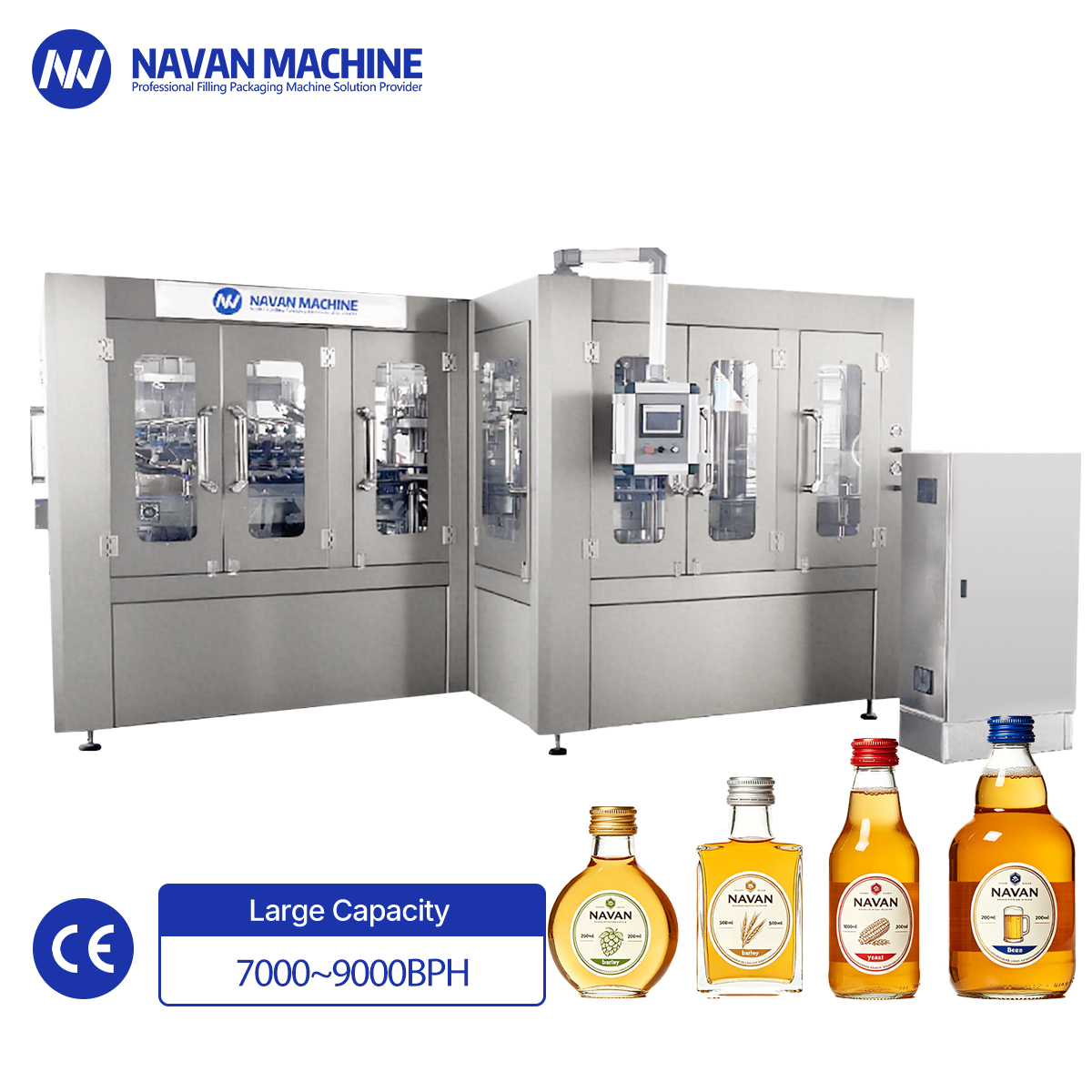
7000-9000BPH Automatic Isobaric Beer Filling Machine 32 Nozzle Glass Bottle Production Line
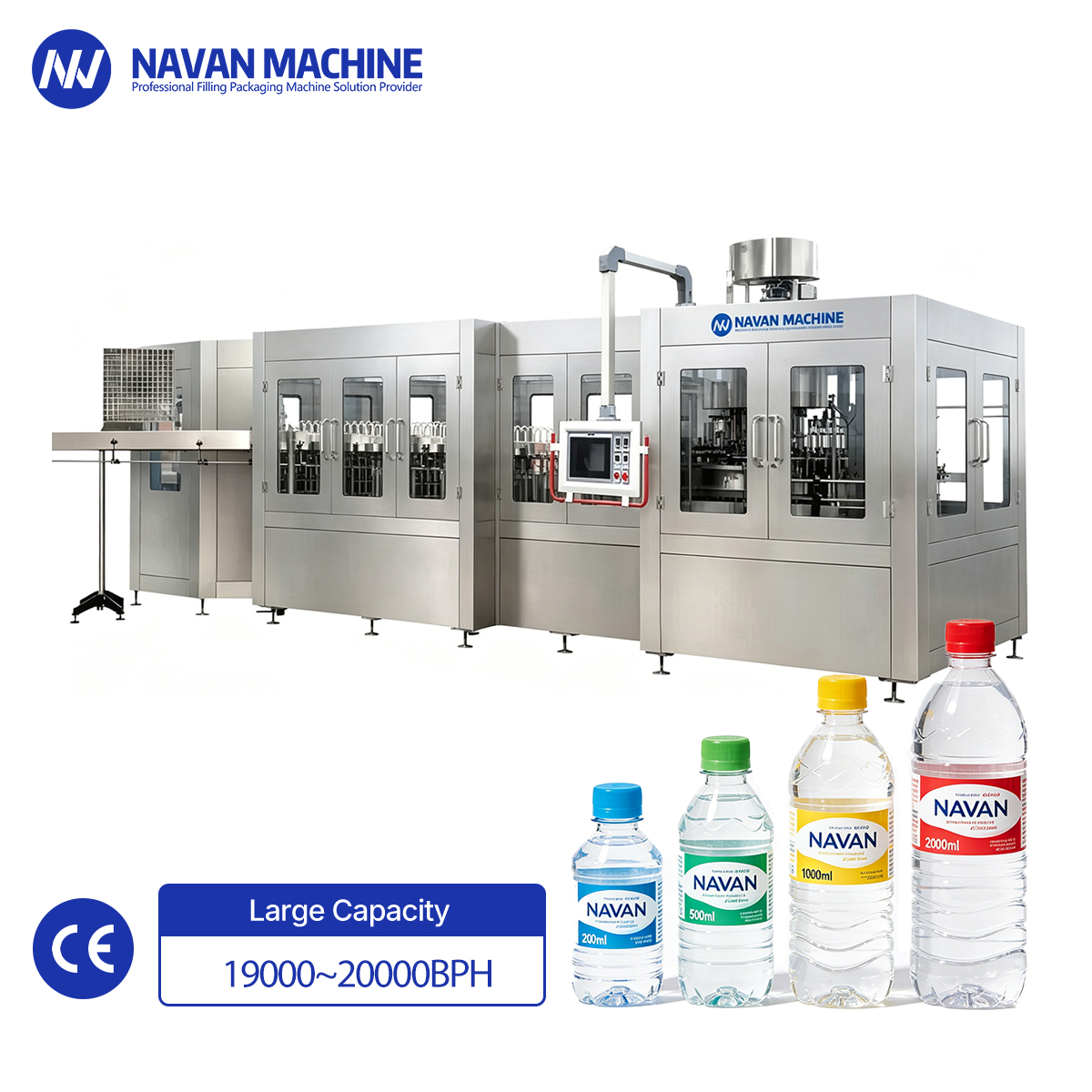
High Capacity PET Beverage Bottling Production Line XGF40-40-12 Electric Auto Combined Water Machinery

Industrial Automatic 18.9L PET Barrel Water Filling Plant 1200BPH 5 Gallon Rinser Filler Capper

Automatic 10-20L Barrel Water Filling Machine 400-450BPH 3 Nozzle Washing Capping Line
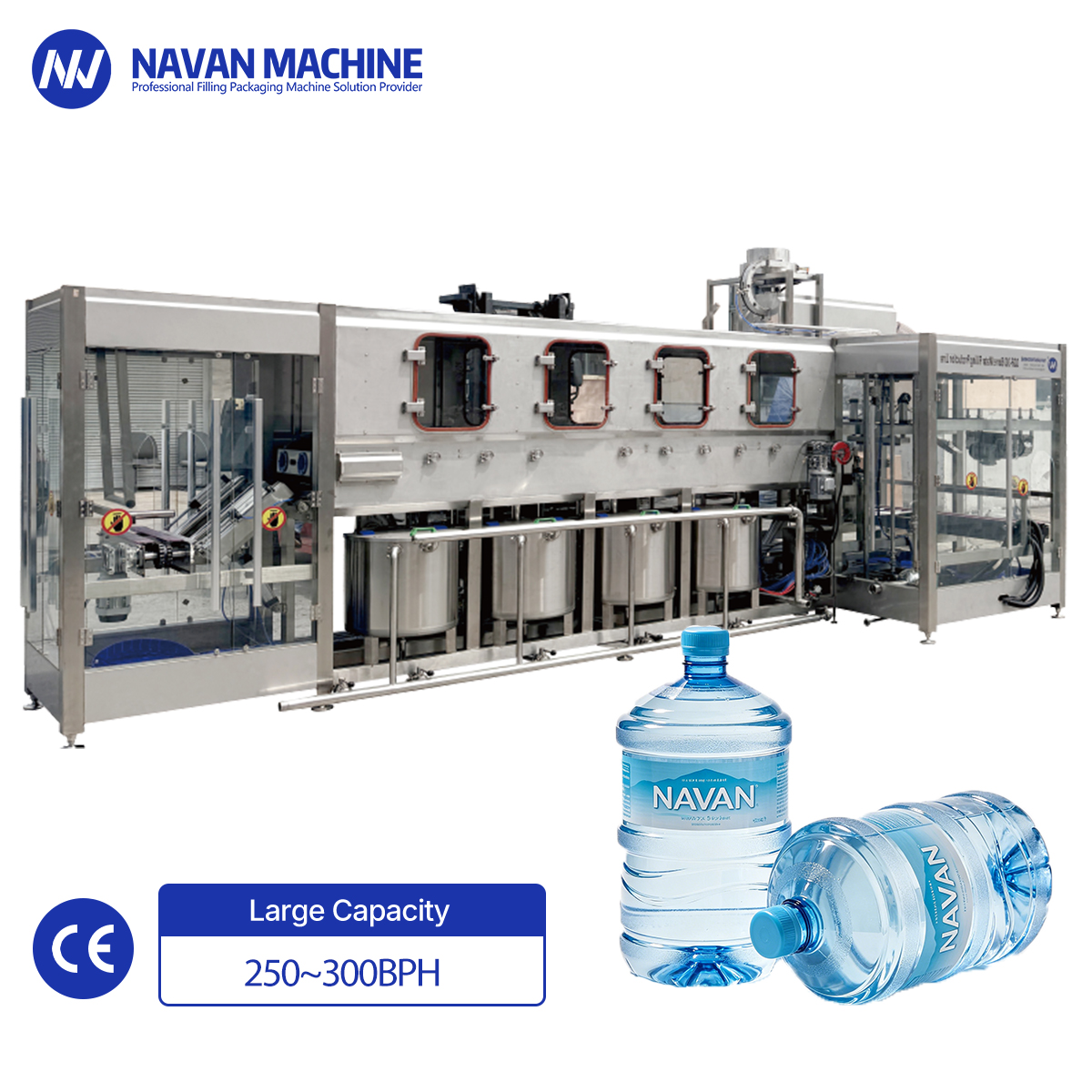
Automatic 5 Gallon Water Filling and Capping Machine QGF-300 250-300BPH 10L-20L Barrel Bottling Line

34000~36000BPH Pure Water Bottling Plant XGF60-60-15 Fully Automatic PLC Controlled PET Filling Machine

NPXZGF24-18-24-6PRO 200ml-2000ml Automatic Mechanical PLC Beer Bottling Line for Plastic Bottles
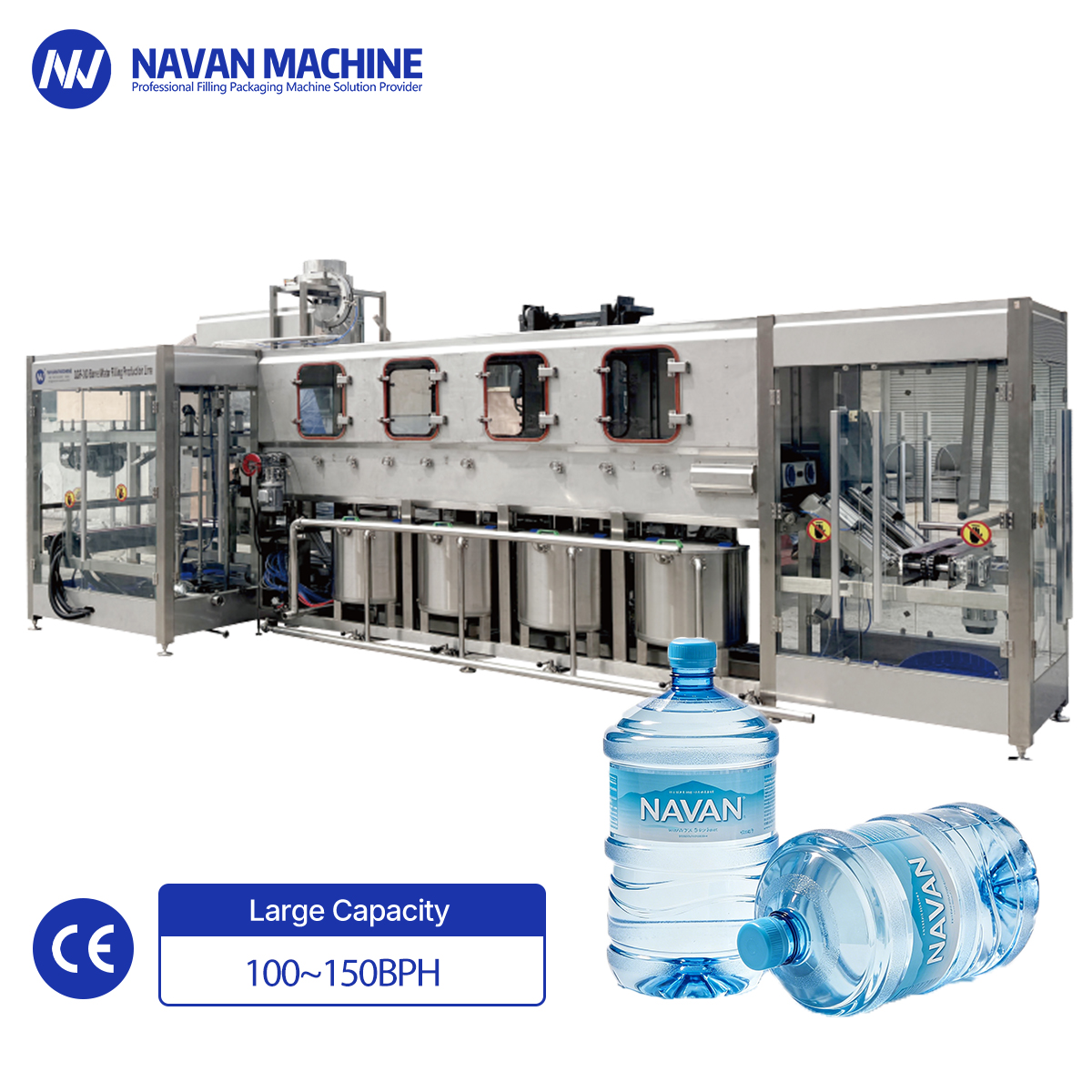
High Efficiency Automatic 100-150BPH 5Gallon Barrel Water Washing Filling Capping Machinery
Industrial Gravity Filling Mechanics: Hydrostatic Principles & Valve Design
Atmospheric and gravity filling technologies represent the fundamental backbone of non-carbonated, low-viscosity liquid packaging. Operating under the physical laws of hydrostatic pressure, gravity filling systems rely on a elevated product reservoir positioned above the filling nozzles. When a container—whether PET, glass, or aluminum—is lifted and sealed against the fill valve, atmospheric pressure differential drives the liquid down into the container while displaced air vents back into the top of the fluid bowl.
As a leading OEM/ODM Gravity Filling Machine Supplier & Exporter, our engineering division optimizes fluid dynamics to prevent turbulence, aeration, and volumetric inconsistency. Controlling fluid velocity is vital; unmanaged turbulence introduces dissolved oxygen into sensitive products like mineral water, spirits, and non-carbonated teas, accelerating oxidation and diminishing shelf life.
Fluid Dynamics & Hydrostatic Leveling Physics
The volumetric accuracy of gravity filling equipment is directly proportional to the static head of liquid maintained within the fill tank. Our automated lines integrate proportional control valves coupled with continuous level sensors (guided wave radar or hydrostatic pressure transmitters) to maintain fluid height within a tight ±2mm tolerance. This constant hydraulic head guarantees uniform fill rates across all nozzles, regardless of line speed variations.
- Laminar Flow Valve Design: Engineered with internal flow straighteners to maintain a low Reynolds number ($Re < 2300$), eliminating vortexing and surface foam generation during high-speed fills.
- Vent Tube Precision: Fill height is precisely governed by the position of the stainless-steel air return tube. Once liquid rises to cover the vent aperture, hydrostatic balance is instantly achieved, stopping flow automatically without mechanical shutoff delay.
- Zero-Drip Neck Sealing: High-durometer EPDM/FDA-grade silicone seals provide gas-tight sealing against container necks, isolating external atmospheric contaminants during the filling cycle.
Why Global Beverage Brands Sourcing Direct from Zhangjiagang
Zhangjiagang Osnib Machine Co., Ltd. integrates mechanical design, precision manufacturing, international logistics, and localized field service to deliver turnkey bottling reliability.
TÜV Rheinland & CE Verified
Our manufacturing facilities, quality management workflows, and structural assembly processes undergo rigorous annual onsite assessment by TÜV Rheinland. Every machinery unit carries European CE compliance certification.
Full OEM/ODM Customization
We do not force standard catalog parameters. From liquid-contact metallurgy (SUS304 vs. SUS316L) and specialized electrical architectures (Siemens, Schneider, Mitsubishi) to unique neck ring geometries, every line is tailor-engineered.
Global Field Support & Regional Hubs
To eliminate operational downtime for overseas buyers, Osnib Machine operates direct service offices in Russia (Krasnodar Krai) and Africa (Kigali, Rwanda), supporting emergency spare parts distribution and on-site engineering support.
Custom Bottle & Mold CAD Service
Our packaging design team develops original preform profiles, blowing molds, and container shapes optimized for top-load strength and minimal resin usage, delivering branding impact along with structural performance.
2D/3D Turnkey Plant Layout Planning
Submit your factory floor plan dimensions, and our engineering team will engineer an optimized layout detailing conveyor heights, utility drops (compressed air, water, power), drainage gutters, and ergonomic operator zones.
Complete CIP / SIP Cleanability
Integrated false-bottle CIP cups enable continuous closed-loop sanitation at elevated temperatures (up to 85°C) with caustic or acid solutions, eliminating bio-film buildup and ensuring full food safety compliance.
Filling Technology Comparative Analysis Matrix
Understanding fluid behavior, viscosity thresholds, and operating cost profiles across industrial filling methods.
| Filling Method | Operating Principle | Optimal Viscosity Range | Liquid Compatibility | Volumetric Accuracy | Capital Expenditure (CAPEX) |
|---|---|---|---|---|---|
| Gravity (Atmospheric) | Hydrostatic head pressure & mechanical vent tubes | Low (< 50 cP) | Purified water, mineral water, spirits, clear juices | ±1.0mm (Level Sensing) | Cost Effective Low - Medium |
| Isobaric (Counter-Pressure) | Equalized CO2 chamber pressure before valve opening | Low (< 50 cP) | Beer, carbonated soft drinks, sparkling cider | ±1.5mm (Level Sensing) | Specialized Medium - High |
| Piston / Volumetric | Positive displacement via servo pneumatic cylinder | High (> 500 to 50,000 cP) | Edible oils, sauces, ketchup, syrups, honey | ±0.5% (Volumetric) | Heavy Duty Medium - High |
| Net-Weight / Flow Meter | Electromagnetic flow measurement or load cells | Low to High (Variable) | Premium wines, high-value chemicals, pharma | ±0.2% (By Weight) | Premium High - Advanced |
Future Sourcing Trends & Technological Evolution (2025–2035)
The global beverage packaging landscape is undergoing a massive transformation driven by sustainability regulations, rising energy costs, and the urgent imperative for automation resilience. As procurement managers evaluate capital equipment investments for 2025 and beyond, several core trends dictate machine selection:
1. Ultra-Lightweight PET Neck Handling Integration
Container light-weighting continues to reduce polymer mass in 500ml PET bottles below 9.5 grams. Traditional body-handling starwheels risk crushing fragile sidewalls. Modern gravity filling equipment utilizes suspended neck-handling starwheels (neck-hanging technology), where containers are supported exclusively by the neck finish throughout rinsing, filling, and capping modules. This approach eliminates change parts for varying container heights and prevents bottle deformation under high-speed operation.
2. Energy Efficiency & Compressed Air Minimization
Conventional gravity filling valves relied heavily on continuous pneumatic actuation for individual valve movement. Next-generation mechanical gravity fillers leverage direct cam-guided actuation systems, reducing pneumatic consumption by up to 60%. Combined with high-efficiency direct-drive servo motors, total line electrical consumption per 1,000 filled units has dropped from 1.8 kWh to less than 0.95 kWh.
3. Hygienic Micro-Filtered Enclosures & HEPA Air Management
As consumer demand shifts away from artificial preservatives toward clean-label beverages, filling environments must comply with stringent microbiological standards. State-of-the-art gravity fillers incorporate positive-pressure HEPA laminar flow hoods directly above the filling bowl, maintaining an ISO Class 5 cleanroom atmosphere to protect product integrity during open-neck container transfer.
4. Digital Twin Diagnostics & Predictive Maintenance
Integration of IoT edge gateways allows plant operators to monitor individual valve response times, seal wear metrics, and main bearing temperature profiles in real time. Predictive maintenance algorithms alert engineers to seal degradation before vacuum loss or liquid leakage occurs, maximizing Overall Equipment Effectiveness (OEE).
Evaluating Total Cost of Ownership (TCO) in Bottling Lines
Acquisition cost (CAPEX) represents only 15% to 20% of a gravity filling machine's lifetime operational cost. Enterprise buyers must evaluate total operational expenditures (OPEX) across a projected 10-to-15-year equipment lifecycle:
Liquid Yield & Product Loss
A poorly engineered valve causing a 2ml overfill per bottle on a 24,000 BPH line results in over 115,000 Liters of wasted product annually. Osnib Machine's fill level accuracy prevents yield giveaway.
Changeover Downtime
Toolless quick-change bottle neck clamps reduce recipe changeovers from 4 hours to under 30 minutes, freeing up valuable production capacity for high-SKU operations.
Sanitation & Chemical Efficiency
Automated CIP recirculating loops optimize water flush cycles and chemical concentrations, cutting wash-cycle duration by 35% and reducing wastewater neutralization fees.
Frequently Asked Procurement & Engineering Questions
Direct answers to crucial technical queries raised by global procurement leads and plant managers.
Gravity filling is optimal for free-flowing liquids with dynamic viscosity under 50 centipoise (cP) at operating temperature. Water, spirits, vinegars, transparent juices, and liquid seasonings fill exceptionally well. For viscous products between 50 cP and 500 cP (such as heavy sugar syrups or warm edible oils), low-vacuum gravity assistance or piston filling is recommended.
Foam control is achieved via two primary engineering mechanisms: first, liquid distribution swirler nozzles direct product along the internal container walls rather than dumping liquid straight into the bottom center (laminar wall-side flow). Second, gentle two-stage pneumatic valve opening reduces initial impact speed, guaranteeing smooth liquid surface rise.
Yes. We engineer multi-format combination lines (PET/Glass Dual-Use Monoblocks). PET bottles utilize neck-clamping starwheels, while glass bottles utilize heavy-duty bottom pedestals with pneumatic/mechanical lifting cylinders. Dual-head capping stations can also be integrated (e.g., plastic screw caps on one turret and aluminum ROPP or crown caps on another).
All liquid contact components (filling bowl, valves, manifold pipes, pumps) are fabricated from certified AISI 316L stainless steel with a internal mechanical polish under $Ra < 0.4\mu m$, preventing bacterial adhesion. Non-contact structural frame components utilize AISI 304 stainless steel with bead-blasted or satin finish.
We deploy senior mechanical and electrical engineers directly to your plant location. Commissioning encompasses line leveling, mechanical alignment, dry-run testing, product validation, and hands-on training for your operating team. Furthermore, our field offices in Kigali (Rwanda) and Goryachy Klyuch (Russia) provide localized long-term operational support.
Standard standalone gravity fillers require 30 to 45 business days. Complete turnkey lines (comprising blow molders, water treatment, fillers, labelers, and film wrappers) are built, debugged, and subjected to rigorous FAT within 60 to 75 business days. Live video FAT sessions are available for remote approval prior to shipment.
Engineering Your Custom Bottling Line Solution
Submit your container dimensions, product viscosity details, and target throughput specifications to our engineering team. We will deliver a customized 2D/3D plant layout drawing and complete technical proposal within 24 hours.
