
Engineering Recommended Packaging Machinery
Verified Isobaric, Gravity, and Piston Filling Lines Manufactured to CE and TÜV Rheinland Standards
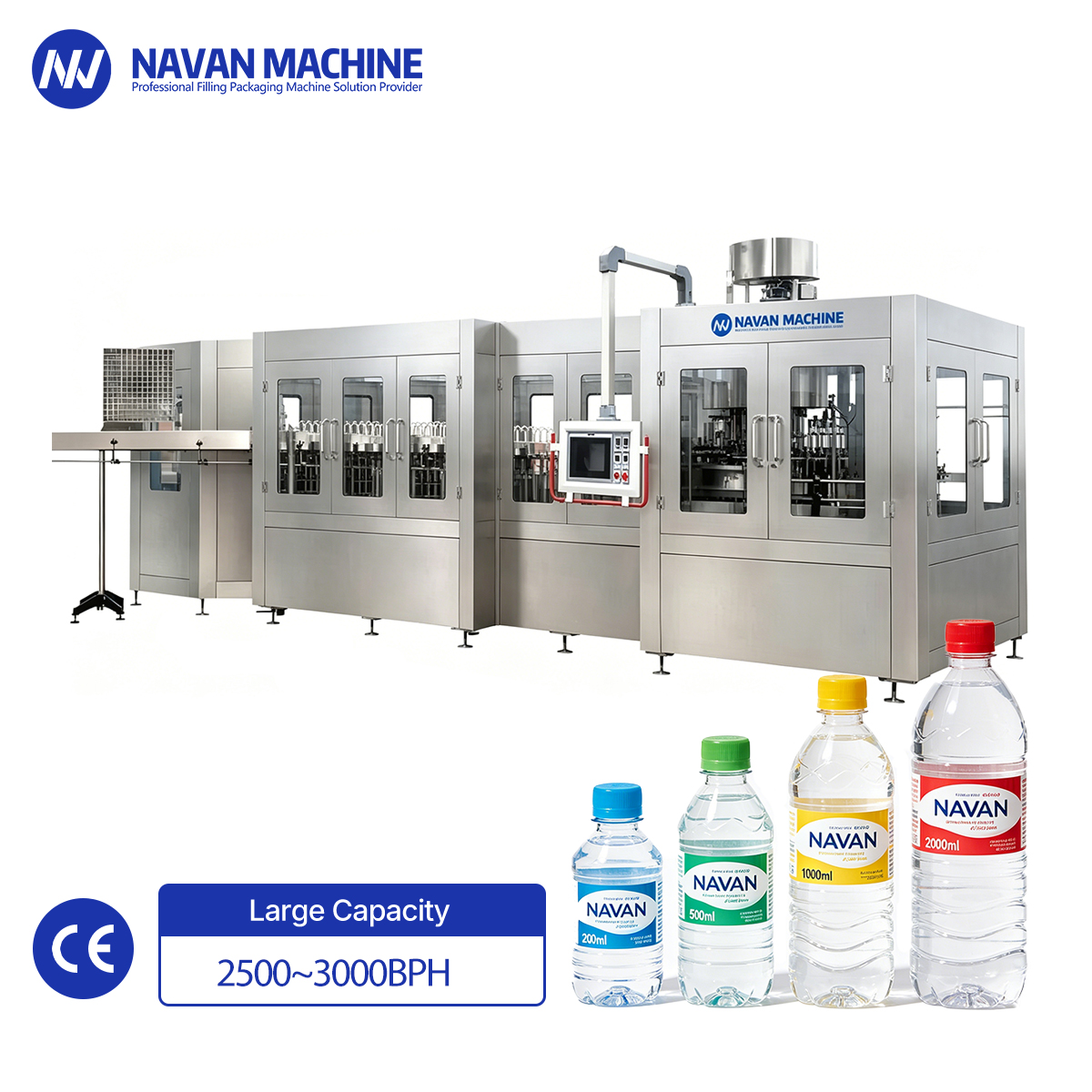

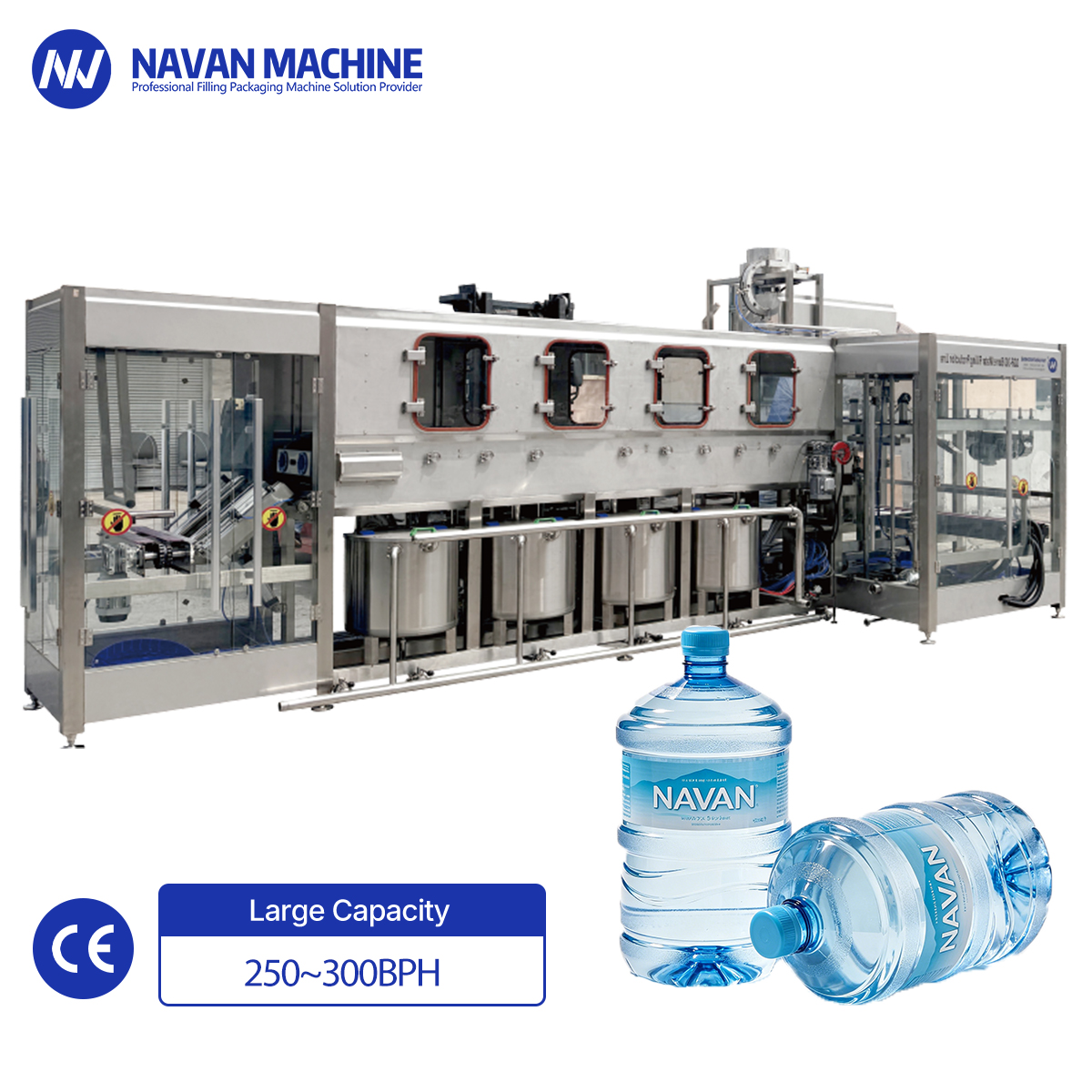

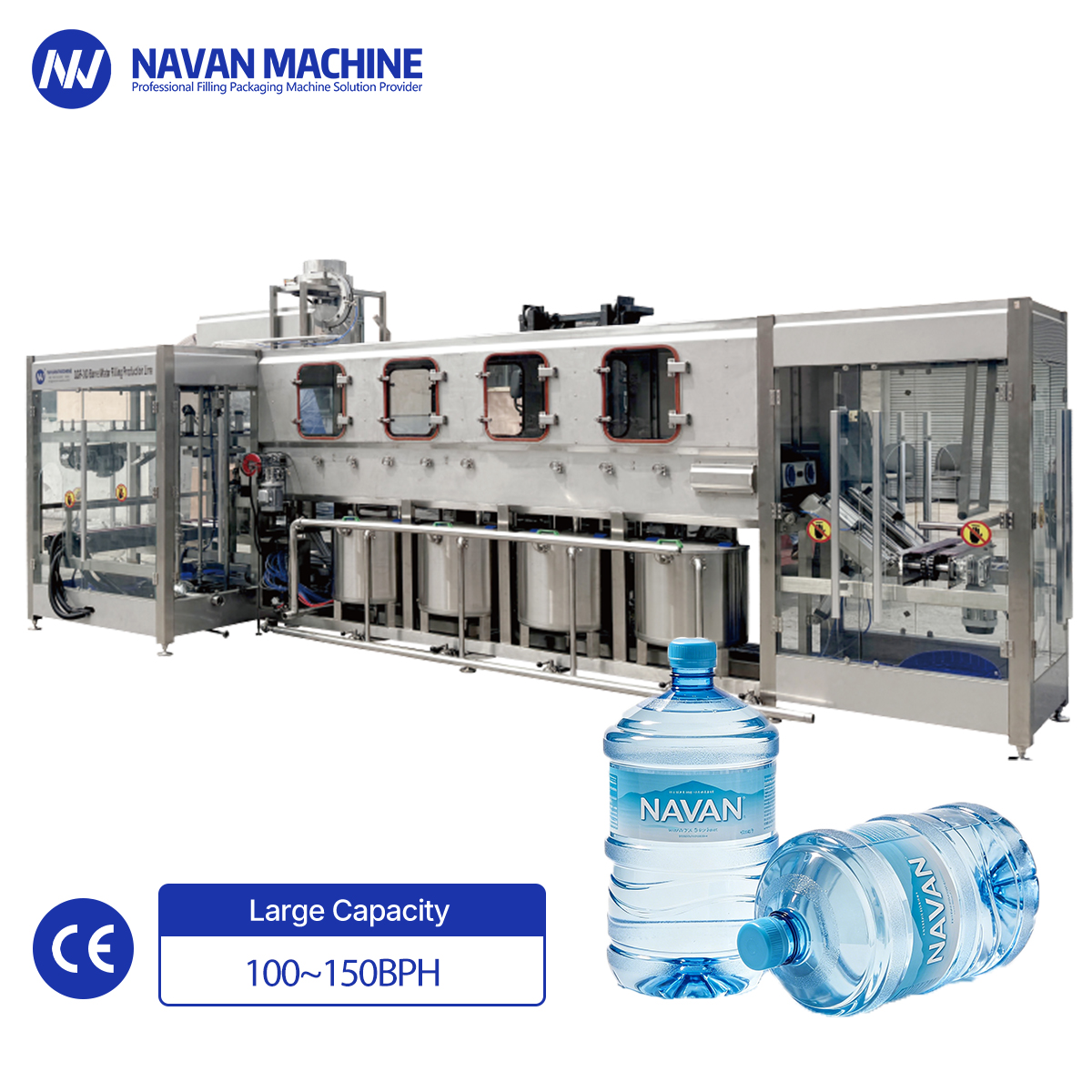


OEM/ODM Manufacturing Authority & Supplier Credentials
Direct Engineering Verification from Zhangjiagang Osnib Machine Co., Ltd.
In the global beverage manufacturing sector, procuring an Isobaric Filling Line demands strict adherence to engineering compliance, fluid dynamics stability, and certified machine durability. As a direct manufacturer headquartered in Zhangjiagang, China—the world’s premiere hub for beverage packaging equipment—Zhangjiagang Osnib Machine Co., Ltd. bridge the gap between heavy industrial design and customized client specifications.
TÜV Rheinland Verified
Our operational infrastructure, metal machining workshops, assembly lines, and management practices are verified onsite by TÜV Rheinland. Every unit leaves our plant with comprehensive compliance documentation.
Custom OEM/ODM Engineering
We do not force standardized off-the-shelf limits. From specialized liquid viscosities and varying CO₂ carbonation volumes (up to 5.0 g/L) to custom bottle geometry, our engineering team custom-builds every mechanical filling valve and starwheel system.
Localized Global Support
To eliminate overseas downtime, Osnib operates dedicated direct branch hubs including the Russia Office in Goryachy Klyuch (Krasnodar Krai) and our Africa Branch in Kigali, Rwanda, supplying 24/7 technical dispatch and fast-replacement spares.
Isobaric Filling Principles: Engineering Whitepaper
Deconstruction of Pressure Counterbalancing, Gas Equalization, and FOAM Mitigation in High-Speed Bottling
Isobaric (also known as counter-pressure) filling is essential for packaging liquids pressurized with dissolved gas—most notably carbonated soft drinks (CSD), sparkling water, beer, hard seltzers, and sparkling wines. Standard gravity or vacuum filling methods fail when handling carbonated beverages because opening a carbonated liquid to atmospheric pressure triggers violent degassing, excessive foaming, and CO₂ loss. This leads to inaccurate fill levels and severe product degradation.
The core physical principle of an OEM/ODM Isobaric Filling Valve involves establishing equalized pneumatic pressure between the liquid storage bowl and the target container (PET bottle, glass bottle, or aluminum can) prior to gravity-assisted liquid admission.
The 4-Stage Precision Isobaric Valve Cycle
PHASE 01
Pressurization & Pre-Evacuation
The container is lifted and hermetically sealed against the pneumatic rubber gasket of the filling valve. Compressed CO₂ or clean gas from the top of the filling tank is injected into the container until internal gas pressure matches the filling bowl pressure (typically 0.2 to 0.4 MPa).
PHASE 02
Laminar Liquid Flow Activation
Once pressure parity is established, the spring-loaded liquid valve stem opens. Gravity forces the beverage down along a specialized umbrella-shaped spreader nozzle. The liquid flows smoothly down the inner sidewalls of the bottle in a laminar sheet, minimizing surface agitation and preventing premature CO₂ breakout.
PHASE 03
Gas Return & Level Termination
As the liquid level rises inside the container, displaced CO₂ gas escapes back into the top chamber of the filling bowl through an adjustable central vent tube. When the liquid level reaches the orifice of the vent tube, gas return stops immediately, sealing the fluid column and establishing exact volumetric control.
PHASE 04
Controlled Snifting (Degassing)
The liquid valve closes. Before unsealing the bottle mouth, a slow-release snift valve bleeds off the pressurized gas space above the liquid neck. Controlled pressure reduction stops flash-foaming (gushing) when the bottle separates from the filler and transitions to the capping station.
Technology Matrix: Isobaric vs. Alternative Filling Systems
| Filling Technology | Suitable Products | CO₂ Retention Stability | Fill Precision | DO (Dissolved Oxygen) Risk |
|---|---|---|---|---|
| Mechanical Isobaric Counter-Pressure | CSD, Beer, Carbonated Water, Cider | Optimal (0.05 g/L loss) | ± 2.0 mm (Vent height) | Very Low (With double pre-evacuation) |
| Electro-Pneumatic Isobaric Valve | Craft Beer, Premium CSD, Wine | Maximum Precision | ± 1.0 ml (Flowmeter) | Ultra-Low (< 30 ppb DO) |
| Atmospheric Gravity Filling | Still Water, Non-Carbonated Juice | Unsuitable (Gas loss) | ± 3.0 mm | High Exposure |
| Volumetric Piston Filling | Edible Oils, Sauces, Syrups | N/A (Non-carbonated) | ± 0.5% (Volumetric) | Moderate |
Future Sourcing & Product Trends in Bottling Automation
Key Strategic Considerations for Global Wholesalers, Distributors, and Turnkey Plant Operations
1. Servo-Driven Monoblocks
Traditional mechanical gear-transmission filler-cappers are increasingly replaced by individual direct-drive servo motors per shaft. Servo positioning allows seamless electronic neck-handling adjustments and rapid container size switchovers without swapping expensive physical cams.
2. Ultra-Lightweight PET Handling
Sustainability initiatives mandate thinner PET bottle preforms to reduce plastic consumption. Modern isobaric filling machinery utilizes pneumatic neck-clamping starwheels and smooth gentle transfer systems to prevent container crushing under counter-pressure forces.
3. Automated CIP Integration
Wholesalers and co-packers require fast cleaning protocols between product flavors. Modern OEM lines feature automated CIP (Clean-In-Place) false cups that clamp onto filling nozzles automatically, recirculating hot caustic and ozone sanitizing solutions safely.
End-to-End OEM/ODM Turnkey Execution Path
From Concept Bottle Design to Overseas Commissioning and Operator Certification
STAGE 01
Rheology & CO₂ Analysis
We analyze the client's beverage formulation, target carbonation levels (vol/vol CO₂), viscosity, and filling temperature (cold fill vs. ambient fill) to engineer valve dimensions.
STAGE 02
Container CAD & Mold Design
Our packaging team renders custom 3D bottle geometry, cap specifications, and OPP or sleeve label dimensions, creating blowing molds tailored to structural tolerances.
STAGE 03
Plant Layout Blueprinting
Osnib CAD engineers generate full plant architectural floor plans, detailing utility drop points (electricity, compressed air, chilled water), conveyor elevations, and operator access.
STAGE 04
SS316L CNC Machining
All liquid contact parts are precision-milled from certified SS316L stainless steel. Surfaces undergo mirror electro-polishing to prevent micro-bacterial adhesion.
STAGE 05
Factory Acceptance Test (FAT)
Prior to packing, the line is fully assembled in our Zhangjiagang workshop. We run actual customer bottles and carbonated liquid to verify speed, seal integrity, and fill height.
STAGE 06
Field SAT & Support
Engineers from our China factory or regional offices (Russia & Africa) handle on-site setup, Site Acceptance Testing (SAT), and local workforce training.
Frequently Asked Procurement & Engineering Questions
Expert Guidance for Import Directors, Beverage Plant Owners, and B2B Distributors
What is the key difference between Isobaric filling and standard Gravity filling?
Isobaric filling uses counter-pressure gas equalisation to match internal container pressure with the filling tank pressure prior to liquid release. This prevents CO₂ breakout, flash foaming, and volume inaccuracy when filling carbonated soft drinks, beer, or sparkling liquids. Standard gravity filling operates open to atmospheric pressure and is strictly used for non-carbonated still products such as pure water or still fruit juice.
Can a single Osnib Isobaric machine fill both PET bottles and Glass bottles?
While mechanical isobaric principles apply to both, container handling dynamics differ significantly. Glass bottles require heavy-duty mechanical lifting cylinders, double pre-evacuation vacuum pumps, and specialized crown/ropp cappers. PET bottles utilize neck-handling starwheel clamps and screw cappers. Osnib offers hybrid line configurations or dual-handling monoblocks engineered with fast-change changeover parts to handle multi-material production schedules.
How does Osnib control Dissolved Oxygen (DO) pick-up during beer filling?
Oxygen pickup spoils beer flavor stability and reduces shelf life. Osnib isobaric beer fillers incorporate a Double Pre-Evacuation system. Before liquid filling begins, a vacuum pump removes 90%+ of the atmospheric air from the bottle, replaces it with pure CO₂ gas, and evacuates a second time. This lowers dissolved oxygen (DO) pickup down to ultra-low levels (< 30–50 ppb), protecting craft beer quality.
What Minimum Order Quantity (MOQ) and lead times apply for OEM orders?
Our MOQ is 1 complete machine set or full turnkey line. Standard manufacturing lead time ranges from 30 to 45 working days depending on monoblock nozzle counts (e.g., 12-head vs. 32-head fillers) and special electrical customization (such as Siemens vs. Mitsubishi PLC systems, local voltage configurations like 220V/380V/415V/480V).
What after-sales service and spare parts support do you provide overseas?
Every system includes a 12-to-24 month warranty on primary mechanical components. In addition to online remote video diagnostics, our overseas hubs in Goryachy Klyuch, Russia and Kigali, Rwanda maintain resident field engineers and stocked spare parts to provide local rapid-response dispatch across Europe, the CIS region, and Africa.
Transform Your Bottling Operations with Custom Engineering
Consult with our senior liquid packaging engineers today to receive a complete plant CAD layout, volumetric calculations, and factory-direct wholesale quotation within 24 hours.
Inquire Now