Featured Industrial Bottling & Blow Molding Machinery
Engineered for precision, high throughput, and sanitary compliance across mineral water, beverage, wine, and beer bottling lines.


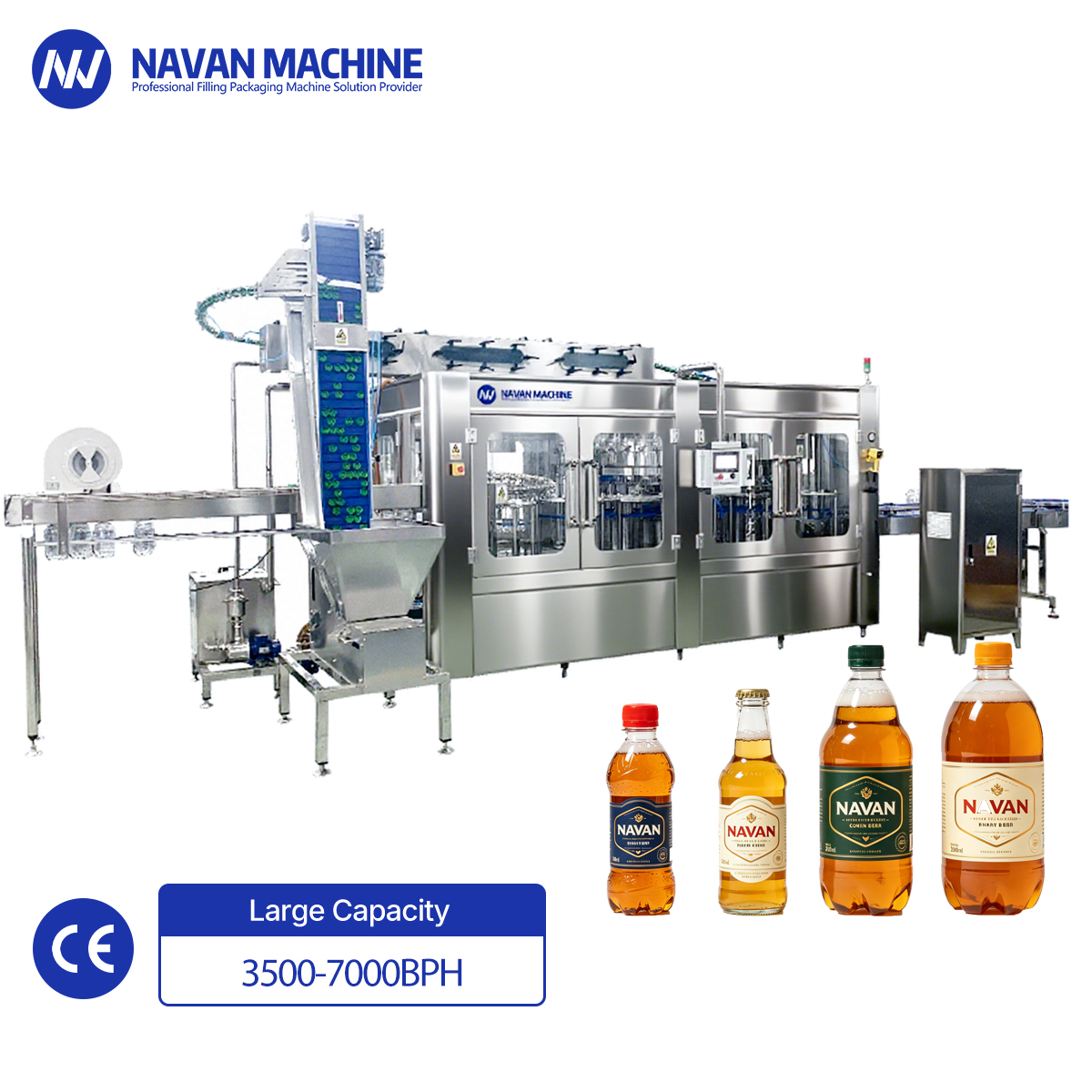
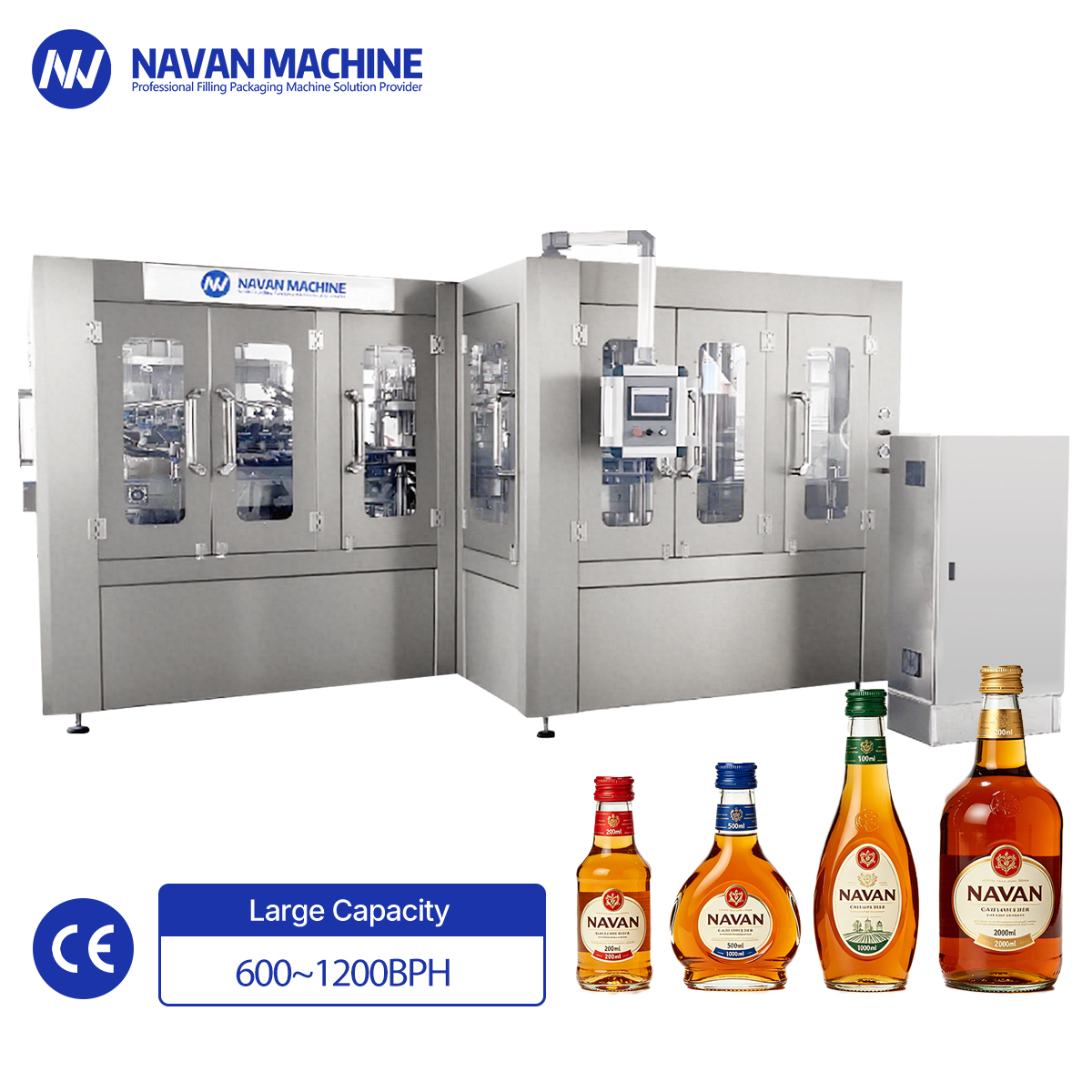

Navigating Liquid Packaging Machinery Procurement in the Global Market
The global liquid packaging machinery sector is undergoing a profound structural evolution driven by shifting consumer beverage dynamics, rigorous food safety mandates, sustainability pressures, and Industry 4.0 automation integration. Procurement directors, plant operations managers, and beverage entrepreneurs face complex challenges when sourcing equipment. Choosing a bottle filling machine supplier & wholesaler is no longer merely a transaction involving machinery dimensions and volumetric throughput; it requires a comprehensive capital expenditure (CapEx) and operational expenditure (OpEx) analysis spanning technical compatibility, total cost of ownership (TCO), hygiene validation (CIP/SIP standards), and regional service responsiveness.
This authoritative report provides an objective, data-backed breakdown of the top global suppliers, critical engineering evaluation standards, future technology trajectories, and strategic procurement frameworks for decision-makers looking to optimize liquid packaging infrastructures.
Key Procurement Insight: Information Gain for Plant Engineers
Modern high-speed and medium-speed bottling lines require synchronized mechanical integration between water treatment systems, stretch blow molders, rinsing-filling-capping monoblocks, labeling units, and end-of-line palletizing systems. Sourcing from verified Original Equipment Manufacturers (OEMs) with integrated engineering teams mitigates cross-vendor communication bottlenecks and slashes line commissioning lead times by up to 35%.
Liquid Filling Technology Comparison by Application
Selecting the appropriate filling technology prevents product aeration, volume variance, liquid waste, and oxidation.
| Filling Principle | Suitable Liquid Types | Volumetric Accuracy | Key Mechanical Mechanism | Primary Hygiene Standard |
|---|---|---|---|---|
| Isobaric (Counter-Pressure) | Carbonated soft drinks (CSD), sparkling water, beer, cider | ± 1.0 to 1.5 mm liquid level | CO2 pre-evacuation, pressure-balanced mechanical valves | Closed-loop CIP, 316L Stainless Steel contact parts |
| Atmospheric / Gravity | Purified water, mineral water, non-viscous still drinks | ± 2.0 mm liquid level | Mechanical gravity valves, neck-handling grippers | Sanitary SUS304/316L, HEPA laminar flow enclosure |
| Piston / Volumetric Positive Displacement | Edible oils, sauces, honey, syrups, viscous condiments | ± 0.2% to 0.5% by volume | Servo-driven piston cylinders, anti-drip pneumatic nozzles | Hot-fill cleanable, toolless strip-down design |
| Hot-Fill (Normal / Low Vacuum) | Fruit juices, RTD teas, functional energy drinks, dairy blends | ± 1.0 mm liquid level | Continuous thermal circulation, vacuum back-flow valves | Thermal sterilization (85°C–92°C sustained circulation) |
Top 10 Bottle Filling Machine Suppliers & Wholesalers Evaluated
A comparative evaluation of leading packaging machinery manufacturers based on engineering expertise, international certification, global service infrastructure, and custom OEM flexibility.
Zhangjiagang Osnib Machine Co., Ltd. (Navan)
China / GlobalOverview & Market Position: Osnib Machine (operating with the Navan brand line) stands out as an elite turnkey bottling line supplier specializing in high-efficiency PET, glass, and 5-gallon container filling solutions. verified onsite by TÜV Rheinland and holding full CE certifications, Osnib integrates bottle blow molding, industrial water treatment, isobaric/gravity filling, labeling, and palletizing under a unified PLC control architecture.
Why They Rank #1 for Growing & Mid-Sized Plants: Unmatched total cost of ownership (TCO), robust mechanical engineering using 316L stainless steel for liquid contact zones, customized bottle/label R&D design support, and rapid direct technician deployment across Africa, CIS, and the Americas.
Krones AG
GermanyOverview & Market Position: A global benchmark in ultra-high-speed beverage bottling lines. Krones excels in large-scale industrial brewery and carbonated soft drink operations requiring ultra-high capacities exceeding 40,000 bottles per hour (BPH).
KHS Group
GermanyOverview & Market Position: Renowned for turnkey filling and packaging systems for glass, PET, and aluminum cans. KHS offers advanced aseptic filling technology and lightweight container development capabilities.
Sidel
France / ItalyOverview & Market Position: A world leader in PET blow-fill-seal combi technology, sensitive beverage packaging, and liquid food equipment, backed by the global engineering strength of Tetra Laval.
Coesia Group
ItalyOverview & Market Position: An innovation-driven industrial network providing automated flow packaging, volumetric filling, and specialty chemical bottling systems tailored to pharmaceutical and consumer goods applications.
GEA Group
GermanyOverview & Market Position: GEA focuses on hygienic process engineering, ultra-clean liquid filling, and aseptic lines for dairy, liquid nutrition, and ESL (Extended Shelf Life) beverages.
SACMI
ItalyOverview & Market Position: Specializing in compression molding for bottle closures alongside high-performance stretch-blow molding and beverage filling systems built for rigid container manufacturing.
Serac
FranceOverview & Market Position: A global specialist in net-weight filling technology, ideal for high-value liquid products such as premium edible oils, ag-chem products, and home care items.
Marchesini Group
ItalyOverview & Market Position: A leader in pharmaceutical liquid filling, sterile glass vial packaging, and high-precision dosing lines operating under cleanroom Grade A conditions.
Shibuya Corporation
JapanOverview & Market Position: Highly regarded for robotic bottling solutions, high-speed beverage line integration, and sterile decontamination systems utilized throughout Asian and North American markets.
Future Product & Engineering Trends in Bottle Filling Machinery
Next-generation technological shifts reshaping production line efficiency, energy management, and sanitary security.
1. Full Servo-Driven Motion Control
Legacy mechanical cam drives are rapidly being superseded by direct-drive servo motors across filling, capping, and star-wheel transport. Servo controls allow instant bottle height and neck profile switching via HMI touchscreens, eliminating manual mechanical adjustments and cutting changeover times from 3 hours to under 20 minutes.
2. Smart Industry 4.0 IoT & Telemetry
Modern filling lines incorporate cloud-connected PLC edge controllers that continuously track overall equipment effectiveness (OEE), real-time torque figures, filling valve wear patterns, and energy consumption. Remote diagnostic telemetry allows factory technicians to perform real-time troubleshooting worldwide via encrypted industrial VPNs.
3. Advanced Sustainable Lightweighting
With strict global plastic reduction mandates, stretch-blow molding and neck-gripping monoblocks are optimized to process rPET (recycled PET) and ultra-lightweight neck designs (such as 28mm PCO 1881 / 1810 standards). Precision pressure regulation prevents bottle collapse during high-speed capping operations.
4. Hygienic Closed-Loop CIP/SIP Integration
Sanitary safety is paramount. High-spec machines feature automated internal Clean-In-Place (CIP) false cups that clamp onto filling valves during washing cycles. Combined with chemical dosing and hot water flushing above 85°C, cross-flavor contamination and microbial growth are completely eliminated.
5. Modular Block Architecture
Plant managers are moving away from fragmented standalone equipment connected by extensive air conveyors. Synchronized Monoblocks and Combi units (Blow-Rinse-Fill-Cap) reduce factory footprint requirements by up to 40%, lower electrical consumption, and remove air conveyor bottle scuffing risks.
6. Non-Contact Electromagnetic Dosing
Inductive flowmeter valves and load-cell weight dosing eliminate physical valve-to-bottle contact. This reduces valve seal maintenance, prevents cross-contamination, and delivers liquid fill accuracy down to ±0.2%, generating significant product savings on premium beverages.
Future Procurement Trends for Machinery Importers & Plant Owners
Procuring a packaging production line is a capital-intensive decision that impacts operational profitability for 10 to 15 years. Global procurement directors are increasingly adopting structured evaluation strategies to navigate vendor selection:
1. Shift from Initial CapEx to Total Cost of Ownership (TCO)
While European machinery OEMs present significantly higher upfront capital costs, low-end unverified suppliers often suffer from frequent component failures, high spare part costs, and excessive energy consumption. Buyers are focusing heavily on TCO calculations: initial purchase price + energy consumption per 1,000 bottles + scheduled maintenance cost + downtime risk buffer. Mid-tier custom OEMs like Osnib Machine have gained market share by delivering European-tier electrical components (Siemens, Schneider, Omron, AIRTAC) at accessible price points.
2. Mandatory Third-Party Onsite Verification & Certification
B2B importers are enforcing strict compliance verification before releasing letters of credit (L/C) or telegraphic transfers (T/T). Verification by independent international audit bodies—such as TÜV Rheinland, SGS, or Bureau Veritas—guarantees that supplier facilities exist, manufacturing standards align with ISO9001, and machinery carries genuine CE markings for electrical and mechanical safety compliance.
3. Demand for Localized Technical Service Hubs
Plant downtime can cost operations thousands of dollars per hour. Strategic procurement now prioritizes suppliers with localized technical branches or field engineering hubs. For instance, Osnib Machine’s regional service offices in Goryachy Klyuch, Russia and Kigali, Rwanda provide dedicated localized commissioning, spare part warehousing, and on-site technician response across CIS and African markets.
Why Importers & Beverage Brands Partner with Osnib Machine
Engineered excellence from Zhangjiagang, China—combining manufacturing precision with full project lifecycle engineering support.
Factory & Trade Integrated
Direct manufacturer with an in-house international export department. Engineers and sales managers work side-by-side under one roof, ensuring client drawings and exact technical parameters are built directly into production without trader markups or lost specs.
OEM & ODM Customization
Every unit—from contact materials (SUS304 vs. SUS316L) to local voltage/frequency standards (380V, 415V, 220V, 480V at 50Hz/60Hz)—is tailored to match your specific container shape, viscosity, and local electrical grid requirements.
TÜV Rheinland & CE Verified
Proven manufacturing credentials. Main filling, stretch blow molding, shrink sleeve labeling, and automatic palletizing systems are CE certified and independently audited onsite by TÜV Rheinland for global export compliance.
In-House Bottle & Label Design
Launching a new product line? Osnib’s structural CAD designers craft custom bottle shapes, preform weight specifications, and label dimensions, ensuring structural integrity and standout shelf appeal before mold cutting.
2D/3D Workshop Layout Planning
Send us your building dimensions. Our engineering department projects complete 2D/3D plant layouts detailing machine positioning, conveyor routing, electrical feed points, drainage channels, and operator walkways.
Global On-Site Technician Support
Beyond remote 7x24 video guidance, Osnib dispatches field commissioning engineers directly to client plants worldwide for mechanical assembly, electrical setup, line tuning, and intensive operator training.
Frequently Asked Questions (FAQ) for Equipment Importers
Clear, technical answers to common queries raised during procurement evaluation, line sizing, and international shipping.
What is the Minimum Order Quantity (MOQ) for Osnib bottling machines?
The MOQ is exactly 1 set. Importers can purchase single standalone machines—such as a specialized shrink sleeve labeler, a stretch blow molder, or an automatic palletizer—to retrofit an existing line, or contract a complete turnkey bottling line from water treatment to final carton packing.
Can Osnib Machine supply a complete turnkey bottling line solution?
Yes. Osnib provides complete end-to-end engineering solutions covering industrial water treatment systems (RO/UF), automatic PET bottle stretch blow molding machines, 3-in-1 rinsing-filling-capping monoblocks, bottle inspectors, OPP/sleeve labeling units, PE film shrink wrappers or carton packers, and automated stack palletizers. We also deliver customized workshop layout blueprints, piping connection diagrams, electrical wiring layouts, and comprehensive overseas commissioning service.
Do you provide local after-sales support and field engineering outside China?
Yes. In addition to our global engineering headquarters in Zhangjiagang, China, Osnib Machine operates a direct Russia Office in Goryachy Klyuch (serving Russian-speaking and CIS regional markets) and an Africa Branch in Kigali, Rwanda. These regional offices house spare parts inventories and field service engineers. 7×24 online technical support is available for all international markets.
Which commercial trade terms (Incoterms) and payment methods do you accept?
We accommodate standard global trade terms including FOB, CFR, CIF, EXW, CIP, FCA, DDP, and DDU. Accepted payment methods include T/T (Telegraphic Transfer), Irrevocable L/C (Letter of Credit at sight), MoneyGram, Credit Card, Western Union, and cash. We process multiple major currencies including USD, EUR, GBP, CNY, RUB, and CHF.
Are Osnib machines CE certified and audited by third parties?
Yes. All core machine series—including water filling monoblocks, isobaric carbonated fillers, PET blow molders, labeling machines, and automated palletizers—carry European standard CE certification. Furthermore, our manufacturing facility and corporate qualifications are verified onsite by TÜV Rheinland.
How do you ensure machine compatibility with custom bottle shapes and viscous liquids?
Our engineering team performs a rigorous pre-manufacturing design audit. Clients submit bottle CAD files or physical samples alongside fluid viscosity parameters. Our designers verify container stability, center of gravity, neck finish tolerances, and fill valve flow dynamics. We provide sample bottle test runs in our workshop and send HD video validation to the buyer prior to dispatch.
What standard warranty and spare parts policy do you offer?
All Osnib machinery comes with a standard 1-year (12-month) mechanical warranty from the date of installation completion or 14 months from the bill of lading date. We supply a comprehensive wearable spare parts package (seals, O-rings, heating tubes, grippers) with every shipment and maintain long-term spare parts stock for rapid international courier dispatch.
