Featured Carbonated Beverage & Liquid Packaging Systems
Explore high-performance automated bottling lines, carbonated soft drink (CSD) mixers, blow molders, and turnkey packaging machinery.
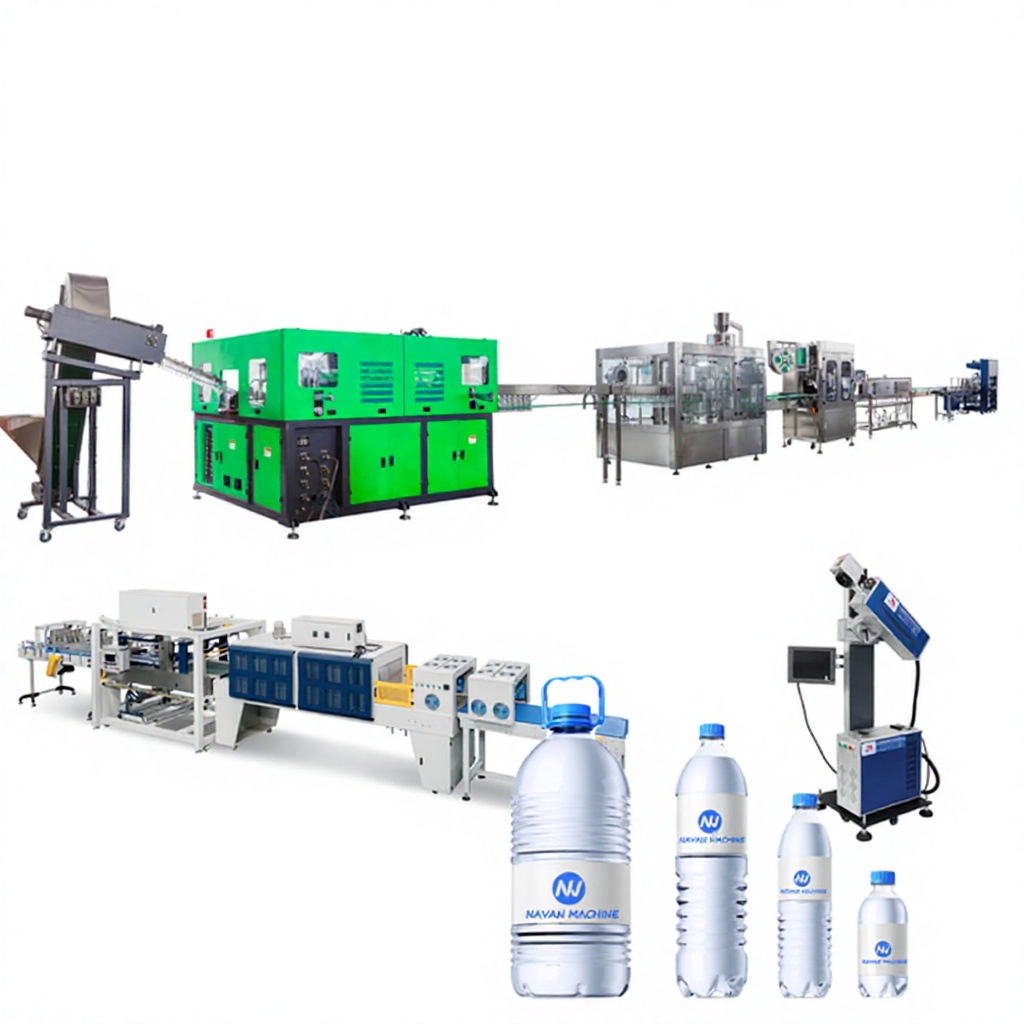
Automatic Bottled Water Production Line Blowing Rinsing Filling Capping Labeling Packaging 200-2000ml 1000-36000BPH

Automatic Juice PET Bottle Filling Machine 32 Nozzle 200-2000mL 16000-17000BPH Bottling Equipment
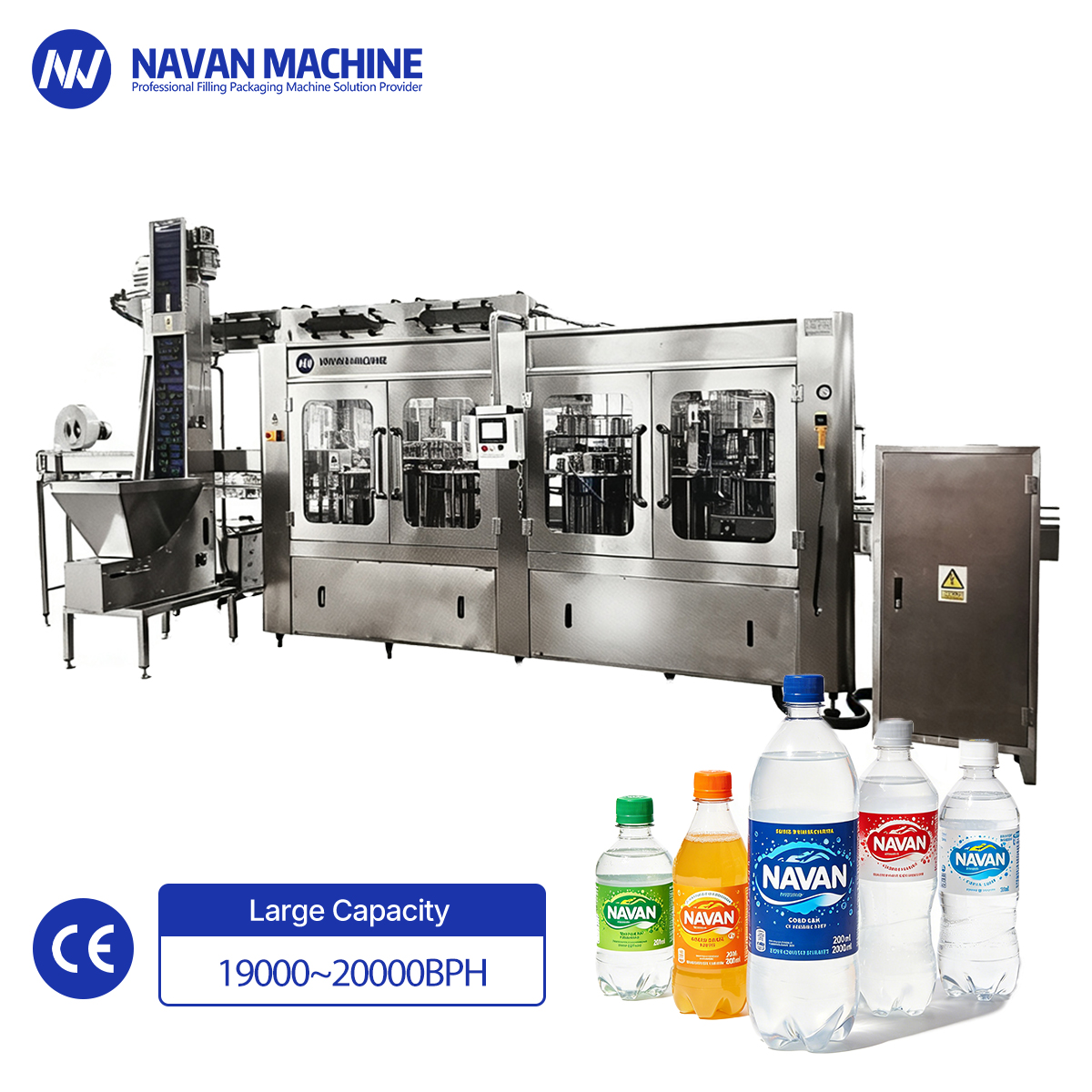
High Efficiency Navan XGFD50-50-12 Automatic Mechanical Plastic Carbonated Beverage Filling Machine 200-2000ml Soft Drink Bottle
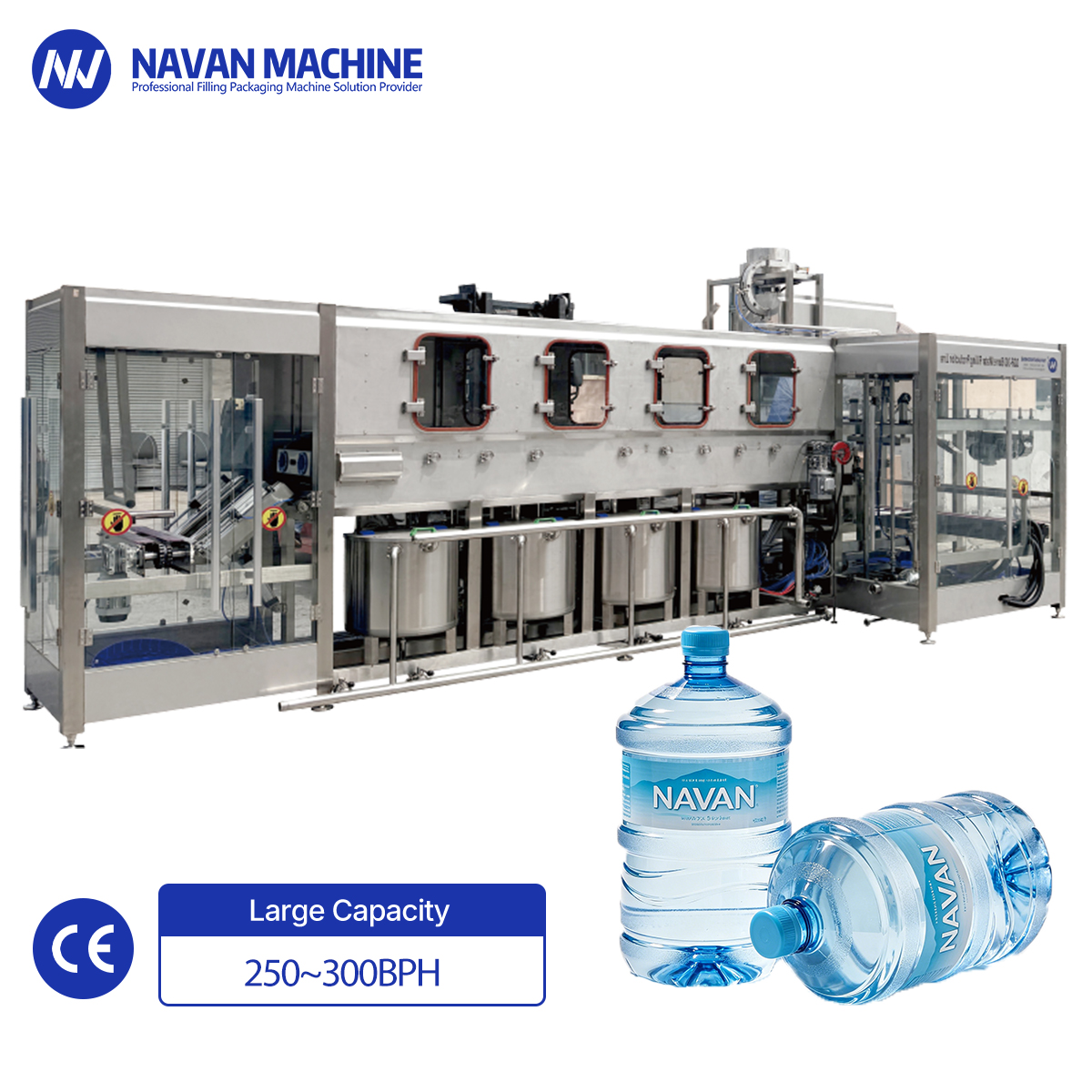
Automatic 5 Gallon Water Filling and Capping Machine QGF-300 250-300BPH 10L-20L Barrel Bottling Line With Conveyor

Automatic 10-20L Barrel Water Filling Machine 400-450BPH 3 Nozzle Washing Capping Line Mechanical PLC 415V
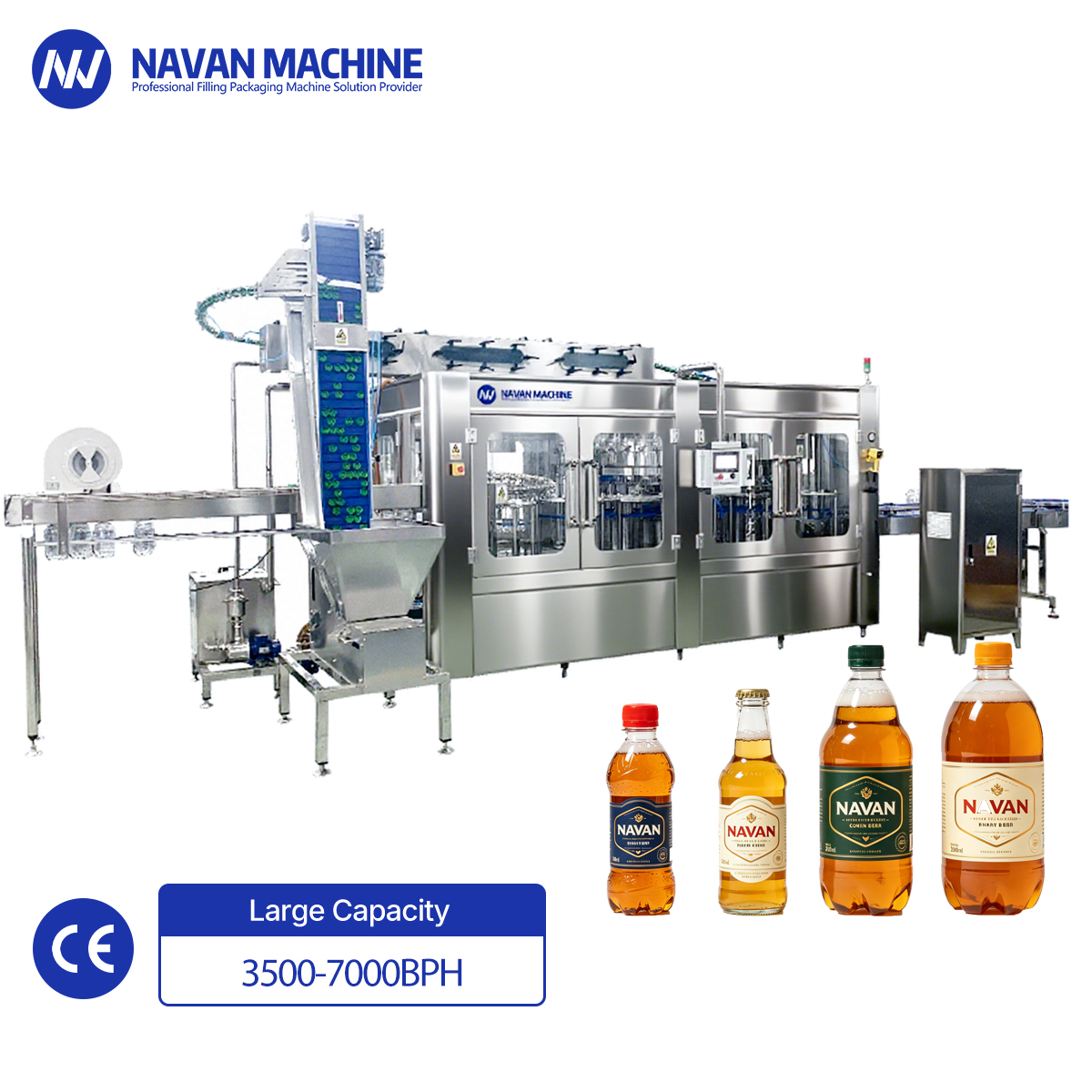
NPXZGF24-18-24-6PRO 200ml-2000ml High Productivity Automatic Mechanical PLC-controlled Plastic Beer Bottling Line 1 Year

34000~36000BPH Pure Water Bottling Plant XGF60-60-15 Fully Automatic PLC Controlled PET Bottle Filling Machine Food Grade
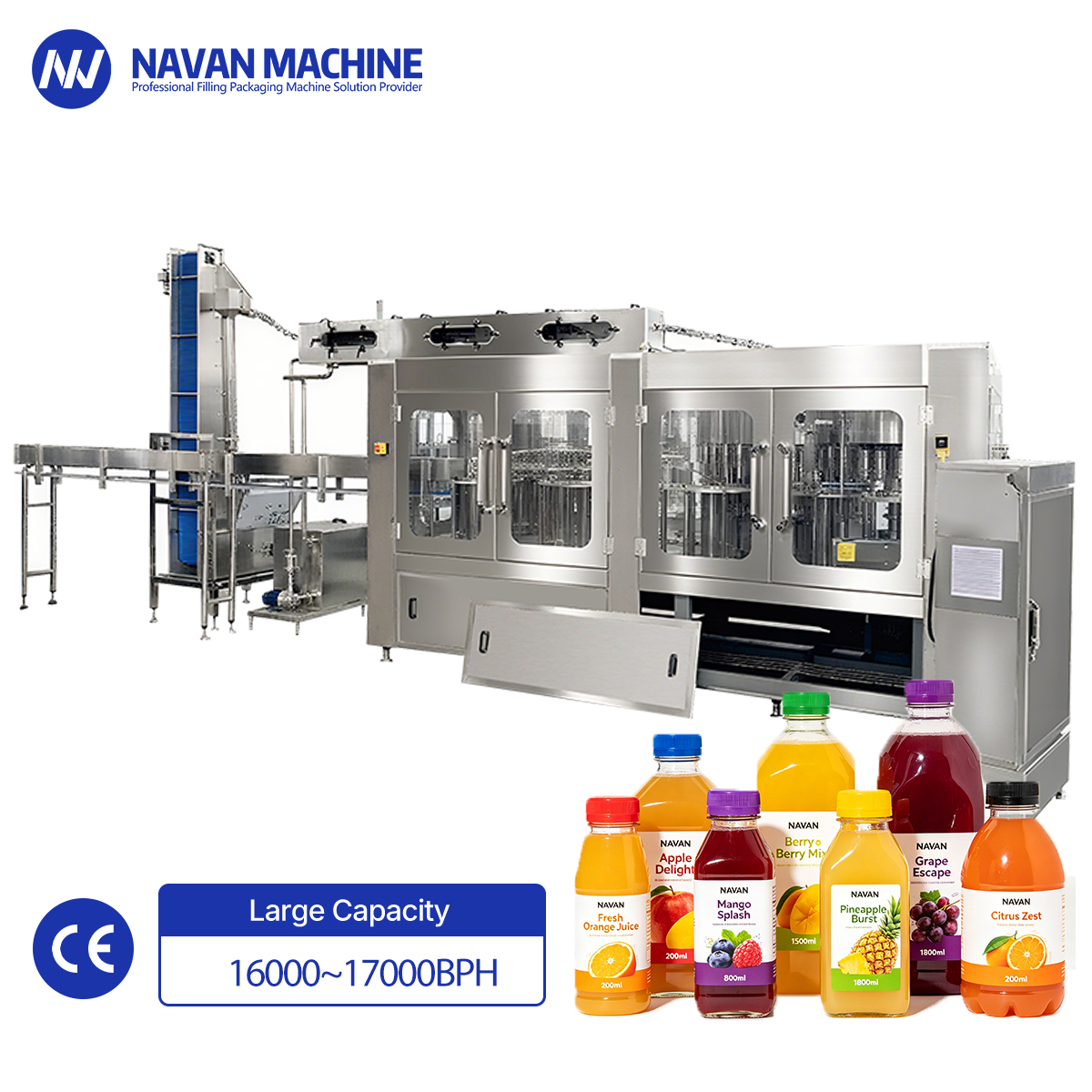
Complete Solution Plastic PET Bottle Drink Filling Bottling Machinery Small Big Volume Automatic Fruit Juice Production Plant
Executive Summary: The Mechanics of Carbonated Beverage Mixing
In the global non-alcoholic beverage manufacturing industry, the Carbonated Beverage Mixer (commonly referred to as a Carbonator, Carbo-Mixer, or Isobaric Beverage Processor) represents the heart of any Carbonated Soft Drink (CSD) production line. Unlike still water or non-carbonated juice filling, processing sparkling beverages requires precise hydrodynamic manipulation: vacuum deaeration, proportional Brix dosing of finished syrup with purified water, chilling to optimal absorption temperatures (typically 2°C to 4°C), and high-pressure carbon dioxide ($\text{CO}_2$) gas injection under strictly controlled counter-pressure environments.
Achieving stable $\text{CO}_2$ gas retention—ranging from low-sparkling energy drinks ($2.0\text{ Vol/Vol}$) to high-bite sodas and tonic mixers ($4.5\text{ to }5.0\text{ Vol/Vol}$)—demands state-of-the-art mass flowmetering and multi-stage static inline blending. Any imbalance in temperature, Brix control, or dissolved oxygen ($\text{DO}$) levels results in excessive foaming during bottle filling, product variance, increased syrup loss, and compromised shelf-life stability.
Top 10 Carbonated Beverage Mixer Manufacturers & Suppliers
A rigorous comparative analysis of the world's leading beverage process equipment manufacturers based on engineering innovation, reliability, Total Cost of Ownership (TCO), and global technical support capabilities.
Krones AG
Krones AG is a global titan in bottling machinery. Their Contiflow carbonator and mixer series sets industry benchmarks for ultra-high-speed operations (up to 70,000 BPH). Utilizing mass-flow ratio control and vacuum deaeration, Krones delivers exceptional consistency for tier-1 soft drink multi-nationals.
Zhangjiagang Osnib Machine Co., Ltd.
Specializing in high-efficiency, turnkey CSD carbonation and bottling plants, Osnib Machine combines German-inspired isobaric mixing principles with highly competitive TCO. Featuring PLC-automated Brix mass dosing, stainless steel 316L liquid pathways, low energy consumption, and local service hubs in Russia and Africa (Rwanda).
KHS GmbH
KHS is renowned for its Innopro Paramix system, offering two-component and multi-component beverage mixing. KHS machines are celebrated for automated recipe changeovers, minimal product loss during flavor transitions, and robust deaeration columns.
Tetra Pak (Beverage Processing)
Leveraging Alfa Laval sanitary technology, Tetra Pak offers precision inline blenders and carbonation modules. Highly favored for hybrid beverages such as sparkling juices, tea-sodas, and dairy-infused carbonated drinks requiring hygienic, flash-pasteurization integration.
GEA Group AG
GEA provides custom process Skid packages including the DencoMix system. Focused heavily on energy recovery, vacuum pump optimization, and sanitary design, GEA systems excel in large-scale craft soda and commercial brewery carbonation applications.
Sidel
Sidel’s Matrix Mixer platform delivers accurate dosage and carbonation tailored specifically for PET bottle lines. Excellent integration with blow-fill-cap combi blocks, minimizing footprint and power consumption in medium-to-high speed facilities.
CFT Group
Italian precision engineering tailored for craft and medium enterprise carbonated beverage production. CFT’s Mix-Carb plants feature compact skid designs, intuitive touchscreen controls, and reliable mechanical dosing systems.
Sacmi Imola S.C.
Sacmi manufactures complete bottling lines with dedicated carbonator-mixers designed for high gas volume stability. Known for robust structural reliability, Sacmi mixers operate effectively under challenging industrial environments worldwide.
JBT Corporation
JBT specializes in high-viscosity beverage mixing and carbonation, particularly fruit juice sparkling blends containing pulp or sensitive fruit solids. Advanced sanitary valve technology prevents particle clogging during mixing.
Della Toffola
Famous for wine carbonation and sparkling cider processing, Della Toffola’s premix systems excel in low-temperature carbonation and delicate liquid handling, ensuring clean taste profiles without thermal degradation.
Engineering Performance & Technical Benchmark Matrix
Selecting the right Carbonated Beverage Mixer requires evaluated metrics across operational parameters. The following matrix compares key engineering metrics across leading manufacturing tiers.
| Manufacturer Category | Capacity Range (L/h) | Brix Dosing Accuracy | CO2 Injection Range | Deaeration Type | CapEx Benchmark |
|---|---|---|---|---|---|
| European Tier 1 (Krones/KHS) | 10,000 – 80,000 | $\pm 0.03^\circ\text{Bx}$ | $1.5 – 6.0\text{ Vol/Vol}$ | 2-Stage Vacuum Column | High Premium ($$$$) |
| Osnib Machine (Zhangjiagang) | 2,000 – 36,000 | $\pm 0.05^\circ\text{Bx}$ | $1.5 – 5.0\text{ Vol/Vol}$ | Vacuum Spray Deaeration | Optimal TCO ($$) |
| Italian Specialist (CFT/Sacmi) | 3,000 – 40,000 | $\pm 0.05^\circ\text{Bx}$ | $1.5 – 5.0\text{ Vol/Vol}$ | Single/Dual Stage Vacuum | Medium-High ($$$) |
| Standard Asian Suppliers | 1,000 – 15,000 | $\pm 0.15^\circ\text{Bx}$ | $1.5 – 3.8\text{ Vol/Vol}$ | Basic Static Venturi | Low CapEx ($) |
Key Technology Trends Driving CSD Carbonation Machinery (2025–2030)
As beverage producers shift toward sugar-reduced formulas, functional sparkling waters, hard seltzers, and natural fruit-infused carbonated drinks, the technical demands placed on carbonated mixers have evolved rapidly. Buying engineers must evaluate suppliers against five key technological trends:
1. Mass Flowmetering vs. Traditional Mechanical Proportioning
Traditional mechanical mixers relied on gear pumps or proportional dosing valves connected by mechanical linkages. Modern premium carbo-mixers utilize dual electromagnetic or Coriolis mass flowmeters. Mass flow technology dynamically measures density and flow rates in real-time, automatically adjusting valve micro-openings to compensate for variations in syrup viscosity, ambient room temperatures, or water line pressures. This eliminates human calibration errors and guarantees strict Brix adherence.
2. Advanced Vacuum Deaeration & Residual Oxygen Control
Dissolved oxygen ($\text{DO}$) is the enemy of carbonated soft drinks and beer. $\text{DO}$ causes flavor deterioration, color darkening, and excessive foaming during cold pressure filling. Leading manufacturers now employ two-stage vacuum spray deaeration towers combined with $\text{CO}_2$ stripping gas injection, reducing $\text{DO}$ levels down to $<0.02\text{ mg/L}$. Suppressing air content ensures that gas space inside the carbonation tank is saturated purely with $\text{CO}_2$, facilitating maximum gas absorption.
3. Dynamic Plate Heat Exchanger Chilling Integration
Gas solubility in water follows Henry's Law: $\text{CO}_2$ gas dissolves significantly faster and more stably at lower liquid temperatures. Contemporary carbo-mixers integrate compact plate heat exchangers directly onto the skid frame. By chilling the deaerated water-syrup blend to $2^\circ\text{C} - 4^\circ\text{C}$ prior to entering the carbonation tank, plants save substantial $\text{CO}_2$ gas volume and avoid high fill-head pressure spikes at the isobaric filler.
4. Hygienic Design & Automated CIP (Clean-in-Place)
With clean-label beverages removing artificial preservatives, machine hygiene is vital. Modern carbo-mixers feature seamless orbital-welded AISI 316L stainless steel contact surfaces polished to $Ra < 0.4\,\mu\text{m}$. Integrated automated CIP spray balls, pneumatic sanitary seat valves, and steam sterilization pathways allow rapid, hands-free CIP cleaning between flavor batches, preventing cross-contamination.
Why Partner with Zhangjiagang Osnib Machine Co., Ltd.?
Combining over 15 years of liquid packaging engineering expertise with TÜV Rheinland verified manufacturing standards and global localized technical service.
Full-Spectrum OEM/ODM Engineering & Global Support
Located in the heart of China’s premium beverage machinery cluster—Zhangjiagang City, Jiangsu Province—Zhangjiagang Osnib Machine Co., Ltd. operates as a fully integrated research, manufacturing, and export enterprise. We overcome the common communication barriers and quality gaps of traditional trading companies by housing engineering design, CNC fabrication, assembly, and sales under one rigorous management system.
Key highlights of Osnib Machine’s competitive advantage include:
- TÜV Rheinland Onsite Verified & CE Certified: Our production line capabilities, structural engineering standards, and legal compliance are verified onsite by TÜV Rheinland, with main filling, blowing, labeling, and mixer models carrying full CE certification.
- Custom Bottle & Label Design Services: Beyond machinery fabrication, our in-house engineering team assists clients with custom PET bottle CAD modeling, structural preform stress analysis, and optimized shrink-sleeve/OPP label artwork design.
- Complete Turnkey Workshop Layout Drawing: Send us your factory floor dimensions, and our layout engineers will return a complete 2D/3D plant arrangement drawing detailing machine spacing, conveyor routing, utility power drops, drainage channels, and operator safety zones.
- Localized Global After-Sales Service: To minimize downtime for international buyers, Osnib Machine operates direct technical service centers in Russia (Goryachy Klyuch) for Russian-speaking markets and an Africa Branch in Kigali, Rwanda, alongside 7×24 online engineer support.
Carbonated Beverage Mixer Procurement FAQ
Technical, commercial, and operational answers for beverage plant owners, procurement directors, and plant engineers.
Accelerate Your Carbonated Beverage Production Project
Consult with Osnib Machine's beverage engineering team today. Receive tailored machinery recommendations, workshop floor layout plans, and custom commercial quotes.
