High-Performance Liquid Bottling Systems
Engineered for high efficiency, precise dosing, and strict hygiene across beverage, purified water, CSD, and edible liquid applications.



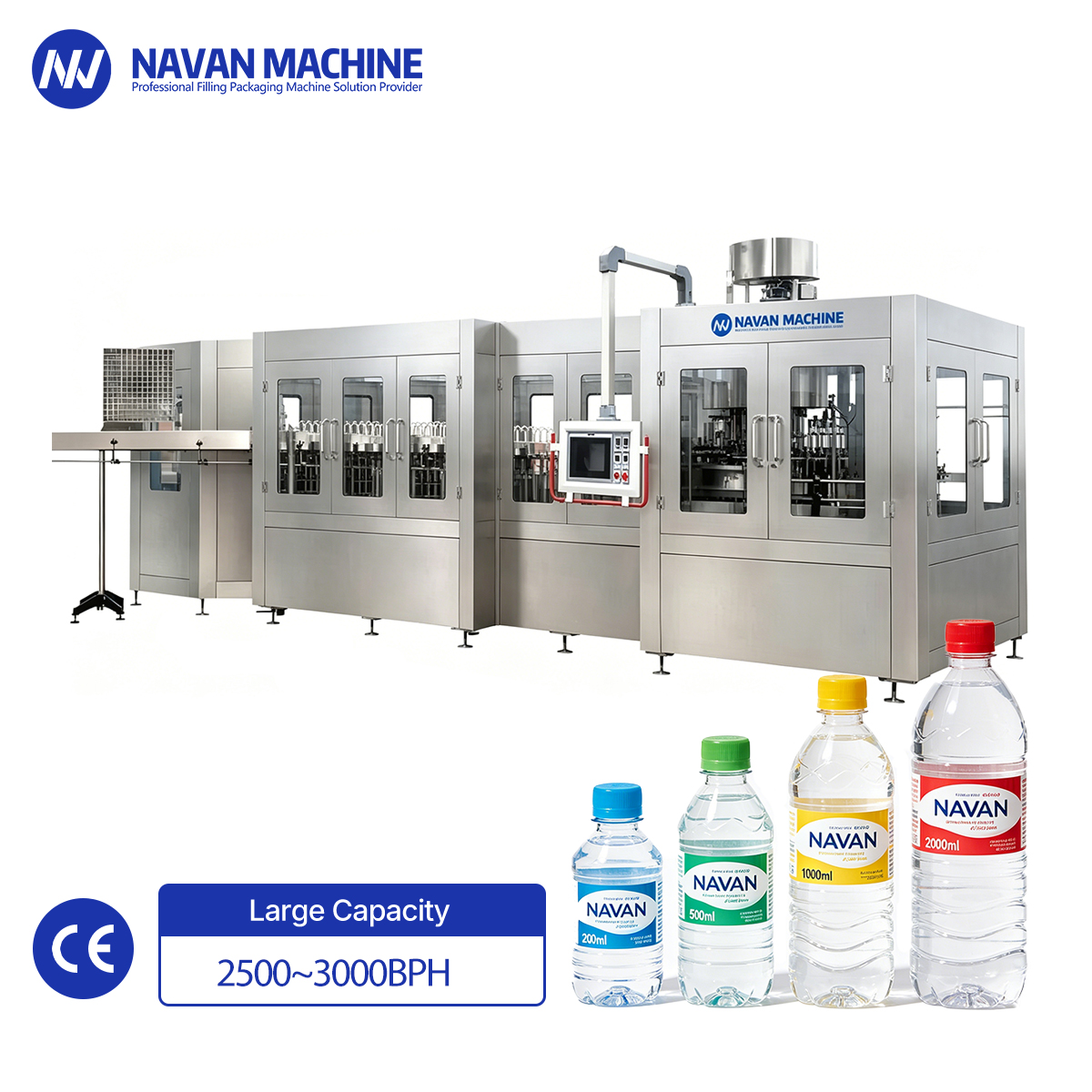
Executive Whitepaper: Industrial Benchmark of Global Liquid Filling Machinery Suppliers
The global liquid packaging machinery market has undergone a dramatic technological evolution driven by automated Industry 4.0 integration, stringent microbiological safety protocols, and ultra-lightweight container neck designs. Sourcing the right liquid filling machine supplier requires evaluating manufacturing capabilities beyond surface-level quotes. B2B procurement teams must assess structural engineering, fluid control precision, Clean-in-Place (CIP) design compliance, total cost of ownership (TCO), and after-sales field support.
When selecting among top liquid filling machine suppliers and exporters, machinery evaluation is categorized by liquid rheology (viscous, non-viscous, foaming, or carbonated), container formats (PET, glass, aluminum cans, HDPE, or 5-gallon barrels), and operating throughput requirements (ranging from 2,500 BPH start-up plants to 36,000 BPH high-speed bottling lines).
Atmospheric & Gravity Filling
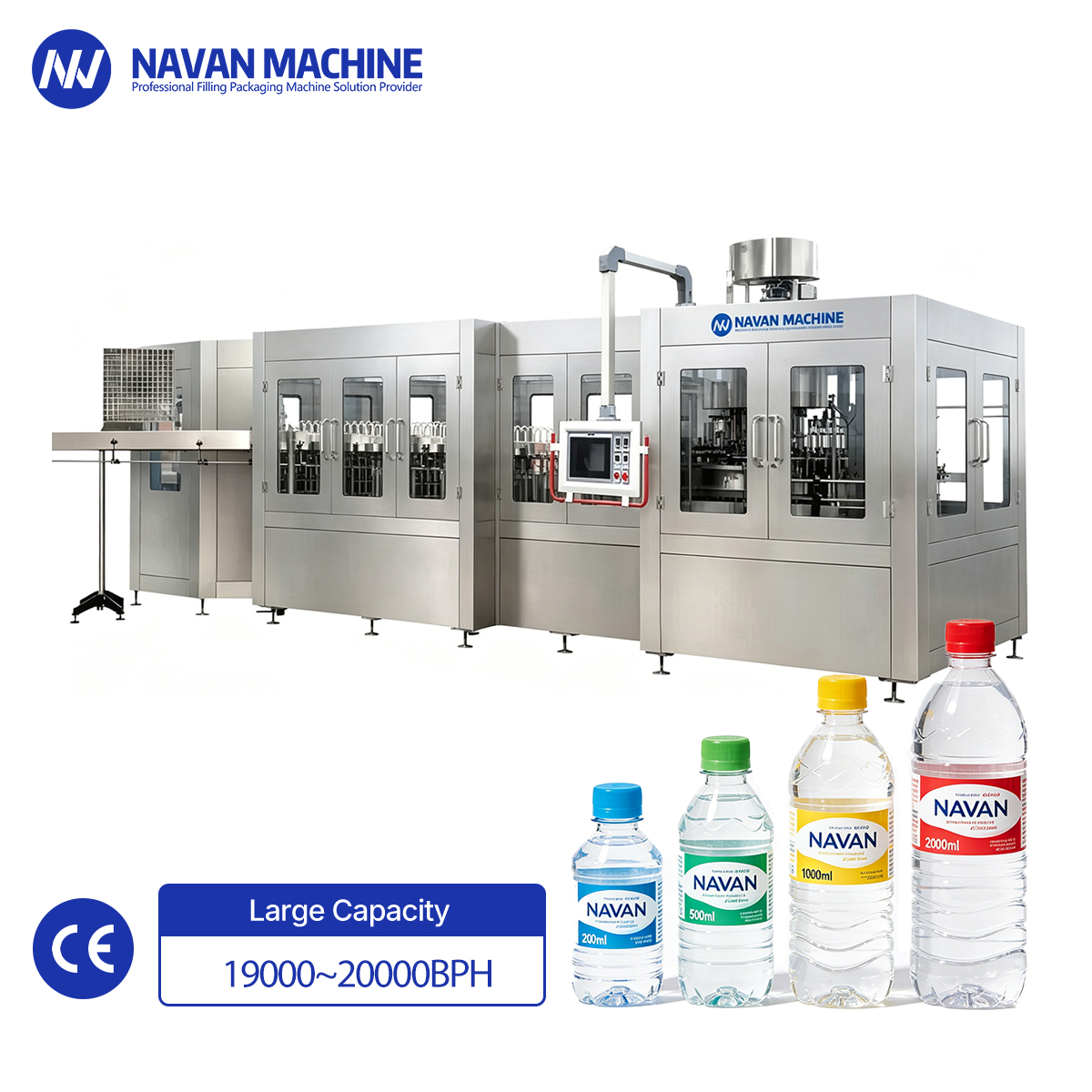
Ideal for free-flowing, low-viscosity non-carbonated liquids such as mineral water, purified spring water, and clear spirits. Utilizes stainless steel SS304/SS316L mechanical valves with level-sensing return tubes for exact liquid height control without aeration.
Isobaric Counter-Pressure Filling
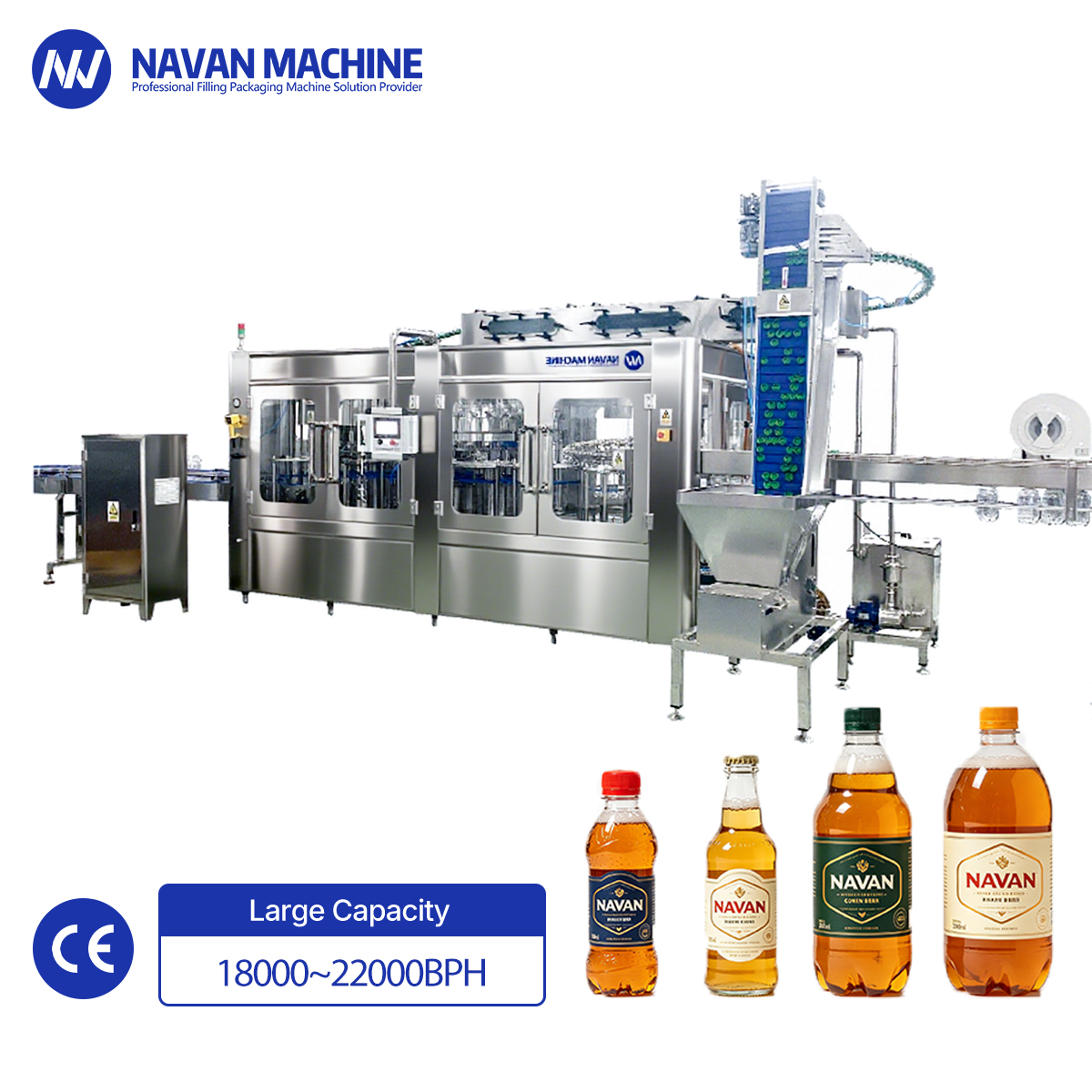
Specifically engineered for carbonated soft drinks (CSD), beer, sparkling water, and hard seltzers. Equalizes CO₂ pressure within the bottle and filling bowl prior to valve opening to eliminate excess foam, preserving carbonation volumes up to 4.5 g/L.
Piston & Volumetric Filling
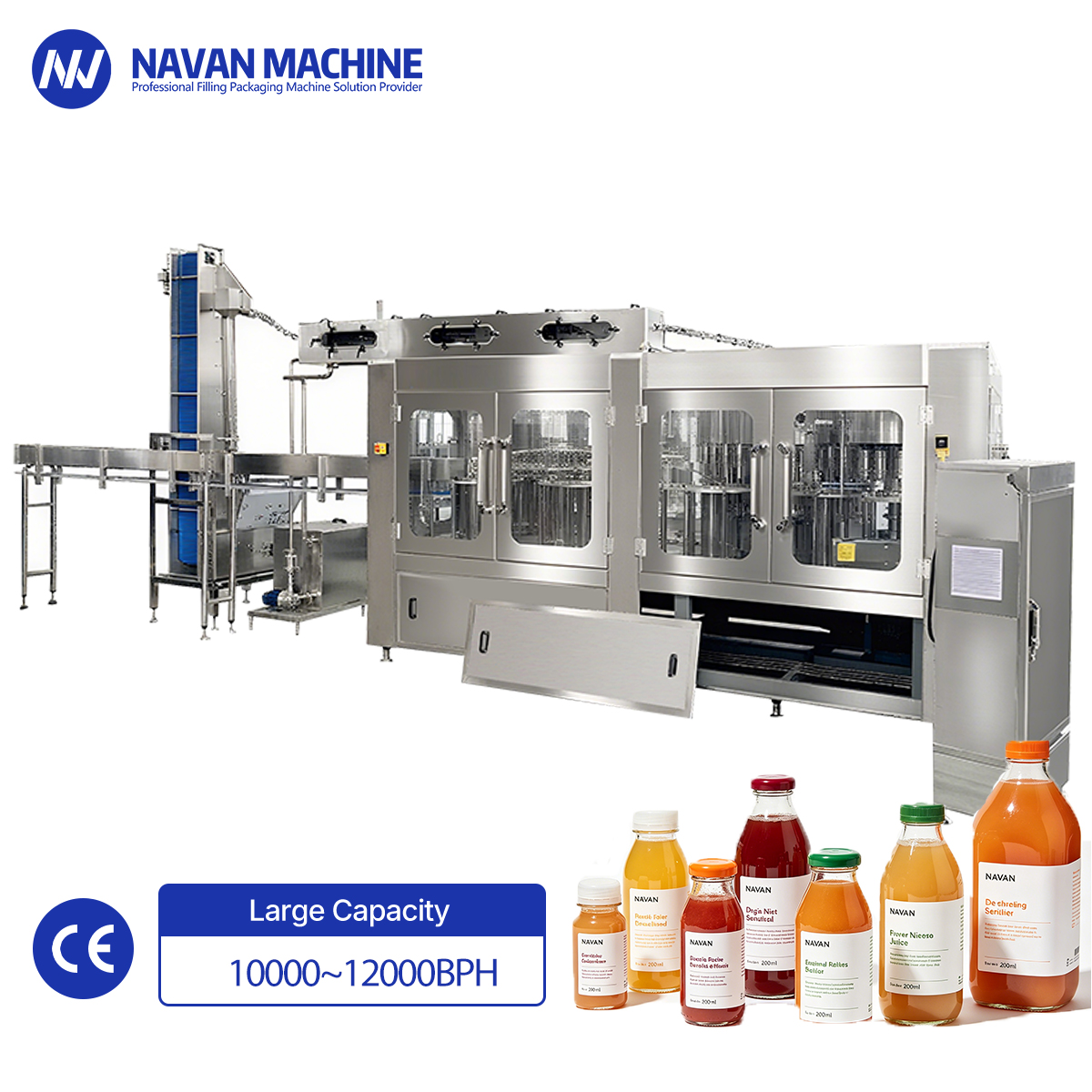
Designed for viscous pastes, edible oils, sauces, ketchup, and honey. Servo-motor driven pistons offer precision positive displacement with non-drip pneumatic cut-off nozzles to prevent neck contamination during high-speed indexing.
Comparative Engineering Analysis: Top Global Machinery Vendor Tiers
To assist plant management in making informed capital equipment investments (CapEx), the following cross-comparison matrix contrasts Tier-1 European OEMs, Western integrators, and premier verified Chinese direct manufacturers (such as Zhangjiagang Osnib Machine Co., Ltd.).
| Evaluation Parameter | Tier-1 European OEMs | Osnib Machine (Zhangjiagang, China) | Standard Trading Suppliers |
|---|---|---|---|
| Target Throughput | 36,000 – 72,000 BPH | 2,500 – 36,000 BPH | 1,000 – 10,000 BPH |
| CapEx Investment Level | Very High ($1.5M - $5M+) | Optimal Direct OEM ($100K - $600K) | Low ($30K - $120K) |
| Valve Engineering | Electronic Mass Flowmeter | Mechanical & Servo Volumetric / Isobaric | Basic Gravity / Pneumatic |
| Contact Part Metallurgy | AISI 316L / Titanium | AISI 316L Contact / AISI 304 Frame | AISI 304 / Commercial Steel |
| Sanitation & CIP System | Fully Automated Closed CIP/SIP | Integrated 3-Stage CIP System & Dummy Cups | Manual Washdown / Basic CIP |
| Onsite Audit Certification | ISO 9001, CE, UL | TÜV Rheinland Onsite Verified, CE | Basic Self-Declaration CE |
| Global Service Footprint | Global Hubs (High Cost) | Direct Overseas Offices (Russia, Rwanda/Africa) | Remote Email Support Only |
Future Procurement & Technological Trends in Liquid Packaging (2025–2030)
As beverage producers seek higher operational efficiency (OEE) and lower total energy footprint, several engineering advancements are defining modern liquid filling machinery manufacturing:
1. Transition to Lightweighting & Sustainable rPET Packaging
Petrochemical reduction initiatives have forced bottle preform designs down to extremely thin wall thicknesses (under 12 grams for a 500ml bottle). Modern filling lines must feature synchronized servo-driven bottle neck gripping technology rather than body-clamping mechanisms to prevent container collapse under mechanical loading during capping.
2. Servo-Controlled Flowmeter & Non-Contact Filling Valves
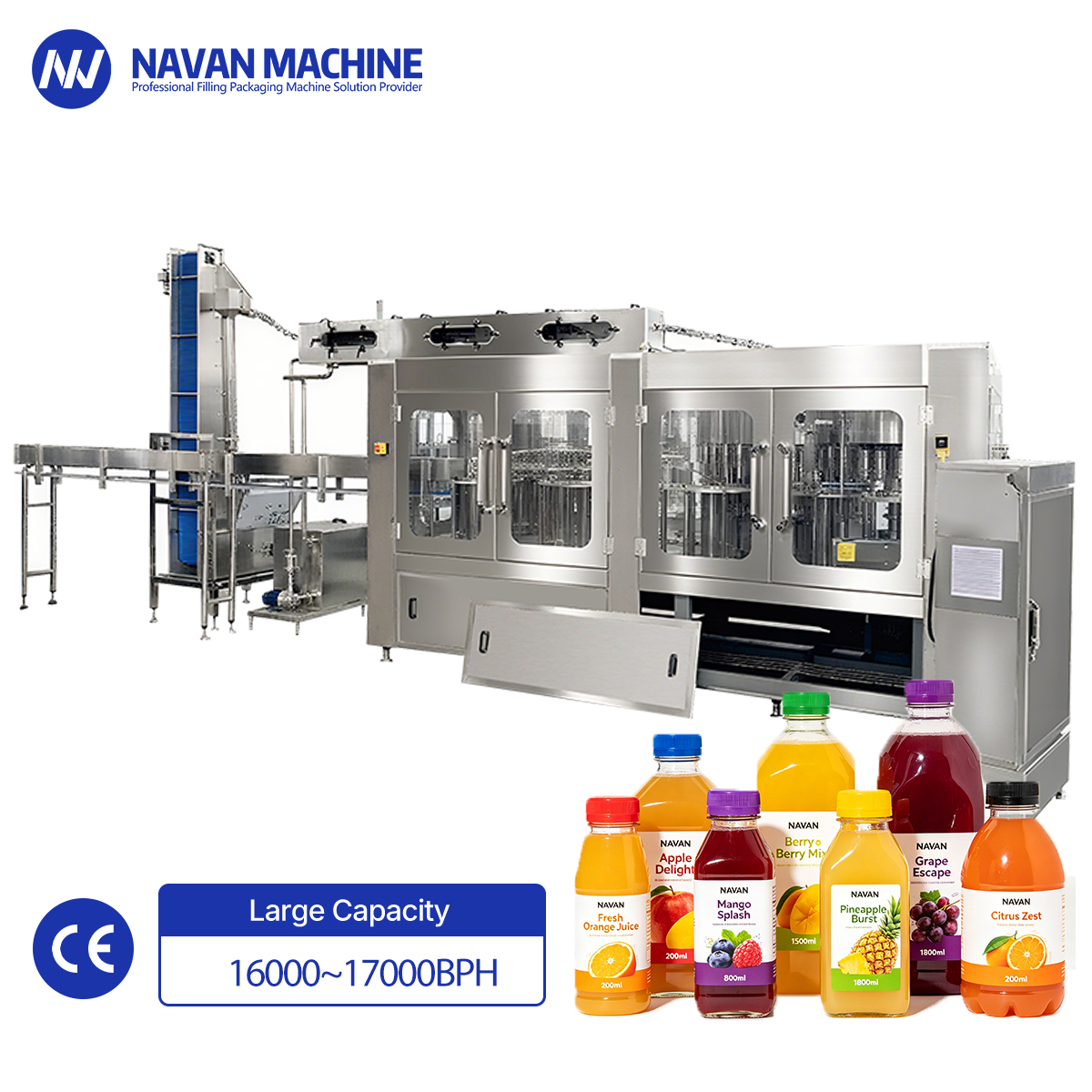
Traditional mechanical lift cylinders with mechanical valve actuation are increasingly replaced by electromagnetic flowmeters (magnetic inductive) and mass flowmeters. Non-contact filling nozzles prevent physical container contact, drastically reducing cross-contamination risk for ultra-clean and aseptic product lines such as cold-pressed juices and plant-based dairy.
3. Smart CIP/SIP Cleanability & Hygienic Monoblock Design
Plant downtime during clean-in-place cycles impacts profitability. Advanced monoblocks incorporate automatic dummy cup placement, automated chemical concentration monitoring, and sanitized laminar air flow hoods with HEPA filtration (Class 100 hygiene standard) directly over the rinsing, filling, and capping zones.
Core Competitive Advantages of Zhangjiagang Osnib Machine Co., Ltd.
As a verified direct manufacturer located in Zhangjiagang City—China's premier manufacturing base for beverage packaging machinery—Zhangjiagang Osnib Machine Co., Ltd. provides comprehensive turnkey plant solutions tailored to international standards. The company’s core strengths include:
TÜV Rheinland & CE Verified
Osnib Machine has passed rigorous on-site supplier verification audits conducted by TÜV Rheinland. Core filling lines, PET blow molders, and sleeve labelers are fully CE certified for seamless global compliance.
Full Turnkey Engineering
From water treatment (RO filtration, UV, ozone) and PET bottle blow molding to 3-in-1 monoblock filling, OPP/sleeve labeling, film shrink wrapping, and automated robotic palletizing—one single vendor manages the entire line.
Localized Global After-Sales Support
To reduce downtime, Osnib maintains localized service presence including a regional office in Kigali (Rwanda) for African markets and a dedicated office in Krasnodar Krai for Russia and CIS countries, alongside 24/7 remote technical support.
Frequently Asked Questions (FAQ) for Liquid Filling Equipment Procurement
How do I select between gravity, isobaric, and piston filling technologies?
What is the minimum order quantity (MOQ) and customization lead time?
What sanitary standards are implemented on Osnib liquid contact components?
What international delivery terms and payment options are accepted?
How does Osnib ensure proper commissioning and local operator training?
Ready to Engineering Your Turnkey Bottling Line?
Consult with our lead engineering experts today to receive custom workshop layout CAD drawings, accurate fluid dynamics recommendations, and factory-direct pricing for your target capacity.
Get a Quote