
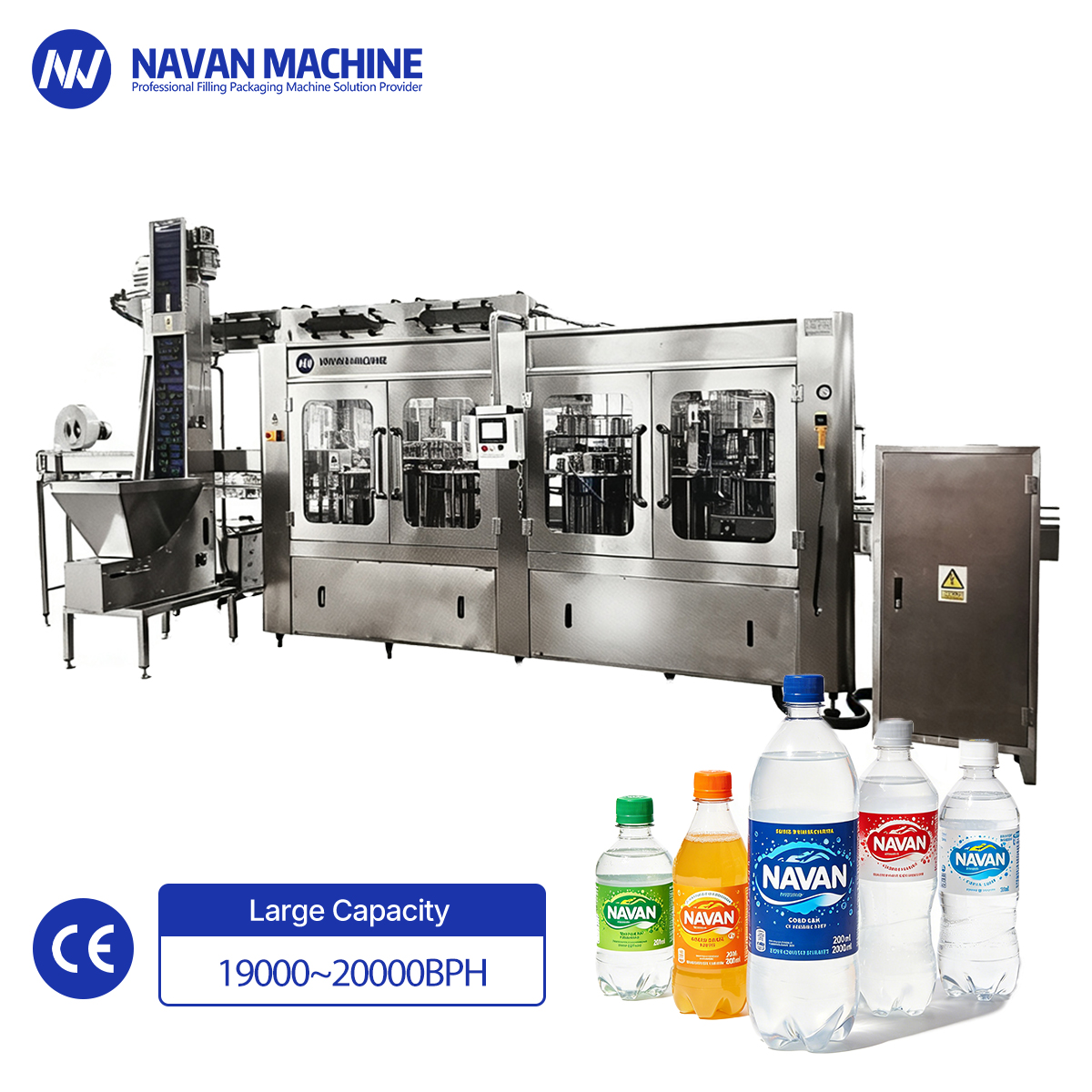


Executive Summary: Navigating Modern Rinser Filler Capper Manufacturing
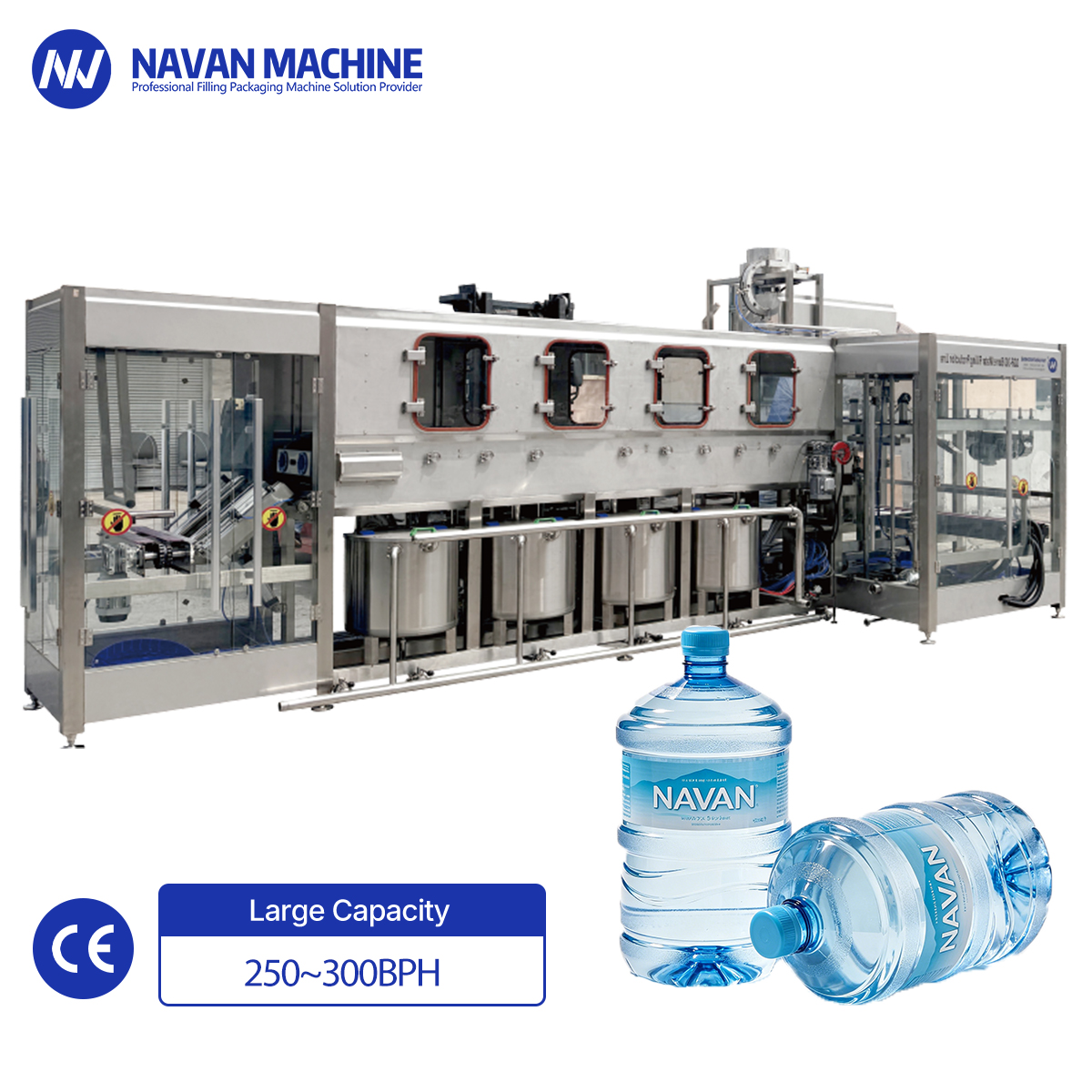
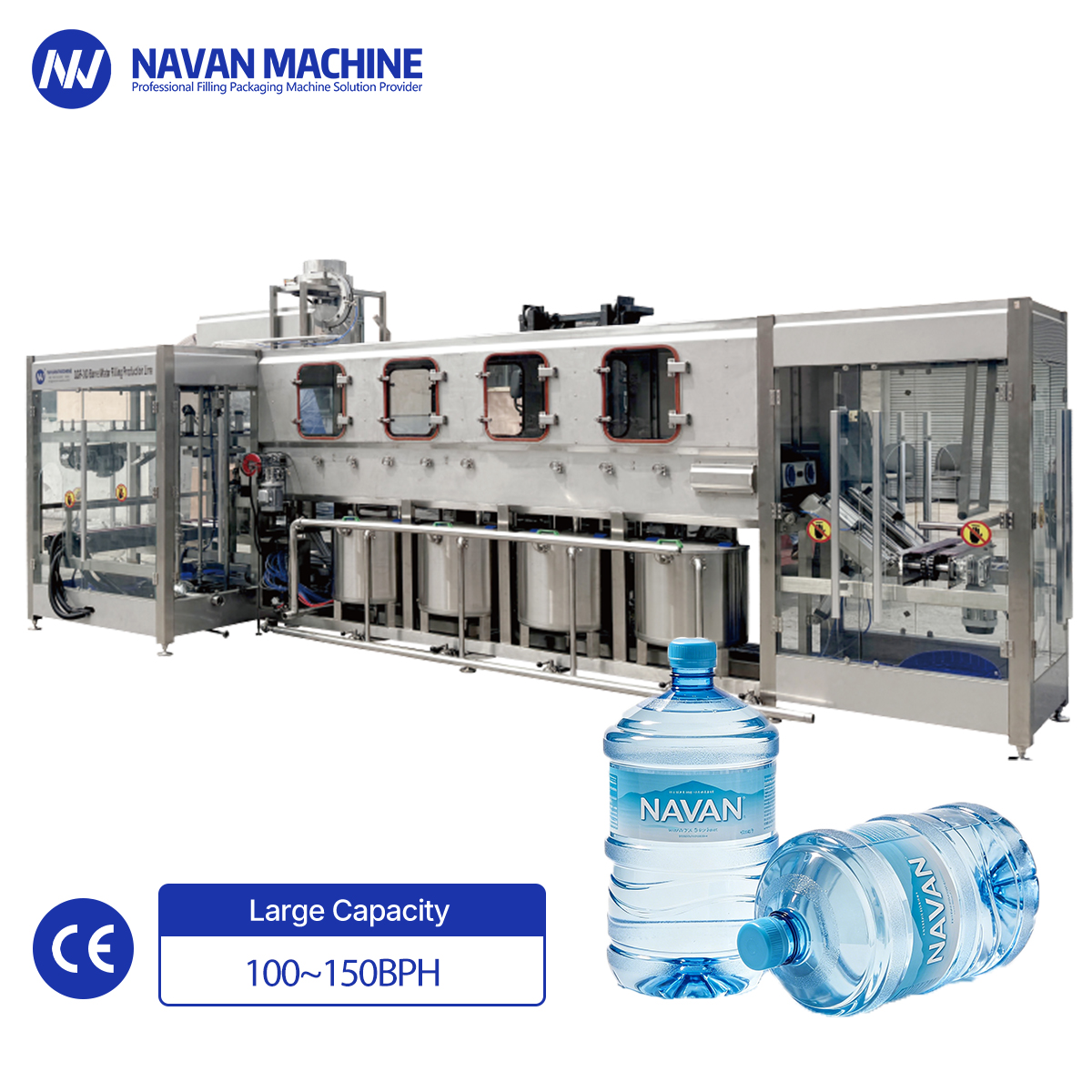
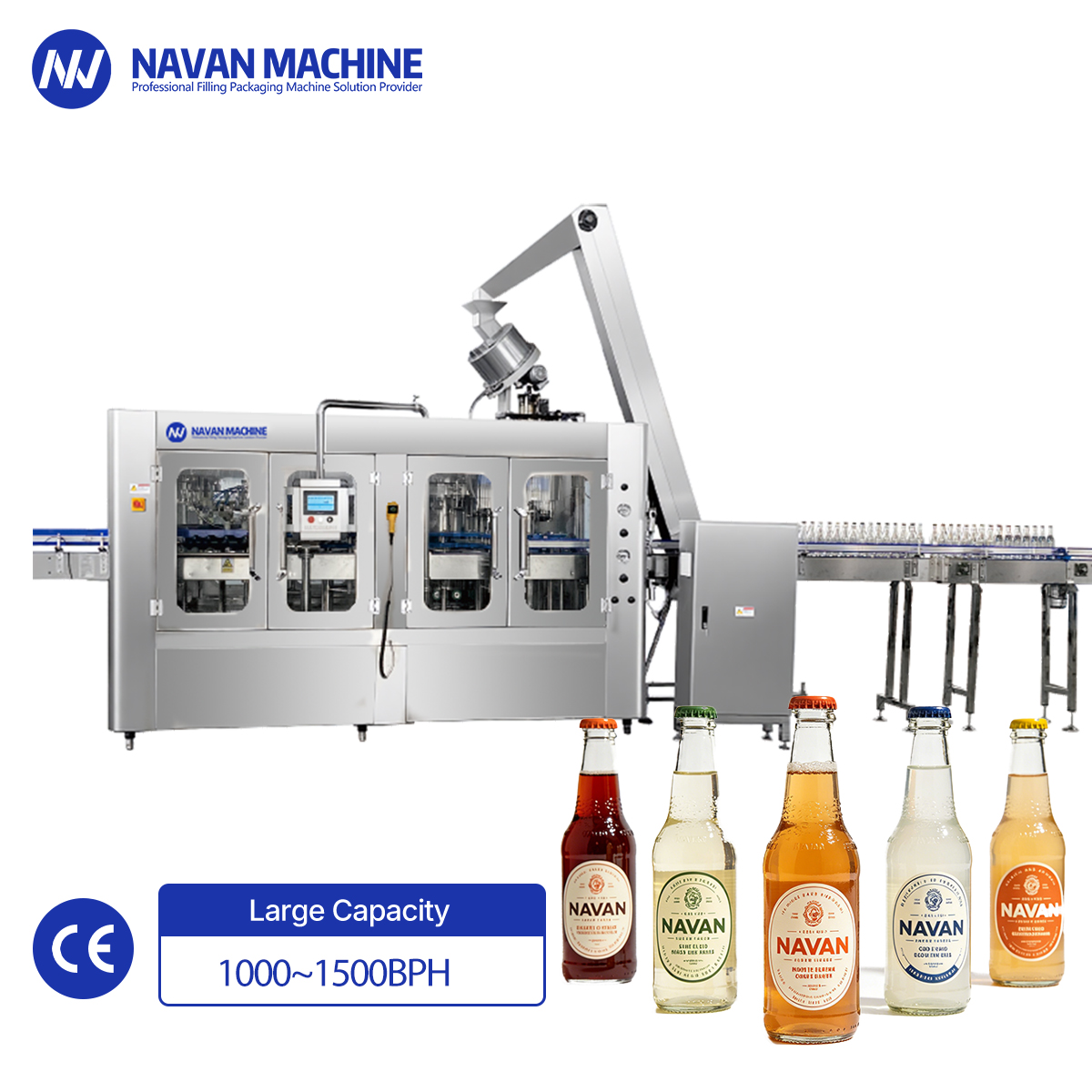
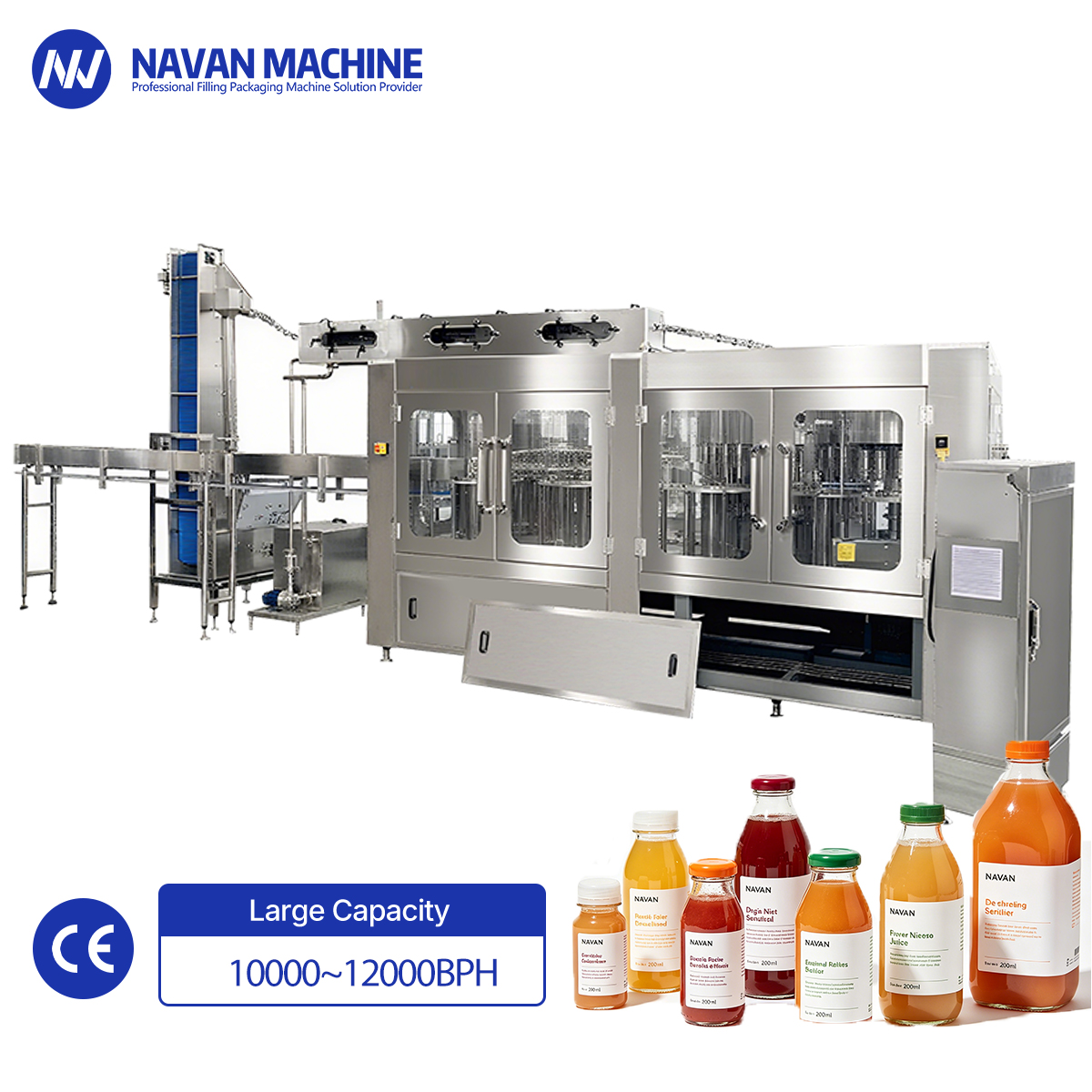
The global beverage packaging and liquid bottling sector is undergoing a profound technological evolution. At the heart of this transformation is the Rinser Filler Capper Monoblock—an integrated, synchronized system engineered to handle container cleaning, volumetric or isobaric liquid dispensing, and hermetic sealing within a single sanitary enclosure. Modern beverage production demands unprecedented operational efficiency, minimal downtime, strict microbiological safety, and total control over total cost of ownership (TCO).
Selecting the right OEM/ODM manufacturing partner among the world's leading packaging machinery hubs requires evaluating engineering capabilities, quality assurance standards, servo-driven mechanical synchronization, and long-term technical support. This industry whitepaper analyzes the competitive landscape of top liquid filling and capping factories, highlighting key procurement criteria, engineering breakthroughs, and market trends shaping plant automation from 2025 through 2030.
Monoblock Integration
Combines rinsing, filling, and capping into a synchronized carousel, eliminating inter-stage neck transfer bottlenecks and contamination points.
Hygienic Execution
Constructed with SUS304/SUS316L stainless steel contact surfaces, sterile air filtration, and automatic Clean-In-Place (CIP) recirculation.
Servo Torque Control
Magnetic hysteresis or full-servo capping heads guarantee precise closure torque, preventing thread damage while ensuring zero leakage.
Global Rinser Filler Capper Manufacturing Benchmark & Selection Criteria
When enterprise buyers evaluate top liquid filling machinery factories across primary industrial clusters—such as Germany, Italy, and Zhangjiagang (China’s premier beverage packaging machinery industrial base)—a standardized matrix must be employed to assess capabilities objectively.
Key Evaluation Dimensions for Enterprise Procurement:
1. Mechanical & Valve Precision: High-speed filling lines require high-precision volumetric flowmeters or mechanical isobaric valves capable of maintaining liquid level tolerance within ±2mm while minimizing dissolved oxygen (DO) pickup.
2. Sanitory Design & CIP/SIP Compatibility: Leading manufacturers design open-structure carousels equipped with automatic dummy cups for efficient Clean-In-Place (CIP) and Sterilize-In-Place (SIP) operations, essential for hot-fill juices, dairy, and CSD lines.
3. Component Standardisation: Utilization of globally recognized pneumatic and electrical hardware (e.g., Siemens PLC, Schneider electrics, Festo pneumatics, SEW drives) ensures frictionless international spare parts sourcing.
| Manufacturer Tier & Region | Typical Output Range | Core Filling Technologies | Primary Strengths & Value Proposition |
|---|---|---|---|
| Tier-1 European OEMs (Germany / Italy) | 40,000 – 90,000 BPH | Aseptic Cold Fill, Electronic Flowmeter | Ultra-high-speed capacity, high capital expenditure investment profile. |
| Leading Chinese Specialists (Zhangjiagang Hub) | 2,000 – 36,000 BPH | Isobaric, Gravity, Hot-Fill, Piston | Optimal ROI, custom OEM flexibility, robust build quality, fast turnaround. |
| Standard Regional Assemblies | 1,000 – 6,000 BPH | Mechanical Gravity / Semi-Auto | Low setup cost, suitable for small localized batch operators. |
Corporate Blueprint: Zhangjiagang Osnib Machine Co., Ltd.
Located in the heart of China's liquid packaging machinery industrial hub, Zhangjiagang Osnib Machine Co., Ltd. stands out as a high-technology enterprise specializing in turnkey bottling and packaging solutions. With complete factory integration, Osnib bridges the gap between customized mechanical engineering and international quality compliance.
TÜV Rheinland Verified
Onsite supplier assessment verified by TÜV Rheinland. Full CE compliance across filling, blowing, labeling, and palletizing machinery series.
Turnkey Line Engineering
From RO water treatment systems and PET stretch blow molding to 3-in-1 monoblock filling, OPP/Sleeve labeling, and automatic palletizers.
Global Service Hubs
Dedicated international branch operations in Russia (Goryachy Klyuch) and Africa (Kigali, Rwanda) delivering localized commissioning and technical support.
Osnib Machine eliminates procurement risks by maintaining an integrated factory-to-export structure. Engineers work under the same roof as project managers, ensuring container specifications, neck finish geometries (such as 28mm PCO 1881, 30/25, 38mm), product viscosity parameters, and local grid voltages are perfectly configured prior to pre-shipment acceptance testing.
Future Procurement Trends in Liquid Bottling Automation (2025–2030)
Plant managers and prospective factory owners must align their capital expenditure strategies with upcoming technological shifts. The next decade of liquid bottling will prioritize modular flexibility, ultra-lightweight containers, low energy footprint, and intelligent IoT telemetry.
1. Transition to Servo-Driven Modular Monoblocks
Legacy mechanical gear-train synchronized lines are increasingly being replaced by independent servo-driven carousels. Individual servo control on rinsing grippers, filling valves, and capping turrets minimizes mechanical wear, reduces noise levels below 75 dB, and dramatically shortens changeover times between different bottle volumes (e.g., converting 330ml to 1.5L PET within 30 minutes).
2. Lightweighting & Delicate Neck Handling
With environmental regulations accelerating PET lightweighting initiatives (reducing 500ml bottle preform weight down to 9.5 grams or below), modern rinser filler cappers rely exclusively on neck-handling starwheels and air conveyors. Air-cushioned lifting cylinders prevent bottle collapse during high-pressure filling cycles.
3. Smart Hygiene & Automated CIP/SIP Automation
Microbiological integrity remains non-negotiable. Modern factories are specifying closed-loop CIP systems featuring automated pneumatic dummy cups. These allow hot caustic and acid wash solutions to recirculate through all filling valves without manual intervention, maintaining log-5 sterilization levels for sensitive juice, RTD tea, and dairy-based drinks.
Technical Deep Dive: Valve Filling Technologies & Capping Mechanics
To ensure optimal product quality, the filling mechanism must be matched precisely to the liquid's chemical and physical characteristics.
Gravity / Normal Pressure Valves
Target Products: Still mineral water, edible oils, clear spirits.
Principle: Liquid flows by gravity once the bottle neck seals against the silicone gasket, venting internal air through a central exhaust tube.
Isobaric Counter-Pressure Valves
Target Products: Carbonated soft drinks (CSD), beer, sparkling water.
Principle: Bottle is pressurized with CO₂ to match tank pressure before filling, preventing carbonation flash-off and controlling foam generation.
Positive Displacement Piston Valves
Target Products: High-viscosity liquids, honey, chili sauces, edible oils.
Principle: Servo-actuated pistons dispense precise liquid volumes, paired with drip-free shut-off nozzles to prevent neck contamination.
Hermetic Capping Mechanics
Capping is the critical final safeguard against contamination and gas leakage. Modern monoblocks utilize constant-torque magnetic hysteresis capping heads. When the cap is screwed to the specified torque setting (measured in N·m), the internal magnetic clutch slips smoothly, guaranteeing uniform sealing tightness across millions of cycles without cap scuffing.
Frequently Asked Questions (FAQ) for Bottling Equipment Buyers
Request Your Customized Bottling Line Proposal Today
Share your target capacity (BPH), product specifications, and bottle CAD drawings with our engineering team. Receive a turnkey equipment configuration and factory layout design within 24 hours.
Get Catalog