Featured Bottling & Carbonation Machinery
Explore high-efficiency CSD carbonation systems, monoblock rotary fillers, and complete turnkey bottling infrastructure engineered by Zhangjiagang Osnib Machine Co., Ltd.

34000~36000BPH Pure Water Bottling Plant XGF60-60-15 Fully Automatic PLC Controlled PET Bottle Filling Machine Food Grade

Industrial XGFD40-40-10 PLC Controlled Automatic Carbonated Drink Filling Machine 200-2000ml Plastic Bottle CSD Machinery

40 Heads Rotary PLC-Controlled Liquid Filler 200ml-2000ml PET Bottle Automatic High-Efficiency Juice Bottling Line

Navan XGFD24-24-8 Automatic Carbonated Beverage Filling Machine 200-2000ml Bottle Filling Production Line CE Certified

Automatic Glass Bottle Wine Filling Machine 2500-3000BPH 12 Nozzle Mechanical Bottling Line PLC CE
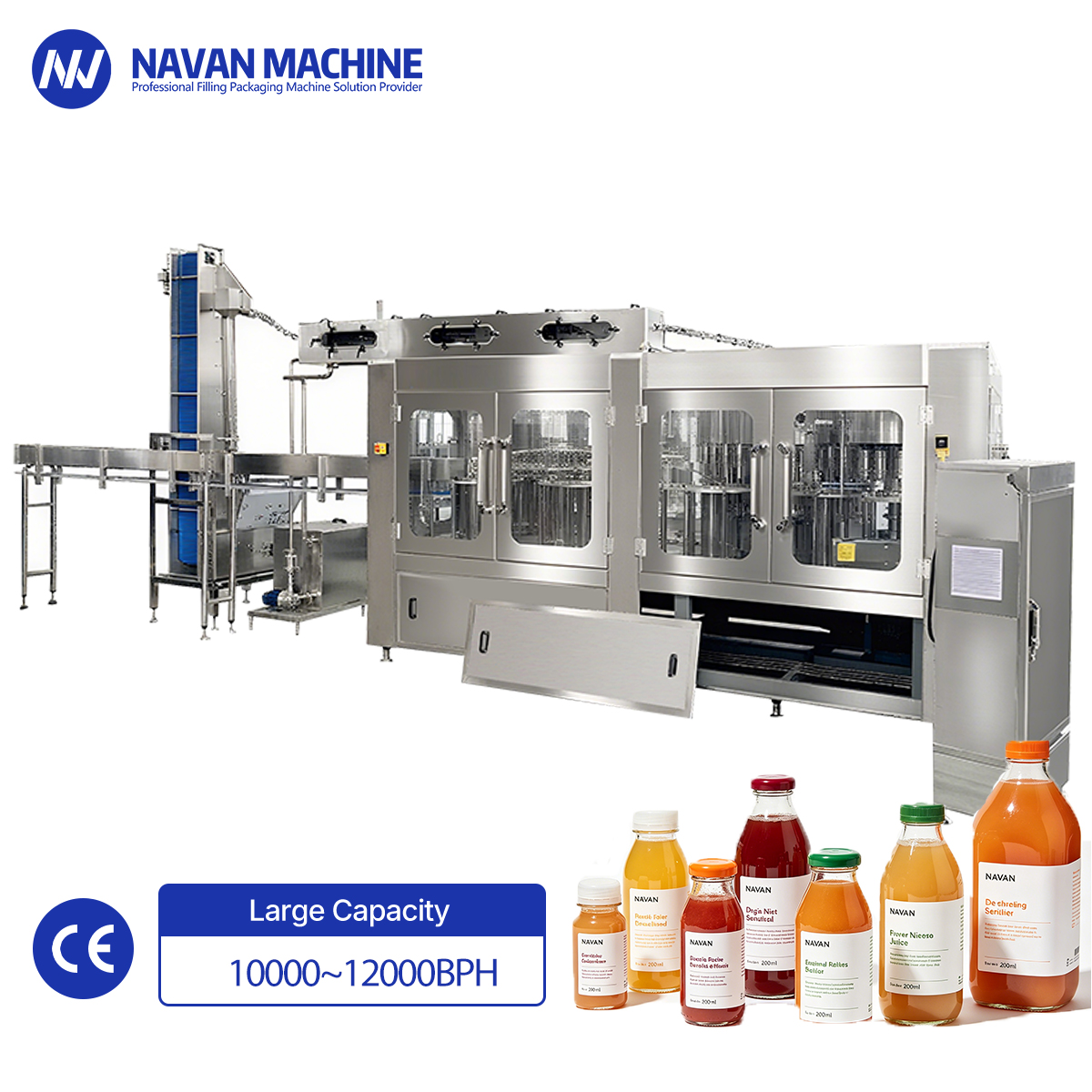
10000-12000 BPH PLC Automatic Fruit Juice Processing Line 24 Filling Heads PET Bottle Liquid Bottling Equipment CE Certified
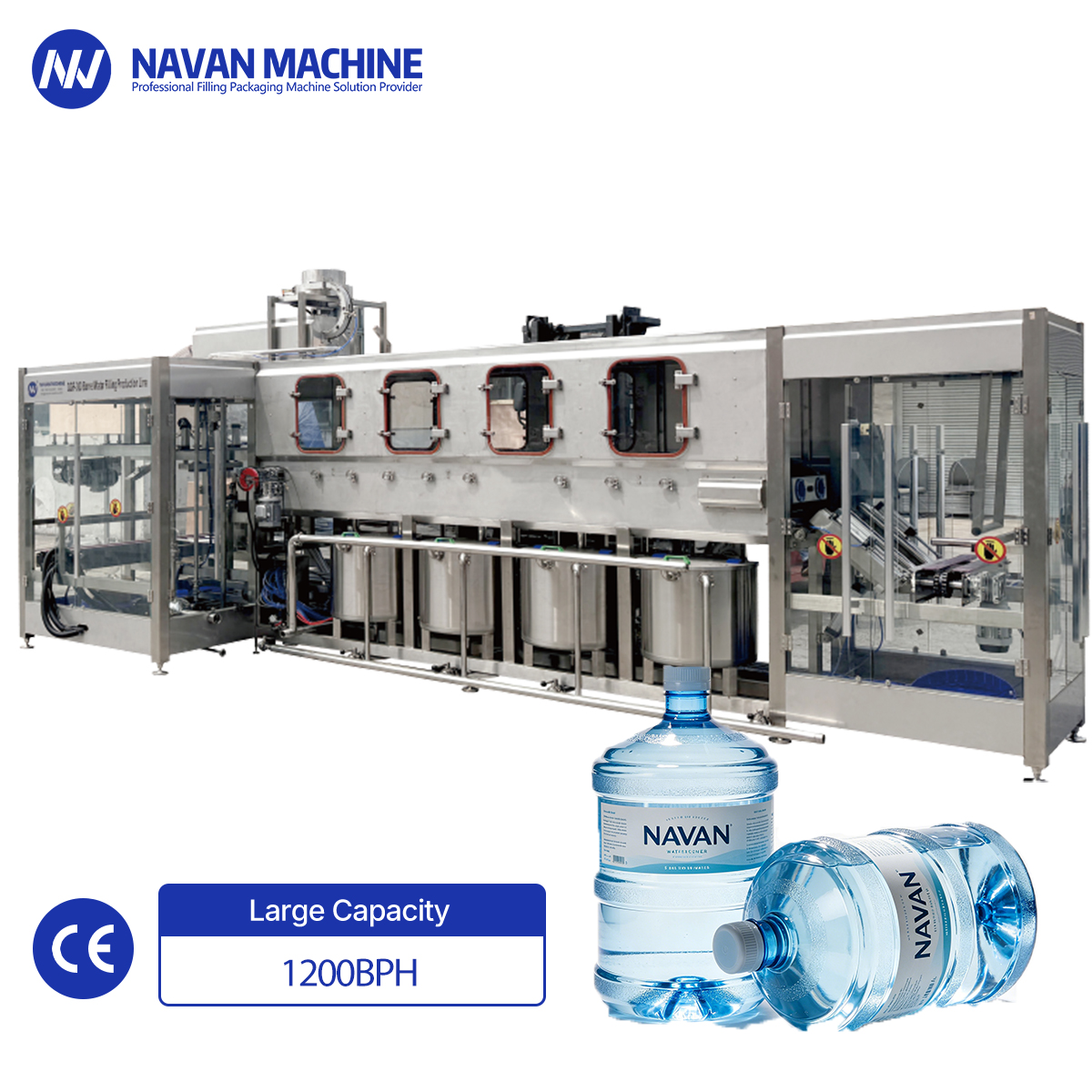
Industrial Automatic 18.9L PET Barrel Water Filling Plant 1200BPH 5 Gallon Rinser Filler Capper PLC Controlled Eco-Friendly

Automatic 10-20L Barrel Water Filling Machine 400-450BPH 3 Nozzle Washing Capping Line Mechanical PLC 415V
China Beverage Carbonator Sourcing & Engineering Matrix
In the rapidly evolving global beverage market, securing high-performance carbonated soft drink (CSD) bottling lines and precision gas-liquid carbonator systems is pivotal to commercial success. Modern beverage manufacturing demands zero-tolerance carbonation consistency, optimal Brix proportioning, gas-efficient absorption, and seamless integration between deaeration and isobaric filling systems. China—specifically the Zhangjiagang industrial machinery cluster in Jiangsu Province—has established itself as the global epicentre for advanced, cost-effective beverage bottling and carbonation solutions.
When global plant managers and procurement executives search for top China beverage carbonator factories and wholesalers, the primary evaluation parameters extend far beyond basic purchasing price. Sourcing managers require deep verification of technical compliance (CE marking, TÜV Rheinland factory auditing), operational stability, hygienic metallurgy (SUS304/SUS316L food-grade contact surfaces), carbonation volume stability (ranging up to 5.0 vol/vol CO₂), and total cost of ownership (TCO). This comprehensive whitepaper provides enterprise buyers with an authoritative analysis of technology dynamics, system architectures, supply chain advantages, and procurement best practices.
1. Advanced Technical Architecture of Industrial Beverage Carbonators
An industrial beverage carbonator (or mixer/carbonation system) serves as the heart of any carbonated beverage bottling line. Its core duty is to inject controlled volumes of carbon dioxide (CO₂) gas into deaerated water or liquid syrup mixtures under pressurized conditions and chilled temperatures (typically 0°C to 4°C). China's leading original equipment manufacturers (OEMs), such as Zhangjiagang Osnib Machine Co., Ltd., employ sophisticated multi-stage processing units to ensure long-term stability and taste consistency.
Vacuum Deaeration Stage
Dissolved oxygen (O₂) in source water degrades drink flavor, causes foam formation during filling, and reduces CO₂ absorption. Top-tier Chinese carbonators utilize dual-stage vacuum degassing towers equipped with liquid-ring vacuum pumps to reduce oxygen levels down to <0.5 ppm prior to carbonation.
Precision Metering & Brix Mixing
High-speed production demands strict syrup-to-water ratios. Modern carbonator skid systems utilize electromagnetic mass flow meters (Siemens or Endress+Hauser) driven by PLC servo feedback loops, ensuring liquid dosing accuracy within ±0.05 Brix for soda, tonic, cola, and sparkling fruit juices.
Venturi & Static Mixing Technology
To maximize gas dissolution rates without damaging product texture, water and gas pass through precision Venturi injectors and multi-plate stainless steel static mixing tubes. This micro-bubble dispersion technique ensures complete CO₂ saturation even at elevated plant ambient temperatures.
2. Why Partnering with Zhangjiagang Osnib Machine Co., Ltd. Delivers Competitive Advantage
Navigating international supply chains requires a partner that demonstrates robust E-E-A-T credentials (Experience, Expertise, Authoritativeness, and Trustworthiness). Zhangjiagang Osnib Machine Co., Ltd. stands out among Chinese manufacturers as an integrated factory and export enterprise specializing in complete turnkey bottling infrastructure.
| Evaluation Parameter | Osnib Machine Engineering Standard | Commercial Sourcing Benefit |
|---|---|---|
| Factory Auditing & Certifications | TÜV Rheinland Onsite Supplier Verified; CE Certified Machinery | 100% compliance with EU, US, and Latin American safety & electrical standards. |
| Manufacturing & Engineering Hub | Zhangjiagang City, Jiangsu Province (1,000–3,000 m² modern workshop) | Direct workshop pricing with zero intermediary trading markups. |
| Global Service Infrastructure | Headquarters in China + Direct Overseas Branches in Russia (Goryachy Klyuch) & Africa (Kigali, Rwanda) | Onsite commissioning, local spare parts availability, and 7x24 fast engineering support. |
| Customization Capabilities (OEM/ODM) | Exclusive bottle shape design, label artwork layout, and customized workshop CAD drawings | Tailored equipment matching unique container geometries (PET, Glass, Aluminium cans) and local power grids (220V-485V, 50/60Hz). |
| Quality Control Protocols | Full pre-shipment trial runs using buyer product samples, remote video FAT (Factory Acceptance Testing) | Guaranteed seamless startup with minimal field commissioning downtime. |
3. Key Industry Development Trends in Carbonation & Bottling Machinery (2025–2035)
As global sustainability mandates tighten and energy costs remain volatile, the design paradigm of beverage carbonators and CSD filling lines is undergoing a fundamental technological shift. Forward-thinking beverage producers must align their procurement strategies with several major industry developments:
A. Energy-Efficient Chilling & Heat Recovery Systems
Traditional carbonation requires heavy electrical consumption for liquid chilling. Future-ready Chinese factories are integrating ultra-compact plate heat exchangers (PHE) coupled with heat-recovery chillers. By pre-cooling incoming process water using chilled return streams, overall plant power consumption drops by up to 22%.
B. Multi-Liquid Hybrid Filling Monoblocks
Modern brands no longer rely on single-purpose lines. The market is trending toward versatile monoblocks capable of switching seamlessly between carbonated beverages (CSD), still mineral water, hot-filled juice products, and low-alcohol beverages using electronic isobaric filling valves.
C. Smart Industry 4.0 Integration & Inline Gas Sensing
Leading carbonators now feature real-time optical CO₂ sensors and inline refractometers linked directly to Siemens PLC architectures. Plant operators monitor Brix consistency, carbonation pressure, and filling speeds via central touchscreens or remote cloud dashboards, eliminating manual lab testing delays.
D. Sustainable Lightweight Container Handling
With the industry moving toward ultra-lightweight PET preforms and rPET (recycled PET) materials, carbonation filling valves are re-engineered with neck-handling grippers and soft pre-pressurization cycles to prevent container deformation under 0.4–0.6 MPa filling pressures.
4. Technical Specification & Capacity Matrix for Enterprise Buyers
To assist purchasing directors and process engineers in selecting the correct equipment configuration, the matrix below details operational specs across standard production tiers:
| Machinery Model / Line Capacity | Filling Principle | CO₂ Dissolution Range | Suitable Container Types | Recommended Plant Application |
|---|---|---|---|---|
| Small Scale (2,000 - 4,000 BPH) e.g., XGFD12-12-6 |
Isobaric Mechanical Valve | 1.5 - 3.5 vol/vol | PET / Glass (200ml - 2000ml) | Regional soda startups, craft beverage bottlers, niche sparkling water producers. |
| Medium Scale (6,000 - 15,000 BPH) e.g., Navan XGFD24-24-8 |
Pneumatic Isobaric + Mass Flow Meter | 2.0 - 4.5 vol/vol | PET plastic bottles, Crown cap glass | Commercial CSD brands, contract co-packers, regional mineral water plants. |
| High Speed (18,000 - 36,000 BPH) e.g., XGFD60-60-15 Monoblock |
Electro-Pneumatic Flow Meter / Servo Valve | up to 5.0 vol/vol | Lightweight PET, Aluminium Cans | Large-scale multinational bottling plants, high-volume carbonated water lines. |
| 5-Gallon Heavy Duty Line e.g., QGF-900 (900 BPH) |
Gravity / Pressure Assisted | Still Water / Mild Carbonation | 10L - 20L PET Barrels | Commercial office water supply, bulk distribution hubs. |
5. Frequently Asked Sourcing & Technical Questions (FAQ)
Here are critical technical and commercial queries resolved by Osnib Machine’s senior engineering director for overseas importers:
How do I prevent foaming during high-speed carbonated drink filling?
Foaming occurs primarily due to residual air in water, temperature fluctuations, or inadequate backpressure inside the bottle during filling. Our carbonation lines solve this by combining dual degassing towers to reduce oxygen, chilling product temperatures down to 2°C–4°C, and using precision isobaric pressure balancing (pre-pressurizing bottles with CO₂ matching the tank pressure before liquid release).
What is the Minimum Order Quantity (MOQ) and customization lead time?
The MOQ is 1 set. Whether you require a single standalone carbonator mixer, a labeler upgrade, or a complete turnkey line, we accommodate OEM order configurations. Production lead times typically range from 30 to 60 days depending on electrical specifications and bottle mold customization requirements.
Does Osnib Machine provide localized engineering support and factory layout planning?
Yes. We provide complete 2D/3D CAD plant layout drawings tailored to your factory dimensions, utility inlet points, and operator walkways. Furthermore, our direct branch offices in Russia (Krasnodar Krai) and Africa (Kigali, Rwanda) offer localized installation, commissioning, and operator training services.
Which trade terms and payment methods are accepted for international exports?
We support standard international commercial terms including FOB, CFR, CIF, EXW, CIP, FCA, DDP, and DDU. Payments can be settled securely via T/T, L/C at sight, Western Union, or major currencies including USD, EUR, GBP, and CNY.
How do you ensure equipment compliance with overseas regulatory standards?
All main filling, blow molding, labeling, and carbonation machinery manufactured by Osnib Machine carry full CE certification. Furthermore, our production plant has passed rigorous onsite supplier assessment and auditing conducted by TÜV Rheinland.
Can the carbonator system handle high-viscosity pulp juices or viscous soft drinks?
Yes. For juices containing pulp or beverages with higher viscosity, we configure custom piston-assisted or diaphragm carbonation pumps alongside wide-channel static mixers to prevent clogging while maintaining uniform gas dissolution.
Accelerate Your Beverage Project with Certified Engineering
Request a detailed technical quotation, customized plant layout drawing, or machine ROI calculation from our expert engineering team today.
