Recommended High-Performance Bottling Equipment
Precision-engineered beverage filling, blowing, labeling, and packaging lines tailored for global breweries and beverage plants.



1. Technical Fundamentals: Engineering Low-Oxygen Beer Bottling Equipment
In modern brewing logistics, beer bottle filling is widely recognized as the most sensitive step in preserving flavor stability, foam density, and shelf-life. As a primary manufacturer based in Zhangjiagang, China, Zhangjiagang Osnib Machine Co., Ltd. designs high-efficiency mechanical and electro-pneumatic beer bottle fillers built around strict thermodynamic and fluid-dynamics principles. Unlike simple gravity or ambient carbonated soft drink (CSD) lines, beer bottling requires precise atmosphere displacement to minimize Total Picked-Up Oxygen (TPO).
Oxygen ingress is the primary cause of beer staling, haze creation, and premature degradation of hop aromas (specifically iso-alpha acids). Professional beer bottle filler factories utilize Double Pre-Evacuation Isobaric Valve Technology to purge ambient air from glass bottles before liquid injection occurs.
The Physics of Low-Oxygen Counter-Pressure Filling
Our automated beer bottling monoblocks operate through a synchronized multi-stage pressure equalization cycle:
- First Vacuum Evacuation: A high-vacuum pump evacuates air from the glass bottle down to -0.09 MPa (90% vacuum displacement).
- CO2 Purging & Equalization: Clean food-grade CO2 gas is injected into the evacuated bottle to flush out residual O2.
- Second Vacuum Evacuation: A second vacuum pull reduces residual oxygen to less than 0.5%, ensuring maximum atmosphere purity.
- Isobaric Counter-Pressure Filling: The filling valve opens under equalized ring-bowl CO2 pressure (0.25–0.40 MPa). Liquid beer flows smoothly down the interior bottle walls via stainless steel vent tubes without turbulence or secondary foaming.
- Precision Decompression & Jetting: Slow, multi-stage pressure relief prevents violent CO2 breakout. High-pressure hot water jetting (foaming) immediately before crown capping forces out headspace air using sterile beer foam.
Engineering Comparison: Mechanical Valve vs. Electro-Pneumatic Flowmeter Fillers
Selecting the optimal beer bottle filling architecture depends directly on your brewery’s target volume (BPH - Bottles Per Hour), SKU variety, and target Total Cost of Ownership (TCO).
| Performance Metrics | Mechanical Isobaric Filler (XGF/BC Series) | Electro-Pneumatic Isobaric Filler (EP Series) |
|---|---|---|
| Target Output Range | 1,500 – 18,000 BPH | 6,000 – 36,000 BPH |
| DO (Dissolved Oxygen) Level | < 30 – 50 ppb (with double evacuation) | < 15 – 25 ppb (servo controlled) |
| Bottle Type Compatibility | Standard Glass Bottles & High-Gram PET | Universal Glass, PET, & Lightweight Aluminum |
| Filling Valve Control | Mechanical Cam & Pneumatic Actuation | PLC-Servo Electro-Pneumatic Valves |
| CIP Clean-in-Place Automation | Manual / Semi-Automatic Dummy Bottles | Fully Automatic Closed-Loop CIP with Automatic Dummy Cups |
| Fill Level Precision | ± 2.0 mm (Vent Tube Controlled) | ± 1.0 mm (Magnetic Induction Flowmeter) |
| Ideal Brewery Profile | Craft Breweries, Regional Bottlers, Cost-Conscious Expansion | High-Speed Industrial Breweries, Multi-SKU Contract Packers |
2. Future Procurement Trends in Beer Bottling & Wholesale Equipment (2025–2030)
As global supply chains shift toward carbon neutrality, energy efficiency, and operational agility, brewery procurement directors are re-evaluating their capital expenditure (CAPEX) strategies. Sourcing beer bottle fillers from established original equipment manufacturers (OEMs) requires anticipating upcoming technology shifts over the next decade.
1. Zero-Oxygen-Pickup Focus
Modern consumers demand unpasteurized craft lager and dry-hopped IPAs with extended ambient shelf-life. Future procurement emphasizes sub-20 ppb TPO performance, driving adoption of double evacuation and automated CO2 flushing feedback loops.
2. Smart IIoT & Industry 4.0
Integrated PLC controllers now stream real-time telemetry on filling valve wear, CO2 consumption per bottle, torque metrics on crown cappers, and predictive maintenance alerts directly to cloud ERP systems.
3. Ultra-Hygienic Sanitary CIP
Automated dummy bottle engagement system for Clean-In-Place (CIP) cycles eliminates manual operator handling. Standardized 316L stainless steel product lines withstand aggressive caustic and hot sanitization up to 85°C.
4. Hybrid Multi-Format Lines
Wholesalers and contract bottlers increasingly demand quick-change starwheels and height-adjustable carousel turrets capable of handling standard longnecks, stubby bottles, specialty swing-tops, and PET bottles on a single monoblock.
5. CO2 Recovery & Energy Saving
New filling valve geometry captures vent gas during pre-evacuation and equalization, reducing CO2 utility loss by up to 35% compared to legacy 1990s counter-pressure filler designs.
6. Compact Monoblock Integration
Combining bottle rinsing, isobaric filling, crowning/capping, and neck-drying in a unified stainless steel chassis reduces line footprint by 40% and simplifies operator workflow.
3. Machinery Development Trends: Upgrading Beer Bottling Plant Engineering
Over the past 15 years, Zhangjiagang Osnib Machine Co., Ltd. has closely tracked the evolution of bottling automation. The transition from crude, open-air mechanical filling valves to sealed, aseptic isobaric systems has revolutionized product stability across international markets.
A. Precision Crown Capping & Headspace Inerting
Even with advanced pre-evacuation, significant oxygen pickup can occur in the split second between filling valve release and crown seal closure. Advanced beer bottle filler factories incorporate integrated High-Pressure Hot Water Jetting (Fobbing) systems. By injecting a micro-fine 80°C jet of sterile water into the filled bottle neck, controlled foam expands rapidly, displacing all ambient air immediately prior to crown placement.
Engineering Standard: Crown Capping Integrity
Our crown cappers utilize hardened alloy steel capping jaws (magnetic or mechanical chute feed) with adjustable spring-tensioned sealing heads. This guarantees airtight closure on standard 26mm crown corks without micro-cracking glass bottle finish beads or over-compressing plastic liner gaskets.
B. Variable Frequency Drive (VFD) & Modular Conveyor Synchronization
Modern beer packaging plants require continuous flow control to prevent bottle contact friction, tipping, and stress fractures. Osnib Machine lines feature synchronized Siemens VFD drive systems connecting the bottle inverter rinser, filling carousel, capper, sleeve labeler, and PE film shrink wrapper. Infeed worm screws and starwheels molded from ultra-high-molecular-weight polyethylene (UHMW-PE) ensure whisper-quiet glass handling at speeds from 2,000 to 36,000 BPH.
4. Frequently Asked Questions (FAQ) for B2B Beer Bottle Filler Procurement
Addressing key engineering, financial, and operational queries raised by commercial brewery procurement officers and importers.
Q1: What is the typical Minimum Order Quantity (MOQ) and lead time for a complete beer bottling line?
Our minimum order quantity is 1 set. Whether you require a standalone 12-head isobaric glass bottle filler or a full 36,000 BPH turnkey line (including blow molders, water treatment, fillers, labelers, and palletizers), we accommodate custom factory builds. Standard manufacturing lead time ranges from 30 to 60 business days depending on technical specifications and custom bottle mold requirements.
Q2: How does your beer filling machine control Dissolved Oxygen (DO) levels?
We utilize double pre-evacuation technology paired with high-purity CO2 flushing. The filling cycle pulls air down to high vacuum twice, replacing it with CO2 before isobaric pressure balancing. Furthermore, our high-pressure hot water fobber creates dense foam to sweep ambient oxygen out of the bottle neck right before capping, yielding TPO levels consistently below 30 ppb.
Q3: Can one machine fill both glass beer bottles and PET plastic bottles?
Yes. We offer dual-purpose mechanical and electro-pneumatic isobaric fillers equipped with dual-handling change parts. Glass bottles rely on bottom-up pedestal lifting cylinders, whereas PET bottles use neck-handling grippers. Quick-change starwheels and height-adjustable turrets allow seamless format switches within 30 to 45 minutes.
Q4: What certifications and quality assurances do Osnib Machine beer fillers hold?
Our core bottling and packaging machinery range holds official CE certification for electrical safety and mechanical pressure safety. Furthermore, our manufacturing facility in Zhangjiagang has passed rigorous TÜV Rheinland onsite supplier assessment, verifying our factory infrastructure, precision CNC equipment, and export operations.
Q5: What are your accepted trade terms and payment methods for international buyers?
We support standard international commerce terms including FOB, CFR, CIF, EXW, CIP, FCA, DDP, and DDU. Accepted payment methods include T/T, irrevocable L/C at sight, MoneyGram, Credit Card, Western Union, and cash. Transactions can be settled in major global currencies including USD, EUR, GBP, CNY, and more.
Q6: Do you offer overseas installation, training, and local after-sales support?
Yes. In addition to 24/7 online video engineering support from our Zhangjiagang headquarters, Osnib Machine operates a dedicated Russia Office in Goryachy Klyuch (Krasnodar Krai) serving Russian-speaking markets, and an Africa Branch in Kigali (Rwanda) providing localized technical setup, field engineering maintenance, and spare parts delivery across Africa.
Q7: How do you handle custom bottle shapes, preforms, and label designs?
Before machining begins, our engineering team evaluates your bottle technical drawings or physical samples. We provide in-house bottle mold design, preform optimization, and label template sizing (OPP wrap-around, heat shrink sleeve, or self-adhesive sticker) to ensure flawless bottle transfer and zero cosmetic scuffing during high-speed bottling runs.
Q8: What CIP (Clean-in-Place) sanitation protocols are supported on your fillers?
All product contact parts are built from sanitary SUS304 or optional SUS316L stainless steel. Our machines feature integrated CIP return channels and quick-attach dummy bottles. The automated CIP routine conducts caustic wash, hot water rinse, and sterile chemical sanitization cycles without requiring valve dismantling.
5. Enterprise Advantages: Why Partner with Zhangjiagang Osnib Machine Co., Ltd.
Selecting a reliable wholesale manufacturer for critical beverage capital equipment is a strategic decision. Located in the recognized liquid packaging machinery manufacturing hub of Zhangjiagang City, Jiangsu Province, China, Zhangjiagang Osnib Machine Co., Ltd. combines factory-direct manufacturing precision with global commercial support.
Direct Manufacturer Integration
We are a true direct manufacturer, not an intermediary trading company. Sales engineers and workshop technicians work in the same facility, eliminating miscommunication between client specifications and factory assembly.
TÜV Rheinland & CE Compliance
Our facility has completed onsite physical verification by TÜV Rheinland. Machines comply with rigorous European CE electrical, pressure vessel, and mechanical safety directives.
Global Service Footprint
With operational branches in Russia (Krasnodar Krai) and Africa (Kigali, Rwanda), our field engineers provide rapid onsite commissioning, emergency troubleshooting, and local spare parts inventory.
End-to-End Turnkey Delivery
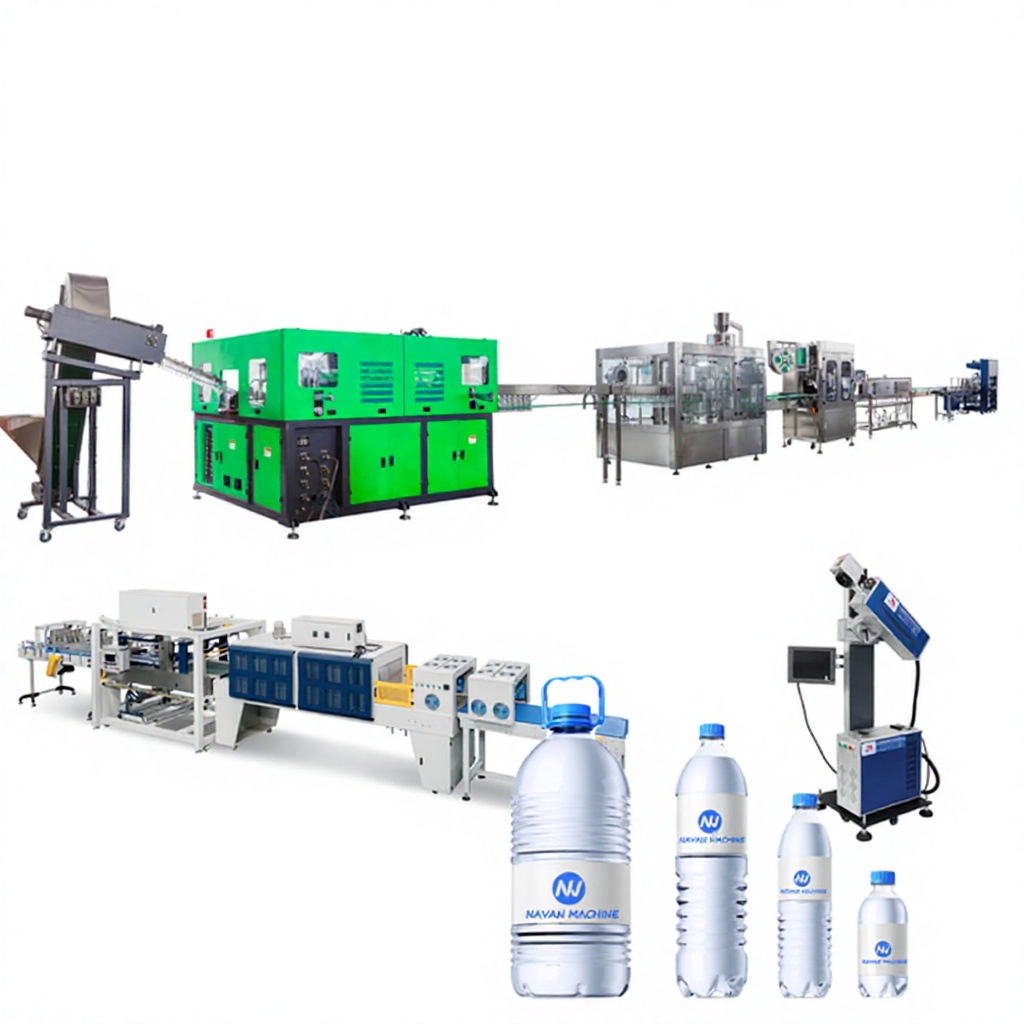
From water treatment units and PET blow molding to rinse-fill-cap monoblocks, labeling, shrink wrapping, and automated robotic palletizing — we engineer cohesive lines with a unified PLC control interface.
Custom Factory Layout Engineering
Submit your factory floor plan (AutoCAD or dimensional PDF), and our engineering layout team will design an optimized machine placement drawing detailing power drop, drainage, and conveyor pathways free of charge.
Rigorous Pre-Shipment FAT Testing
Every beer bottle filler undergoes a mandatory Factory Acceptance Test (FAT) with actual bottle samples and product fluids prior to dispatch. Remote video inspection runs are provided for global buyers.
Global Service & Operational Contacts
Email: info@osnibmachine.com
Request a Custom Beer Bottling Line Quotation
Consult directly with our bottling line engineering team. Share your container type, bottle volume, and target speed (BPH) to receive a tailored factory floor layout, technical datasheet, and competitive wholesale quote.
