Flagship Canning & Bottling Machinery Solutions
Engineered for high-yield carbonated, still, viscous, and alcoholic beverage production. Certified CE and TÜV Rheinland compliant.

Navan 200ml-2000ml Automatic PET Bottle Beer Bottling Unit
View Product Details
40 Heads Rotary PLC Liquid Filler 200ml-2000ml Juice Line
View Product Details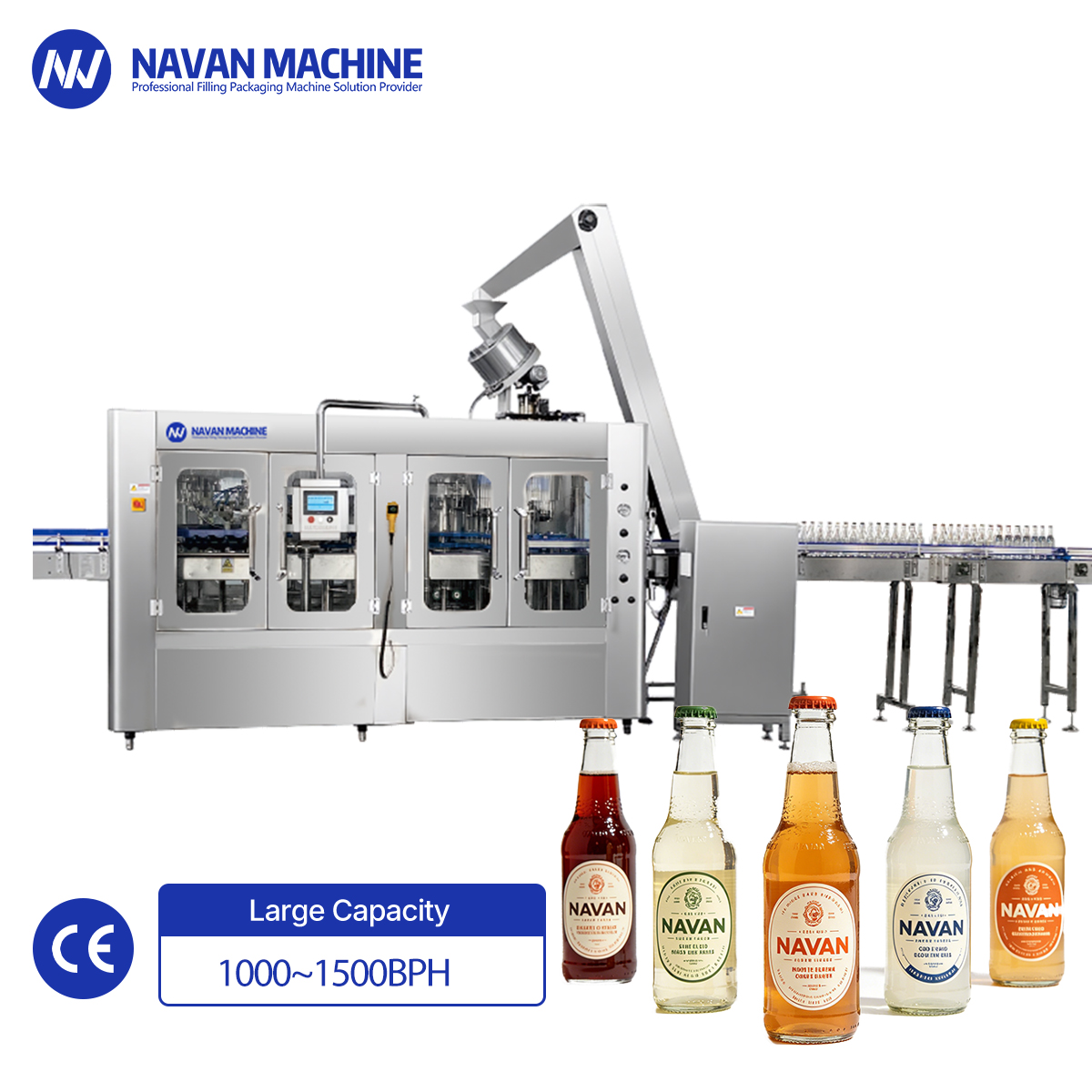
Full Automatic Glass Carbonated Beverage Bottling Line
View Product Details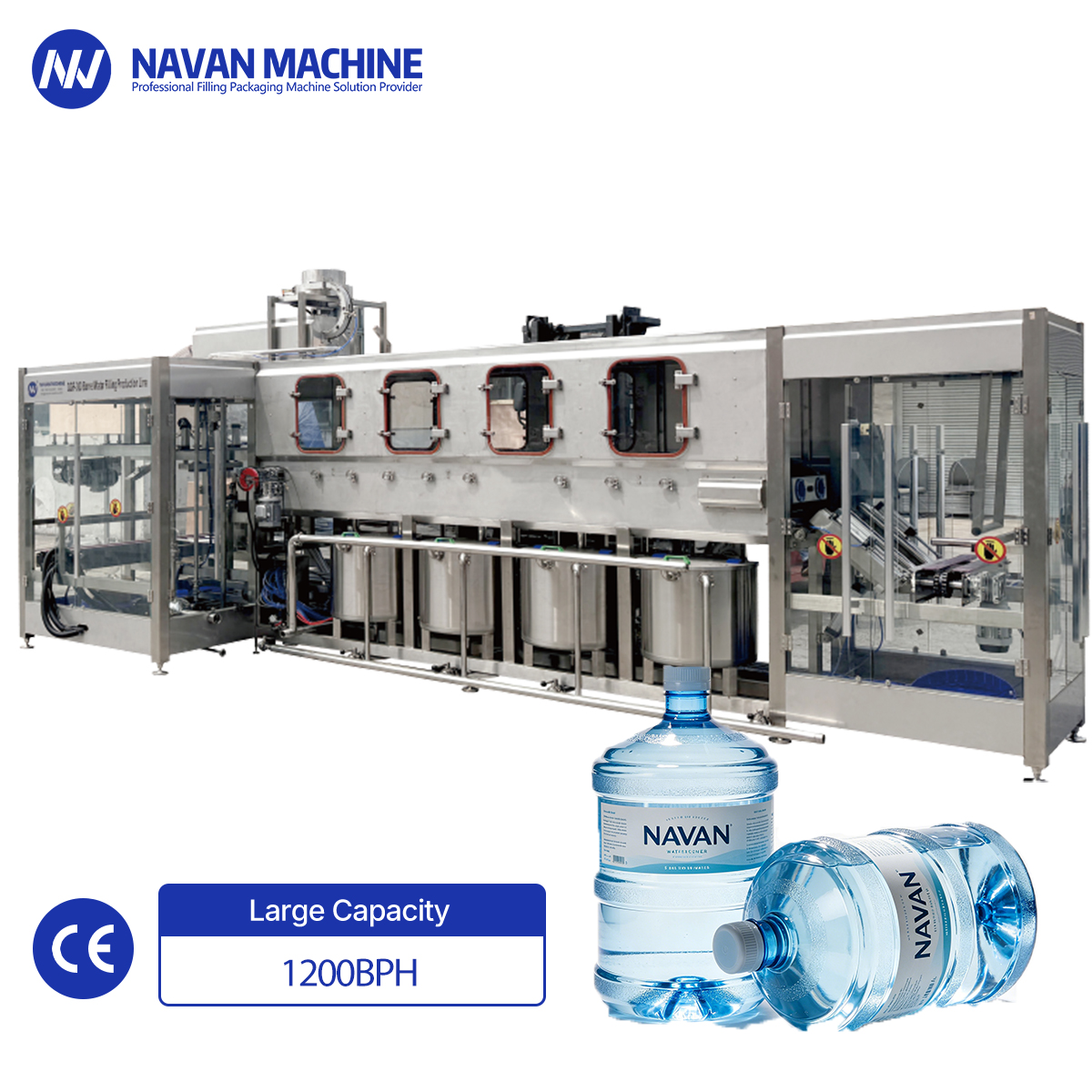
Industrial Automatic 18.9L PET Barrel Water Filling Plant
View Product Details
Navan XGF18-18-6 Automatic Mineral Water Bottling Machine
View Product Details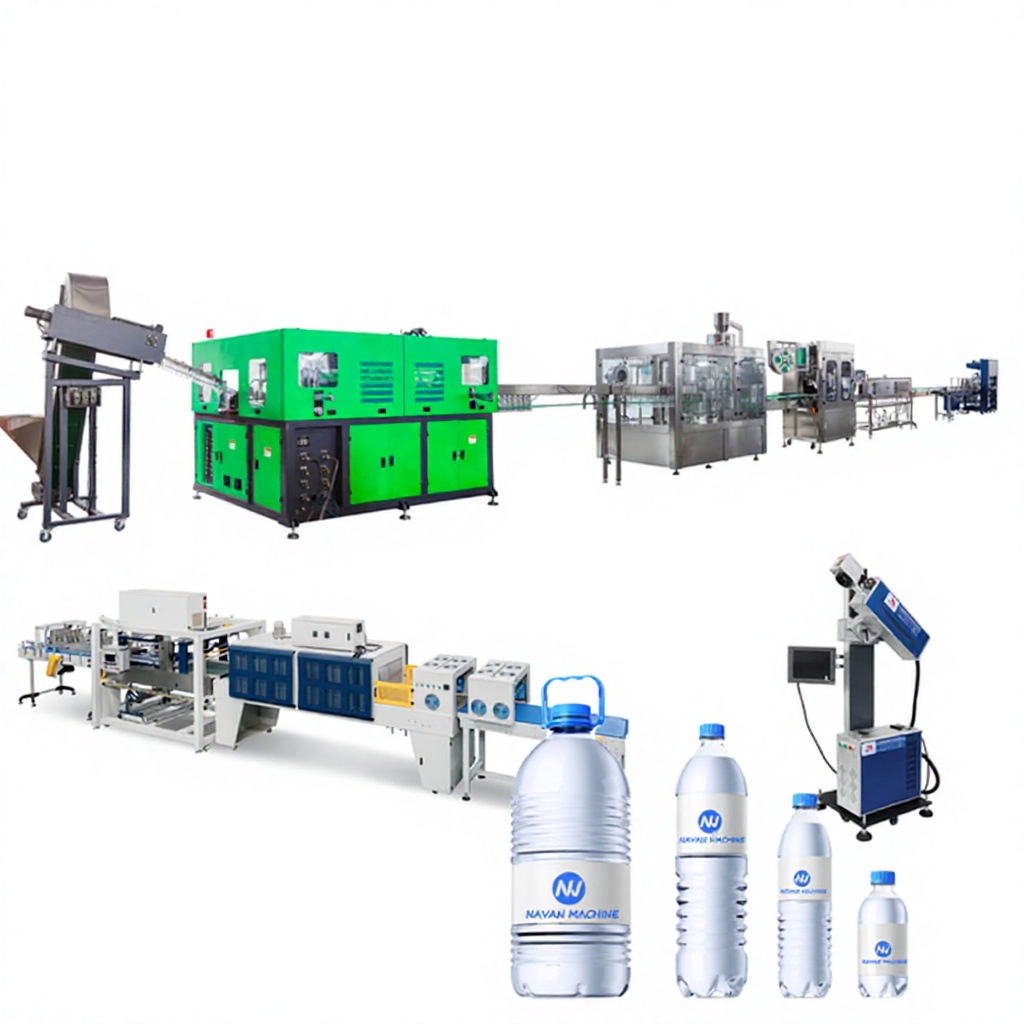
Automatic Bottled Water Production Line 1000-36000BPH
View Product Details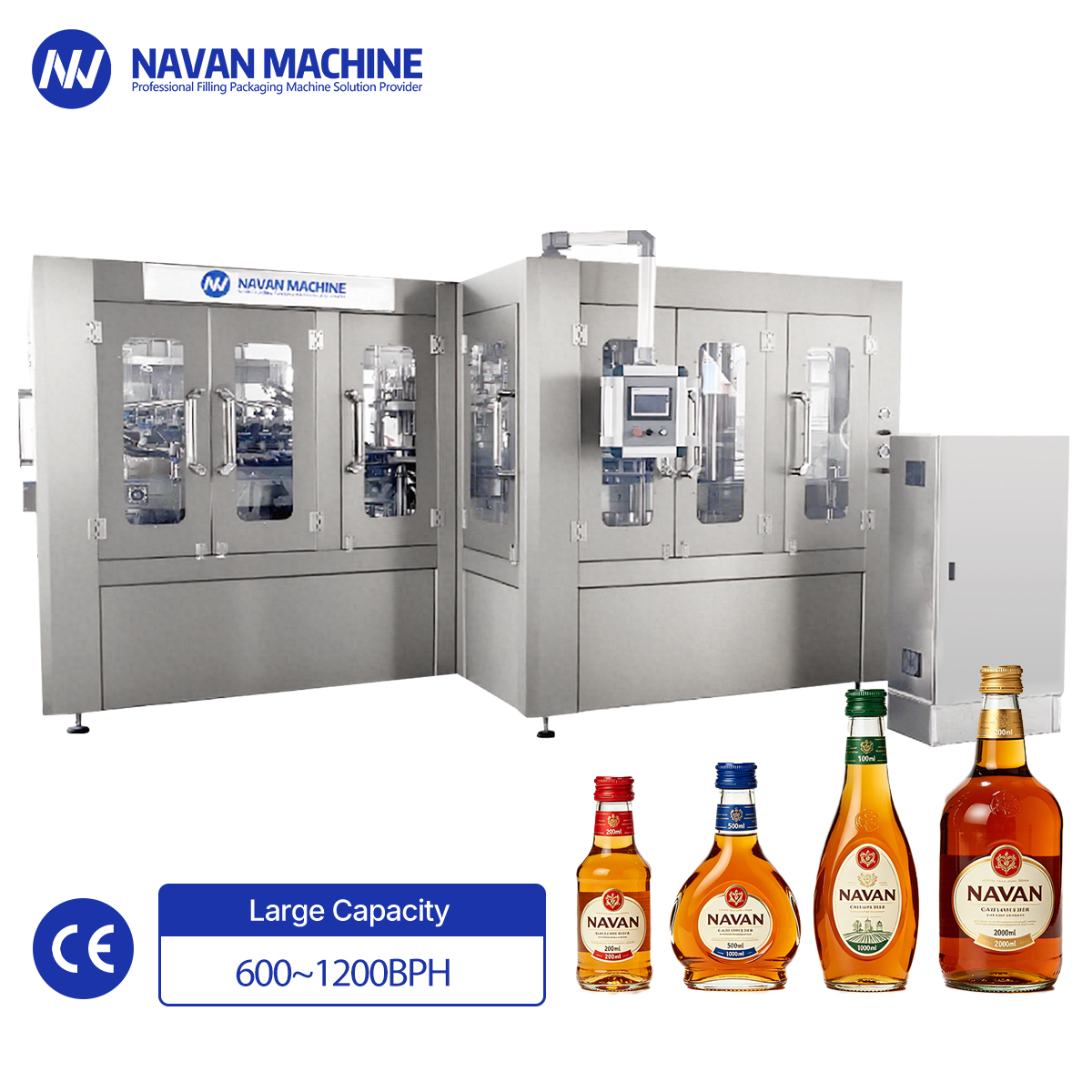
600-1200BPH Fully Automatic Glass Bottle Beer Processing Line
View Product Details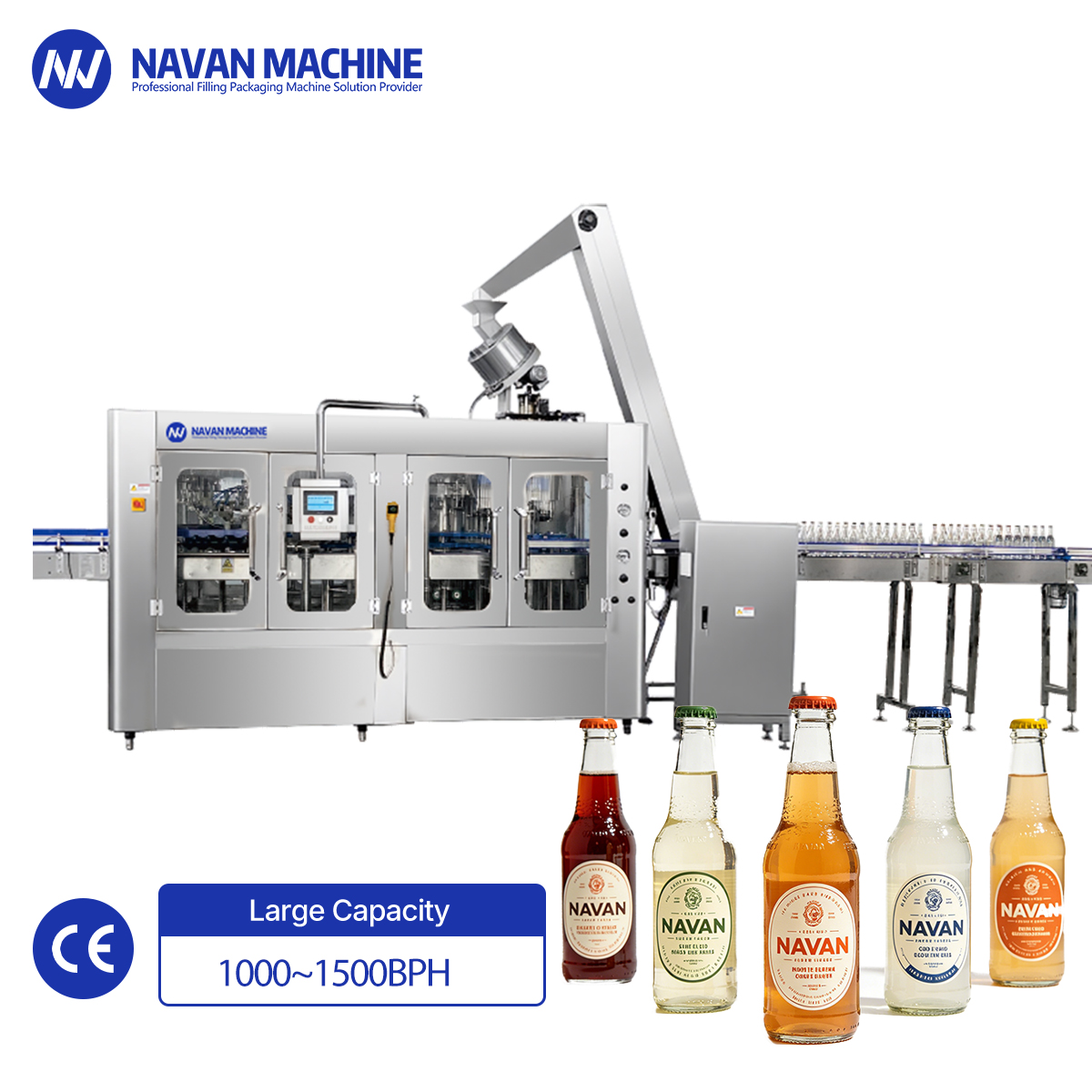
Full Automatic Glass Bottle Carbonated Beverage Filler 300-1500ml
View Product DetailsHigh-Speed Beverage Canning & Packaging Architecture
An authoritative technical deep-dive into mechanical synchronization, oxygen pickup reduction, double-seam integrity, and thermal processing dynamics.
Dissolved Oxygen (DO) Minimization
High dissolved oxygen levels drastically reduce beverage shelf-life, causing oxidative flavor degradation in craft beer, CSDs, and RTD teas. Modern packaging lines utilize multi-stage CO2 pre-evacuation or high-purity nitrogen flushing before liquid filling. By maintaining positive pressure environments, DO pickup is restricted to strictly under 30 ppb, guaranteeing original taste profile preservation over 12-to-24-month export cycles.
Precision Double-Seaming Mechanics
Structural seam integrity is paramount in two-piece aluminum canning lines. Utilizing heavy-duty titanized seaming rolls driven by absolute servo control, modern chucks achieve seam tightness ratings above 85% and body hook overlaps exceeding standard ISO packaging guidelines. Real-time pneumatic pin pressure prevents micro-fractures on lightweight, eco-friendly aluminum wall cans down to 0.09mm gauge thicknesses.
Isobaric Counter-Pressure Filling
For highly carbonated beverages (up to 4.5 vol CO2), mechanical isobaric valves establish an exact pressure equilibrium between the filler bowl and the container prior to liquid release. Electro-pneumatic filling heads monitor liquid levels with high-precision electromagnetic sensors, eliminating fobbing, structural liquid turbulences, and volumetric fill discrepancies at linear speeds reaching 36,000 cans per hour.
Technical Performance Matrix: Canning vs. Bottling Technologies
| Performance Parameters | Aluminum Canning Lines | PET Rotary Bottling Monoblocks | Glass Bottle Isobaric Lines |
|---|---|---|---|
| Max Operational Speed | 2,000 – 36,000 CPH | 3,000 – 48,000 BPH | 1,200 – 24,000 BPH |
| Dissolved Oxygen (DO) Pickup | < 25 – 35 ppb | < 40 – 60 ppb | < 15 – 25 ppb (Double Evacuation) |
| Container Size Range | 200ml – 500ml (Sleek/Standard) | 200ml – 2,000ml PET | 250ml – 1,500ml Glass |
| Seaming / Capping Accuracy | Seam Overlap > 1.1mm (Servo-Seamer) | Magnetic Torque 1.2-2.5 Nm | Crown / ROPP Aluminum Cap Seal |
| Sanitation & Hygiene Standard | Closed-Loop Automatic CIP | COP / Automated CIP Dummy Cups | Hot Water Sterilization & CIP |
Strategic Procurement Trends for Global Beverage Producers
Navigating macro-economic shifts, total cost of ownership (TCO) optimization, sustainability demands, and automation investments for 2025–2030.
1. Shift Toward High-Flexibility Hybrid Packaging Lines
Modern beverage brand owners are stepping away from single-format dedicated machinery. Future-proof capital equipment procurement heavily favors hybrid combi-lines capable of running multiple container styles—such as sleek aluminum cans, standard stubby cans, and lightweight PET bottles—on the same block with modular changeover tooling in under 45 minutes.
2. Energy Efficiency & Eco-Lightweighting Mandates
Rising energy prices have placed power and air consumption at the top of procurement evaluation matrices. Next-generation PET blowing-filling blocks feature air recovery systems that recycle up to 35% of high-pressure blowing air back into low-pressure pneumatic control systems, drastically lowering overall factory Kw/h consumption per thousand units filled.
3. Digitalization, Remote Diagnostics & IoT Predictive Maintenance
Industrial IoT integration is no longer optional for international importers. Procurement directors prioritize machinery equipped with industrial Ethernet, remote PLC gateway access, and predictive vibration sensors on rotary filling carousels. This allows original equipment manufacturers (OEMs) to resolve code faults remotely within minutes via encrypted cloud channels.
4. Automated Secondary & Tertiary Packaging Integration
End-of-line procurement focuses heavily on seamless integration between primary packaging and logistics-ready palletizing. High-speed PE film shrink wrappers, carton packers, and automated robotic layer palletizers are now specified in single turnkey contracts to prevent line bottlenecking at higher operating speeds.
Emerging Technology & Engineering Innovations
How advanced robotics, vision inspection systems, and smart fluid control redefine beverage packaging efficiency.
Inline AI Vision Inspection
Replacing manual visual control, high-resolution CMOS camera systems inspect 100% of finished containers at full speed. AI algorithms instantly detect liquid fill height deviations, tilted caps, missing safety bands, and defective seam profiles, auto-rejecting non-conforming units via high-speed pneumatic pusher arms without interrupting main conveyor flow.
Flowmeter & Servo Valve Control
Legacy mechanical contact valves are rapidly giving way to contactless magnetic-inductive (MIS) or mass flowmeters (Coriolis). Combined with individual servo drives on each filling head, liquid flow is metered electronically with micro-second responsiveness, reducing fill volume variation down to an astonishing ±0.5ml tolerance.
Sterile CIP / SIP Automation
To eliminate cross-contamination during product recipe switches, complete lines incorporate automated Clean-In-Place (CIP) and Sterilize-In-Place (SIP) systems. Stainless steel 316L dummy cups automatically engage filling nozzles, executing chemical wash, hot water rinse, and steam sterilization cycles fully controlled via main touchscreen interface.
Enterprise Strength & Global E-E-A-T Verification
Why international buyers rely on Zhangjiagang Osnib Machine Co., Ltd. for mission-critical liquid packaging infrastructure.
Direct Engineering Manufacturer with Global Footprint
Located in the machinery hub of Zhangjiagang, Jiangsu, China, Zhangjiagang Osnib Machine Co., Ltd. (Navan Brand) operates an advanced manufacturing plant spanning thousands of square meters. Combining rigorous in-house mechanical R&D with specialized direct-export trading operations, we ensure technical specifications are never lost between sales agents and workshop floor engineers.
- Third-Party Verified: Onsite supplier assessment audited and certified by TÜV Rheinland.
- CE Certification: Full compliance across filling, blow molding, labeling, and palletizing machine models.
- International Field Support: Dedicated overseas branches in Kigali, Rwanda (Africa Office) and Goryachy Klyuch, Krasnodar Krai (Russia Office) for rapid regional service delivery.
- Turnkey Execution: From raw water analysis and custom preform/bottle mold design to line layout drawings and commissioning.
Global Service & Export Compliance
Our equipment operates reliably across 40+ countries spanning North America, South America, the Middle East, Southeast Asia, and Africa. We accommodate custom power voltages, regional sanitary codes, and flexible commercial trade terms including FOB, CFR, CIF, EXW, CIP, FCA, DDP, and DDU.
Support Hotline: 24/7 Remote PLC Diagnostic & Onsite Engineer Dispatch Available.
Frequently Asked Procurement & Engineering Questions
Detailed answers to critical technical, commercial, and operational queries from global machinery buyers.
Q: What is the Minimum Order Quantity (MOQ) and lead time for custom lines?
The MOQ is strictly 1 set. Whether you require a single standalone machine (such as an OPP hot-melt labeler or PET blow molder) or a complete multi-station turnkey canning/bottling production line, we accommodate custom orders. Standard lead times range from 30 to 60 business days depending on customized mold designs and voltage configurations.
Q: How do you control Dissolved Oxygen (DO) pickup in canning lines?
Our beverage canning systems incorporate dual-stage purging technology. Prior to filling, the can undergoes high-purity CO2 flushing to evacuate atmospheric air. Immediately after filling and prior to lid placement, a under-cover gassing (UCG) unit injects a precise layer of gaseous CO2 or liquid nitrogen, driving ambient oxygen levels down below 30 ppb.
Q: What international safety and quality certifications do Osnib machines carry?
Our main machinery categories—including liquid fillers, blow molders, sleeve labelers, and palletizers—are fully CE certified in accordance with European Union machinery directives. Furthermore, our manufacturing facility and corporate legal standing have completed an extensive onsite audit by TÜV Rheinland.
Q: How is after-sales installation and operator training handled overseas?
We provide comprehensive after-sales coverage. For technical installation, we dispatch experienced field engineers to your factory site to conduct electrical wiring, line setup, testing, and staff training. For clients in Russian-speaking regions or Africa, our local branch offices in Russia and Kigali, Rwanda provide direct regional technician support backed by 24/7 online PLC remote assistance.
Q: Can your machines handle multiple bottle shapes and sizes on one line?
Yes. Our bottling and canning machinery is designed with modular quick-change changeover parts (starwheels, guide plates, and filling height screws). A single monoblock line can run container volumes from 200ml up to 2000ml with simple tool-less adjustments requiring less than 45 minutes of total downtime.
Q: What payment terms and currencies do you support for international shipments?
We support multiple trade terms including FOB, CFR, CIF, EXW, CIP, FCA, DDP, and DDU. Accepted payment methods include T/T (Telegraphic Transfer), L/C (Letter of Credit at sight), Credit Card, Western Union, and MoneyGram in major global currencies such as USD, EUR, GBP, CAD, AUD, and CNY.
Ready to Optimize Your Beverage Line Efficiency?
Consult with our senior machinery engineers today. Receive custom factory layout drawings, volumetric fill calculations, and a comprehensive commercial quote tailored to your exact production targets.
