CSD Isobaric

Verified commercial equipment for carbonated soft drinks (CSD), sparkling water, beer, wine, and mineral water packaging operations.
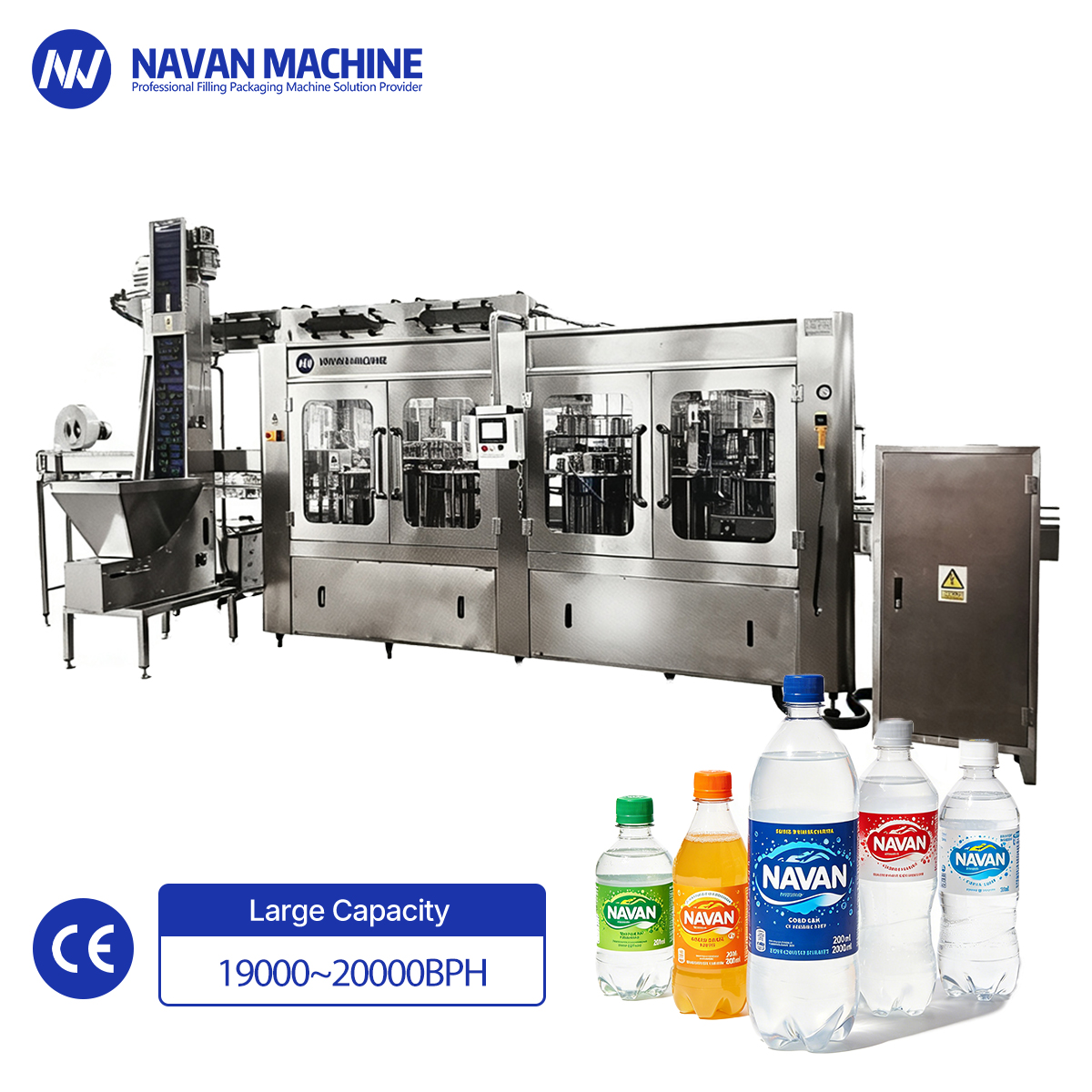
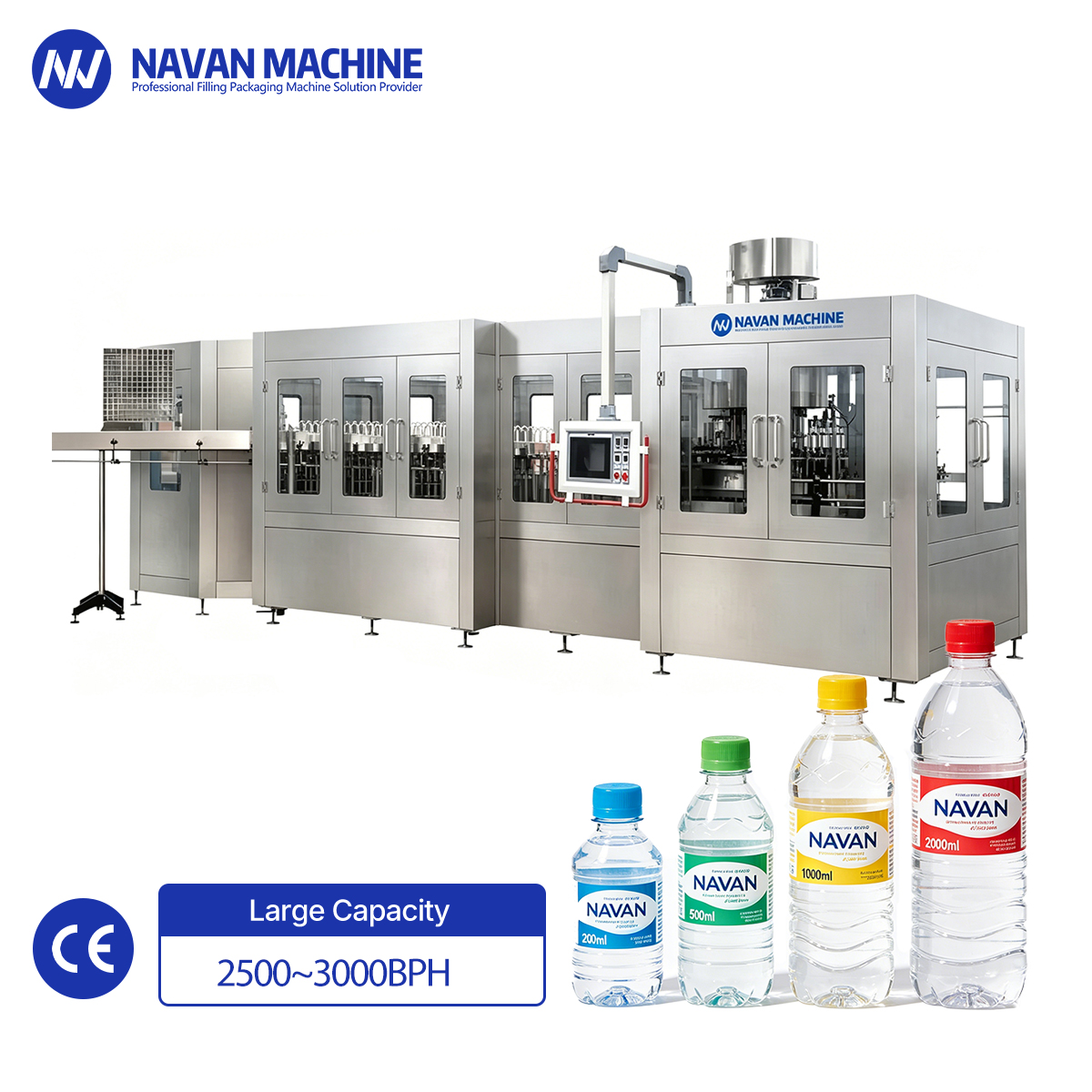

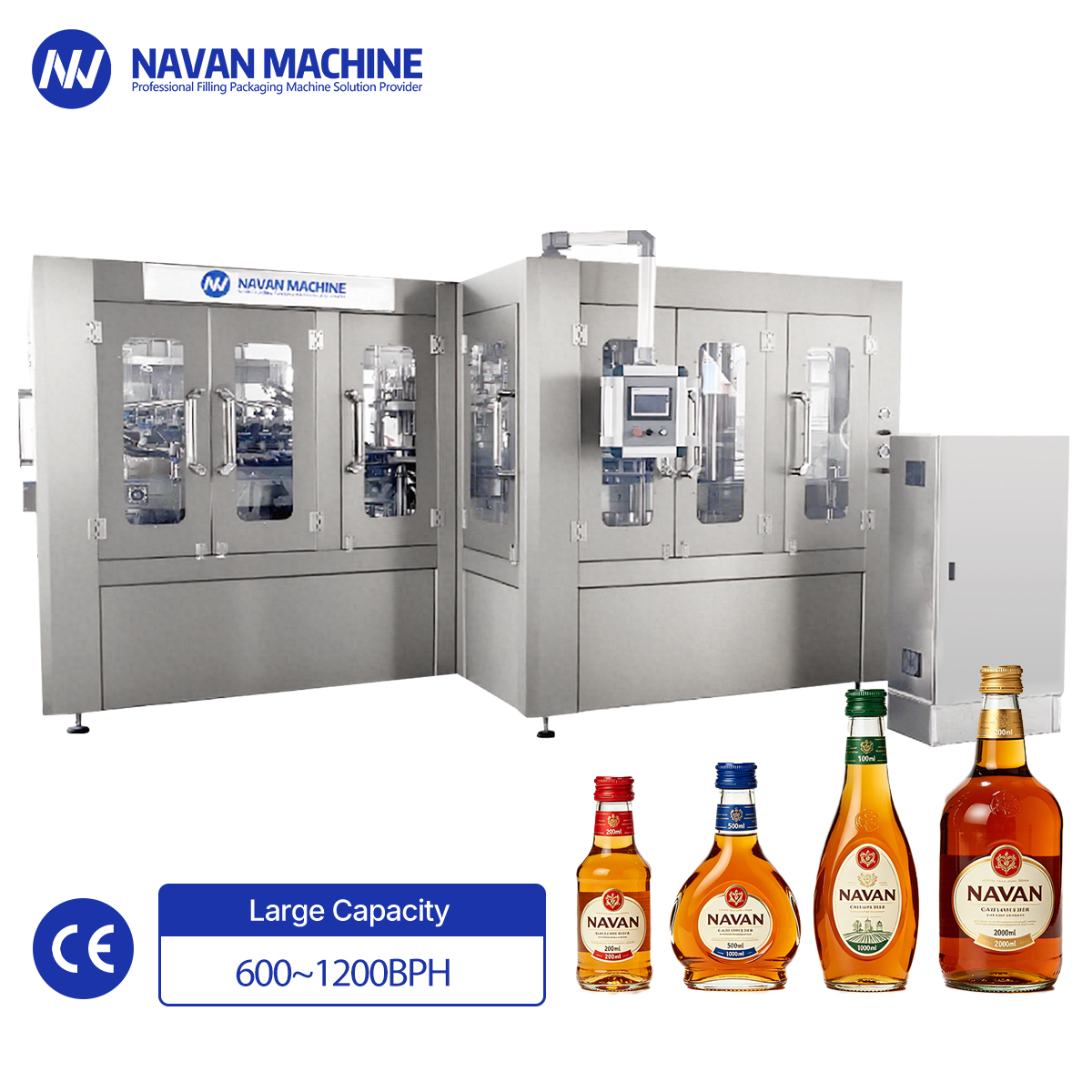


In high-speed liquid packaging—specifically for carbonated soft drinks (CSD), sparkling wines, kombucha, and lager beers—maintaining dissolved carbon dioxide (CO₂) equilibrium is paramount. Atmospheric filling mechanisms fail in these applications because exposure to ambient pressure triggers rapid gas phase separation, resulting in severe liquid foaming, volume inconsistencies, and excessive Dissolved Oxygen (DO) pick-up. Top trusted counter pressure filler factories engineer isobaric (counter pressure) filling systems to systematically eliminate these thermodynamic and fluid-dynamic bottlenecks.
The core fluid mechanical principle of a counter pressure filling system hinges on pressure equalization prior to liquid displacement. The operational sequence follows a strict electro-pneumatic protocol:
Procuring liquid packaging lines requires aligning product physics, container integrity, and volumetric throughput with the correct valve engineering. The matrix below provides an operational guide for factory plant managers and procurement directors assessing counter pressure packaging investments.
| Packaging Metric | Mechanical Isobaric Valve Line | Electro-Pneumatic Isobaric Valve Line | Mass Flow Meter Isobaric Line |
|---|---|---|---|
| Primary Target Applications | Standard CSD, Mineral Water, Soft Drinks | Craft Beer, Premium CSD, Cider, Sparkling Wine | High-Value Spirits, Carbonated Dairy, Pulp Juices |
| TPO (Total Package Oxygen) | 50 – 80 ppb | < 30 ppb (Double Vacuum System) | < 15 ppb (Ultra-Sterile Nitrogen Purge) |
| Fill Level Precision | ± 2.0 mm (Vent Tube Leveling) | ± 1.0 mm (Electronic Vent Sensing) | ± 0.25% by Volume (Corilois Flow Meter) |
| CO₂ Dissolved Range | Up to 7.0 g/L (3.5 Vol) | Up to 10.0 g/L (5.0 Vol) | Up to 12.0 g/L (6.0 Vol Ultra-Carbonated) |
| Changeover Flexibility | Manual Vent Tube Exchange (30-45 mins) | PLC Recipe Selection (< 10 mins) | Fully Automated Digital Changeover (< 2 mins) |
| CIP Cleanability | Manual Dummy Bottle Attachment | Automatic Pneumatic Dummy Bottle Loop | Aseptic Closed-Loop SIP/CIP Sterilization |
As global beverage consumption shifts toward healthier sparkling RTD beverages, low-sugar carbonated waters, and premium craft beers, factory managers must align equipment acquisition with next-generation manufacturing technology. Leading OEM exporters such as Zhangjiagang Osnib Machine Co., Ltd. (Navan Machine Series) are pioneering major developments across the isobaric bottling sector:
Legacy mechanical counter pressure machines rely heavily on fixed cams, mechanical springs, and physical vent tubes. While reliable for monolithic production runs, they impose significant downtime during bottle diameter or fill height transitions. Modern exporters are transitioning production lines to electro-pneumatic valves governed by central Siemens or Mitsubishi PLCs. Electro-pneumatic control allows plant engineers to adjust pre-evacuation duration, pressurization limits, and multi-stage degassing curves directly via interactive HMIs, optimizing line efficiency across multiple container formats.
With industrial gas costs volatility rising globally, gas conservation has evolved into a critical competitive metric. Advanced counter pressure fillers now incorporate secondary gas balance channels. Exhaust gas vented during the pre-evacuation pressurization phase is captured and routed to secondary utility reservoirs for reuse in container pre-flushing, reducing plant-wide CO₂ consumption by 25% to 38%.
Biocontamination risks—such as wild yeast or lactic acid bacteria spoilage in unpasteurized beers—demand stringent hygiene protocols. Leading ISO and CE-certified factories engineer filling bowls from solid-forged AISI 316L stainless steel with mirror-polished internal surface roughness (Ra ≤ 0.4 μm). Integrated Clean-In-Place (CIP) systems feature automated pneumatic dummy bottles that clamp over filling nozzles, enabling high-flow reverse cleaning and chemical sterilization cycles without manual operator intervention.
Direct factory engineering, TÜV Rheinland verified manufacturing standards, and localized global service network.
Operated directly by Zhangjiagang Osnib Machine Co., Ltd., bridging R&D engineering, custom machining workshops, and export management under one roof to avoid trader markup and communication loss.
Our complete machinery portfolio—including PET blow molding, isobaric monoblock fillers, labeling units, and palletizers—passes rigorous TÜV Rheinland onsite assessments and holds official CE mark compliance.
With direct regional engineering hubs in Goryachy Klyuch, Russia (serving Russian-speaking markets) and Kigali, Rwanda (serving the African continent), we provide on-site commissioning, installation, and spare parts delivery.
We build complete turnkey lines customized for specific line outputs (600 to 22,000 BPH), custom bottle mold profiles, electrical voltages (220V–480V 3-Phase), and specialized liquid viscosities.
From RO industrial water treatment systems and PET bottle stretch blow molders to OPP hot-melt/shrink sleeve labelers, film wrappers, and automatic palletizers, we deliver seamless single-source automation.
Our multidisciplinary engineering consultants provide around-the-clock PLC remote diagnostics, online operator guidance, custom workshop layout CAD drawings, and immediate spare parts dispatch.
Technical answers to essential questions asked by beverage factory owners, plant engineers, and machinery importers.
Gravity filling relies on normal atmospheric pressure to transfer still liquids (like purified water, spirits, or edible oils) into containers. Isobaric (counter pressure) filling pressurizes the container with inert gas (typically CO₂) prior to liquid inlet until internal bottle pressure matches tank reservoir pressure. This prevents carbonated liquids (CSD, beer, sparkling beverages) from violently flashing off dissolved CO₂, controlling foam generation and preserving exact carbonation levels.
Oxygen ingress leads to rapid staling, flavor degradation, and diminished beer shelf-life. Premium counter pressure fillers utilize single or double vacuum pre-evacuation systems. Before filling, a vacuum pump evacuates atmospheric air out of the glass or PET bottle. High-purity CO₂ gas is injected to flush the container, followed by a second vacuum stroke. This reduces atmospheric oxygen content inside the container to less than 1%, ensuring Total Package Oxygen (TPO) pickup remains extremely low (< 30 ppb).
Yes, provided the filling monoblock is specified with dual neck-handling and bottom-supporting mechanisms. PET bottles require neck-hanging grippers to prevent container distortion under 0.3-0.4 MPa counter-pressurization, while glass bottles utilize heavy-duty pneumatic bottom pedestals to lift bottles into position against the filling valve seals. Quick-changeover starwheels and height-adjustable carousel lifters enable seamless container transitions on modern lines.
The Minimum Order Quantity (MOQ) across all machinery lines is 1 set. We support full OEM and ODM engineering customization—including customized electrical specs (e.g. 380V 50Hz, 440V 60Hz, 220V 3-Phase), customized bottle neck dimensions (28mm PCO, 38mm, crown cap, ROPP aluminum caps), and custom factory floor layout design drawings.
We offer flexible commercial shipping terms including FOB, CFR, CIF, EXW, CIP, FCA, and DDP/DDU. Payment options include T/T, L/C at sight, Western Union, Credit Card, and Cash in major currencies (USD, EUR, GBP, CNY). All equipment includes a standard 12-to-24-month warranty covering core mechanical and pneumatic components, supported by local engineer dispatch via our Russian and African overseas branches.
Every turnkey project undergoes a complete pre-shipment dry run and video acceptance inspection in our Zhangjiagang manufacturing facility. Upon delivery, our field engineers travel directly to your facility to manage physical positioning, electrical connections, utility integration, system commissioning, and staff operational training. Remote PLC diagnostic modules also enable real-time technical troubleshooting 24 hours a day.
Consult with senior engineering directors at Zhangjiagang Osnib Machine Co., Ltd. Send us your bottle dimensions, liquid specs, and target speed for a customized turnkey isobaric bottling line proposal.
