Featured Soft Drink & Beverage Bottling Machinery Showcase
Explore our TÜV Rheinland-verified and CE-certified liquid packaging equipment engineered for high throughput, minimal dissolved oxygen pickup, and precise filling accuracy.
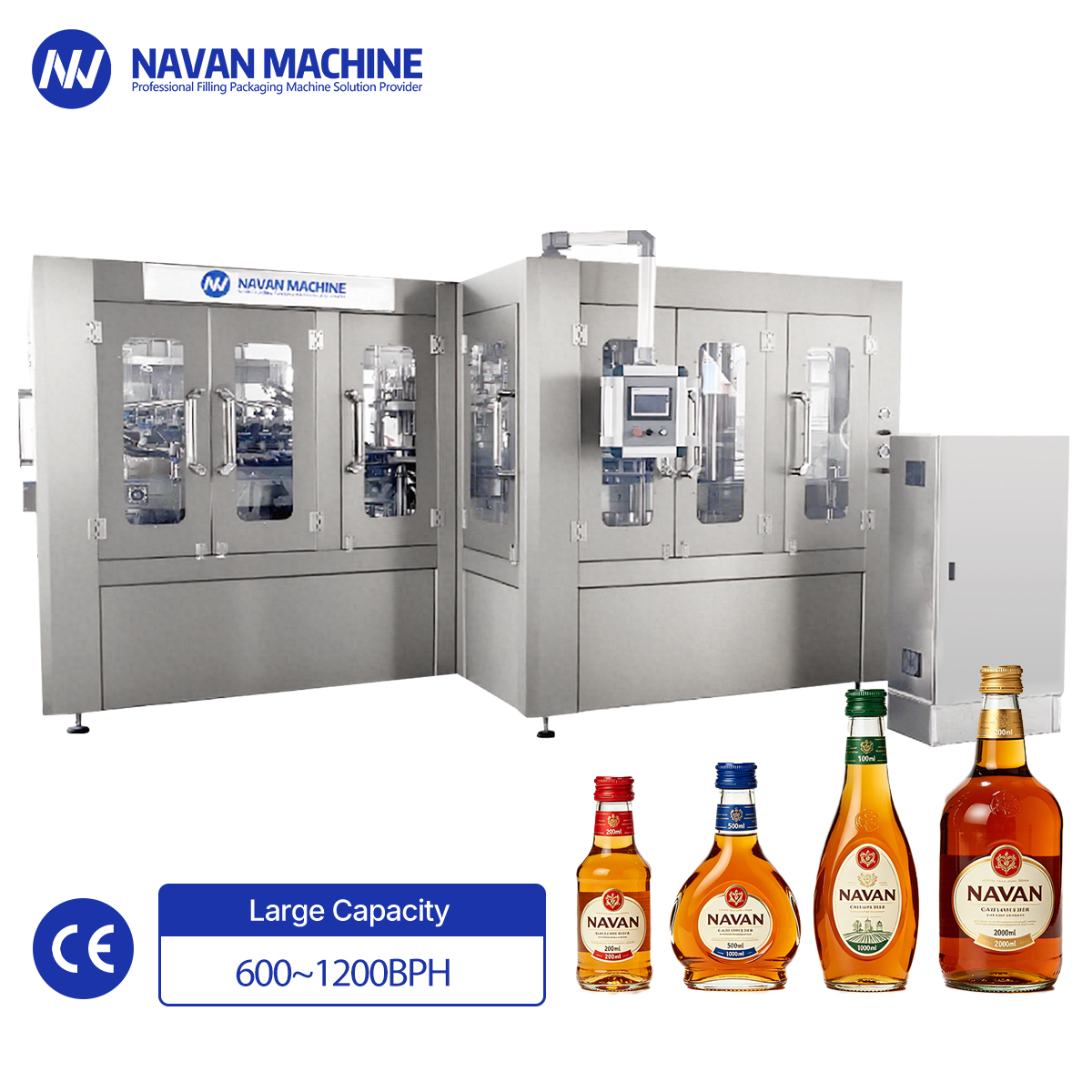
600-1200BPH Fully Automatic Glass Bottle Production Line CE Certified Mechanical PLC Controlled Beer Bottling Filling Processing
View Line Specifications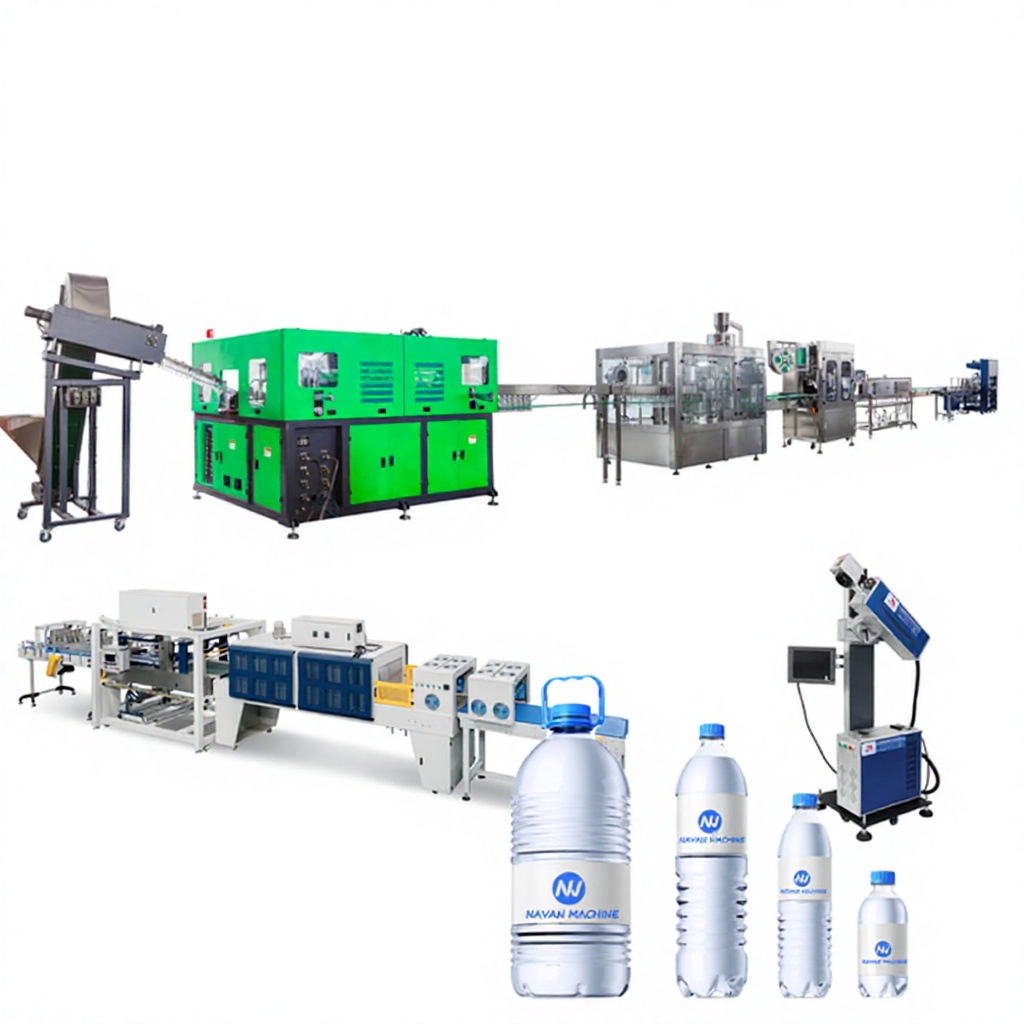
Automatic Bottled Water Production Line Blowing Rinsing Filling Capping Labeling Packaging 200-2000ml 1000-36000BPH
View Line Specifications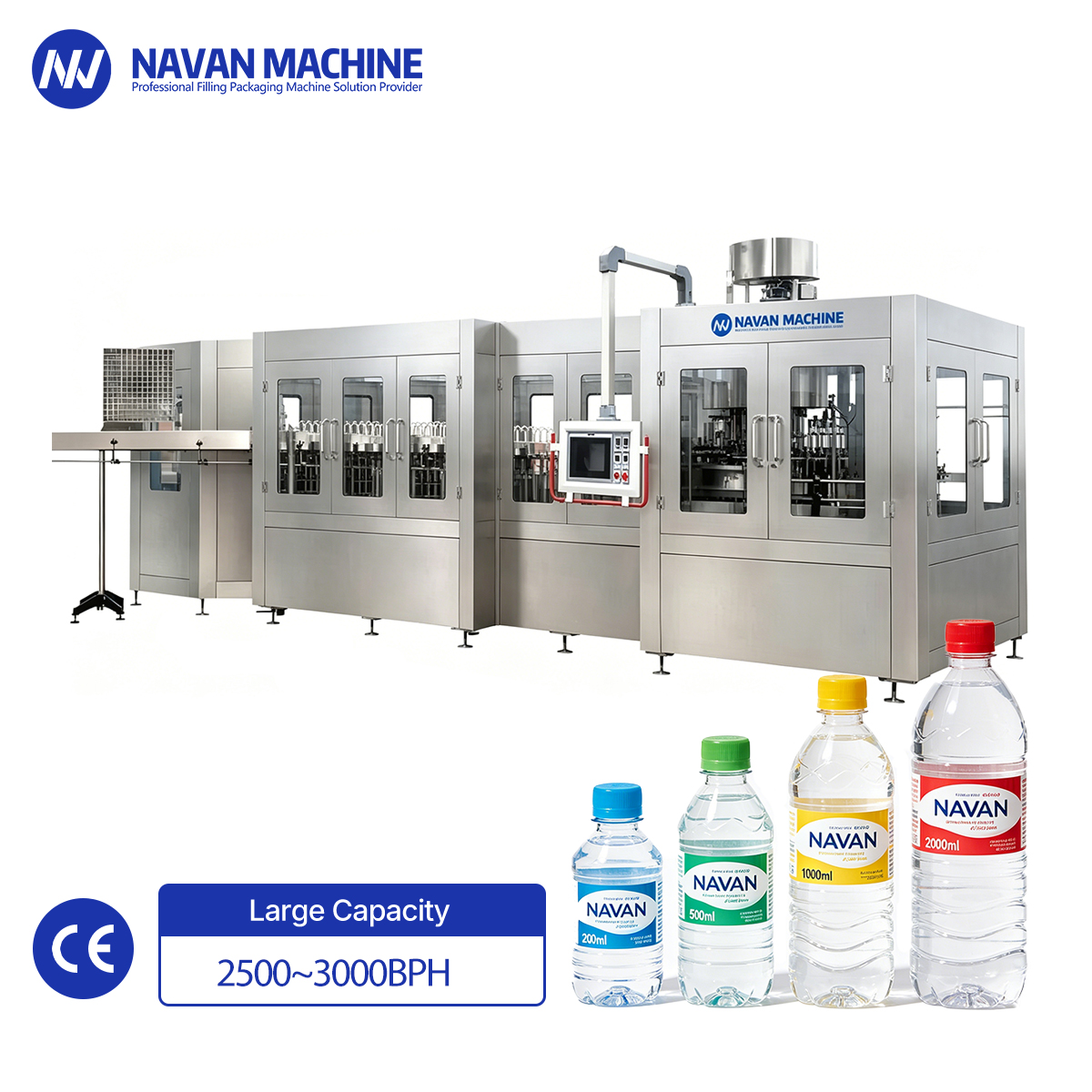
XGF8-8-4 Full Automatic Mechanical Water Filling Machine 2500-3000BPH PLC Controlled PET Bottle Bottling Turnkey Line
View Line Specifications
34000~36000BPH Pure Water Bottling Plant XGF60-60-15 Fully Automatic PLC Controlled PET Bottle Filling Machine Food Grade
View Line Specifications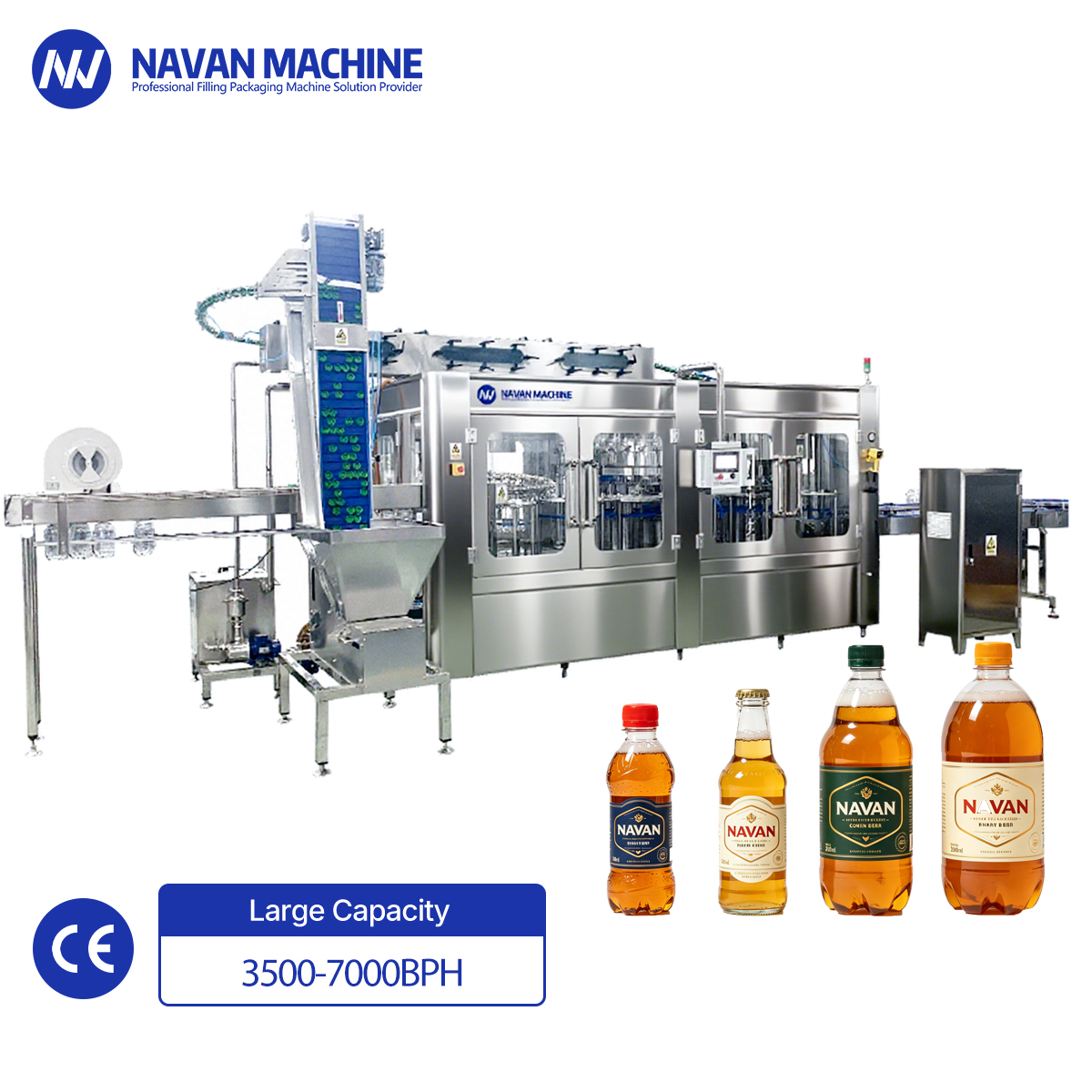
NPXZGF24-18-24-6PRO 200ml-2000ml High Productivity Automatic Mechanical PLC-controlled Plastic Beer Bottling Line 1 Year
View Line Specifications
Automatic PET Bottle Beer Filling Machine PLC Touch Screen Rinsing Filling Capping 1500-22000BPH Beverage Line
View Line Specifications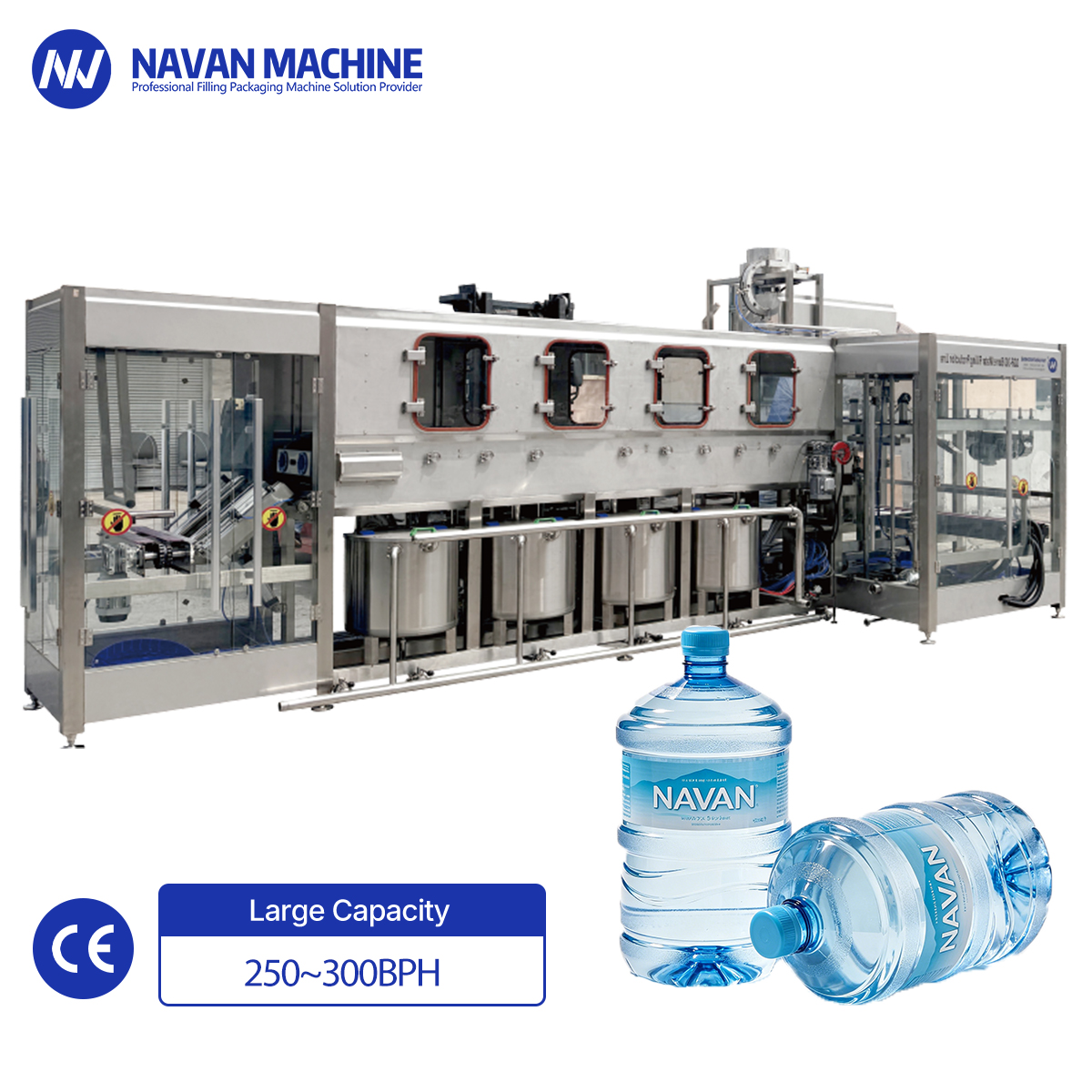
Automatic 5 Gallon Water Filling and Capping Machine QGF-300 250-300BPH 10L-20L Barrel Bottling Line With Conveyor
View Line Specifications
Automatic Juice PET Bottle Filling Machine 32 Nozzle 200-2000mL 16000-17000BPH Bottling Equipment
View Line SpecificationsExecutive Summary: Engineering Integrity in Soft Drink Bottling Operations
In the rapidly evolving global market for Carbonated Soft Drinks (CSD), still juices, premium mineral water, and craft beverages, selecting a Top Trusted Soft Drink Bottling Line Supplier & Exporter represents one of the most critical capital expenditure decisions for plant managers and enterprise investors. The operational efficiency, volumetric accuracy, and mechanical reliability of a packaging line directly dictate overall equipment effectiveness (OEE), unit production costs, and overall brand integrity.
Zhangjiagang Osnib Machine Co., Ltd. stands at the forefront of beverage engineering innovation. Operating from a TÜV Rheinland-verified manufacturing facility located in Zhangjiagang City, Jiangsu Province, China, Osnib Machine delivers fully integrated, turn-key liquid packaging lines tailored to diverse product viscosities, bottle geometries (PET, Glass, Aluminum Cans, 5-Gallon Barrels), and speed profiles ranging from 1,000 to 36,000 bottles per hour (BPH).
With dedicated regional service hubs established in Goryachy Klyuch, Russia and Kigali, Rwanda, Osnib Machine bridges the gap between high-precision Chinese engineering and localized on-site technical support across North America, South America, Africa, the Middle East, Russia, and Southeast Asia.
Engineering Architecture of Modern Soft Drink Bottling Machinery
Carbonated soft drink bottling demands specialized fluid dynamics compared to ambient non-carbonated filling. Soft drink processing requires maintaining dissolved carbon dioxide ($CO_2$) gas in solution under elevated pressures while simultaneously preventing excessive foaming, product oxidation, and container deformation.
1. High-Precision Water Treatment & Gas Mixers
The base of any superior carbonated soft drink is purified water with minimal total dissolved solids (TDS) and controlled mineral balance. Osnib Machine's complete turnkey lines integrate multi-stage reverse osmosis (RO) filtration, degasification columns, and automated $CO_2$ proportioning systems (Carbo-Mixers). By precise control of beverage temperature (typically cooled to $4^\circ C - 8^\circ C$) and system pressure, our dosing technology ensures consistent carbonation volumes ranging from 2.5 to 4.5 vol% $CO_2$.
2. Isobaric (Counter-Pressure) 3-in-1 Monoblock Filling Valves
Our core filling technology utilizes mechanical and electro-pneumatic mechanical isobaric filling valves. The monoblock design combines rinsing, filling, and capping into a unified structural chassis to eliminate contamination hazards and minimize transport distances between process steps.
- Pre-Evacuation & Equalization: Before product release, the container is flushed and pressurized with inert gas or $CO_2$ until internal bottle pressure matches tank pressure, protecting oxygen-sensitive soft drinks from oxidation.
- Smooth Venting & Return Gas Flow: Optimized vent tube geometry ensures laminar product flow along the inner walls of PET or glass bottles, drastically reducing turbulence and foam buildup.
- Snifting (Pressure Relief): Controlled multi-stage pressure release prevents violent boiling or product splash-out upon neck tube detachment.
3. Multi-Format Capping & Sealing Mechanisms
Whether processing plastic screw caps, aluminum ROPP caps, or traditional steel crown corks, Osnib machinery incorporates magnetic-torque capping heads. This prevents thread stripping, guarantees airtight hermetic seals, and preserves internal carbonation throughout product shelf-life.
Enterprise Advantages: Why Global Bottlers Trust Zhangjiagang Osnib Machine Co., Ltd.
Procuring industrial packaging machinery from an overseas OEM/ODM manufacturer requires rigorous risk mitigation. Osnib Machine has built an export infrastructure focused on verifiable quality control, technical transparency, and end-to-end lifecycle support.
TÜV Rheinland Audited Facility
Our Zhangjiagang plant undergoes rigorous on-site physical auditing by TÜV Rheinland, validating production capacity, legal compliance, and quality control systems.
CE Certified Compliance
All core bottling, blow molding, OPP/Sleeve labeling, and palletizing equipment carry European CE safety certifications, built with food-grade SS304/SS316 components.
Integrated Factory & Trade Support
Direct communication between plant layout engineers and international buyers eliminates intermediary errors. Custom voltage, frequency, and PLC setups are standard.
Localized Technical Hubs
With direct branch offices in Kigali (Rwanda) and Goryachy Klyuch (Russia), we dispatch field service technicians quickly for installation, calibration, and training.
Complete CAD & 3D Plant Layouts
We convert customer factory floor dimensions into fully optimized 3D layout drawings, defining utility hookups, conveyor runs, and ergonomic operator zones.
Flexible Global Trade Terms
Supporting FOB, CFR, CIF, EXW, CIP, FCA, DDP, and DDU with secure payment options including T/T, L/C, Western Union, and multiple global currency handles.
Industry Development Trends: The Evolution of Beverage Packaging
As global environmental regulations tighten and consumer preferences shift toward sustainable packaging formats, soft drink bottlers must adapt to technological advancements in machinery design. Key industry vectors shaping the next decade include:
1. Preform Lightweighting & rPET Integration
Modern rotary PET blow molding machines are designed to process ultra-lightweight preforms without compromising bottle structural integrity or top-load strength. Furthermore, filling valves must accommodate 100% recycled PET (rPET) containers, which often exhibit subtle variations in thermal expansion and neck finish dimensions during blowing.
2. Energy Recovery in Blow Molding & Line Automation
Compressed air consumption represents up to 40% of electricity costs in PET bottling plants. Advanced blow molders now feature dual-stage air recycling systems that recover high-pressure air (30-35 bar) from blowing steps to supply low-pressure pneumatic actuators (7-10 bar) elsewhere on the packaging line, cutting power overhead by up to 25%.
3. Hygienic Ultra-Clean & CIP/SIP Automation
Cross-contamination between high-sugar sodas and low-calorie flavored waters is a major operational challenge. Automated Clean-In-Place (CIP) and Sterilization-In-Place (SIP) circuits feature motorized dummy bottles that automatically seal valve nozzles during cleaning cycles, enforcing chemical temperature, flow velocity, and contact time parameters.
Strategic Future Procurement Trends for Beverage Enterprises (2025-2030)
Forward-thinking beverage directors are moving away from piecemeal equipment sourcing in favor of holistic single-source line responsibility. Key strategic procurement criteria include:
Modular Line Flexibility
Procuring lines capable of handling multiple container formats (e.g., quick-change tooling for switching between 250ml slim PET bottles and 2.0L family sizes in under 45 minutes).
Total Cost of Ownership (TCO)
Evaluating machinery not merely on upfront capital cost, but on spare-part availability, energy consumption metrics, lubricant-free conveyor chains, and wear-part longevity.
IoT & Remote Telemetry
Integrating Siemens or Mitsubishi PLC setups featuring industrial Ethernet capabilities, allowing Osnib engineers to remotely diagnose sensor faults or update control software worldwide.
Frequently Asked Questions (FAQ) for Bottling Machinery Procurement
The MOQ is 1 set. We accommodate clients ordering individual standalone units (such as an OPP hot-melt labeling machine or a blow molder to expand existing capacity) as well as clients investing in complete, turnkey 36,000 BPH production plants.
Our carbonated drink fillers utilize precision-engineered mechanical or electronic isobaric valves. By maintaining gas pressure parity between the filler tank and bottle prior to liquid release, and cooling the beverage to $4-8^\circ C$ via our Carbo-Mixer unit, carbonation remains stable in liquid solution while gradual snifting vents off residual pressure without foam eruption.
Yes. Our engineering division covers raw water treatment (RO), PET stretch blow molding, syrup preparation/mixing, 3-in-1 rinse-fill-cap monoblocks, bottle inspection, sleeve/OPP labeling, film shrink wrapping or carton packing, and automatic palletizing. We supply detailed 2D/3D plant layout blueprints aligned with your building dimensions.
In addition to 7×24 real-time online video commissioning support from our Zhangjiagang headquarters, we maintain active overseas service branches in Kigali, Rwanda (for Africa regional markets) and Goryachy Klyuch, Russia (for CIS markets). Experienced field engineers are dispatched directly for on-site machinery assembly, calibration, electrical wiring, and operator training.
We accept all standard global commercial terms including FOB, CFR, CIF, EXW, CIP, FCA, DDP, and DDU. Flexible payment mechanisms include T/T, irrevocable L/C at sight, MoneyGram, credit card, and Western Union across multiple major currencies (USD, EUR, GBP, CNY, etc.).
Absolutely. All product-contact parts are fabricated from food-grade Stainless Steel 304 or 316. Our complete machinery range is built in compliance with European CE standards, and our factory is verified on-site by TÜV Rheinland.
Request a Customized Bottling Line Engineering Proposal
Planning a new beverage bottling plant or upgrading existing production lines? Connect directly with Zhangjiagang Osnib Machine's senior engineering team to receive customized line layouts, technical calculations, and factory-direct pricing quotes.
