Featured Bottling & Packaging Systems
Engineered for high thermal precision, microbial safety, and high-efficiency outputs in demanding industrial environments.

Automatic PET Bottle Beer Filling Machine PLC Touch Screen Rinsing Filling Capping 1500-22000BPH Beverage Line
View Product Details →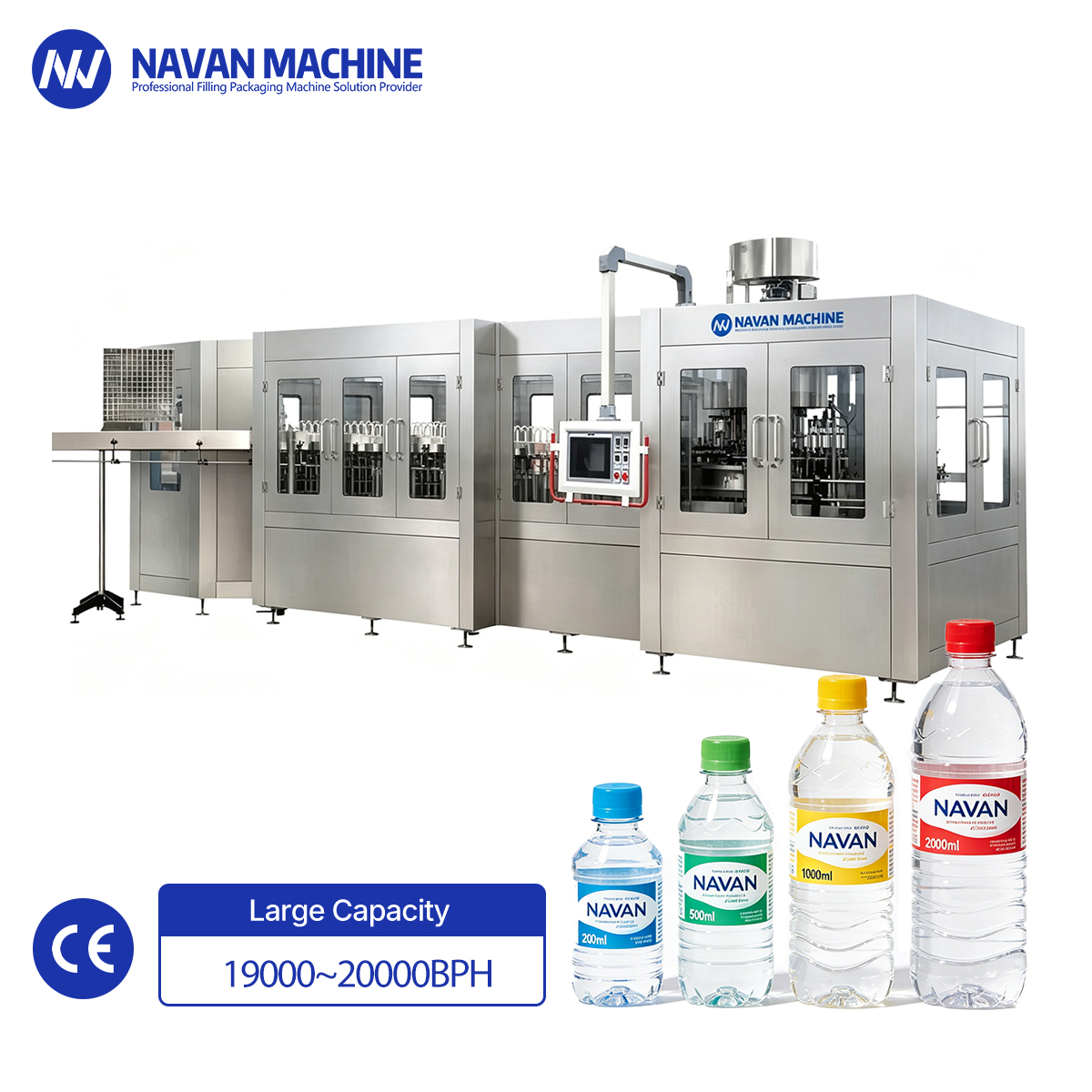
High Capacity PET Beverage Bottling Production Line XGF40-40-12 Electric Auto Combined Water Filling Machinery
View Product Details →
Automatic Carbonated Beverage Filling Line 12 Nozzle PET Bottle Production Equipment 2000-2500BPH XGFD14-12-5 CE Certified
View Product Details →
Automatic Glass Bottle Wine Filling Machine 2500-3000BPH 12 Nozzle Mechanical Bottling Line PLC CE
View Product Details →
Navan XGF18-18-6 Automatic Mineral Water Bottling Machine Turnkey Solution PLC Control High-Accuracy PET Bottle Pure Water
View Product Details →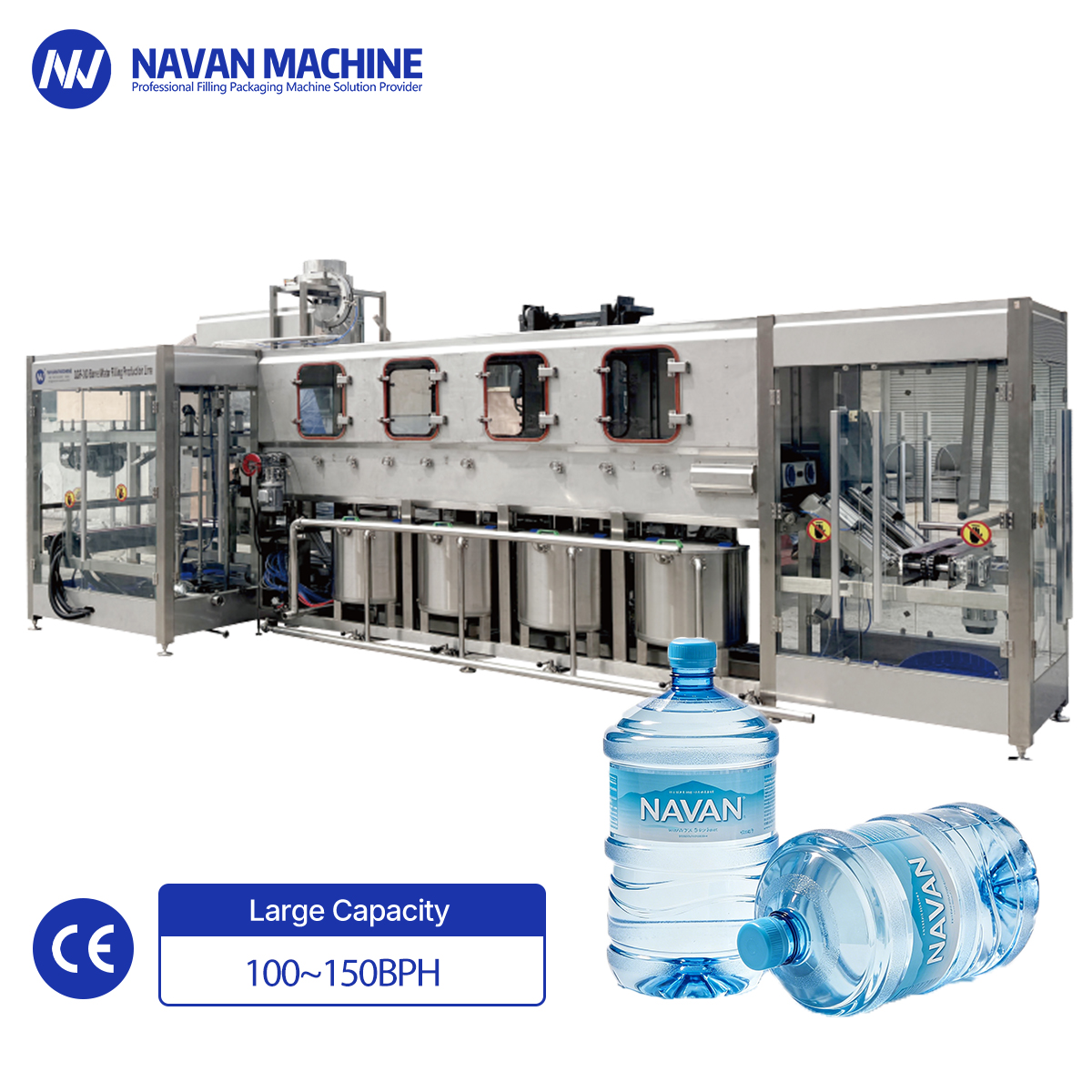
High Efficiency Automatic 100-150BPH 5Gallon Barrel Water Washing Filling Capping Machinery with PLC for Drinking Water Factory
View Product Details →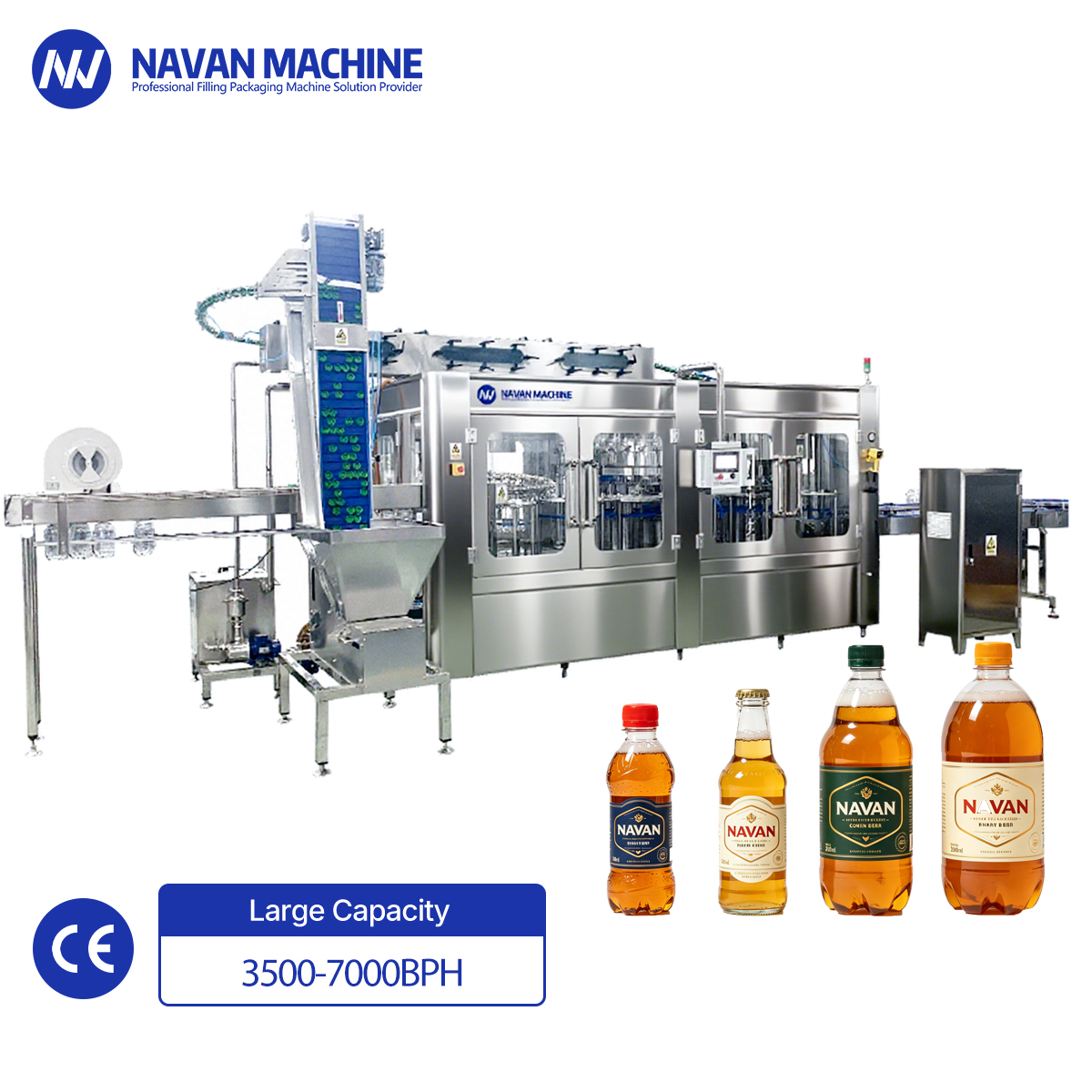
NPXZGF24-18-24-6PRO 200ml-2000ml High Productivity Automatic Mechanical PLC-controlled Plastic Beer Bottling Line
View Product Details →
Automatic Juice PET Bottle Filling Machine 32 Nozzle 200-2000mL 16000-17000BPH Bottling Equipment
View Product Details →Executive Brief: The Aseptic Filling Imperative in Delhi NCR's Industrial Landscape
The beverage and liquid food packaging sector across the Delhi National Capital Region (NCR)—spanning major manufacturing hubs like Bawana, Narela, Patparganj, Okhla, Kundli, Rai, and Greater Noida—is undergoing a rapid technological transformation. Driven by heightened consumer demand for preservative-free fruit juices, plant-based dairy substitutes, functional botanical beverages, and high-purity dairy products, local producers are increasingly forced to abandon legacy hot-fill systems in favor of advanced Cold Aseptic Filling Technology.
Operating bottling operations in North India presents distinct environmental challenges. Extreme seasonal temperatures reaching above 45°C during summer months elevate ambient thermal stress on raw materials and container preforms. Traditional hot-fill lines require heavy, thick-walled PET bottles (often weighing 28g to 32g for a 500ml container) to resist thermal shrinkage during hot filling at 85°C–92°C. In contrast, modern cold aseptic packaging executes product sterilization independently via Ultra-High Temperature (UHT) flash heating, followed by rapid cooling to ambient temperature (20°C–25°C) before dosed filling inside a Class 100 (ISO 5) sterile isolator enclosure.
By removing thermal stress from the container filling step, bottlers in Delhi NCR can instantly lightweight PET bottles by 25% to 40% (reducing 500ml containers to 16g–18g). Across high-speed production runs yielding 18,000 to 36,000 bottles per hour (BPH), this weight reduction delivers massive operational cost savings on resin procurement while drastically slashing carbon footprints and energy overheads associated with steam generation and container cooling tunnels.
Localized Market Development Trends in Delhi & North India
Understanding user intent and purchasing trends in North India is crucial for beverage enterprise leaders, plant directors, and procurement managers. Based on direct market deployments and industrial procurement data, several macro-trends are shaping machine specifications in the region:
1. Rapid Surge in Preservative-Free Clean-Label Drinks
Health-conscious urban consumers in Delhi, Gurgaon, and Noida are actively rejecting artificial preservatives (such as sodium benzoate and potassium sorbate). Aseptic filling guarantees complete microbiological sterility (Log-6 reduction of Bacillus atrophaeus spores), enabling a 12-month ambient shelf life without chemical additives.
2. Growth of Traditional Dairy & Ayush Botanical Formulations
The Delhi NCR market leads national consumption of value-added dairy—including flavored lassi, spiced buttermilk (chaach), almond milk (badam milk), and herbal/Ayurvedic extracts (aloe vera, amla, and giloy drinks). Aseptic monoblocks handle heat-sensitive proteins and delicate aromatic botanical volatiles without heat degradation or taste alteration.
3. Transition to Multi-Fluid Flexible Production Lines
Bottling investors require versatile plant assets capable of switching seamlessly between low-viscosity purified drinking water, pulpy fruit juices, carbonated fruit drinks, and viscous liquid food sauces. Integrated modular aseptic fillers with electronic flowmeter dosage support fast CIP/SIP recipe changeovers.
Localized Application Scenarios Across Delhi NCR Manufacturing Hubs
Engineering an aseptic line requires tailored adaptations depending on the targeted production zone and product portfolio. Below are prime application scenarios implemented across industrial clusters in the National Capital Region:
Bawana & Narela Food Processing Zones: High-Speed Fruit Juices
In these massive industrial sectors, major co-packers process mango pulp (totapuri and alphonso), guava nectar, and tropical fruit blends. Aseptic lines equipped with dual-fluid (H2O2 vapor & sterile air rinse) bottle sterilization ensure that high-viscosity juices containing fibers are filled under positive-pressure HEPA isolation without clogging or thermal scorching.
Kundli & Rai (Sonipat Border): Dairy & Plant Milk Bottling
Located along the North Delhi corridor, these hubs specialize in cold-chain and ambient dairy logistics. Aseptic PET lines integrate UHT tubular heat exchangers with non-contact magnetic inductive flowmeters. This guarantees exact volumetric filling of UHT milk, protein shakes, and oat/almond drinks with zero drip contamination on the bottleneck threads.
Greater Noida & Sahibabad: Carbonated Aseptic Juices & Energy Drinks
Meeting the dynamic youth demographic demands in urban Delhi, factories in these regions produce sparkling fruit juice beverages (containing 10%+ natural juice matrix combined with CO2 injection). Isobaric counter-pressure aseptic fillers maintain strict dissolved CO2 levels while preserving natural fruit enzymes without post-pasteurization cooling tunnels.
Technical Comparison: Cold Aseptic vs. Hot Fill vs. Retort Autoclave
An engineering metrics evaluation showing why cold aseptic technology offers superior return on investment (ROI) for North Indian beverage enterprises.
| Engineering Criterion | Cold Aseptic Filling (Osnib Technology) | Traditional Hot Fill (85°C - 92°C) | In-Container Retort Autoclave |
|---|---|---|---|
| Filling Temperature | Ambient (20°C - 25°C) | Elevated Hot (85°C - 92°C) | Ambient Filling + 121°C Retort Thermal Cycle |
| Sterilization Method | Flash UHT (3-5 sec) + H2O2 Vapor Dry Sterilizer | Thermal Heat Holding inside Container | Overpressure Steam / Water Spray Autoclave |
| 500ml PET Bottle Weight | 15g - 18g (Lightweight PET) | 28g - 34g (Heat-Resistant Ribbed PET) | Requires Glass Bottles or Heavy Metal Cans |
| Thermal Energy Consumption | Low (60% Energy Reduction) | Extremely High (Continuous Steam Boiler Load) | Maximum Energy Consumption |
| Organoleptic & Vitamin Retention | Superior (Preserves Color, Taste & Vit C) | Moderate Loss (Thermal Degradation) | Severe Thermal Damage (Cooked Flavor Profile) |
| Sterile Environment Class | ISO 5 / Class 100 Enclosed Cleanroom Isolator | Standard Sanitary Canopy | Standard Cleanroom Environment |
| FSSAI Microbiological Standard | Full Compliance (Log-6 Spore Elimination) | Compliant for Acidic Juices (pH < 4.5) | Compliant for All Liquid Formulations |
Why Delhi Importers & Bottlers Partner with Osnib Machine
As a senior global manufacturer and turnkey packaging provider based in Zhangjiagang, Jiangsu Province, China, Zhangjiagang Osnib Machine Co., Ltd. offers unmatched engineering mastery, stringent quality assurance, and comprehensive end-to-end support for international beverage producers.
TÜV Rheinland Onsite Verified & CE Certified
Our manufacturing facility, legal registration, and technical capabilities are directly verified by TÜV Rheinland. All core monoblocks, blow molders, and downstream sleeve/OPP labelers carry full European CE compliance certification.
Integrated Factory & Direct Export Governance
We eliminate trading intermediaries. Our in-house mechanical engineers, PLC software specialists, and international sales consultants work under one roof, ensuring that customized specs (such as Indian 415V/50Hz power grids) are built accurately from day one.
3D CAD Workshop Layout & Utility Engineering
Send our project consultants your factory floor plan in Delhi NCR. Our layout team will provide full 3D CAD operational line layouts showing conveyor pathways, electrical cable trays, CIP pipe routes, and operator ergonomics.
Global Field Service & 7x24 Support Networks
Beyond our main manufacturing plant, Osnib operates dedicated international branches—including a regional office in Russia and an Africa field engineering branch in Kigali, Rwanda—alongside 7x24 real-time remote telemetry and video diagnostic support.
Turnkey Line Integration: Blow to Palletizer
We deliver complete, synchronized lines: Industrial RO Water Treatment → Automatic PET Blow Molding → UHT Sterilization → Aseptic Rinse-Fill-Cap Monoblock → OPP Hot-Melt / Sleeve Labeling → Film Shrink Packing → Automatic Palletizer.
Custom Preform Mold & Container Design
Our packaging designers build exclusive bottle aesthetics and custom preform neck designs tailored to your brand, optimizing grip strength while maximizing material reduction.
FSSAI & BIS Compliance Integration for Indian Operations
Operating beverage machinery in India requires strict adherence to regulatory bodies including the Food Safety and Standards Authority of India (FSSAI) and the Bureau of Indian Standards (BIS) (specifically IS 14543 for packaged drinking water and IS 13428 for packaged natural mineral water).
Osnib Machine configures every aseptic monoblock destinated for Delhi NCR with food-grade AISI 316L stainless steel on all liquid contact piping, sterile tanks, and filling valves. All non-contact structures use AISI 304 stainless steel with surface roughness (Ra) polished to <0.4μm to eliminate bacterial bio-film accumulation points.
Furthermore, to withstand potential grid voltage variations in industrial suburban zones around Delhi, our electrical control cabinets integrate industrial-grade Schneider Electric / Siemens PLCs, isolated surge suppressors, and heavy-duty variable frequency drives (VFDs) custom-wound for 415V, 3-Phase, 50Hz power specifications.
Frequently Asked Questions (FAQ) by Delhi Procurement Managers
Addressing practical, technical, and commercial concerns for importing aseptic machinery into North India.
Osnib aseptic monoblocks utilize an integrated closed-loop sterile water cooling system following UHT processing. Product temperatures are precise-cooled down to 20°C–25°C before entering the filling isolator. The sterile isolator room itself is maintained under positive air pressure with HEPA filtration and climate control, ensuring ambient outside heat never compromises internal sterile zones or bottle integrity.
Depending on client infrastructure, we offer both Dry Aseptic Sterilization (Vaporized Hydrogen Peroxide - VHP) and Wet Aseptic Sterilization (Peracetic Acid - PAA / liquid H2O2). Dry VHP is highly recommended for high-speed PET lines because it minimizes water consumption, leaves zero chemical residue, and requires smaller sterilant rinse loops.
Yes. We install dual-mode magnetic inductive flowmeter filling valves (or electronic mass flow valves). The touch screen PLC allows operators to instantly switch between low-viscosity clear fluids and pulpy fruit nectars (handling fruit cell sizes up to 6mm x 6mm) with automatic Clean-in-Place (CIP) and Sterilization-in-Place (SIP) sequences.
The MOQ is 1 set. Manufacturing lead time for a standalone aseptic monoblock is typically 45–60 days; complete turnkey production lines require 60–75 days. Shipments are safely ocean-freighted in sea-worthy vacuum-sealed wooden cases arriving directly at Indian ports or ICD Tughlakabad / ICD Dadri dry ports in Delhi NCR.
We offer flexible trade terms including FOB, CFR, CIF, CIP, EXW, and DDP. Payment options include Telegraphic Transfer (T/T) and Irrevocable Commercial Letter of Credit at sight (L/C), accepted in major currencies including USD, EUR, and CNY.
We dispatch senior electrical and mechanical commissioning engineers directly to your plant in Delhi NCR. Our team oversees machine positioning, utility connections, CIP/SIP validation, trial runs, and conducts complete operational training for your local technical staff until target efficiency (OEE) is achieved.
Yes. Osnib uses standardized global industrial components—including FESTO pneumatic actuators, Siemens/Schneider PLC controls, Sick sensors, and SEW drives—available off-the-shelf in India. Additionally, we provide a 2-year recommended emergency wearable spare parts package (seals, nozzles, O-rings, heating elements) shipped alongside the machinery.
By saving up to 35% on PET preform plastic weight, reducing boiler steam consumption by up to 60%, and expanding product distribution nationwide through 12-month ambient shelf life (without expensive cold-chain logistics), most Delhi beverage producers recover their initial line investment within 14 to 18 months of full-capacity operation.
6-Step Turnkey Project Execution Roadmap
A structured engineering process ensuring on-time delivery, accurate commissioning, and zero operational delays.
Requirement Audit
Analyzing liquid viscosity, microbial requirements, target bottle drawings, and factory power/steam availability.
CAD & Process Design
Developing custom UHT thermal flow diagrams, 3D plant layout drawings, and preform mold designs.
Precision Manufacture
CNC machining of AISI 316L valve blocks, assembly of ISO 5 cleanroom isolators, and wiring of Schneider electrical panels.
Factory Acceptance Test
Full pre-shipment trial run with water and client sample containers, validated via HD live video inspection.
Logistics & Installation
Seaworthy vacuum packing, sea freight to India, followed by on-site mechanical installation by field engineers.
Validation & Training
Microbiological CIP/SIP validation, line speed optimization, and comprehensive operator certification.
Ready to Engineer Your Aseptic Bottling Facility in Delhi NCR?
Connect directly with our engineering team at Zhangjiagang Osnib Machine Co., Ltd. Request customized technical proposals, 3D factory layout drawings, and full machinery catalog specs.
