Commercial Bottling Equipment for the Tokyo Market
Turnkey liquid filling lines, stretch blow molders, and automated packaging systems customized for Japanese operational standards.

Automatic Glass Bottle Wine Filling Machine 2500-3000BPH 12 Nozzle Mechanical Bottling Line PLC CE
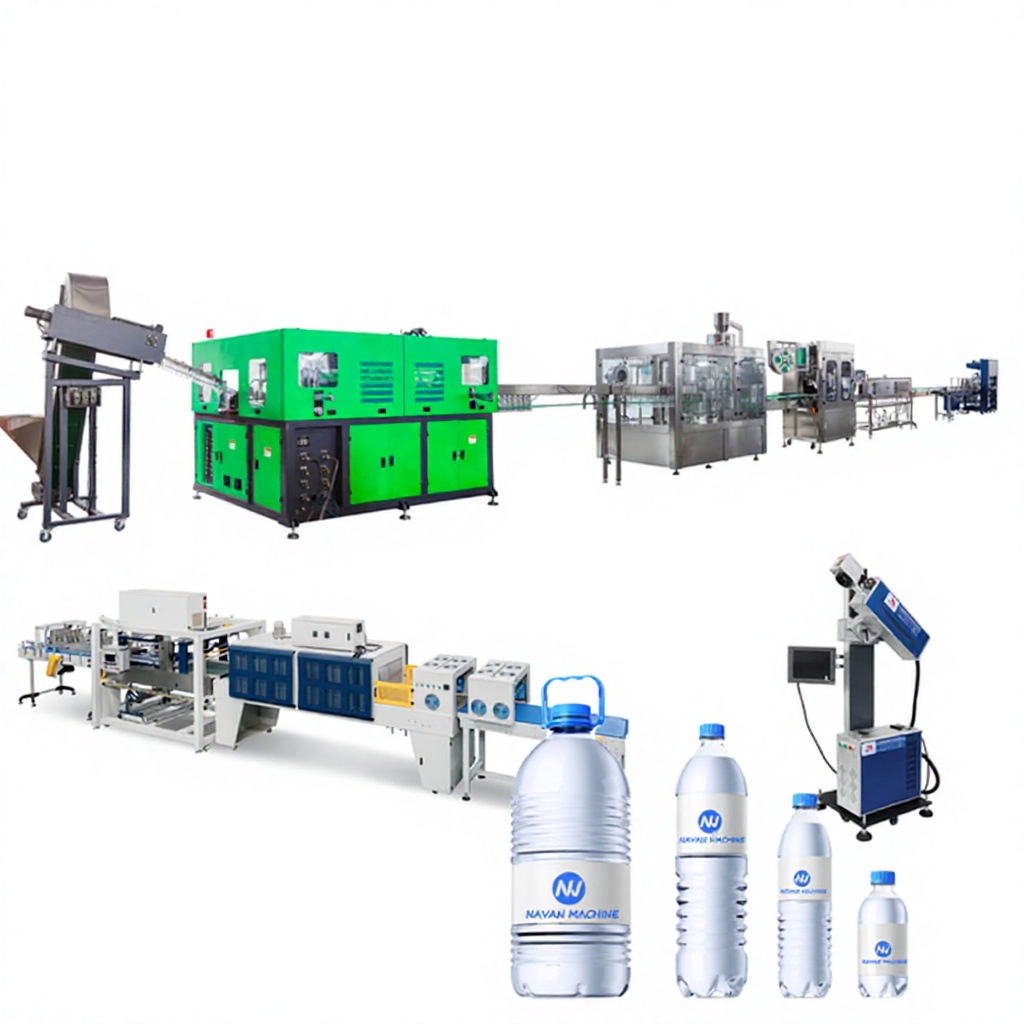
Automatic Bottled Water Production Line Blowing Rinsing Filling Capping Labeling Packaging 200-2000ml 1000-36000BPH
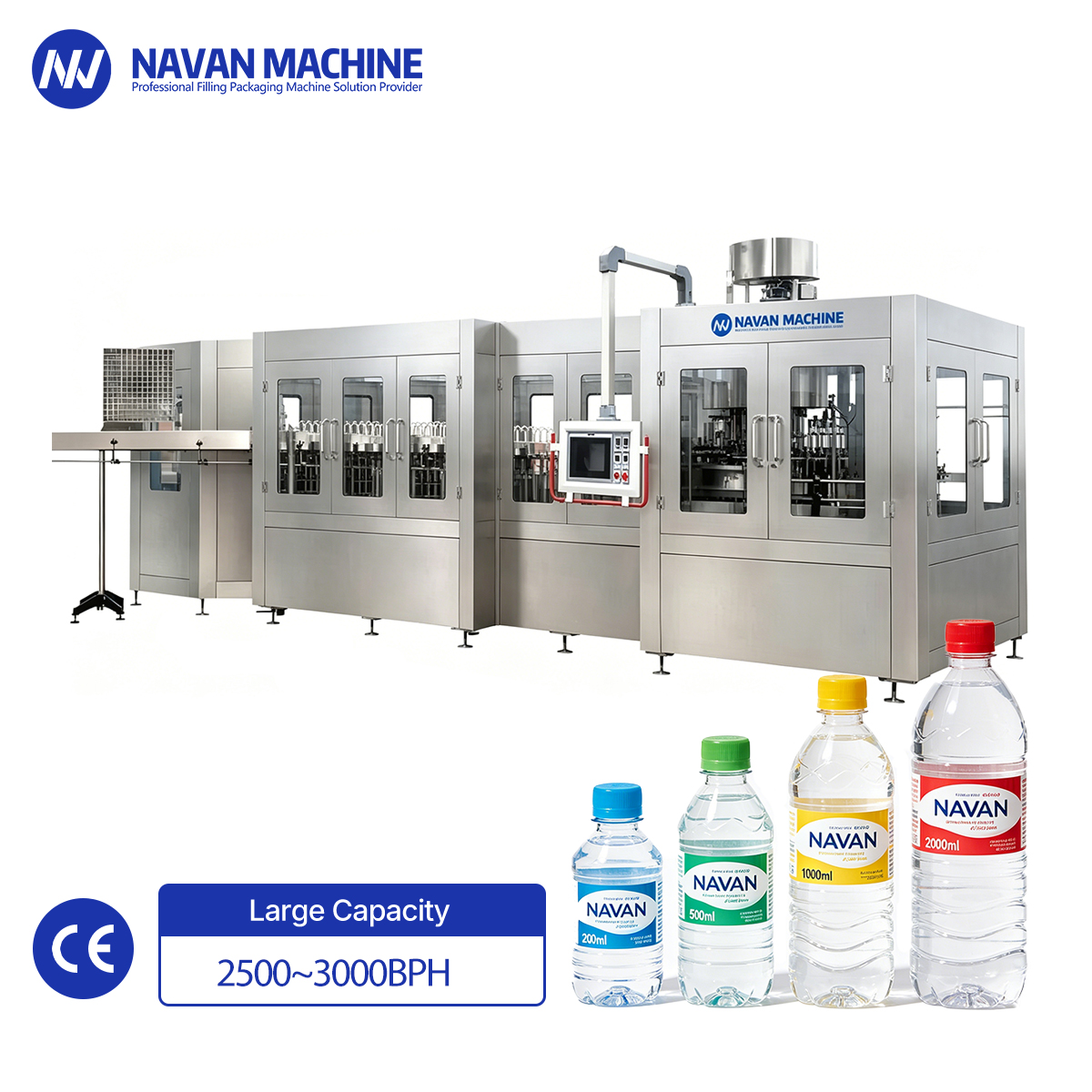
XGF8-8-4 Full Automatic Mechanical Water Filling Machine 2500-3000BPH PLC Controlled PET Bottle Bottling Turnkey Line

Automatic PET Bottle Beer Filling Machine PLC Touch Screen Rinsing Filling Capping 1500-22000BPH Beverage Line

NAVAN PET Automatic PLC Controlled 6-Cavity Servo Motor PP Plastic Bottle Stretch Blow Moulding Machine with Engine
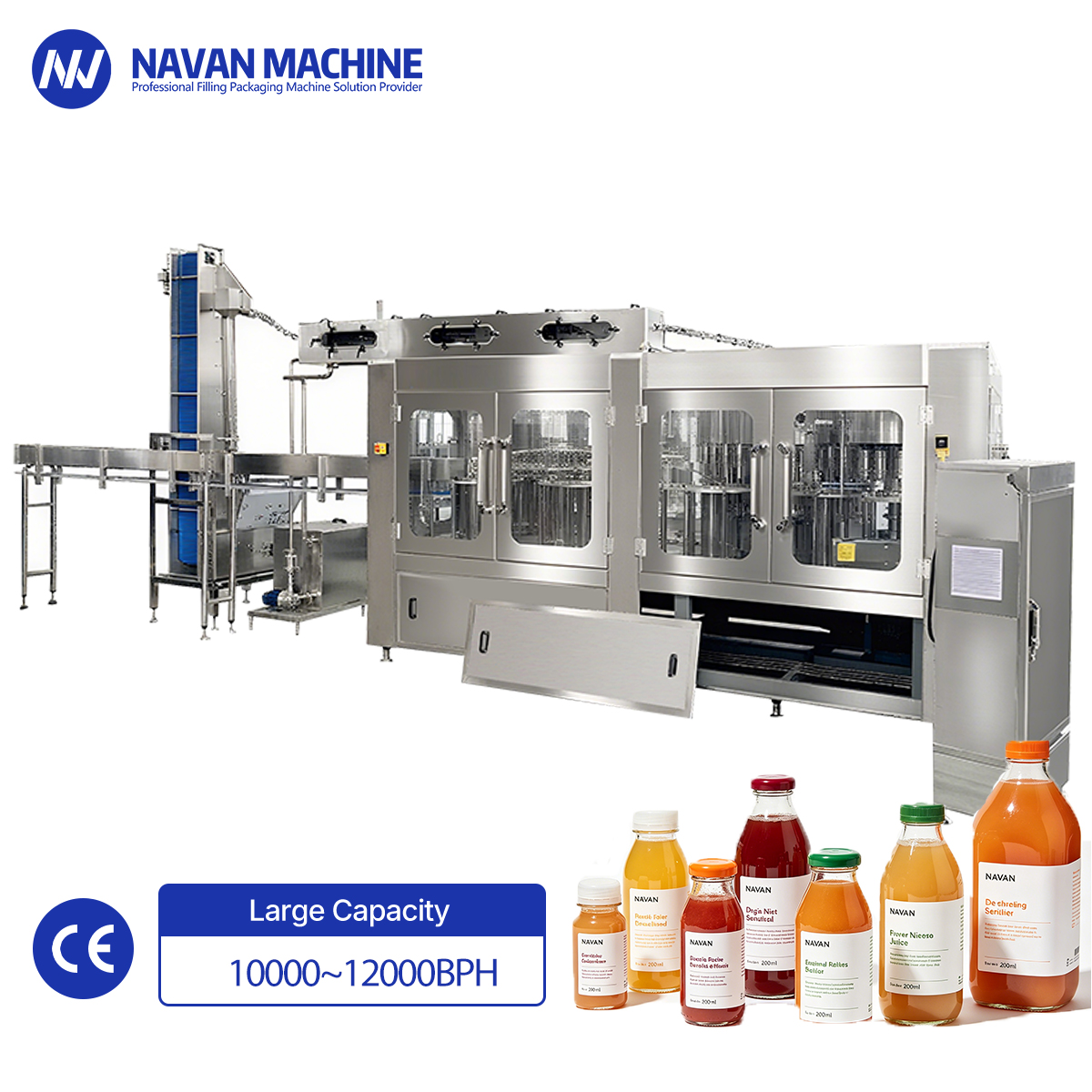
10000-12000 BPH PLC Automatic Fruit Juice Processing Line 24 Filling Heads PET Bottle Liquid Bottling Equipment CE Certified
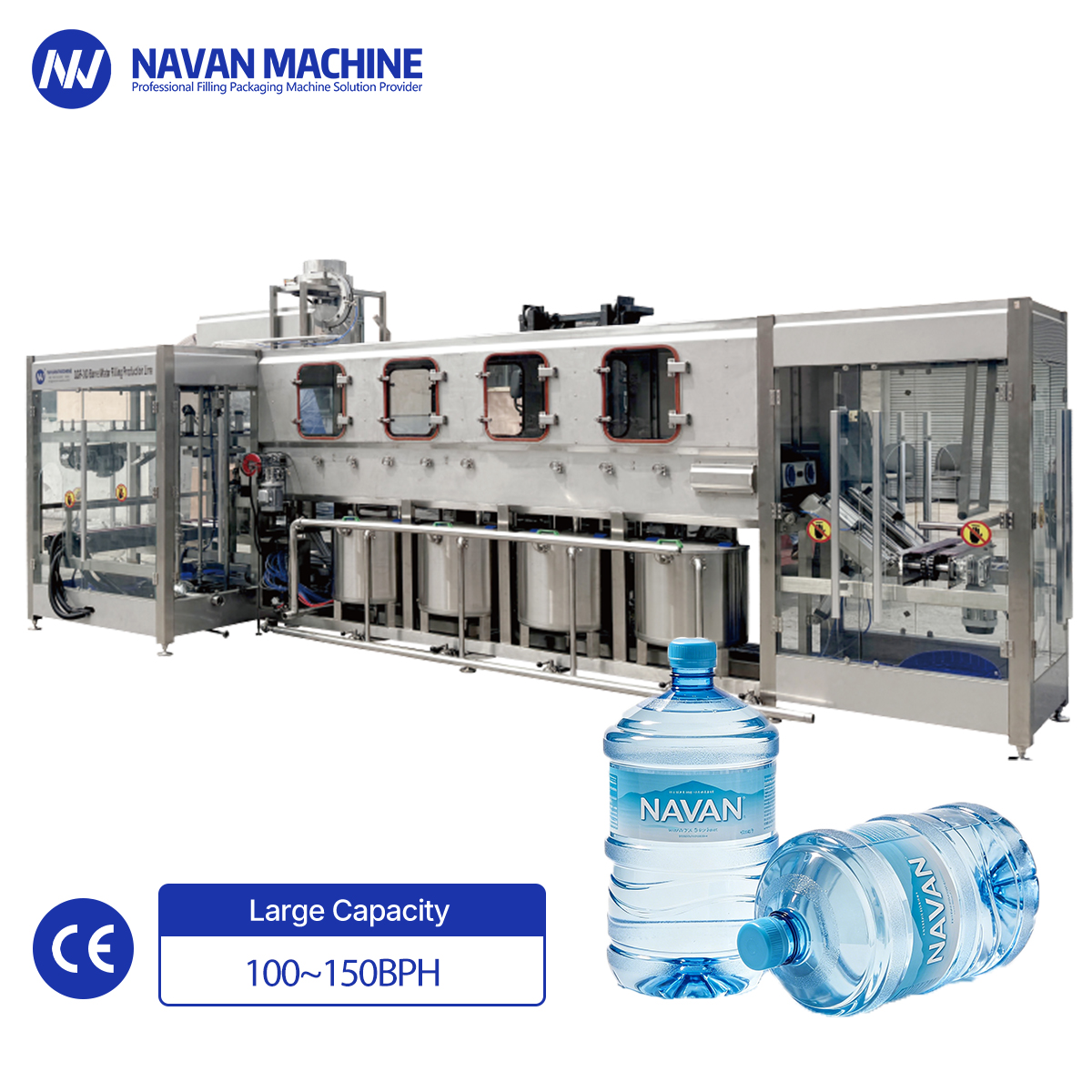
High Efficiency Automatic 100-150BPH 5Gallon Barrel Water Washing Filling Capping Machinery with PLC for Drinking Water Factory

Industrial XGFD40-40-10 PLC Controlled Automatic Carbonated Drink Filling Machine 200-2000ml Plastic Bottle CSD Machinery
Engineering Aseptic Filling Excellence for Greater Tokyo’s Beverage Industry
In the hyper-competitive Japanese beverage market, centered across the Greater Tokyo Metropolitan Area (including key industrial bottling clusters in Kanagawa, Saitama, Chiba, and Ibaraki prefectures), consumer demand for premium, preservative-free, and thermally sensitive functional beverages has reached an unprecedented peak. Traditional hot-fill methods (typically operating at 85°C to 92°C) subject delicate liquids—such as unsweetened Ready-to-Drink (RTD) green tea, matcha infusions, oat milk, soy-based plant protein drinks, and vitamin-enriched functional waters—to prolonged thermal stress. This thermal degradation destroys volatile aromatic compounds, degrades natural color tones, and diminishes nutritional potency.
As a leading global manufacturer and wholesale exporter of advanced packaging automation, Zhangjiagang Osnib Machine Co., Ltd. engineered high-precision Cold Aseptic Filling Machines tailored specifically to satisfy the stringent quality protocols enforced by the Japanese Ministry of Health, Labour and Welfare (MHLW) and the Japanese Agricultural Standards (JAS). By coupling Class 100 sterile isolator environments with high-speed magnetic flowmeter dosing and Vaporized Hydrogen Peroxide (VHP) dry bottle sterilization, our aseptic bottling lines provide local Tokyo bottlers with a decisive competitive advantage: extended ambient shelf life up to 12 months without chemical preservatives, combined with lightweight plastic bottle formats that reduce packaging material costs by up to 30%.
Technical Information Gain Benchmark: Unlike conventional clean-fill systems, Osnib’s Cold Aseptic Packaging Technology delivers a validated 6-log reduction ($10^{-6}$) of resistant bacterial spores (including Alicyclobacillus acidoterrestris and Bacillus cereus) under room temperature filling conditions (20°C–25°C), ensuring zero thermal impact on product taste, color, or active bioactive ingredients.
Class 100 Sterile Isolator
Operates under positive HEPA H14 laminar air pressure, maintaining continuous Class 100 (ISO 5) ultra-clean atmospheric containment throughout the sterilization, filling, and capping zones.
VHP & PAA Sterilization
Dual-phase container decontamination using Vaporized Hydrogen Peroxide (VHP) dry fog or Peracetic Acid (PAA) liquid spray, eliminating internal chemical residues to sub-PPM levels.
Magnetic Flowmeter Precision
Contactless electromagnetic or mass flowmeters ensure non-intrusive volumetric dosing accuracy of ±0.2%, eliminating dripping and cross-contamination across variable liquid viscosities.
Quantitative Engineering Benchmarks: Aseptic vs Traditional Methods
For factory managers and plant engineers evaluating capital equipment investments in Tokyo’s high-cost manufacturing environment, operational efficiency, power consumption, and packaging yield are critical metrics. The comparative matrix below outlines the performance metrics of Osnib’s Cold Aseptic Filling lines compared against conventional Japanese hot-fill and retort autoclave systems:
| Performance Criterion | Osnib Cold Aseptic System | Traditional Hot-Fill Line | Retort Autoclave Batch |
|---|---|---|---|
| Filling Temperature Range | 20°C – 25°C (Ambient Cold) | 85°C – 92°C (Thermal Stress) | 121°C (Extreme Pressure) |
| Sterilization Efficacy (Spores) | Log-6 ($10^{-6}$) Reduction | Log-4 ($10^{-4}$) Reduction | Log-6 ($10^{-6}$) Reduction |
| 500ml PET Bottle Preform Weight | 10.5g – 13.5g (Ultra-Lightweight) | 24.0g – 28.0g (Heat-Resistant Ribbed) | Not Applicable (Glass/Can Only) |
| Energy Consumption per 10k Bottles | 320 kWh (Steam Reduction 60%) | 780 kWh (High Boiler Steam Load) | 950 kWh (Thermal & Pressure Cycle) |
| Nutrient & Aroma Retention Rate | > 96.5% Preservation | 65.0% – 75.0% (Thermal Degradation) | < 50.0% (Severe Cooking Effect) |
| Preservative Requirement | 0% Additives / Clean Label | Requires Acidulants / Benzoates | 0% Additives |
Localized Application Scenarios across Greater Tokyo & Kanto Bottling Plants
The industrial real estate market in Tokyo, Kanagawa, and Saitama demands high output per square meter of cleanroom floor space. Osnib's modular block design integrates rinsing, bottle sterilization, filling, capping, and neck sleeve labeling into a single compact footprint, optimizing space utilization for local contract packers (co-packers) and beverage manufacturers.
RTD Unsweetened Green Tea & Matcha Bottling
Deployed in suburban facilities around Chiba and Shizuoka gateways, our cold aseptic lines fill delicate green tea infusions without causing thermal browning or oxidation, preserving the natural catechins, L-theanine, and fresh leaf aroma prized by Japanese consumers.
Plant-Based Oat, Soy & Almond Milk Packaging
Configured with sanitary anti-drip piston valves and CIP/SIP automated steam loops, these lines process neutral low-acid plant proteins susceptible to bacterial growth, delivering up to 12 months of ambient shelf stability without requiring refrigeration.
Niche Functional & Vitamin-Enriched Waters
Servicing dynamic beverage startups in Tokyo’s urban districts, our multi-format fillers handle cold-fill carbonated functional drinks, electrolyte waters, and amino acid tonics in sleek PET and glass bottles with rapid changeover times under 30 minutes.
Premium Glass Bottled Spirits, Sake & Plum Wine
Engineered with non-intrusive mechanical gravity or low-vacuum filling valves for Tokyo and Yamanashi craft distilleries, preventing alcohol volatilization while ensuring precise fill levels in distinctively shaped glass bottles.
Tokyo Regional Industry Trends: Carbon Neutrality & Ultra-Lightweighting
Under the Tokyo Metropolitan Government's stringent environmental policies and Japan's 2050 Net-Zero Carbon Neutrality Roadmap, beverage manufacturers face immense pressure to minimize plastic resin consumption and decrease factory scope-1 and scope-2 carbon emissions. Cold aseptic filling is central to meeting these sustainability targets:
1. Plastic Resin Reduction via Preform Lightweighting: Hot-fill bottles require heavy vacuum panels, reinforced ribs, and thick neck finishes (28g–32g per 500ml bottle) to withstand thermal contraction upon cooling. In contrast, cold aseptic filling pressurizes bottles under sterile ambient conditions, allowing Japanese plant operators to utilize smooth-walled, ultra-lightweight PET bottles weighing as little as 10.5g. This achieves an immediate 35% to 45% reduction in raw resin costs and transportation carbon footprints.
2. Thermal Energy Efficiency & Steam Minimization: By eliminating the continuous high-pressure steam boilers required to maintain hot filling temperatures (85°C+), Osnib’s dry VHP bottle decontamination technology cuts overall thermal energy demands by over 60%, drastically lowering natural gas and electricity expenditures across Kanto industrial operations.
3. Integration of Automation & AI-Driven SCADA Systems: To combat Japan's acute industrial labor shortages, Osnib aseptic lines integrate seamless Omron/Mitsubishi PLCs with real-time SCADA connectivity. Automated Clean-in-Place (CIP) and Sterilize-in-Place (SIP) routines execute complete sanitary wash cycles without manual operator entry, guaranteeing repeatable sterility logs.
Why Tokyo Beverage Brands Partner with Osnib Machine
A trusted manufacturer offering factory-direct engineering, localized electrical compliance, and comprehensive turnkey installation.
TÜV Rheinland Verified Factory
Direct manufacturer operating a modern 1,000–3,000 m² engineering workshop. Onsite audited by TÜV Rheinland for verified manufacturing integrity, legal compliance, and technical export capability.
CE Certified & PSE Compliant
Built specifically for Japan’s 50Hz 200V Kanto electrical grid. Integrated with Japanese-standard Omron/Mitsubishi PLCs, Schneider electronics, and PSE-compliant safety relays.
OEM / ODM & Custom Mold Design
In-house R&D team designs exclusive container shapes, custom preforms, and matching label artwork (OPP hot-melt, heat sleeve, or sticker) tailored to your brand identity.
Complete Turnkey Engineering
One accountable engineering partner covering industrial RO water treatment, PET blow molding, aseptic monoblock filling, sleeve labeling, shrink film wrapping, and robotic palletizing.
Factory Direct Wholesale Pricing
Eliminate middleman trading markup. Source directly from our Zhangjiagang manufacturing headquarters with direct access to design engineers and standardized spare parts inventory.
7×24 Global Technical Support
Comprehensive pre-shipment video trial runs, CAD workshop floor layout drawings, onsite engineer installation, and dedicated round-the-clock remote technical assistance.
Frequently Asked Questions by Tokyo Bottling Procurement Managers
Clear, direct answers regarding equipment specs, electrical compatibility, shipping logistics, and compliance in Japan.
All packaging machinery exported to Tokyo, Kanagawa, Saitama, and Chiba is natively engineered to operate on Eastern Japan’s 3-phase 200V / 50Hz power supply. Control cabinets feature high-efficiency frequency drives, industrial Omron or Mitsubishi PLCs, standard Japanese wiring color codes, and PSE-certified electrical safety components.
Our cold aseptic filling systems guarantee a validated 6-log microbial reduction ($10^{-6}$) for target bacterial spores (such as Alicyclobacillus acidoterrestris and Bacillus subtilis). Sterile zones are protected by Class 100 (ISO 5) positive-pressure HEPA isolation, complying with the stringent hygiene standards set by Japan’s Ministry of Health, Labour and Welfare (MHLW).
Yes. Space optimization is a core feature of our design methodology. By combining bottle rinsing, aseptic filling, and capping into a unified monoblock design, we reduce required cleanroom footprint by up to 40% compared to traditional modular block lines. Our engineering team provides custom 2D/3D CAD workshop layouts tailored to your exact building dimensions and ceiling heights.
Standard standalone equipment (such as blow molders or sleeve labelers) requires 30 to 40 days for fabrication and factory testing, while complete turnkey aseptic lines take 60 to 75 days. Freight shipping from Shanghai Port directly to Tokyo Port or Yokohama Port takes approximately 3 to 5 days, ensuring fast, efficient delivery.
We offer both remote real-time diagnostic support via PLC network modules and on-site commissioning. Our senior service engineers can be dispatched directly to your facility in Greater Tokyo for setup, line integration, validation testing, and comprehensive operator training in maintenance and CIP/SIP protocols.
The MOQ is 1 set. We support flexible trade and shipping terms including FOB, CFR, CIF, EXW, CIP, FCA, and DDP. Payment can be processed via T/T, L/C, or credit card in USD, EUR, JPY, or CNY.
Plan Your Next Aseptic Bottling Project for the Tokyo Market
Contact our engineering experts today to receive customized technical proposals, 3D floor layout designs, and direct factory wholesale pricing.
