
Recommended Bottling & Packaging Machinery
High-performance liquid filling monoblocks, blow molders, and turnkey lines adapted to West Japan (200V/60Hz) manufacturing standards.
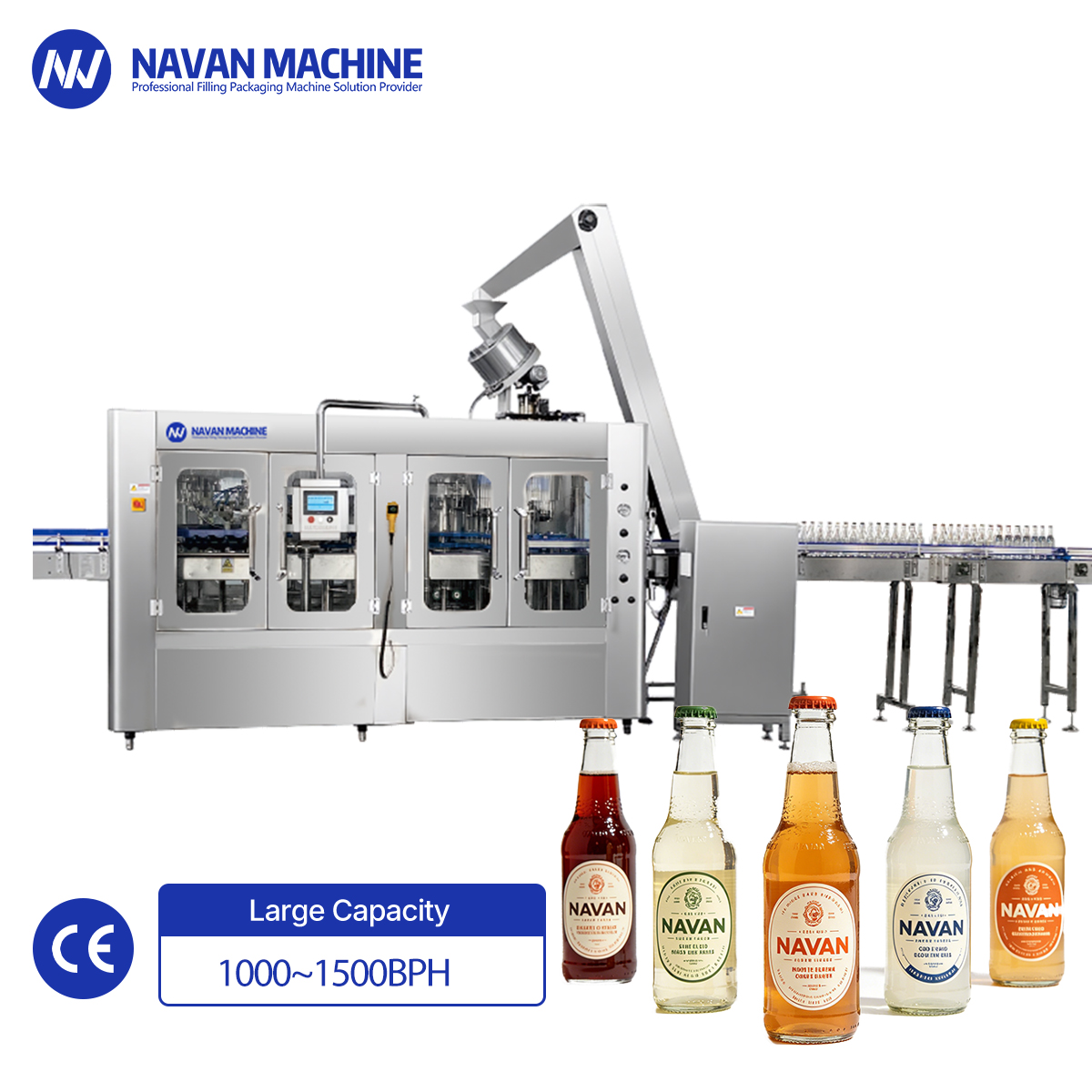
Full Automatic Glass Carbonated Beverage Bottling Line PLC Intelligent Operation
Send an Inquiry
Navan XGF18-18-6 Automatic Mineral Water Bottling Machine Turnkey PET Solution
Send an Inquiry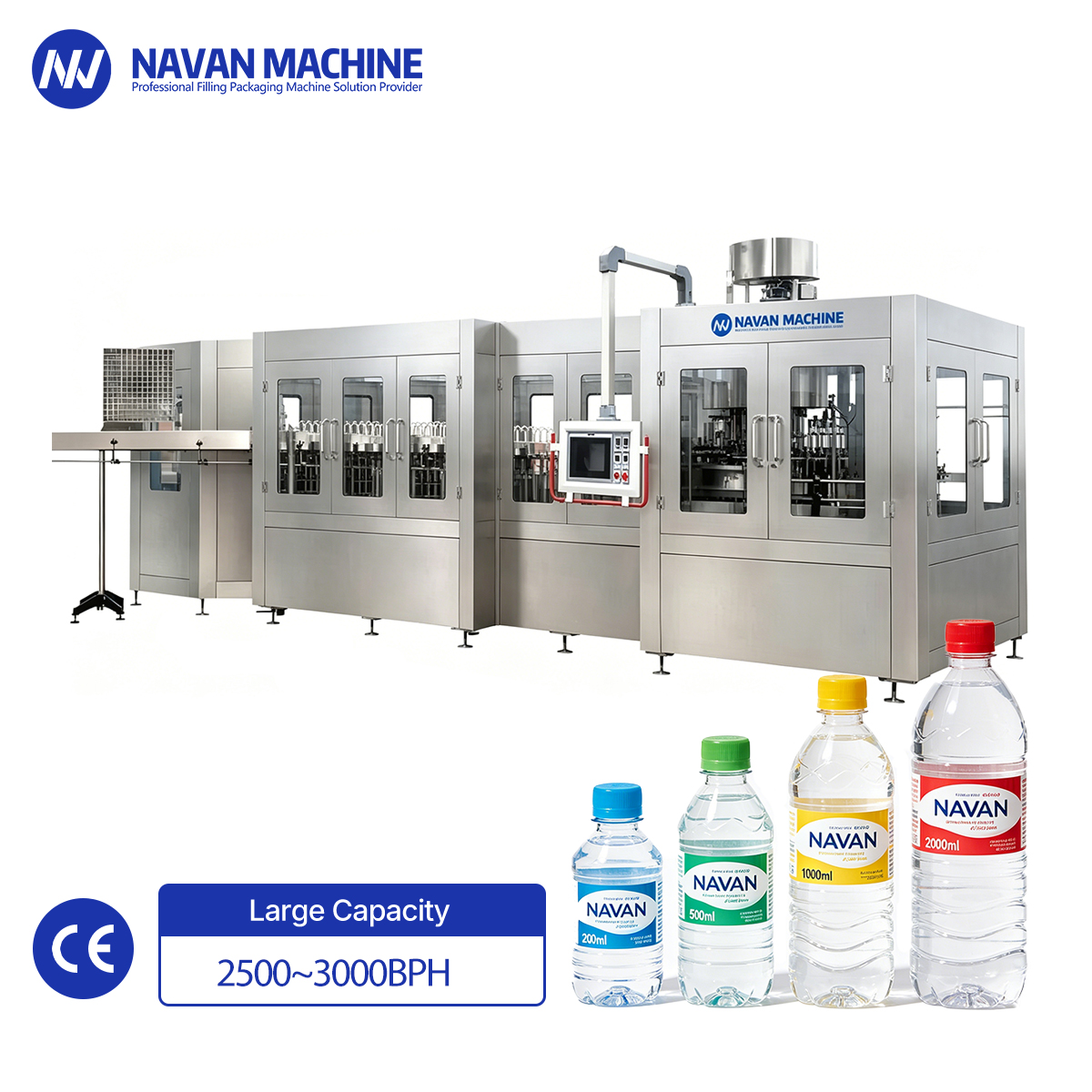
XGF8-8-4 Full Automatic Mechanical Water Filling Machine 2500-3000BPH Line
Send an Inquiry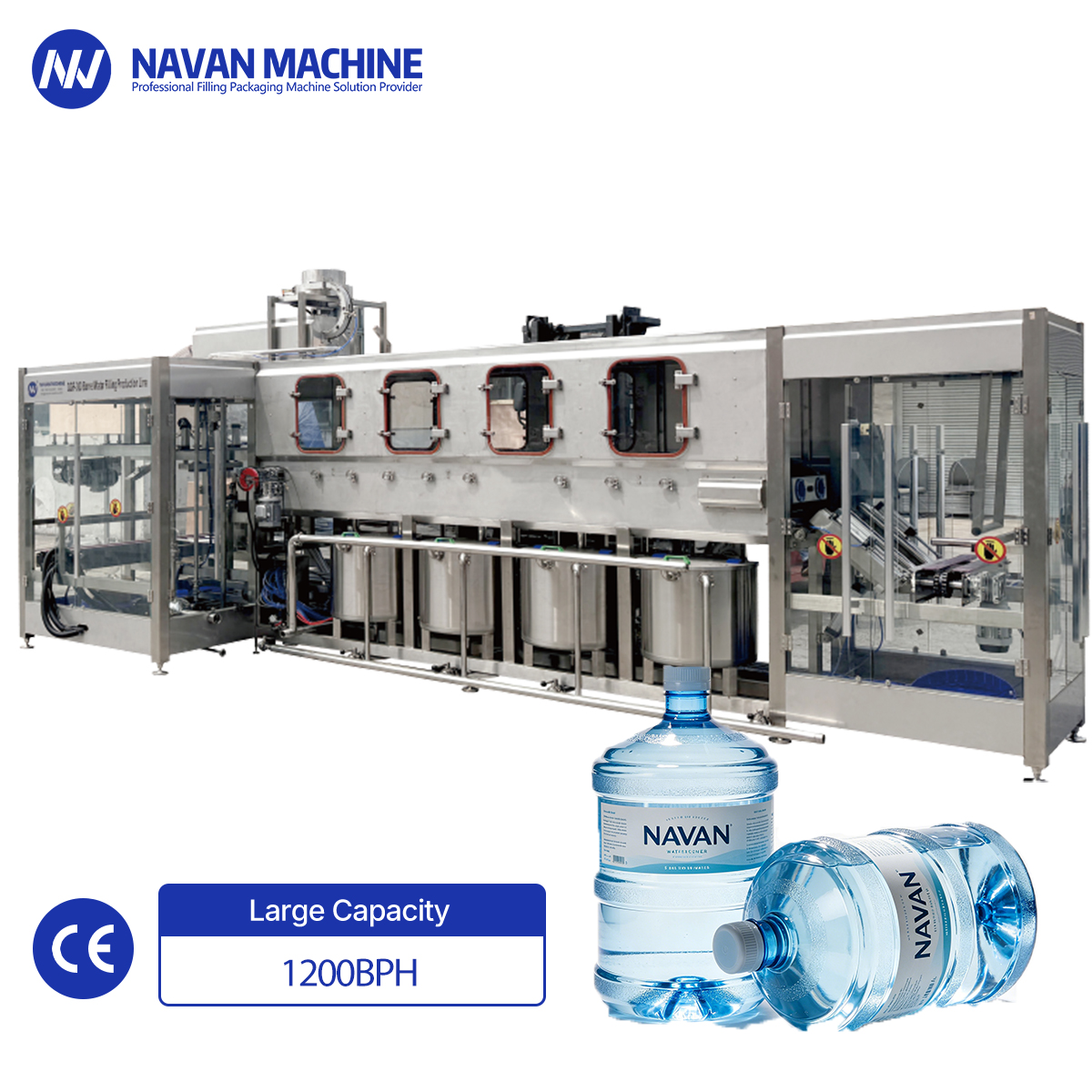
Industrial Automatic 18.9L PET Barrel Water Filling Plant 1200BPH 5-Gallon Line
Send an Inquiry
Complete Glass/PET Carbonated Drink Production Line XPXGF24-24-8 Soda Filler
Send an Inquiry
34000~36000BPH Pure Water Bottling Plant XGF60-60-15 Fully Automatic Monoblock
Send an Inquiry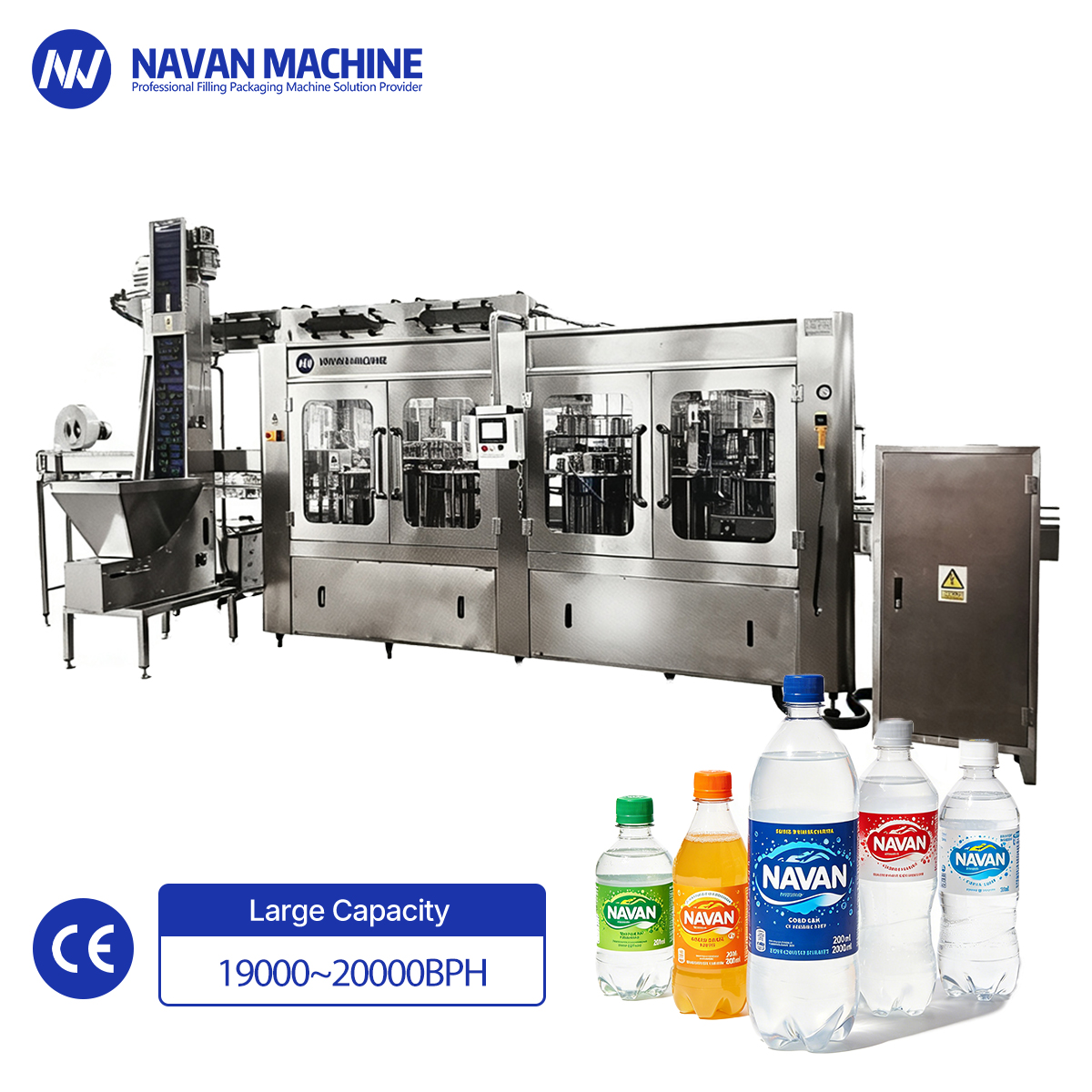
High Efficiency Navan XGFD50-50-12 Plastic Carbonated Beverage Filling Machine
Send an InquiryWhitepaper: Industrial Bottling & Packaging Automation for Fukuoka & Kyushu Markets
An authoritative guide to selecting high-efficiency liquid filling equipment, adhering to Japanese sanitary standards, and optimizing beverage plant ROI in Western Japan.
15+
Years Engineering Excellence
40+
Export Countries Worldwide
±1mm
Liquid Level Accuracy
36,000
BPH Maximum Throughput
Executive Overview: The Shifting Beverage Production Ecosystem in Fukuoka
Fukuoka Prefecture, acting as the economic and logistical nerve center of Kyushu, occupies a pivotal position in East Asia’s beverage, spirit, and liquid food packaging landscape. Supported by direct maritime freight corridors from the Port of Hakata and backed by pristine natural water resources originating from the Aso-Kuju volcanic mountain range, Fukuoka hosts an expansive ecosystem of beverage manufacturing. This ranges from large-scale mineral water processors and craft breweries to traditional shochu/sake distilleries and premium Yame tea extract packagers.
However, liquid bottling factory operators across Fukuoka, Kitakyushu, Kurume, and Iizuka face severe structural transformations. Japan’s demographic shift has intensified regional labor shortages, placing continuous upward pressure on manual operation costs. Furthermore, consumer preferences are rapidly moving toward ultra-hygienic aseptic packaging, eco-conscious lightweight PET bottles, recyclable glass packaging, and flexible production runs capable of switching seamlessly between glass containers, aluminum cans, and varying bottle sizes. To maintain competitive operating margins, regional manufacturers are aggressively replacing legacy, fragmented filling machinery with fully automated, high-speed monoblock bottle filling machines.
As an established industrial machinery manufacturer, Zhangjiagang Osnib Machine Co., Ltd. delivers advanced turnkey bottling solutions engineered specifically for international export. By harmonizing robust mechanical engineering with precision PLC intelligent controls, low-oxygen absorption isobaric technology, and strict CIP (Clean-in-Place) sanitation compatibility, Osnib Machine provides Fukuoka-based bottling factories with a definitive technological edge.
High ROI Automation
Reduces labor dependence by combining rinsing, filling, capping, sleeve labeling, and shrink wrapping into one continuous PLC-guided system.
Food-Grade Sanitary Standard
All liquid-contact components are manufactured from SUS304/SUS316L stainless steel with automated CIP cleaning cycle integration.
West Japan Electrical Native
Custom-built electrical systems matching Western Japan’s specific grid parameters: 200V / 220V 3-Phase at 60Hz frequency.
Technical Evaluation of Bottling Filling Principles for Local Industries
Selecting the optimal bottle filling machine factory partner requires an in-depth understanding of liquid hydrodynamics, container mechanical stability, and gaseous retention requirements. Filling technologies are non-transferable across different beverage profiles; using incorrect filling valves can cause excessive foaming, oxidative spoilage, or volumetric inconsistencies.
1. Isobaric (Counter-Pressure) Filling Systems for Carbonated Drinks & Craft Beer
For carbonated soft drinks (CSD), sparkling natural spring water, cider, and craft beer, controlling CO₂ loss and preventing ambient oxygen pickup during bottling is critical. Isobaric filling monoblocks (such as the NPXZGFPRO Series and XGFD Series) utilize pneumatic mechanical valves that pressurize the bottle with carbon dioxide gas to equalize pressure with the liquid storage bowl before filling begins.
- Dissolved Oxygen (DO) Control: Double vacuum evacuation cycles reduce dissolved oxygen absorption to <30 ppb, preserving the crisp flavor profile and extending the shelf life of unpasteurized Japanese craft beers and carbonated beverages.
- Foaming Suppression: Flow channels feature smooth mechanical polishing to eliminate micro-turbulences, allowing high-speed filling up to 36,000 BPH without overflow losses.
- Container Adaptability: Handles lightweight PET bottles, long-neck glass bottles, and hybrid crown cap/screw cap setups.
2. Normal Pressure Gravity Filling Monoblocks for Mineral Water & RTD Teas
Fukuoka is surrounded by abundant mountain water sources in Kyushu. Processing pure natural spring water and RTD (Ready-To-Drink) Yame green tea requires absolute chemical purity and ultra-high volumetric precision. Gravity filling machines (such as the Navan XGF Series) operate via mechanical level-sensing filling nozzles.
- Contact-Free Rinsing & Filling: High-efficiency grippers turn PET bottles 180 degrees for internal ionized water flushing prior to filling, eliminating dust particles.
- Zero-Drip Liquid Valves: Seal rings prevent liquid droplets from contaminating bottle necks, maintaining sterile exterior bottle surfaces.
3. Servo-Piston Fillers for Viscous Food Condiments & Soy Sauces
Kyushu is famous across Japan for its distinct culinary condiments—specifically rich sweet soy sauces, dashi stock concentrates, sesame dressings, and ponzu sauces produced around Fukuoka and Itoshima. These liquids exhibit higher viscosity, varying salt content, and acidic characteristics that destroy standard beverage valves.
- Anti-Corrosive Metallurgy: All valves and cylinder bodies are machined from SUS316L stainless steel, resistant to high salt concentrations and organic acid degradation.
- Volumetric Servo Precision: Independent servo motor drivers push precision piston heads, maintaining volumetric accuracy within ±0.5% for liquid volumes from 200ml up to 5000ml.
Engineering Insight: Choosing a turnkey manufacturer capable of unifying bottle blowing, liquid filling, capping, labeling, and palletizing into a unified PLC network eliminates line bottlenecks, reduces total floor-space requirements by up to 35%, and streamlines spare parts management.
Bottling Technology Comparison Matrix for Fukuoka Procurement Directors
To assist factory engineers, plant managers, and procurement officers in evaluating equipment options, the following table compares key technical specifications across our flagship filling machine series:
| Machine Model Series | Filling Method | Target Liquids | Container Compatibility | Output Capacity (BPH) | Sanitary Standard |
|---|---|---|---|---|---|
| NPXZGF PRO Series | Isobaric Counter-Pressure | Craft Beer, CSD, Sparkling Water | PET & Glass Bottles (200-2000ml) | 3,000 – 24,000 BPH | CIP/SIP Compatible, SUS316L |
| Navan XGF Series | Normal Pressure / Gravity | Mineral Water, Still Tea, Juices | PET Bottles (250-2000ml) | 4,000 – 36,000 BPH | Food-Grade SUS304/316, Closed Bowl |
| QGF Series | Linear Mechanical Injection | 5-Gallon (18.9L) Purified Water | Large PET / PC Barrels | 300 – 1,200 BPH | Multi-Stage Chemical Washing CIP |
| Rotary Oil & Sauce Filler | Servo-Driven Piston / Weighing | Edible Oils, Soy Sauce, Dashi, Honey | PET, HDPE & Glass Jars | 2,000 – 12,000 BPH | Drip-Free Nozzles, Acid-Proof |
Localized Application Scenarios in Fukuoka & Kyushu Region
When supplying machinery to factory sites across Fukuoka Prefecture, equipment configuration must account for regional packaging styles, local utility infrastructure, and environmental conditions. Below are four primary deployment scenarios where Osnib Machine delivers specialized engineering performance:
Scenario A: Green Tea & Botanical Drink Bottling Lines in Yame & Kurume
Fukuoka’s Yame region produces some of Japan's most refined green teas. Cold-brew and hot-fill RTD tea bottling lines require temperature control to prevent flavor oxidation and bacterial growth without relying on artificial preservatives.
- Thermal Stability: Filling monoblocks are equipped with automated liquid recirculating loops that maintain product hot-filling temperatures between 85°C and 92°C.
- Steam Tunnel Shrink Labeling: Integrated sleeve labelers wrap high-impact graphics around contoured PET tea bottles, utilizing steam shrinking tunnels to eliminate label distortion.
Scenario B: Micro-Breweries & Sake Distilleries in Hakata & Mojiko
Fukuoka’s urban craft beer market and regional Japanese sake (Nihonshu) distilleries frequently require multi-format filling lines capable of handling both traditional glass bottles and modern plastic or aluminum containers on a single packaging line.
- Quick Changeover Tooling: Starwheels, bottle guide curves, and capping heads feature tool-less quick-release mechanisms, enabling complete bottle size changeovers in under 30 minutes.
- Oxygen Pickup Minimization: Pre-evacuation technologies ensure low TPO (Total Packaged Oxygen) values, protecting delicate esters and volatile aromas in craft beers and Junmai Daiginjo sakes.
Scenario C: Mt. Aso Mineral Water Bottling Facilities
Bottling spring water sourced from natural aquifers requires high throughput combined with minimal ambient exposure. Osnib Machine provides ultra-high-speed monoblocks (up to 36,000 BPH) featuring HEPA laminar flow air filtration hoods mounted directly above the rinsing-filling-capping zone, creating a Class 100 cleanroom environment around open bottle necks.
Scenario D: Liquid Seasoning, Dashi & Soy Sauce Bottling Plants
Traditional liquid seasoning manufacturers in Western Japan require robust capping solutions that handle anti-drip plastic spout inserts, tamper-evident caps, and traditional aluminum ROPP caps. Osnib's multi-head magnetic torque cappers eliminate cap slippage and prevent thread stripping, maintaining consistent torque sealing across every unit.
Fukuoka & West Japan Market Trends: Automation & Sustainable Packaging
As factories in Fukuoka adapt to modern supply chain demands, two key trends dominate equipment procurement decisions:
- Transition to Ultra-Lightweight PET Containers: Lightweighting reduces raw plastic consumption and lowers transportation fuel costs through the Port of Hakata. Osnib blow molding machines integrate neck-handling pneumatic grippers, ensuring thin-walled PET preforms are blown into precise bottle geometries without thermal distortion or structural collapse.
- End-of-Line Packaging Automation: Modern factories are removing manual box packing. Osnib supplies integrated PE film shrink wrappers (such as the L-Type and High-Speed Linear Wrappers) and robotic bottle palletizers that arrange, shrink-pack, stack, and stretch-wrap finished cases for immediate warehouse dispatch without human intervention.
Enterprise Advantage: Why Choose Zhangjiagang Osnib Machine Co., Ltd.?
Selecting a machinery supplier requires verifying their technical credentials, manufacturing facility size, quality management systems, and post-installation service capability. Zhangjiagang Osnib Machine Co., Ltd. represents a top-tier Chinese machinery manufacturer operating with complete global service integration.
Verified Manufacturing Authority
- TÜV Rheinland Onsite Verified: Production capabilities, engineering workshops, and corporate legitimacy audited on-site by TÜV Rheinland.
- CE International Compliance: All liquid fillers, PET blowing units, sleeve labelers, and palletizers carry official CE certifications.
- Factory & Trade Integration: Direct manufacturer sales eliminate middleman markups, placing buyers in direct contact with mechanical designers.
- Turnkey Engineering: Complete factory layout drawings, piping schematics, power distribution planning, and operator training modules included.
- 24/7 Remote Diagnostics: Built-in PLC communication modules allow Osnib engineers to remotely diagnose and update control logic via secure internet links.

Frequently Asked Procurement FAQ for Fukuoka Plant Managers
Below are essential technical and logistical questions answered by our engineering director to assist Japanese buyers during vendor assessment:
Can Osnib bottle filling machines adapt to Western Japan's 200V / 60Hz power grid?
Yes. Electrical systems for machines shipped to Fukuoka and Kyushu are custom-configured during assembly. Motors, frequency inverters (Schneider/Mitsubishi), PLC controllers (Siemens/Omron), and heating elements are strictly built to match 3-Phase 200V / 220V at 60Hz. All wiring complies with international CE safety standards.
What is the logistical delivery route and timeline for freight shipping to Hakata Port?
Machines are sea-freighted directly from Shanghai Port to Hakata Port in Fukuoka. Shipping transit time takes approximately 2 to 4 days. Total lead time, including custom manufacturing, Factory Acceptance Testing (FAT), and maritime shipping, typically ranges between 35 and 50 days from contract confirmation.
How does the machine guarantee compliance with Japanese Food Sanitation Laws & HACCP?
All liquid-contact parts are fabricated from certified food-grade SUS304 or acid-resistant SUS316L stainless steel with internal mirror polishing (Ra < 0.4μm) to prevent bacterial adhesion. Systems feature dedicated CIP (Clean-in-Place) recirculation loops, allowing automated acid, caustic, and hot water rinsing cycles without disassembling valves.
What is the Minimum Order Quantity (MOQ) and customization policy?
Our MOQ is 1 set. We accept full OEM and ODM customization. Buyers can order a standalone monoblock filler or a complete turnkey line. Container molds are custom-machined according to your exact bottle technical drawings or 3D CAD models.
How is installation, commissioning, and operator training handled on-site in Japan?
Osnib Machine provides dual installation support. We can dispatch certified mechanical and electrical commissioning engineers directly to your plant site in Fukuoka for installation, line debugging, and staff training. Alternatively, we provide full 3D assembly guides, video manuals, and real-time remote technical support over 7x24 video channels.
What warranty and spare parts guarantees are provided with Osnib machinery?
All machinery comes with a 12-month complete mechanical warranty. We include a comprehensive recommended spare parts kit (seals, sensors, heating tubes, pneumatic valves) with the initial machine delivery. Replacement parts are dispatched via fast international express delivery within 24 to 48 hours of request.
Request a Custom Bottling Line Proposal for Your Fukuoka Factory
Send your bottle dimensions, liquid characteristics, target hourly output, and floor plan. Our senior engineering team will design a customized equipment layout and itemized quote within 24 hours.
Send an Inquiry