Featured Liquid Filling & Bottling Line Machinery
Factory-direct high-capacity monoblock filling lines, PET stretch blow molders, and automated barrel systems built with CE certification and 220V/60Hz electrical compatibility for Philippine beverage producers.

Automatic 10-20L Barrel Water Filling Machine 400-450BPH 3 Nozzle Washing Capping Line Mechanical PLC 415V
View Product Details →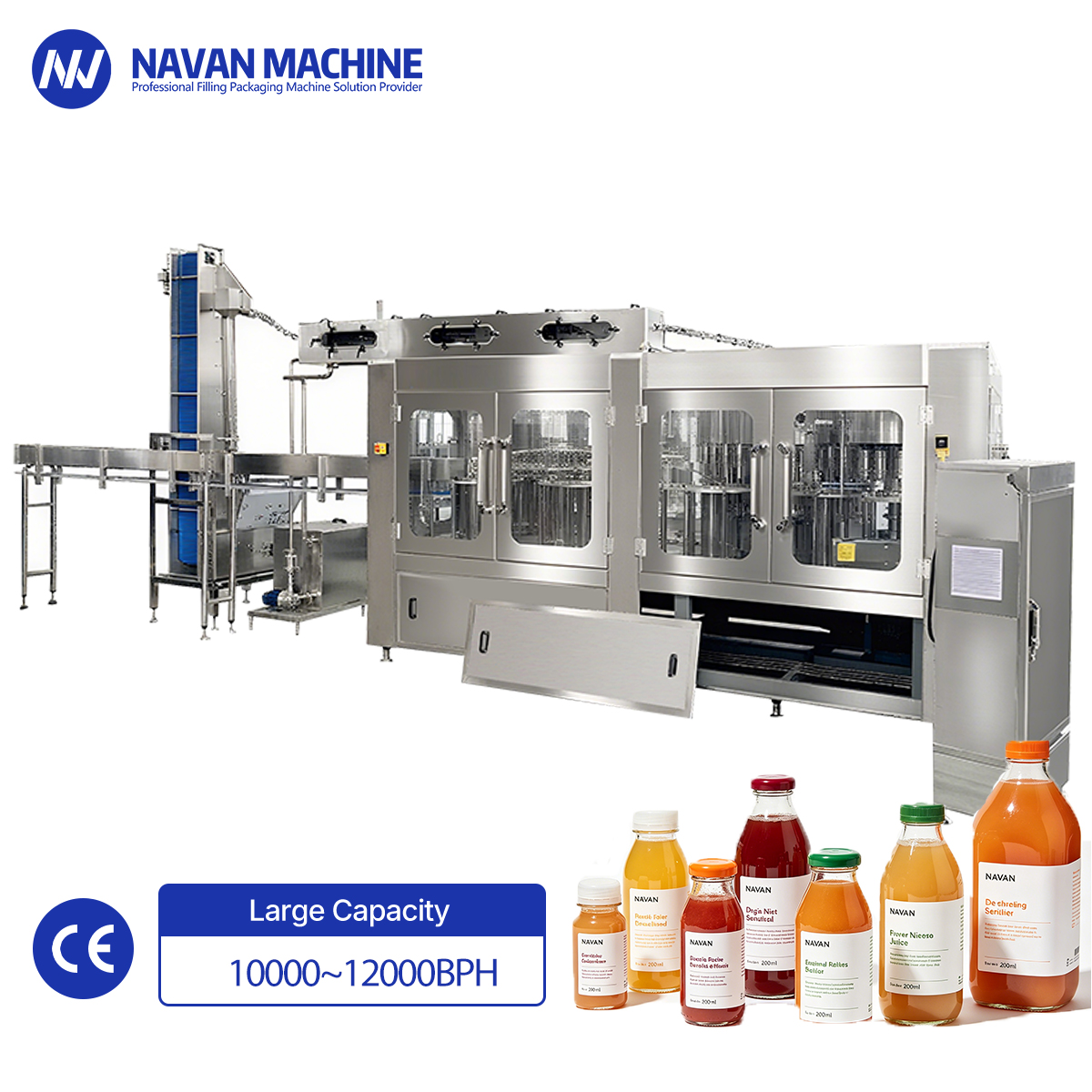
10000-12000 BPH PLC Automatic Fruit Juice Processing Line 24 Filling Heads PET Bottle Liquid Bottling Equipment CE Certified
View Product Details →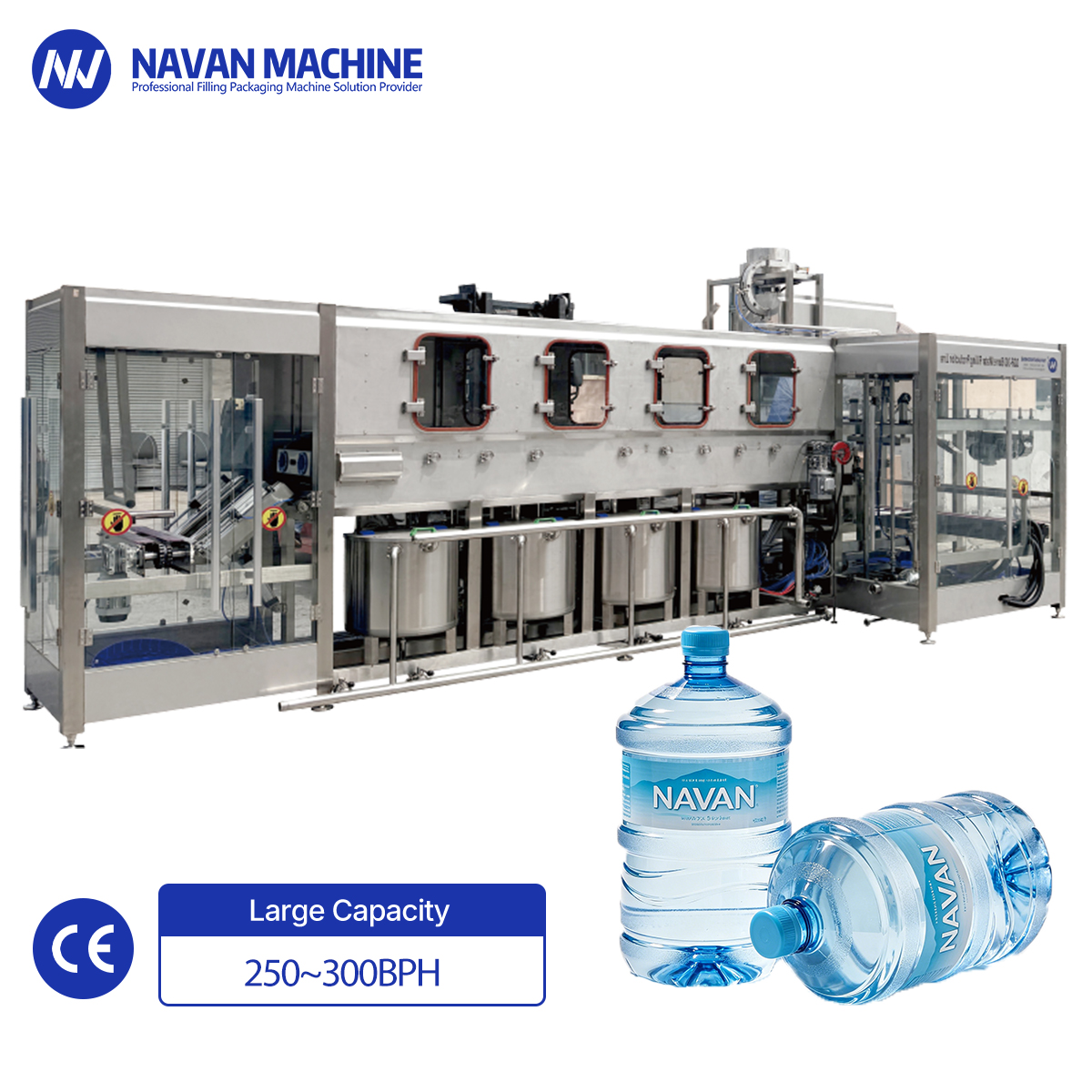
Automatic 5 Gallon Water Filling and Capping Machine QGF-300 250-300BPH 10L-20L Barrel Bottling Line With Conveyor
View Product Details →
NPXZGF24-18-24-6PRO 200ml-2000ml High Productivity Automatic Mechanical PLC-controlled Beer Bottling Line for Plastic Bottles
View Product Details →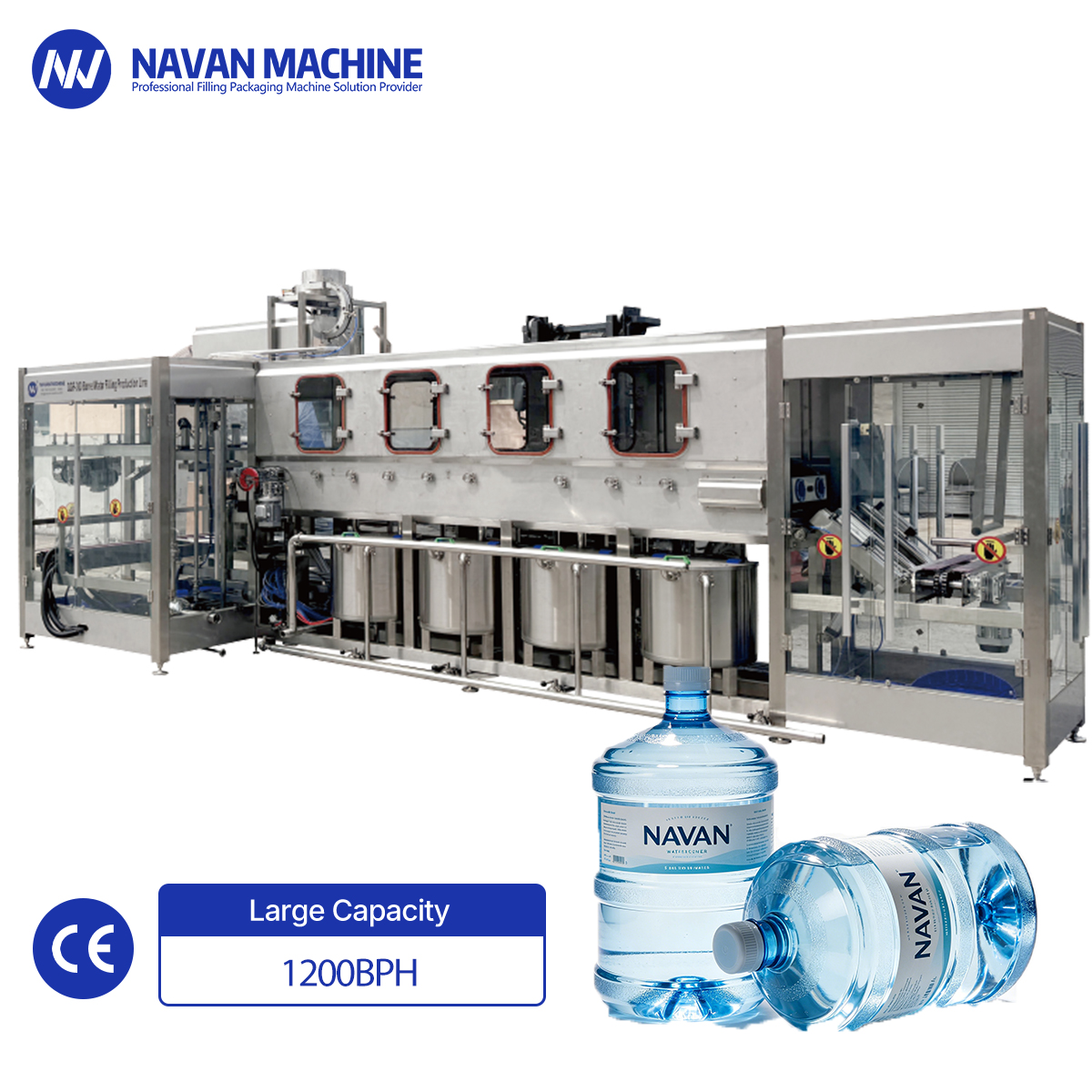
Industrial Automatic 18.9L PET Barrel Water Filling Plant 1200BPH 5 Gallon Rinser Filler Capper PLC Controlled Eco-Friendly
View Product Details →
NAVAN PET Automatic PLC Controlled 6-Cavity Servo Motor PP Plastic Bottle Stretch Blow Moulding Machine with Engine
View Product Details →
Navan XGFD24-24-8 Automatic Carbonated Beverage Filling Machine 200-2000ml Bottle Filling Production Line CE Certified
View Product Details →
Automatic Juice PET Bottle Filling Machine 32 Nozzle 200-2000mL 16000-17000BPH Bottling Equipment
View Product Details →Engineering Fruit Juice Bottling Lines for the Philippine Tropical Climate
The beverage manufacturing landscape in the Philippines is undergoing a rapid transition toward ready-to-drink (RTD) natural fruit juices, driven by surging domestic consumption in Metro Manila, Cebu, and Davao, alongside growing export demand across ASEAN nations. However, operating a high-speed beverage line in the Philippines presents unique engineering challenges. Tropical ambient temperatures regularly exceeding 35°C, high humidity in coastal zones, and specific tropical fruit characteristics—such as the high acidity of Philippine Calamansi (pH 2.0–2.5) and the high viscosity of Carabao Mango pulp—demand purpose-built equipment rather than off-the-shelf machinery.
Critical Information Gain: Why Standard Beverage Fillers Fail in Tropical Climates
Standard ambient filling equipment often results in micro-bacterial contamination and product spoilage due to rapid bacterial multiplication in high tropical heat. To guarantee a 12-month shelf life without chemical preservatives, Chinese manufacturers supplying the Philippine market must engineer 3-in-1 Hot Filling Monoblocks operating at sustained pasteurization temperatures of 85°C to 92°C, complete with thermal vacuum control systems and sanitary SUS316L stainless steel contact pathways.
1. Hot-Filling (85°C–92°C) vs. Thermal Bottle Deformation Control
When filling hot juice into standard lightweight PET bottles, thermal stress causes wall collapse, ovalization, and neck deformation. Advanced Chinese fruit juice bottling machines designed for Philippine plant operators feature precision thermal neck handling. Instead of gripping the bottle body, pneumatic star-wheels transport PET bottles by their neck rings throughout rinsing, filling, and capping. Furthermore, integrated reflux flow valves continuously cycle hot juice back to the Tubular UHT Pasteurizer during line stops, maintaining filling head temperature within ±1°C and preventing cold-juice bottling.
2. Handling Fibrous & Viscous Tropical Juices
Philippine mango nectar, guyabano (soursop) juice, and coconut water containing coconut gel (Nata de Coco) require specialized filling valve mechanics. Standard gravity nozzles clog instantly when handling pulp. Advanced 24-to-32 nozzle juice lines utilize piston-assisted magnetic flowmeter valves or mechanical plunger valves. These valves feature mirror-polished internal channels (Ra < 0.4μm) and oversized orifices, allowing smooth discharge of juice pulps up to 6mm in diameter without clogging or shear degradation.
Tailored Machinery Configurations for Local Philippine Beverage Products
Explore how custom bottling configurations directly solve processing requirements for native Philippine fruit varieties and regional factory settings.
Calamansi Acid-Proof Engineering
Philippine Calamansi is highly acidic. Standard SUS304 steel corrodes over prolonged exposure. Our bottling lines utilize anti-corrosive SUS316L stainless steel for all liquid tanks, filling nozzles, and sanitary pumps, coupled with PTFE acid-resistant seals to ensure a 10+ year machine lifespan.
220V / 60Hz Electrical Customization
Unlike China's standard 380V/50Hz power system, the Philippine industrial grid operates on 220V 60Hz 3-Phase power. All Schneider electrics, Siemens PLCs, Delta VFDs, and main motor drives are custom-wound and tested in our factory to prevent voltage fluctuations and equipment burnouts in local PH plants.
High-Humidity Coastal Protection
Philippine manufacturing plants located in island provinces face severe salt-air oxidation. Our machines feature IP65 stainless steel electric control cabinets, double-sealed mechanical housings, and anti-rust frame coatings to withstand continuous tropical moisture.
Philippine Market Bottling Line Technical Specifications Matrix
Select the right machine capacity based on your plant size, target throughput, and container specifications.
| Capacity Range (BPH) | Recommended Machine Model | Container Specifications | Optimal Fruit Applications | Key Technical Highlights |
|---|---|---|---|---|
| 2,000 - 4,000 BPH | RCGF 14-12-5 Monoblock | PET Bottle (250ml - 1.5L) | Calamansi, RTD Green Tea | Compact footprint, manual preform loader, low power draw (18kW). |
| 6,000 - 8,000 BPH | RCGF 18-18-6 Hot Filler | Heat-Resistant PET / Glass | Mango Nectar, Pineapple Juice | Automated CIP spraying ball, vacuum suction, automatic cap elevator. |
| 10,000 - 12,000 BPH | RCGF 24-24-8 High Speed Line | PET Bottle (350ml - 500ml) | Coconut Water, Citrus Blends | Siemens Touchscreen PLC, automatic neck-gripping starwheel, magnetic capper. |
| 15,000 - 18,000 BPH | RCGF 32-32-10 Industrial Line | Slim PET / Lightweight PET | Mass Market Fruit Juice Brands | Servo-driven high-speed filling valves, automated steam tunnel sleeve labeling. |
Your Trusted Direct Manufacturing Partner in Zhangjiagang, China
Eliminate middleman markups and technical miscommunications. Work directly with certified bottling engineers.
TÜV Rheinland Onsite Verified
Our manufacturing facility, engineering workshops, and management systems are fully audited and verified on-site by TÜV Rheinland, guaranteeing authentic production capacity and legal compliance.
Turnkey Line Layout & CAD Design
Provide us with your factory floor dimensions in the Philippines, and our engineering team will deliver custom 3D factory layouts, electrical wiring diagrams, and piping schematics within 48 hours.
CE Certified & International Standards
All beverage processing units, blow molders, and sleeve labelers comply strictly with European CE safety standards, utilizing world-renowned electrical components from Siemens, Schneider, Omron, and AIRTAC.
Procurement FAQ for Philippine Beverage Manufacturers
Clear, practical answers to common import, tariff, technical, and installation questions from Filipino clients.
How do Form E Certificates reduce tariff costs for Philippine importers?
Under the ASEAN-China Free Trade Area (ACFTA) agreement, Philippine buyers importing fruit juice bottling machinery from China can claim preferential tariff rates (often 0% to 5% import duty instead of standard rates) by requesting a Form E Certificate of Origin. We issue official Form E documents with every machine shipment to help you clear Philippine Customs (BOC) seamlessly at Manila (MICP/POM), Cebu, or Davao ports.
Can the machine operate reliably on 220V 60Hz 3-Phase power in the Philippines?
Yes! We specifically customize the entire electrical system—including the main drive motor, vacuum pumps, CIP pumps, PLC controllers, and frequency converters—to match the Philippine 220V/60Hz 3-phase (or 220V single-phase for smaller blow molders) electrical grid. Every machine undergoes a continuous 72-hour trial run on 60Hz power prior to export.
How is machine installation and technician training handled in the Philippines?
We provide comprehensive installation support. Our senior mechanical and electrical engineers can be dispatched directly to your plant location in Luzon, Visayas, or Mindanao for physical setup, pipeline connection, commissioning, and staff training. Alternatively, we offer complete high-definition video walkthroughs and 24/7 online technical support.
Does your juice filling equipment comply with Philippine FDA standards?
Absolutely. All product-contact components are constructed from food-grade SUS304/SUS316L stainless steel, complete with sanitary tri-clamp fittings, food-grade EPDM/PTFE seals, and automated Clean-In-Place (CIP) recirculation systems. This allows your plant to meet all sanitary guidelines set by the Philippine Food and Drug Administration (FDA PH) for beverage manufacturing license issuance.
What is the delivery time and ocean shipping route from China to Manila/Cebu?
Manufacturing turnaround typically ranges from 30 to 45 days depending on machine automation and custom molds. Ocean freight from Shanghai or Ningbo ports to Manila North/South Harbor takes approximately 5 to 7 days, while direct shipping to Cebu or Davao takes around 8 to 12 days, ensuring fast project execution.
How are spare parts sourced if a component breaks down?
We stock a full range of standardized spare parts (seals, filling nozzles, heating tubes, proximity switches, solenoid valves) and ship spare part kits along with the initial equipment order. Additionally, because we use international brands like Siemens, Schneider, and AIRTAC, standard electrical components can also be sourced locally within the Philippines for emergency maintenance.
Ready to Build Your Turnkey Fruit Juice Bottling Plant?
Contact our senior engineering team today for custom CAD workshop drawings, technical machinery proposals, and factory-direct pricing tailored for the Philippine market.
Get a Quote