Industrial Bottling Equipment Catalog
CE-Certified High-Efficiency Machinery Configured for the East African Beverage Sector



The Mineral Water Manufacturing Landscape in Addis Ababa & Broader Ethiopia
The beverage manufacturing ecosystem within Ethiopia—specifically surrounding the capital Addis Ababa and expanding across the Special Zone of Oromia (including key industrial hubs like Sebeta, Burayu, Dukem, and Akaki-Kality)—is undergoing a massive structural transformation. Driven by rapid urbanization, an expanding middle class, heightening health consciousness, and a surging hospitality sector servicing international bodies such as the African Union (AU) and UNECA, the regional demand for bottled natural mineral water and purified spring water is accelerating at an estimated CAGR exceeding 11.8%.
Establishing a high-efficiency mineral water bottling plant in Addis Ababa requires far more than acquiring standard filling machinery. Plant developers, wholesale distributors, and institutional investors face unique geographical, hydro-chemical, and infrastructural engineering variables. Operating at an elevation of approximately 2,350 meters above sea level, atmospheric pressure in Addis Ababa averages around 77 kPa—roughly 23% lower than sea-level conditions. This physical pressure drop impacts fluid dynamics, volumetric filling precision, preform blowing expansion rates, and thermal shrink-wrapping dynamics. As a premier global manufacturer and wholesaler, Zhangjiagang Osnib Machine Co., Ltd. specializes in custom-engineered turnkey bottling lines built to meet these exact environmental and operational requirements.
High Altitude Hydrodynamics
Sub-atmospheric pressure at 2,350m induces liquid agitation and vacuum variations during gravity filling. Osnib lines utilize positive-pressure assisted filling valves and pressure balance recirculation manifolds to guarantee liquid-level consistency down to ±1mm.
Rift Valley Mineral Profiles
Groundwater sources drawn from subterranean volcanic aquifers in the Ethiopian Rift Valley often possess high Total Dissolved Solids (TDS), elevated silica, fluoride, and iron content. Our pre-treatment setups incorporate specialized DMI-65 catalytic filtration, double-pass Reverse Osmosis (RO), and selective remineralization dosing modules.
Power Grid Voltage Stabilization
To withstand frequency drops and sudden load shedding across the local power distribution network, our filling line control systems feature integrated servo power regulators, isolation transformers, and heavy-duty Siemens/Schneider PLC architectures.
Localized Application Scenarios in the Addis Ababa Market
When establishing a bottling operation within municipal limits or industrial zones like Kilinto or Gelan, plant layouts must adapt to specific commercial formats and supply chain realities. Osnib Machine engineers custom lines tailored to the three predominant product lines consumed across Ethiopia:
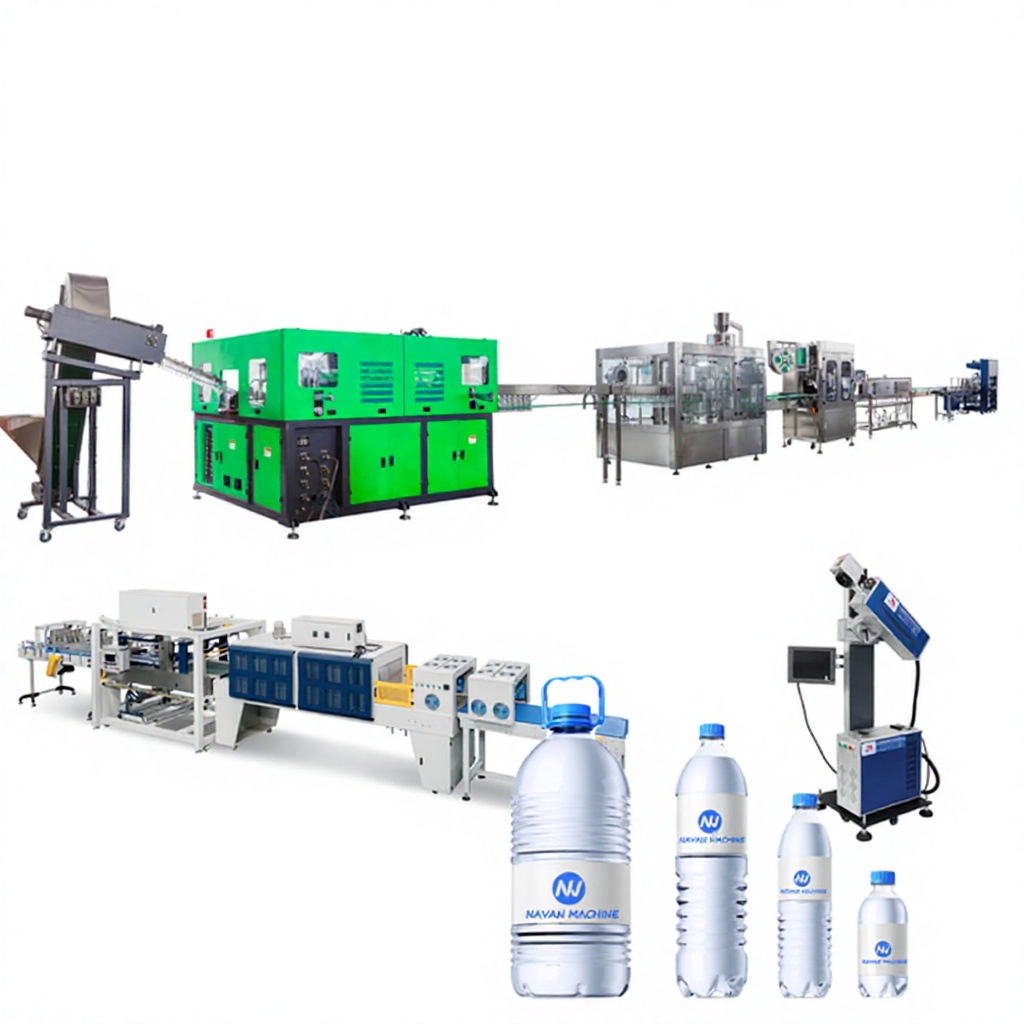
PET Bottled Still Water (350ml, 500ml, 1.5L, 2.0L)
Primary Market Segment: Retail supermarkets, hotel chains, transport hubs, and institutional catering across Addis Ababa.
Recommended Configuration: High-speed integrated Blow-Rinse-Fill-Cap 3-in-1 Monoblock (XGF Series) operating from 6,000 to 36,000 BPH. Coupled with OPP Hot-Melt Labeling and Automatic PE Film Shrink Wrappers for durable bundle packaging suited for long-distance transport over unpaved secondary roads.
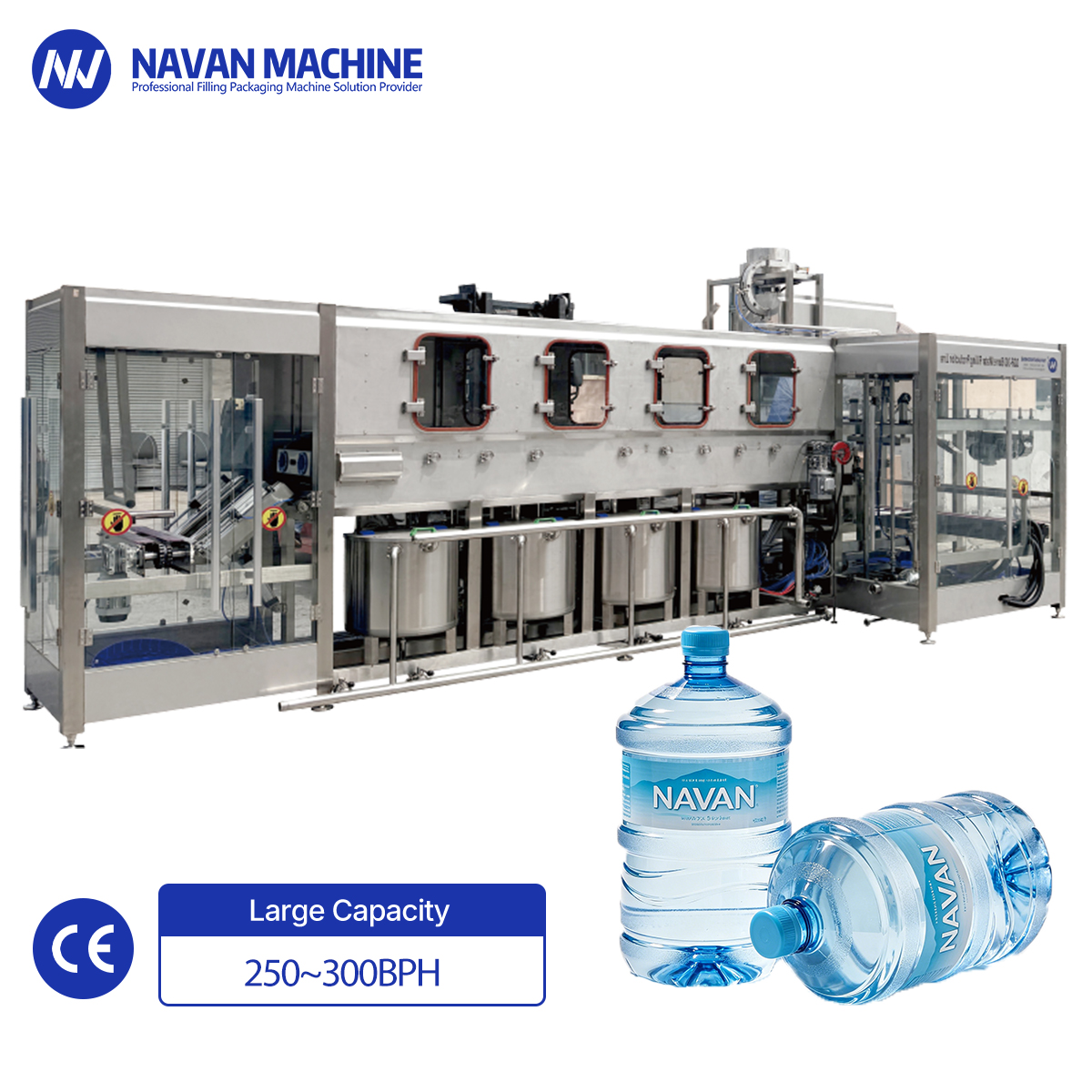
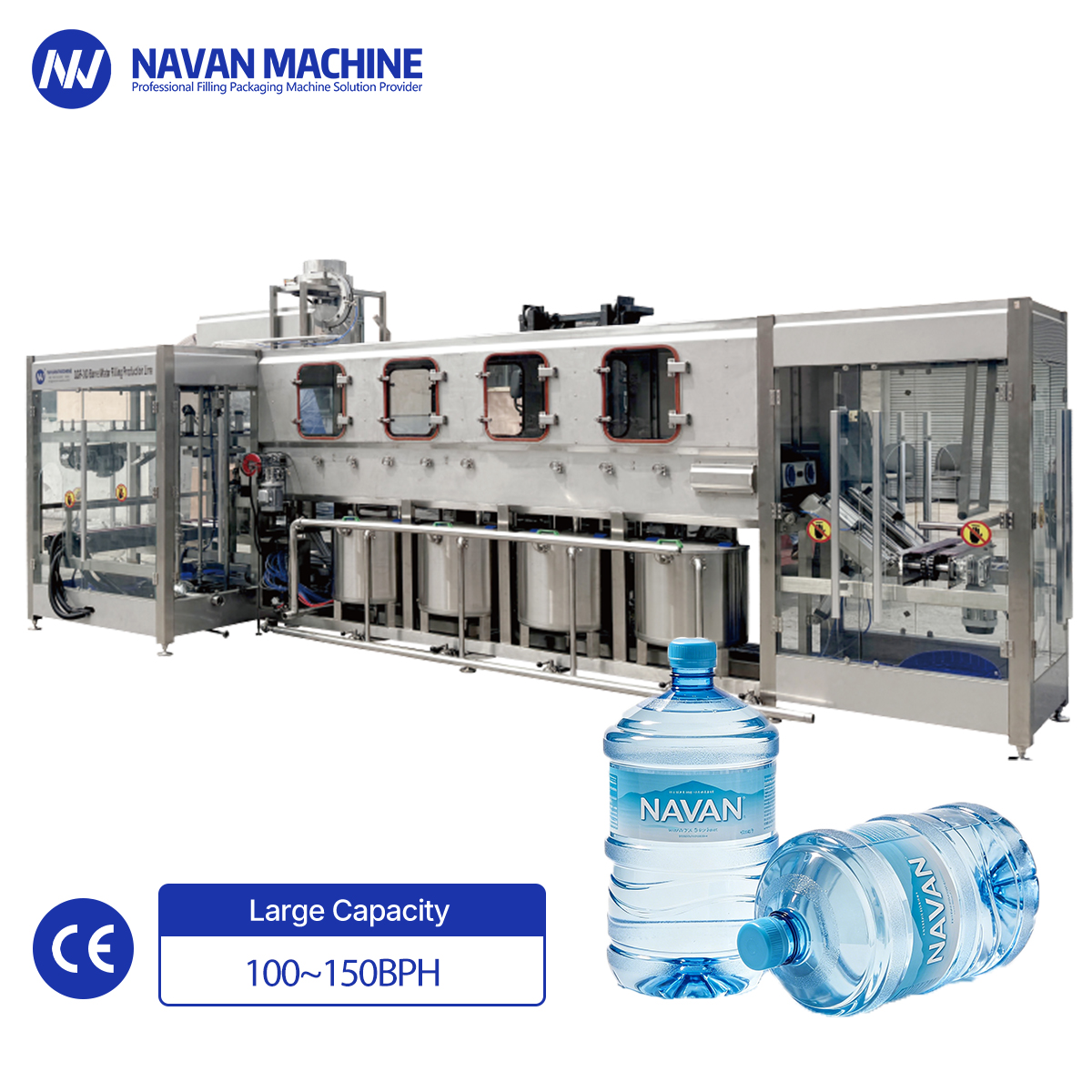
5-Gallon (18.9L) Refillable Barrels & 10L-20L Large Containers
Primary Market Segment: Corporate offices, diplomatic missions, residential complexes, and educational institutions in Bole, Kazanchis, and Old Airport districts.
Recommended Configuration: Fully automatic linear QGF-300 to QGF-1200 barrel washing, filling, and capping lines. Featuring multi-stage alkaline cleaning, acid washing, ozone-water rinsing, internal/external high-pressure barrel scrubbing, and automatic cap de-heading.
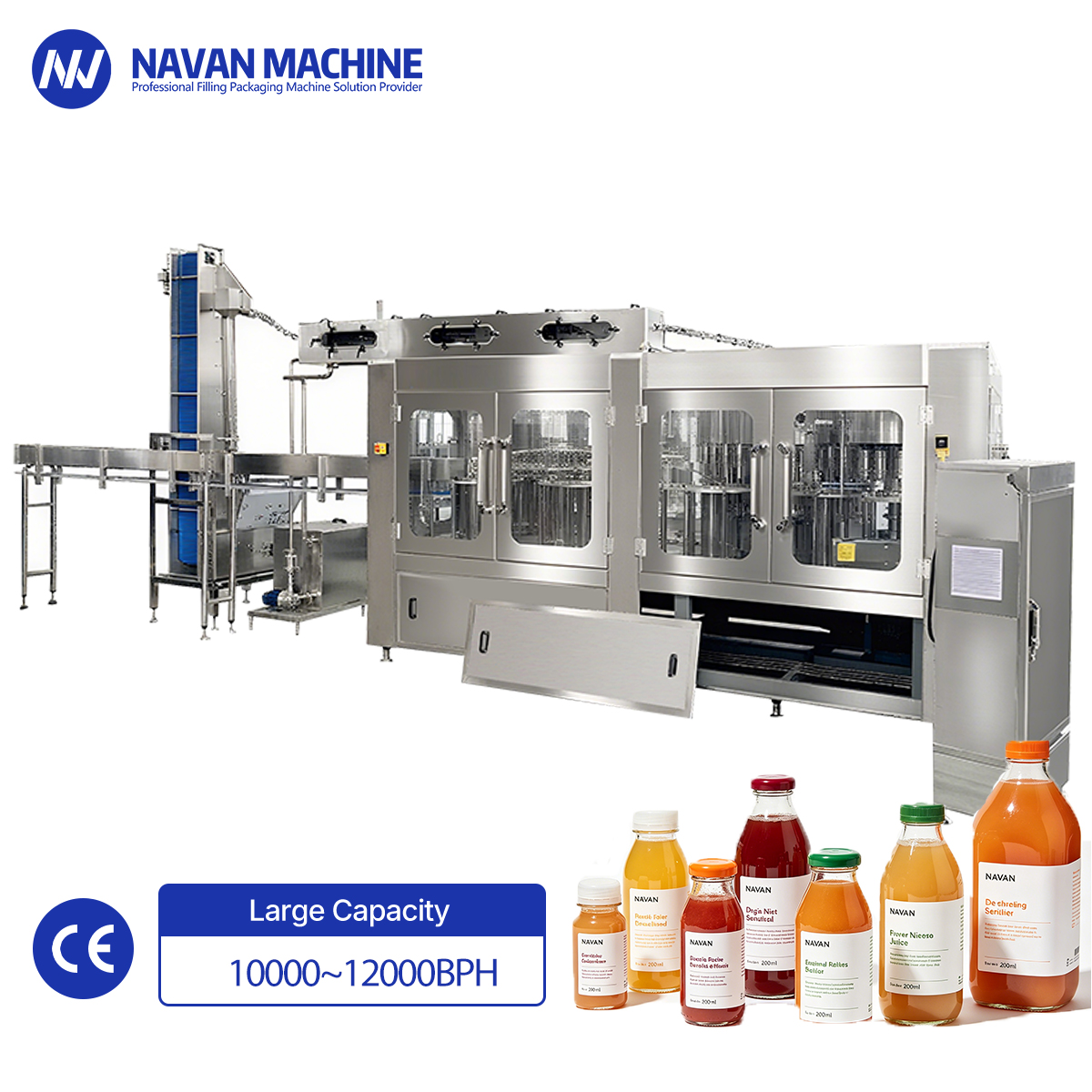
CSD & Sparkling Mineral Water Lines
Primary Market Segment: Premium hospitality, leisure venues, and urban consumer markets demanding carbonated mineral soft drinks or sparkling spring water.
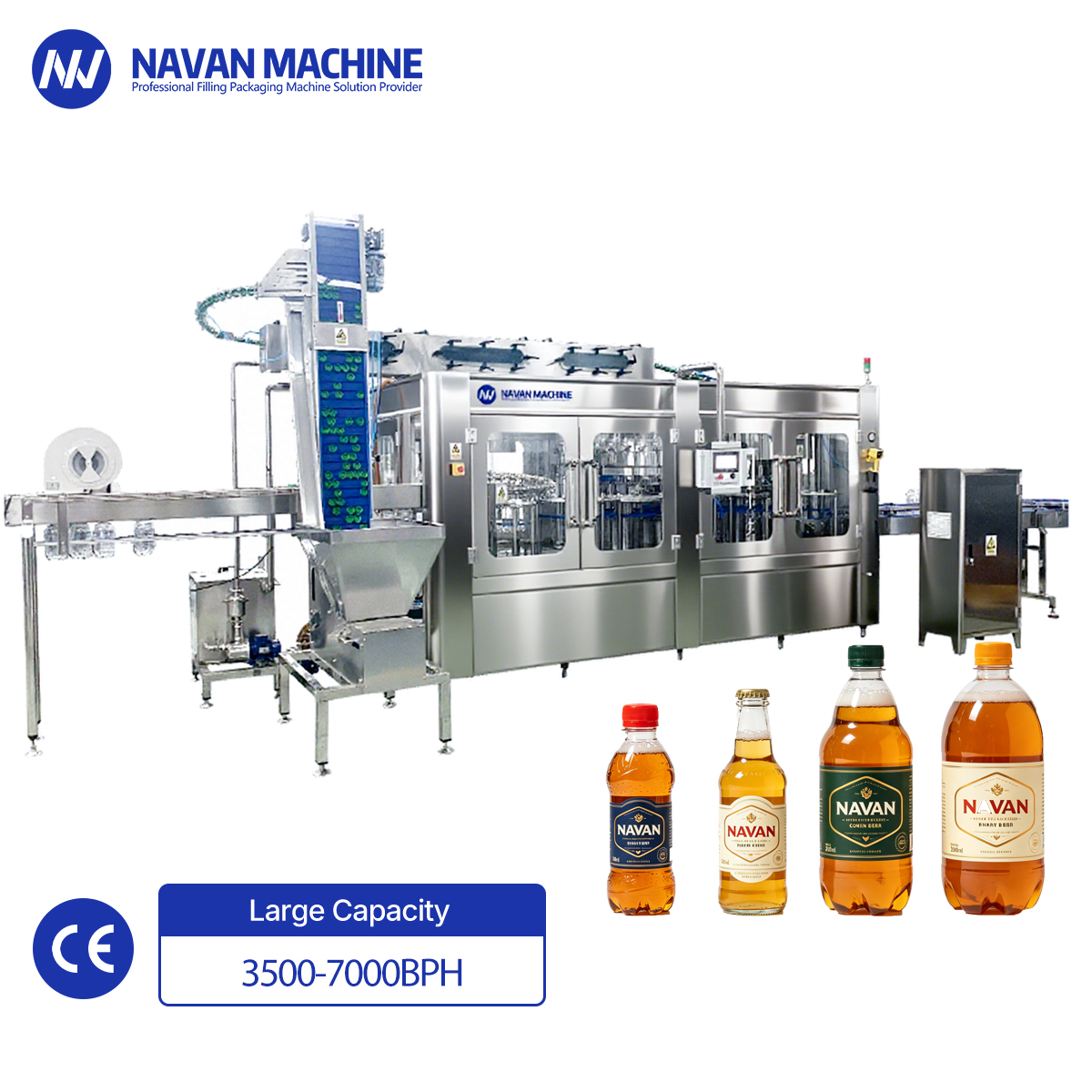
Recommended Configuration: Isobaric (counter-pressure) XGFD series filling monoblocks integrated with automated CO2 precision mixers, vacuum deaerators, and chilled carbonation tanks to prevent foaming at high altitudes.
Engineering Benchmarks: Selecting the Ideal Line Capacity
To provide actionable value for procurement directors, investors, and beverage factory managers, the technical matrix below outlines operational benchmarks across our core bottling line capacities configured for the Ethiopian market:
| Production Line Model | Target Output (500ml PET) | Water Treatment Requirements | Blowing Cavities / Power | Factory Footprint Needed | Recommended Application |
|---|---|---|---|---|---|
| Osnib Small-Scale Line | 2,000 – 4,000 BPH | 2 T/H RO System + UV Sterilizer | 2-Cavity Linear / ~35 kW | 400 m² – 600 m² | Start-up bottled water plants in regional towns (Hawassa, Adama, Mekelle). |
| Osnib Mid-Scale Line | 8,000 – 12,000 BPH | 6 T/H Double-Pass RO + Ozone | 4/6-Cavity Rotary Servo / ~85 kW | 1,000 m² – 1,500 m² | Established commercial wholesalers competing in Addis Ababa retail zones. |
| Osnib High-Speed Line | 24,000 – 36,000 BPH | 15-20 T/H Ultrafiltration + RO | High-Speed Rotary Blow Mold / ~180 kW | 2,500 m² – 4,000 m² | Tier-1 industrial beverage conglomerates & nationwide brand owners. |
| Osnib 5-Gallon Line (QGF-600) | 600 Barrels / Hour | 3 T/H Ozonated Pure Water Line | N/A (Pre-formed PC/PET Barrels) | 500 m² – 800 m² | Bulk home/office delivery (HOD) suppliers across suburban Addis Ababa. |
Market Trends & Strategic Procurement Guidance for Ethiopia
Navigating the beverage industry in Ethiopia requires an understanding of localized macro-economic trends and technical shift requirements:
1. Lightweight PET Preforms & Cap Neck Finish Standardization: Due to fluctuating raw material prices for imported virgin PET resin (typically sourced via Djibouti Port), Ethiopian bottlers are aggressively transitioning from heavy preforms to lightweight alternatives. Moving from standard 28mm PCO 1810 neck finishes to lightweight PCO 1881 or 29/25 finishes saves up to 1.5g–2.5g of PET per bottle. Osnib’s blow molding machines and capping chucks are precisely engineered to handle ultra-lightweight preforms without neck deformation during high-pressure blowing or capping.
2. Shift from Paper Labels to OPP Hot-Melt & Shrink Sleeves: In humid or high-dust microclimates, traditional cold-glue paper labeling suffers from adhesive breakdown during transit. Hot-melt OPP (Oriented Polypropylene) roll-fed labeling has become the industry benchmark for round PET bottles, reducing label costs by up to 40% compared to self-adhesive stickers while drastically improving shelf aesthetic appeal.
3. Turnkey Single-Source Accountability: Interfacing blow molders from one supplier, filling machines from a second, and labeling lines from a third creates communication friction, unmatched conveyor speeds, and disputed warranty claims. Osnib Machine eliminates this risk by supplying unified turnkey projects—from initial water analysis and bottle structural design to line installation, testing, and operator training.
Why Partner with Zhangjiagang Osnib Machine Co., Ltd.?
Headquartered in the premier packaging machinery industrial hub of Zhangjiagang City, China, Zhangjiagang Osnib Machine Co., Ltd. stands as an integrated manufacturer and international trading power. We bring over 15 years of practical engineering expertise to the liquid packaging field.
Direct Factory & TÜV Rheinland Verified
We are an authentic manufacturer with onsite supplier assessment certification by TÜV Rheinland. When you work with Osnib, you deal directly with the engineering team building your machinery—guaranteeing custom modifications, transparent OEM/ODM pricing, and strict QA/QC testing prior to dispatch.
CE Certified & Global Compliance
All core filling, blow molding, labeling, and palletizing equipment carry European CE certification. Our manufacturing strictly conforms to ISO9001 quality management standards, utilizing food-grade Stainless Steel 316L for all fluid contact surfaces and SS304 for structural frames.
Regional East Africa Service Support Hub
Understanding the critical importance of localized after-sales service, Osnib Machine operates a dedicated Africa Regional Branch located in Kigali, Rwanda, alongside our Russia regional office. We maintain localized field service engineers capable of deploying to Addis Ababa for on-site commissioning, preventative maintenance, and immediate operator training.
Frequently Asked Questions by Local Bottlers in Addis Ababa
Get straight, expert answers to key operational, financial, and technical queries regarding mineral water plant machinery procurement in Ethiopia.
How does Osnib Machine adjust filling lines for Addis Ababa's 2,350m elevation?
What international trade and payment terms do you accept for Ethiopian importers?
Can Osnib handle full water treatment for high-silica or high-fluoride aquifers in the Rift Valley?
What is the lead time for equipment manufacturing, shipping, and local installation?
Do you provide custom bottle shape design and preform/label engineering?
What is the Minimum Order Quantity (MOQ) and warranty terms?
Ready to Launch or Expand Your Mineral Water Plant?
Contact our engineering consultants today to receive a customized plant layout drawing, a detailed technical proposal, and a competitive factory-direct price quote for the Addis Ababa market.
