High-Efficiency Export Production Lines for Tanzanian Industrial Bottlers
Engineered for high-volume operational reliability, thermal stability under East African climates, and minimum label consumption cost.
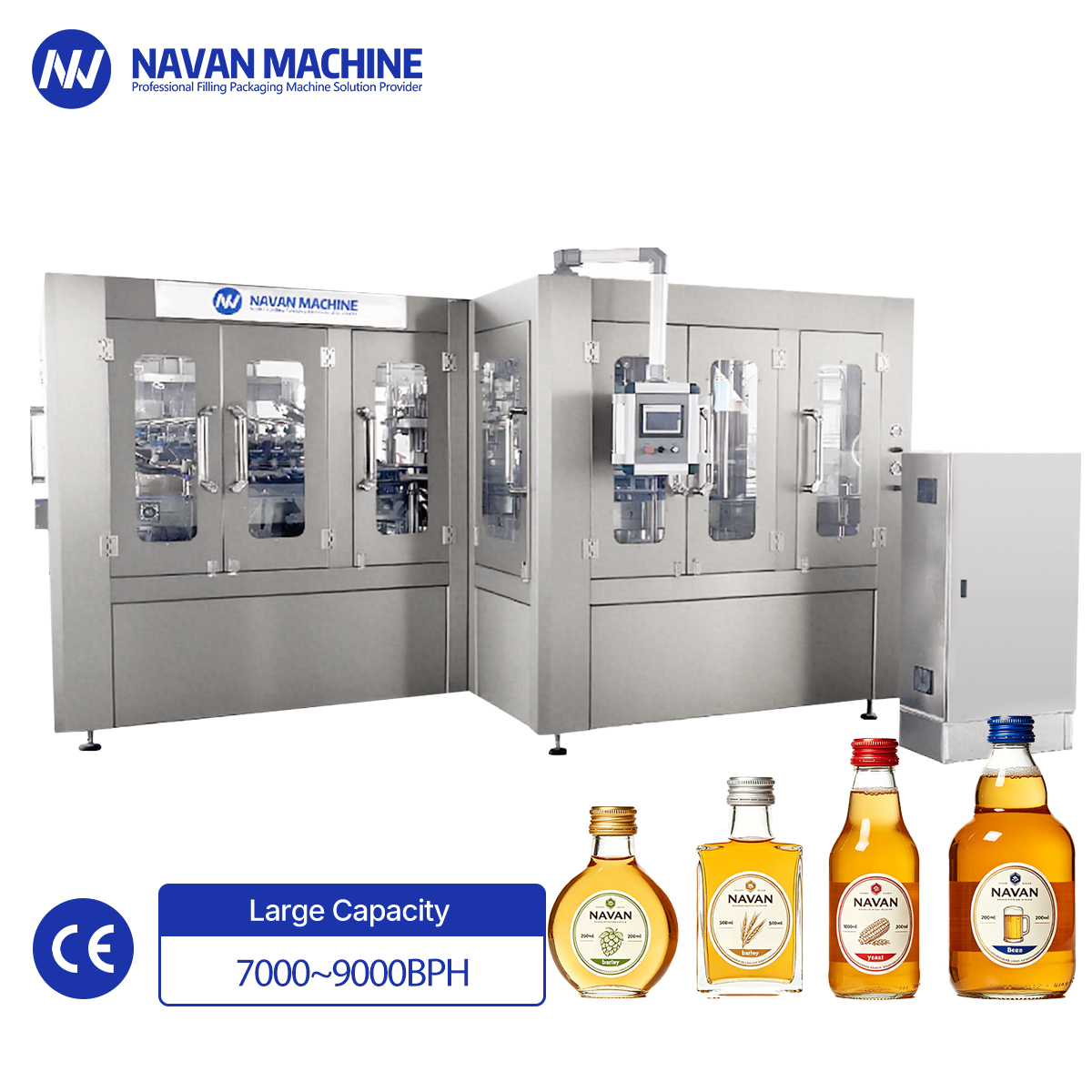
7000-9000BPH Automatic Isobaric Beer Filling Machine 32 Nozzle Glass Bottle Line

Industrial XGFD40-40-10 PLC Automatic Carbonated Drink Filling Machine (200-2000ml)

Automatic PET Bottle Beer Filling Capping Machine 1500-22000BPH Beverage Line

NAVAN PET Automatic PLC Controlled 6-Cavity Servo Motor PP Plastic Blow Moulding Machine

Navan 200ml-2000ml Fully Automatic PET Bottle Beer Bottling Unit Mechanical PLC
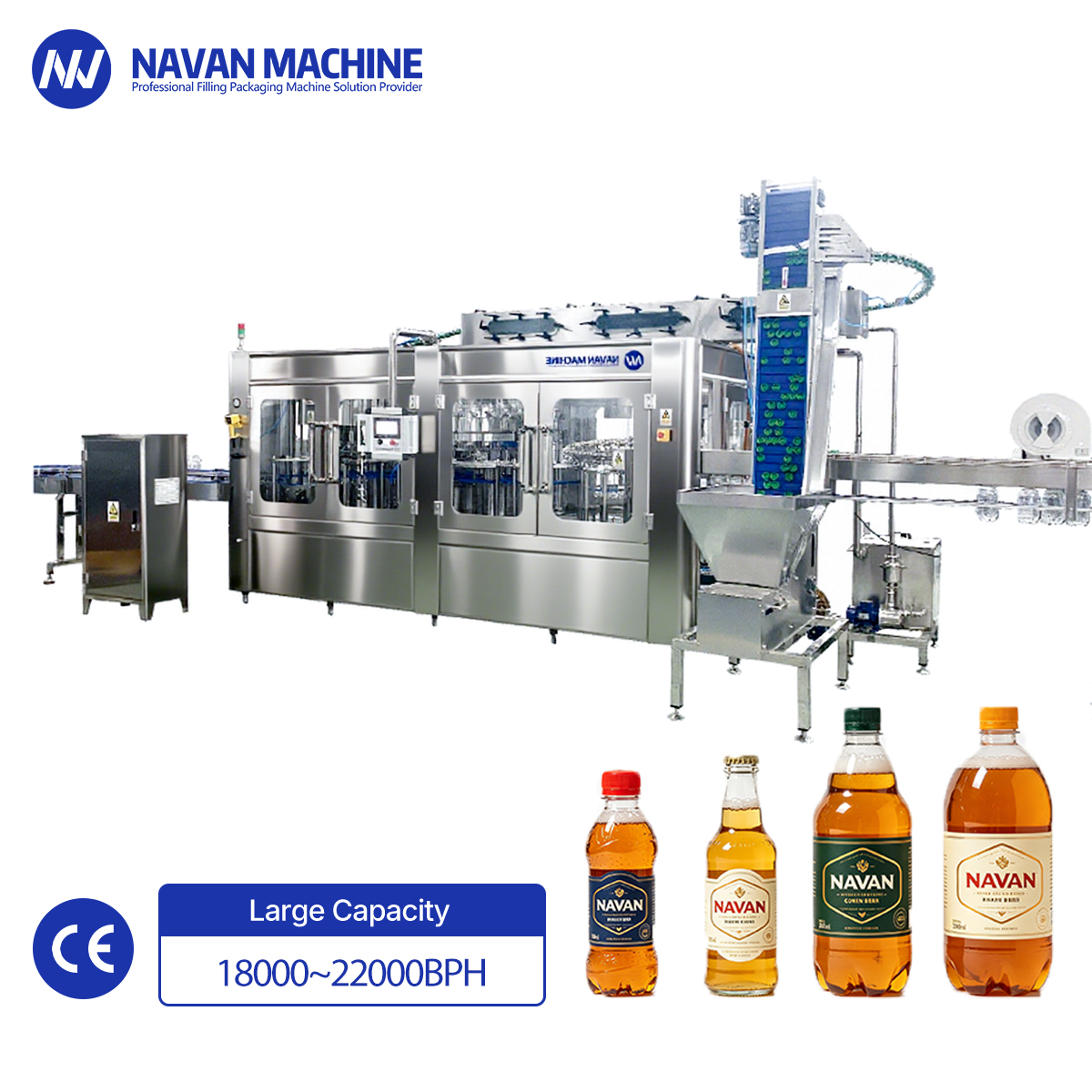
Fully Automatic PLC Controlled Mechanical PET Bottle Beer Bottling Line (Isobaric)
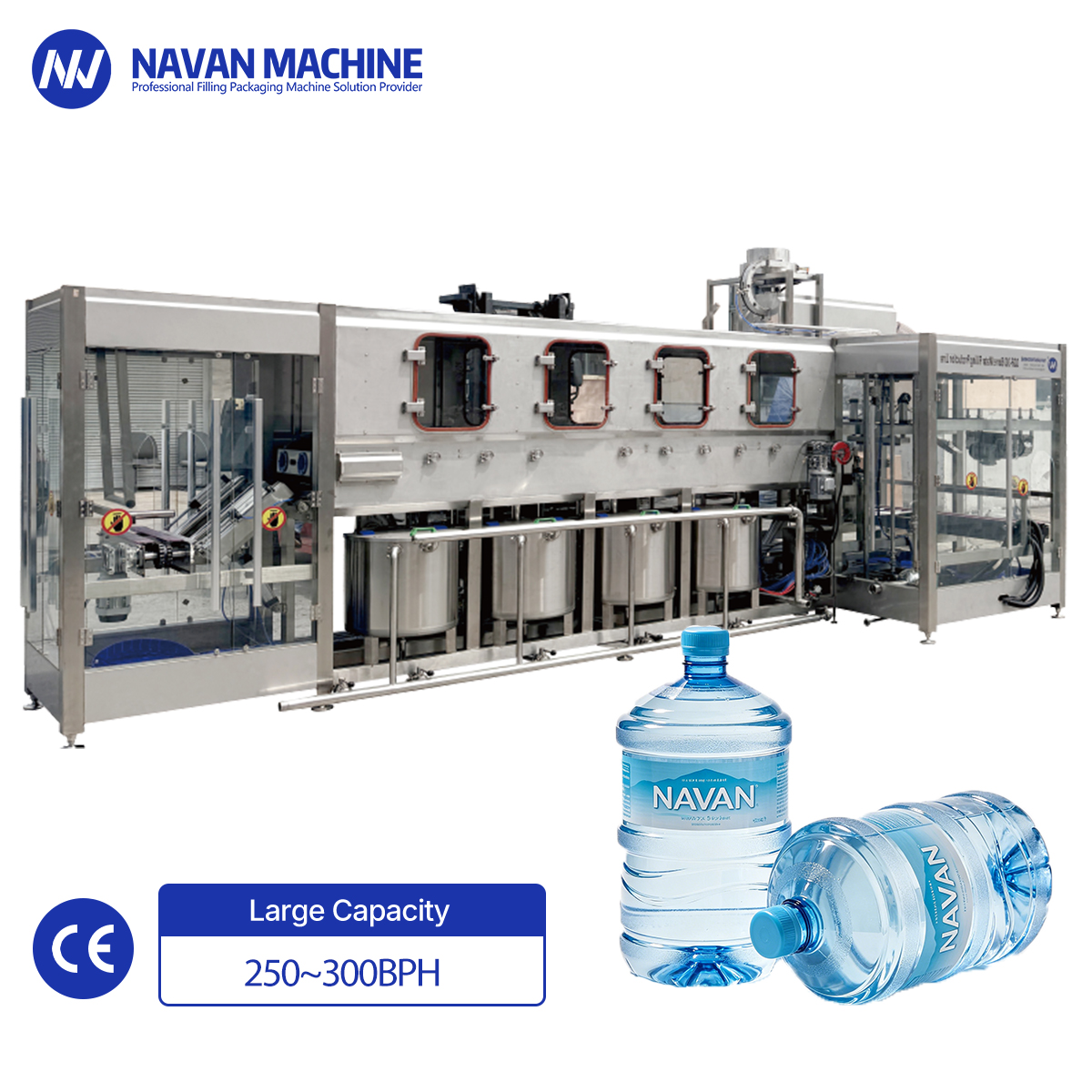
Automatic 5 Gallon Water Filling and Capping Machine QGF-300 250-300BPH Line
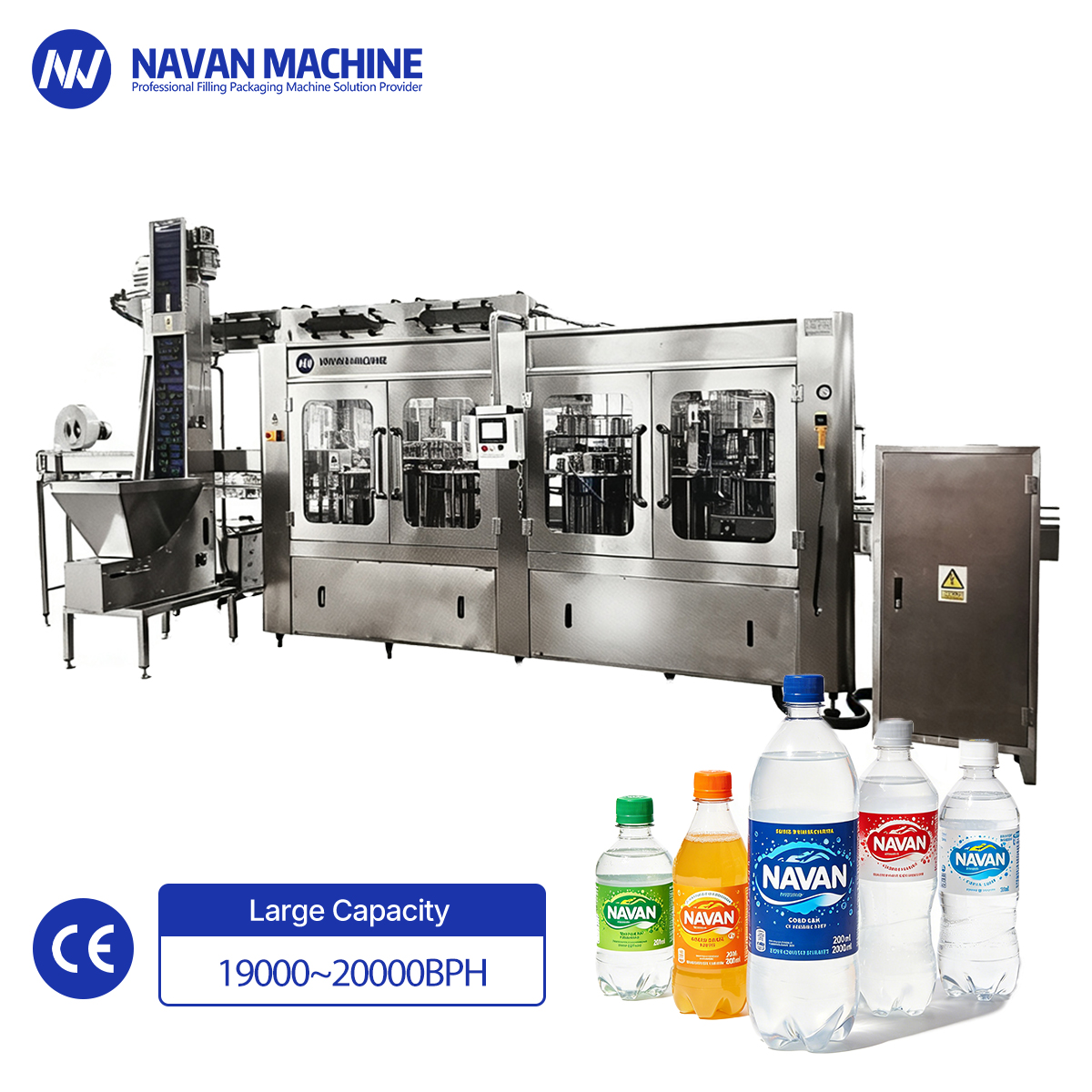
High Efficiency Navan XGFD50-50-12 Automatic Carbonated Beverage Filling Machine
Tanzanian Beverage Expansion & The Shift Toward Hot-Melt OPP Labeling Technology
Why bottling facility managers in Dar es Salaam, Mwanza, Arusha, and Dodoma are replacing traditional self-adhesive and sleeve labels with high-speed roll-fed OPP hot-melt machinery.
Dramatic Reduction in Packaging Overhead
Oriented Polypropylene (OPP) film supplied in roll format eliminates costly backing paper waste. Tanzanian plant managers save up to 40% to 60% in consumable costs per 1,000 PET bottles compared to shrink sleeves or paper labels, drastically shortening equipment payback periods.
Strict TBS & EAC Packaging Compliance
The Tanzania Bureau of Standards (TBS) demands clear batch printing, barcode readability, and secure adhesive bonding under humid conditions. Hot-melt OPP labeling ensures 360-degree seamless wrap-around branding that withstands transport across unpaved roads and long-distance logistics.
Heat & Humidity Resilience
Tanzania’s coastal humidity in Dar es Salaam and high ambient temperatures require adhesive thermal control. Osnib’s specialized glue tanks feature dual-zone temperature control to prevent adhesive degradation, nozzle clogging, or label flagging under tropical environmental stress.
Localized Application Scenarios Across Tanzania’s Industrial Hubs
From fast-moving consumer mineral water plants to traditional spirits and carbonated soft drink lines, Osnib OPP machinery adapts to local grid stability and production environments.
Dar es Salaam Coastal Bottling Works
In high-humidity coastal zones, condensation on cold-filled PET mineral water bottles frequently causes paper labels to wrinkle or detach. Osnib OPP roll-fed labelers apply hydrophobic OPP plastic film with quick-curing hot-melt glue to guarantee zero edge lifting even on wet bottle surfaces.
Arusha & Northern Zone Juice Operations
Processing local mango, passion fruit, and tropical fruit juices requires rigid quality control. Our hot-melt OPP labeling machines seamlessly handle multi-spec PET bottle profiles (from 350ml personal sizes to 1.5L family bottles) with quick-changeover rotary turrets under 15 minutes.
Lake Zone (Mwanza) CSD & Spirits Production
Industrial bottling facilities around Mwanza and Lake Victoria demand stable high-output labeling for carbonated soft drinks and regional liquor products. Integrated optical sensors synchronize cutting blades to precise color-marks, maintaining ±0.5mm labeling accuracy at speeds up to 22,000 BPH.
Comparative Deep-Dive: OPP Hot-Melt vs. Alternative Labeling Systems
Evaluate machine specifications, operational power requirements, consumables, and throughput for informed capital expenditure planning.
| Evaluation Parameter | Roll-Fed OPP Hot-Melt Labeler | Automatic Shrink Sleeve Labeler | Self-Adhesive Sticker Labeler |
|---|---|---|---|
| Primary Label Consumable | OPP Plastic Film Roll (BOPP/PE) | PVC / PETG Heat Shrink Sleeve | Pressure-Sensitive Sticker on Backing Paper |
| Consumable Cost / 1,000 Bottles | Lowest ($1.20 - $2.50) | High ($4.50 - $8.00) | Highest ($6.00 - $12.00) |
| Target Operational Speed | 6,000 - 24,000 BPH | 3,000 - 15,000 BPH | 2,000 - 9,000 BPH |
| Adhesive Mechanism | Thermoplastic Hot-Melt Glue Roller | No Glue (Steam/Electric Shrink Tunnel) | Pre-Applied Acrylic Pressure Adhesive |
| Tanzania Power Grid Compatibility | 380V/400V 50Hz 3-Phase (Surge Protected) | High Power Consumption (Steam Generator) | Standard 220V/380V 50Hz |
| Bottle Shape Flexibility | Cylindrical Round, Slightly Tapered PET/Glass | Complex Contoured, Square, Curved PET | Flat, Oval, Round Glass or PET Containers |
Zhangjiagang Osnib Machine Co., Ltd. — Your Direct Factory Partner
Located in Zhangjiagang City, China's premier beverage machinery engineering hub, Osnib Machine operates a fully integrated R&D facility, machine shop, and assembly floor tested and verified on-site by TÜV Rheinland.
We provide full turnkey packaging lines, from industrial reverse osmosis water treatment units and PET stretch blow molders to high-speed liquid fillers, OPP labeling systems, and automatic robotic palletizers.
- Regional Technical Support: Dedicated Africa Branch Office located in Kigali, Rwanda, providing prompt technician dispatch for East African installation, commissioning, and staff training.
- International Certification: Full CE certification across filling, blow molding, labeling, and palletizing machinery, adhering to strict ISO manufacturing standards.
- Custom Voltage & Frequency: Electrical panels customized to 400V/380V 50Hz with Schneider/Siemens electrical protection to endure local grid fluctuations in Tanzania.

Frequently Asked Questions by Tanzanian Plant Engineers & Importers
Addressing crucial technical questions, customs logistics, shipping to Dar es Salaam Port, and operational maintenance.
Why choose a hot-melt OPP roll-fed labeling machine over a shrink sleeve machine for bottled water plants in Tanzania?
Hot-melt OPP roll-fed labelers offer significantly lower per-unit labeling costs. Roll-fed OPP labels cost roughly 40-60% less than pre-cut PVC heat-shrink sleeves. Furthermore, OPP labelers do not require energy-intensive electrical or steam shrink tunnels, reducing factory electricity bills—a critical factor for plants operating in East Africa where power costs impact profit margins.
What is the lead time and shipping process to Dar es Salaam Port?
Manufacturing and factory testing typically take 30 to 45 days upon specification approval and deposit receipt. Ocean transit from Shanghai/Ningbo Port to Dar es Salaam Port generally ranges between 22 to 30 days. We provide full export documentation including Clean Report of Findings (CRF) / PVoC (Pre-Export Verification of Conformity) certificates required by Tanzania Revenue Authority (TRA) and TBS.
How does Osnib handle power supply adaptations for Tanzania’s electrical grid?
Standard industrial electricity in Tanzania operates at 400V 50Hz 3-Phase (with 230V single phase). We configure the main motor drives, glue tank heating elements, PLC transformers, and servo systems specifically for 380V-415V 50Hz networks, building in phase-failure protection relays and surge suppressors to guard against voltage instability.
Can a single OPP labeling machine handle multiple PET bottle dimensions?
Yes. Osnib OPP labelers feature quick-release starwheels and height-adjustable rotary turrets. A single machine can process bottle volumes ranging from 350ml up to 2000ml (2.0 Liters). Swapping format parts for different bottle diameters takes an experienced technician less than 20 minutes.
What on-site installation and field engineer support do you provide in East Africa?
Through our regional Africa Branch Office in Kigali, Rwanda, our qualified service engineers can be dispatched directly to your facility in Tanzania (Dar es Salaam, Arusha, Mwanza, etc.) for mechanical line installation, wiring, glue system calibration, and comprehensive local operator training.
How is glue consumption managed on Osnib hot-melt OPP labelers?
Osnib OPP labeling machines use an optimized dual-drum hot-melt adhesive application system that only applies glue to the leading and trailing edges of the label. This cuts hot-melt adhesive consumption to as little as 0.08 grams per bottle, keeping glue spending minimal and preventing excess glue buildup on conveyors.
Upgrade Your Tanzanian Bottling Plant With Industry-Leading OPP Machinery
Consult with Osnib's senior packaging engineers today to receive a complete plant layout drawing, custom bottle label consultation, and an accurate CIF Dar es Salaam price quote within 24 hours.
