Featured Packaging & Filling Machinery for Lagos Enterprise
Sourced from Zhangjiagang Osnib Machine Co., Ltd. — TÜV Rheinland Verified & CE Certified Equipment configured for high ambient temperatures and viscous food processing.

34000~36000BPH Automatic PLC Controlled Liquid & Beverage Filling Line

Industrial XGFD40-40-10 PLC Controlled Automatic Bottle Filling Machine

Complete Glass & PET Bottle Liquid Production Line XPXGF24-24-8 Mechanical

Automatic 10-20L Barrel Container Washing Filling Capping Machine Line
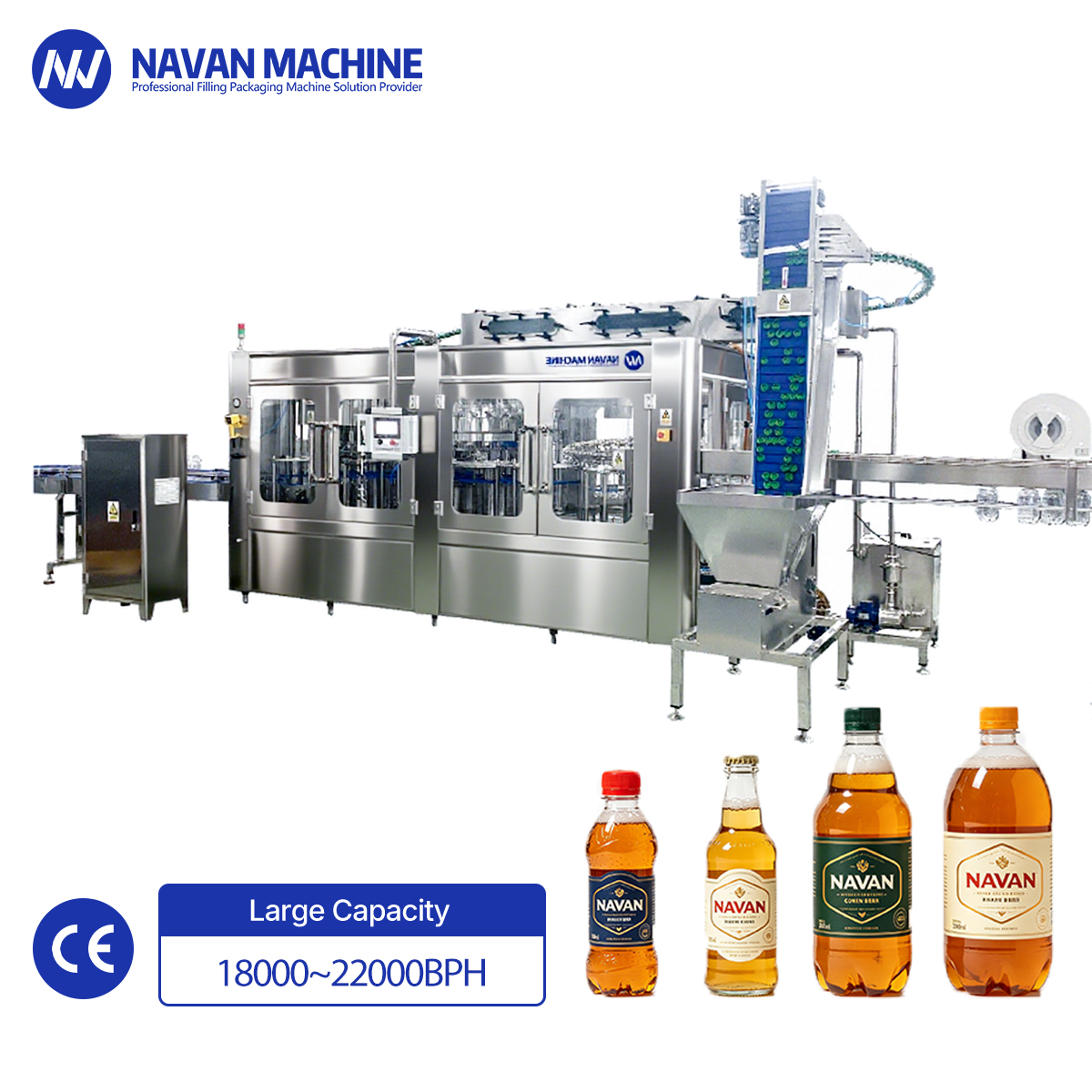
Fully Automatic PLC Controlled Mechanical PET Bottle Bottling Line CE Certified
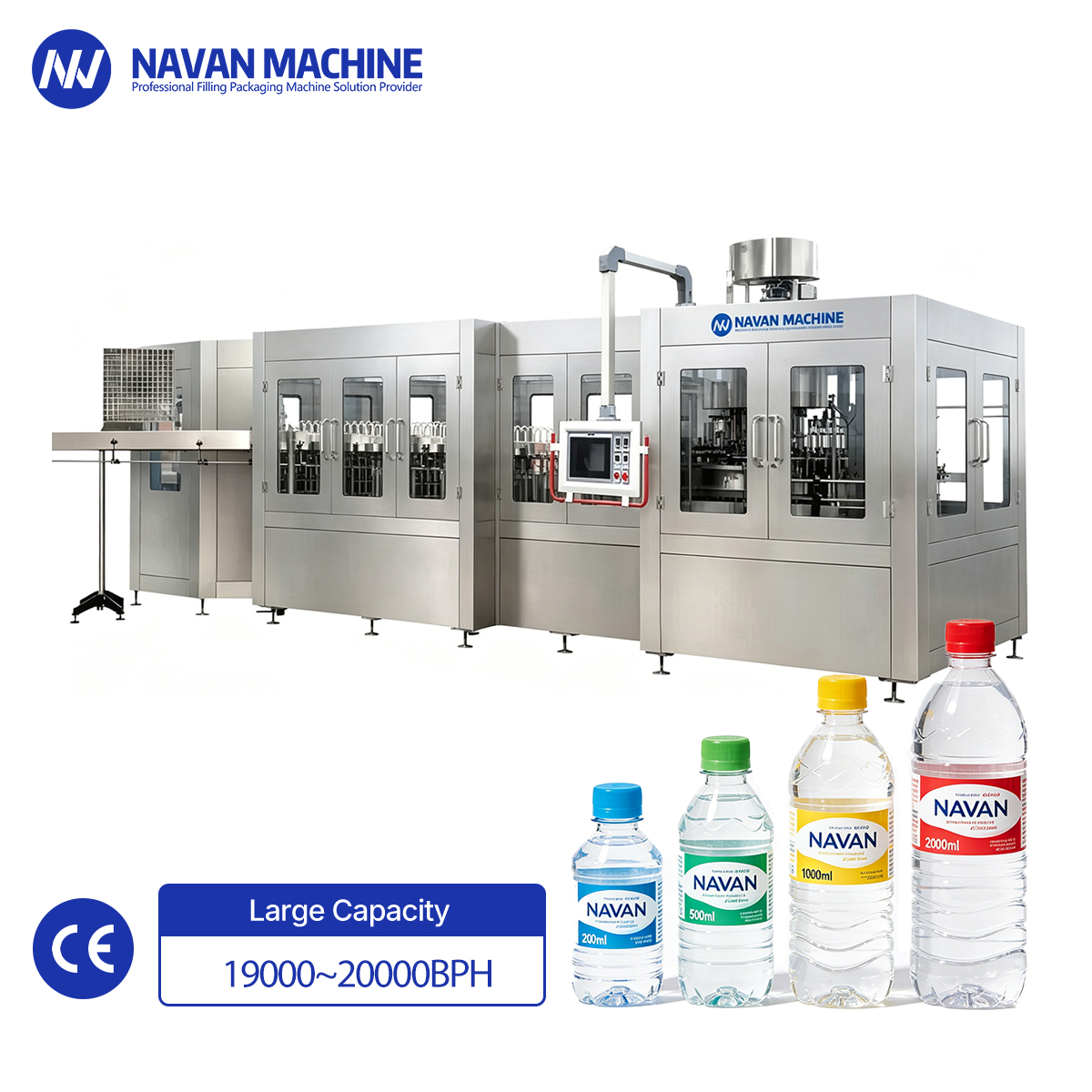
High Capacity PET Beverage & Liquid Bottling Line XGF40-40-12 Auto Machinery

Automatic Aluminum & Tin Can Filler Seamer 4000BPH High Precision Touch Screen
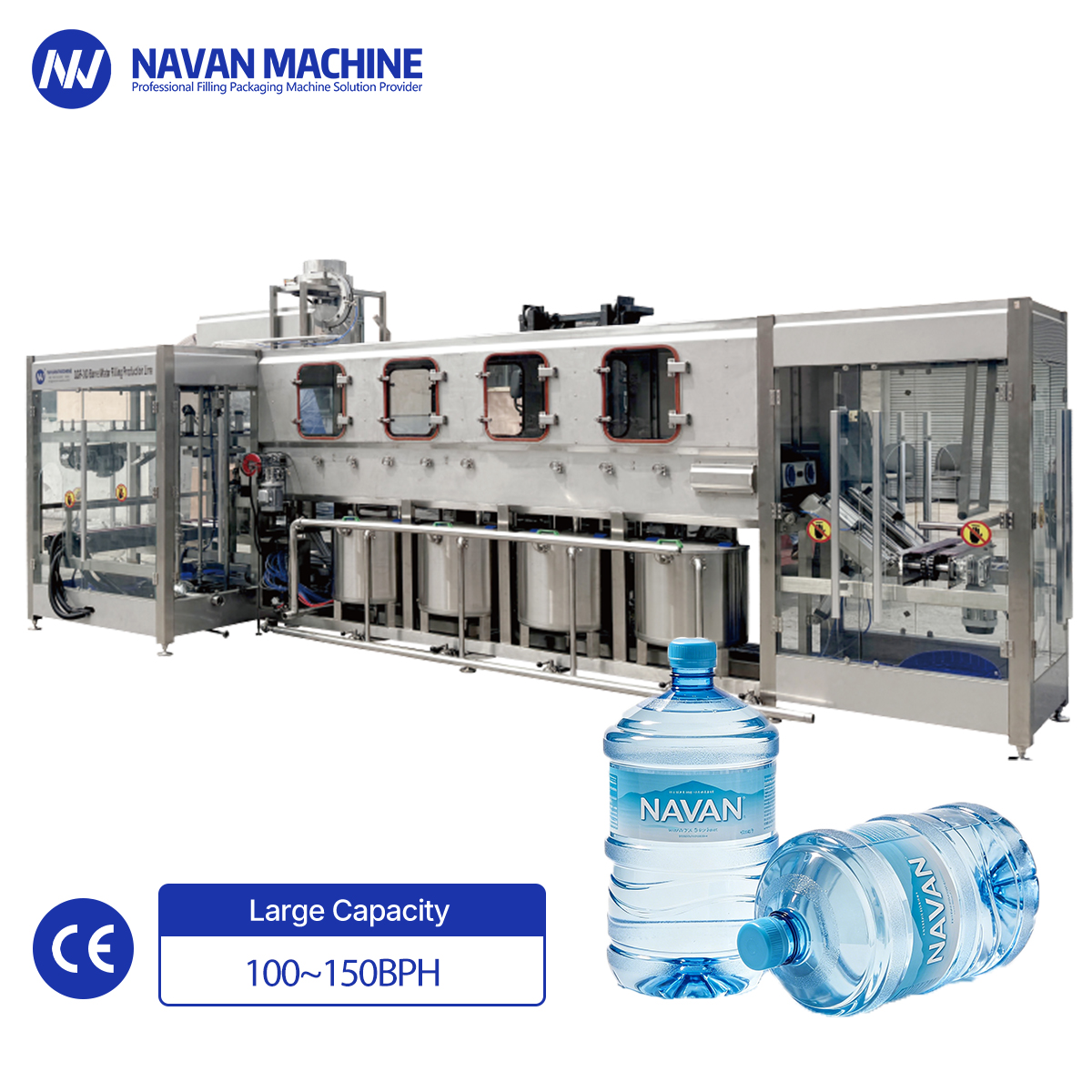
High Efficiency Automatic 5-Gallon Barrel Washing Filling Capping Machinery
Navigating the Sauce Packaging Revolution in Lagos & Broader Nigeria
How rapid urbanization, shifts in consumer purchasing, and industrial cluster developments in Lagos State are reshaping requirements for sauce filling machine suppliers and wholesalers.
Lagos, as the economic engine of West Africa and home to over 24 million consumers, is undergoing a profound structural transition within its Fast-Moving Consumer Goods (FMCG) and food processing sectors. Historically dominated by informal open-air market trading of raw agricultural produce, the Lagos food market has rapidly pivoted toward packaged, shelf-stable culinary sauces, tomato pastes, pepper mashes (Ata Din Din, Shito), chili oils, salad dressings, and processed condiments. For commercial food processors, industrial sauce filling machinery is no longer an optional upgrade—it is a foundational asset required to satisfy rigorous national food safety mandates, optimize unit costs, and scale supply chains across Nigeria.
However, operating liquid packaging machinery in the unique environmental and infrastructural ecosystem of Lagos presents technical challenges that standard off-the-shelf equipment cannot resolve. Plant engineers across industrial zones—such as the Ikeja Industrial Estate, Agbara Industrial Zone (bordering Ogun and Lagos), and the Lekki Free Trade Zone—face specific operating realities:
- High Ambient Temperatures & Relative Humidity: Year-round ambient temperatures hovering between 28°C and 38°C with elevated humidity severely affect fluid viscosity, thermal degradation of hot-filled sauces, and pneumatics. Machinery must be equipped with active thermal regulation, jacketed heating hoppers, and anti-condensation electrical cabinets (IP65 rated).
- Power Grid Volatility: Frequent utility power sags, brownouts, and sudden voltage spikes necessitate machine designs integrated with heavy-duty servo drives, robust PLC surge isolation, and low-peak power startup cycles compatible with industrial diesel generator fallback systems.
- Extreme Viscosity & Particulate Matter: Nigerian sauce formulations—ranging from fibrous pepper stews with seed suspensions to dense, sticky tomato concentrates (28-30% Brix)—demand non-clogging, high-torque piston filling mechanisms and positive displacement rotary lobe pumps crafted from non-corrosive, food-grade AISI 316L stainless steel.
- Regulatory Standards (NAFDAC Compliance): The National Agency for Food and Drug Administration and Control (NAFDAC) enforces stringent hygienic standards for container contact, sanitary piping, Clean-in-Place (CIP) capabilities, and batch tracking. Equipment lacking proper sanitary welds or certified food-contact materials risks immediate operational shutdown.
Key Technological Features of High-Performance Sauce Fillers
Understanding piston displacement, pneumatic cutoff valves, and thermal retention systems required for seamless viscosity management.
Servo-Driven Piston Volumetric Dosing
Unlike basic gravity or timing-based fillers, servo-driven piston filling provides millimeter-exact cylinder stroke precision. This guarantees fill accuracies within ±0.5% for thick ketchup, pepper paste, and mayonnaise, virtually eliminating costly product give-away.
Anti-Drip & Blow-Off Pneumatic Nozzles
Viscous sauces tend to form stringy tails upon nozzle retraction, contaminating container threads and bottle shoulders. Our proprietary pneumatic diving nozzles feature bottom-up filling, suck-back vacuum cutoffs, and mechanical drip trays to ensure spotless container neck seals.
Thermal Hopper Jacketing & Agitation
Maintaining hot sauce at stable pasteurization temperatures (85°C–90°C) during filling is critical for extended shelf life without artificial preservatives. Double-jacketed heated hoppers with variable-speed anchor agitators prevent phase separation and thermal drop during operation.
Automated CIP System Compatibility
Hygienic cleaning between product batches is mandatory. Osnib machinery is engineered with integrated CIP spray balls, rapid-disconnect tri-clamp fittings, and automated CIP cycling parameters accessible directly from the Siemens or Mitsubishi PLC touch panel.
Generator-Friendly Low Surge Start-Up
Power fluctuations in Lagos industrial corridors demand motor controllers with soft-start inverter drives. Our electrical architectures limit peak inrush current, safeguarding localized diesel power generator sets from overload trips.
Universal Container Format Flexibility
Effortlessly adjust guide rails, nozzle pitch, and capping heads to process glass jars, PET wide-mouth bottles, stand-up pouches, or HDPE tubs with minimal mechanical tool changeovers, taking under 30 minutes.
Sauce Filling Technology Matrix for Lagos Processors
Compare dosing mechanics to determine the exact system architecture for your specific product viscosity and container format.
| Filling Technology | Suitable Sauce Products | Viscosity Range (cP) | Filling Accuracy | Lagos Operational Advantage |
|---|---|---|---|---|
| Piston Volumetric (Linear) | Tomato Paste, Pepper Stew, Chili Jam, Ketchup | 1,000 – 100,000 cP | ± 0.5% | Handles heavy seeds, particulates, and high viscosity without clogging; robust mechanical operation. |
| Servo-Driven Rotary Filler | High-Speed Mayonnaise, Salad Dressings, Soy Sauce | 100 – 20,000 cP | ± 0.2% | Ultra-high output (up to 18,000 BPH); seamless line integration for large-scale enterprise plants in Lekki/Agbara. |
| Peristaltic / Flow Meter | Liquid Condiments, Seasoning Oils, Vinegar | 1 – 1,000 cP | ± 0.3% | Zero cross-contamination; ideal for volatile liquid sauces where rapid product switches occur daily. |
| Vacuum Hot-Fill Monoblock | Hot Tomato Puree, Pasteurized Marinades (Glass Jars) | 500 – 15,000 cP | ± 0.8% | Ensures proper headspace vacuum after capping; protects shelf life without chemical additives. |
Tailored Operational Configurations Across Lagos Industrial Hubs
How custom machinery setups meet the operational demands of diverse manufacturing scales throughout Lagos State.
Semi-Auto & Compact Linear Piston Lines
Designed for growing condiment brands and artisanal hot pepper processors expanding out of pilot facilities. These compact setups combine 2-to-4 nozzle pneumatic piston fillers with tabletop rotary capping units, operating efficiently on single-phase voltage or small standby generators while meeting full NAFDAC hygiene protocols.
High-Volume Hot-Fill Lines for Glass & PET Jars
Engineered for high-capacity tomato paste and stew production plants. Features full 316L stainless steel product contact paths, continuous double-jacketed heating hoppers, automatic air-rinsing monoblocks, steam-jet capping systems for vacuum creation, and automated PE film shrink bundling.
Fully Automated Turnkey Packaging Plants
Complete end-to-end automation combining PET bottle blow molding, rotary piston sauce filling, high-speed OPP hot-melt or shrink sleeve labeling, carton erecting/packing, and automatic robotic palletizing for massive regional export across West Africa via the Lekki Deep Sea Port.
Key Sauce Packaging Trends Shaping Nigeria’s Retail Sector
Strategic shifts in container formats, tamper-evident safety, and eco-friendly packaging driving consumer adoption in Lagos supermarkets and modern retail channels.
As retail trade in Nigeria shifts from open traditional markets toward modern supermarket chains (such as Shoprite, SPAR, and local Lagos grocery networks), packaging requirements are evolving. Wholesalers and factory owners sourcing sauce filling machinery must align their investments with these major trends:
- Transition from Single-Use Sachets to Rigid Glass and PET Packaging: While sachets serve low-income price points, urban Lagos middle-class households increasingly prefer re-sealable PET squeeze bottles and premium glass jars for hygienic storage, multi-use convenience, and improved product visibility.
- Tamper-Evident Shrink Sleeving & Induction Sealing: Counterfeit protection and food safety verification are top consumer priorities. Modern filling lines in Lagos are universally integrating automatic induction foil sealers and heat-shrink sleeve cap bands to guarantee factory-sealed integrity.
- Shift Toward Local Agricultural Processing: Federal import restrictions and foreign exchange dynamics have driven massive investments into domestic tomato and pepper farming (e.g., in Kano, Kaduna, and Oyo states), with processing and bottling concentrated in Lagos distribution hubs. Automated sauce fillers allow local processors to compete directly against imported brands on quality and price.
Why Lagos Importers & Engineers Choose Osnib Machine
Direct factory manufacturing backed by verified international quality certifications, custom engineering, and dedicated regional technical field support.
TÜV Rheinland Verified Factory
Zhangjiagang Osnib Machine Co., Ltd. operates an audited manufacturing facility in Jiangsu, China. Importers avoid trading middleman markups while securing guaranteed material traceability and CE safety compliance.
African Regional Service Branch
Unlike suppliers with no local footprint, Osnib maintains a dedicated African Regional Support Branch in Kigali, Rwanda, alongside 7x24 remote engineering dispatch, ensuring fast on-site commissioning and emergency technical support across Nigeria.
Custom Bottle & Mold CAD Engineering
Our in-house design team develops custom bottle shapes, preform specifications, and container mold drawings aligned with your brand identity before machinery production begins, ensuring perfect mechanical fitment.
Frequently Asked Questions by Lagos Manufacturers
Crucial operational, logistics, regulatory, and technical answers for businesses importing sauce filling equipment into Nigeria.
How does Osnib ensure sauce filling machines comply with NAFDAC regulatory requirements in Nigeria?
All Osnib sauce filling machines destined for the Nigerian market are built strictly with food-grade sanitary construction. Product-contact components are fabricated from certified AISI 316L stainless steel, featuring smooth sanitary welds (Ra < 0.4 μm) to prevent bacterial harborage. Non-metallic seals and hoses are FDA-compliant PTFE or Viton. Additionally, our machines incorporate automated CIP (Clean-in-Place) connections and seamless batch-coding integrations (inkjet or laser), satisfying core NAFDAC factory audit criteria for food hygiene and product traceability.
What filling mechanism is best for traditional Nigerian pepper stews and thick tomato pastes?
For highly viscous or particulate-laden products like pepper stews (Ata Din Din), chili mashes, and heavy tomato concentrates (28-30% Brix), a Servo-Driven Volumetric Piston Filling System with Pneumatic Bottom-Up Nozzles is recommended. Gravity fillers will clog, while peristaltic pumps struggle with high viscosity. Our volumetric piston systems feature rotary-valve cylinder heads that easily pass seeds and skin fragments without binding, while servo actuators allow precise control over acceleration and deceleration to eliminate splatter.
How do your machines handle frequent power outages and generator switchovers in Lagos industrial estates?
We configure electrical panels with industrial Schneider/Siemens components designed for challenging power environments. Controls feature isolated 24V DC power supply units for PLC memory protection during sudden power cuts, while drive systems utilize variable frequency drives (VFDs) with soft-start protocols. This minimizes peak inrush current during startup, allowing your line to transition smoothly between utility power and standby diesel generator supply without damaging sensitive electronics or tripping circuit breakers.
What is the shipping procedure, ocean freight duration, and customs port clearance process for Lagos?
We ship directly from Shanghai or Ningbo ports to Lagos ports (Apapa Port or Tin Can Island Port). Ocean transit typically ranges between 30 to 45 days. Equipment is standardly packed in ocean-worthy, fumigated wooden crates with moisture barrier vacuum wrapping and silica desiccant packs to prevent humidity corrosion during sea transport. Osnib supplies complete export documentation including Form M compliance paperwork, Commercial Invoice, Packing List, Certificate of Origin, and CE Certificates required by Nigerian Customs and clearance agents.
Do you provide engineer installation, line commissioning, and operator training in Lagos?
Yes. Osnib provides complete technical deployment packages. We can dispatch experienced field service engineers directly to your plant facility in Lagos (Ikeja, Agbara, Lekki, Epe, etc.) for physical installation, line integration, electrical calibration, and operational trial runs using your actual sauce batches. Our engineers also conduct comprehensive hands-on training for your local technicians covering daily operation, mechanical adjustments, CIP cleaning, and preventative maintenance protocols.
What is the Minimum Order Quantity (MOQ) and lead time for a custom sauce filling line?
The MOQ is 1 set—ranging from a standalone piston filling unit to a complete turnkey packaging line. Manufacturing lead times typically range from 30 to 50 days depending on custom container tooling, automation complexity, and voltage specifications (e.g., 415V 3-phase 50Hz standard for Nigerian industrial setups).
Accelerate Your Sauce Packaging Production in Lagos
Consult with Osnib's senior packaging engineers today. Receive a tailored factory layout drawing, machine configuration proposal, and transparent FOB/CIF Lagos pricing quote within 24 hours.
Send an Inquiry