Integrated Beverage Bottling Lines & UV Water Treatment Systems
Explore our verified machinery lineup equipped with advanced UV-C biological decontamination, precision filling monoblocks, and automated packaging infrastructure built for Thailand's industrial standards.

Navan 200ml-2000ml Fully Automatic PET Bottle Beer Bottling Unit with Mechanical PLC Operation Competitive Price High Quality
View Details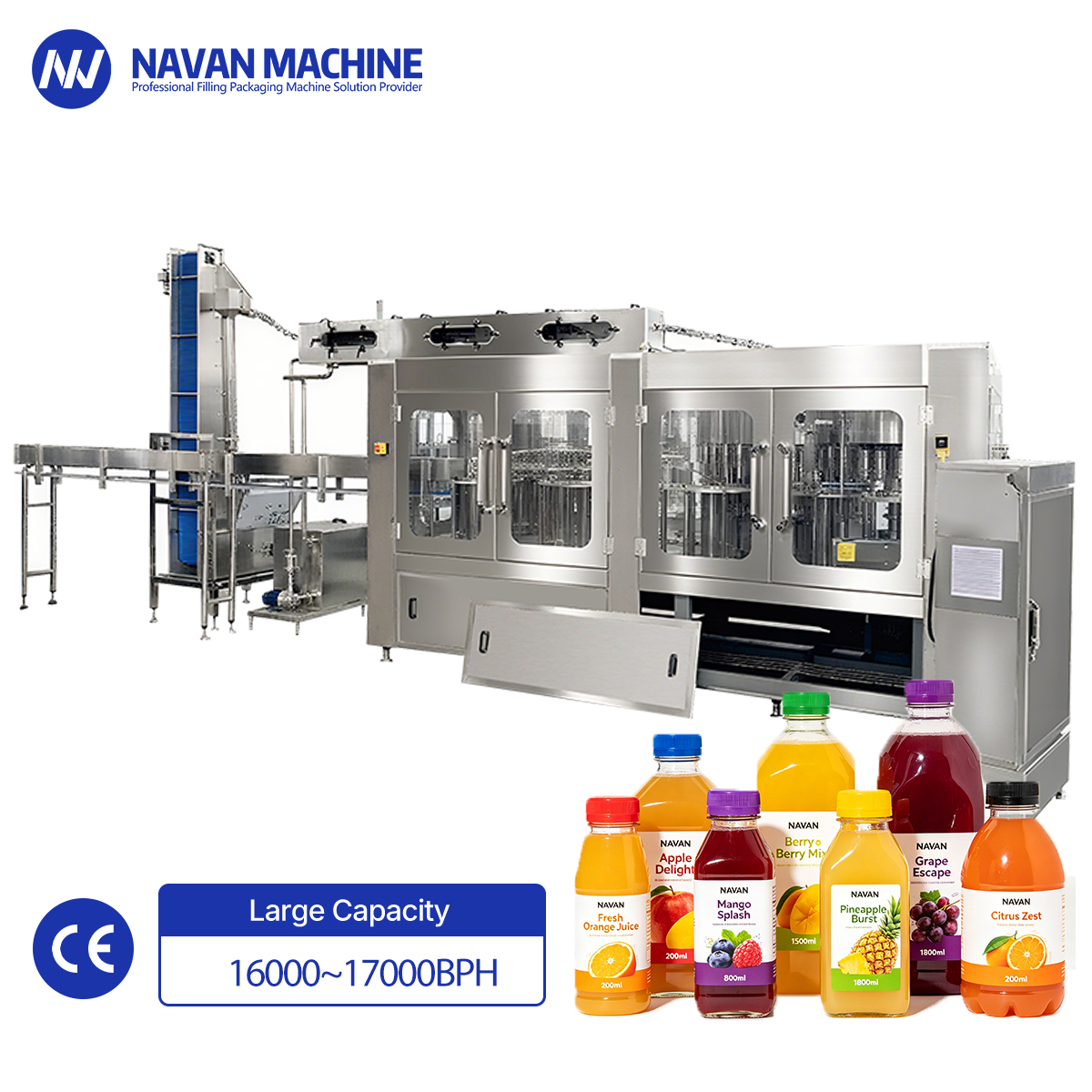
Complete Solution Plastic PET Bottle Drink Filling Bottling Machinery Small Big Volume Automatic Fruit Juice Production Plant
View Details
Automatic PET Bottle Beer Filling Machine PLC Touch Screen Rinsing Filling Capping 1500-22000BPH Beverage Line
View Details
34000-36000BPH Automatic Pure Water Bottling Plant XGF60-60-15 PET Bottle Filling Machine 60 Nozzles
View Details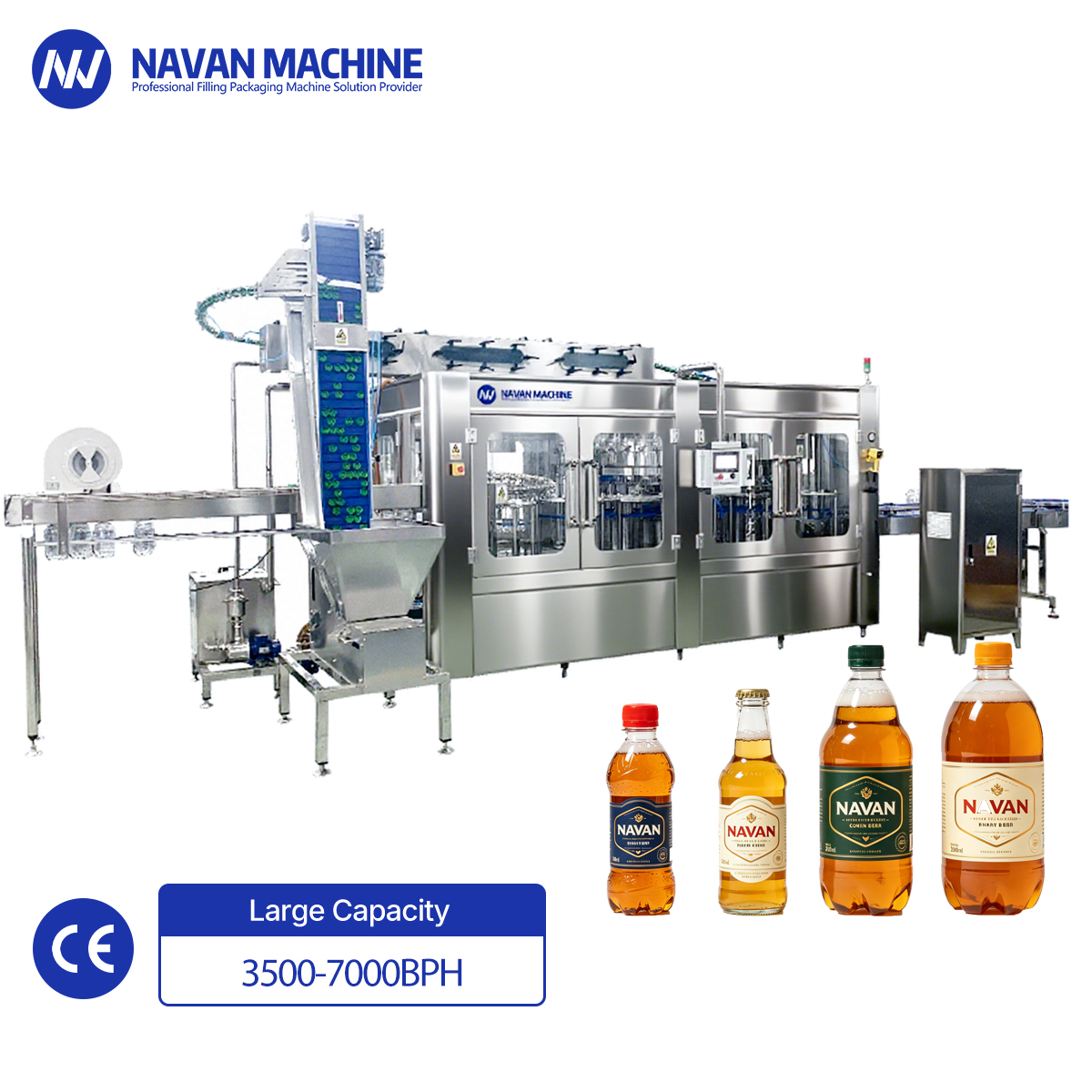
NPXZGF24-18-24-6PRO 200ml-2000ml High Productivity Automatic Mechanical PLC-controlled Plastic Beer Bottling Line 1 Year
View Details
Complete Solution PLC Controlled Mechanical PET Bottle Drink Machinery 200ml-2000ml Automatic Fruit Juice Production Plant
View Details
Automatic Aluminum Can Filler Seamer 4000BPH High Precision PLC Touch Screen for Beer Beverage Packaging
View Details
Complete Glass PET Bottle Carbonated Drink Production Line XPXGF24-24-8 Automatic Soda Beverage Filling PLC Mechanical
View DetailsThailand's Industrial Water Challenge & The Need for Advanced UV Disinfection
Thailand's rapidly expanding manufacturing sector—spanning beverage processing in Pathum Thani, food manufacturing in Samut Prakan, electronics along the Eastern Economic Corridor (EEC) in Chonburi and Rayong, and aquaculture in coastal provinces—faces increasingly stringent microbial water quality requirements. Municipal surface water sources like the Chao Phraya River basin, combined with high-hardness tropical groundwater wells, present high counts of dissolved organic matter (DOM), iron, manganese, and resilient biological contaminants such as Cryptosporidium parvum, Giardia lamblia, Pseudomonas aeruginosa, and heat-resistant bacterial spores.
Traditional chemical disinfection methods, such as sodium hypochlorite chlorination or chlorine dioxide dosing, introduce severe operational drawbacks in tropical climates. Elevated ambient water temperatures (28°C to 35°C) accelerate chlorine gas off-gassing and foster the rapid formation of toxic Chlorinated Disinfection Byproducts (DBPs), including Trihalomethanes (THMs) and Haloacetic Acids (HAAs). These chemical residues compromise product taste, degrade sensitive reverse osmosis (RO) membrane surfaces, and conflict with Thai Food and Drug Administration (FDA Thailand) standards for bottled beverage purity.
Technical Superiority of Our Industrial UV Sterilizers
Custom-engineered stainless steel reactor vessels and high-transmittance quartz technology built specifically to handle demanding tropical water conditions.
High-Output Amalgam & MP Lamps
Equipped with Low-Pressure High-Output (LPHO) amalgam lamps or Medium-Pressure multi-wavelength UV emitters providing continuous germicidal doses exceeding 40,000 µWs/cm² (40 mJ/cm²) at peak flow capacity.
316L Stainless Steel Electro-Polished Chambers
Heavy-duty 316L stainless steel chambers with internal electro-polishing (Ra < 0.38 µm). Designed for zero-stagnation fluid flow, preventing biofilm buildup and resisting corrosive brackish or saline feeds.
Automated Quartz Sleeve Wiping System
Pneumatic or motorized mechanical wiper rings continuously remove bio-fouling and mineral scaling (calcium carbonate/iron oxides) from quartz sleeves without interrupting system operation or requiring chemical CIP.
UV Dosage Physics & Fluid Mechanics Principles
To guarantee complete pathogen elimination in high-speed bottling lines (ranging from 1,500 BPH to 36,000 BPH), UV sterilizer sizing must strictly conform to fluid dynamics modeling and light delivery physics. UV dosage ($D$) is mathematically defined as the product of UV light Intensity ($I$) and Exposure Retention Time ($T$):
In real-world applications across Thailand, three major environmental parameters dictate reactor performance:
- Ultraviolet Transmittance (UVT %): Water's baseline light absorption at 254 nm. While ultrapure water achieves 98-99% UVT, municipal or treated well water in Thailand often drops to 75-85% UVT due to organic tannin color and suspended colloidal silica. Our custom reactors incorporate dynamic intensity sensors that adjust electronic ballast output automatically to maintain target UV dosage regardless of UVT swings.
- Computational Fluid Dynamics (CFD) Baffling: Linear fluid velocity through the stainless reactor must ensure turbulent flow ($Re > 4000$) to eliminate hydraulic short-circuiting. Precision internal baffles guarantee that every water droplet receives uniform radiation exposure as it traverses the quartz lamp matrix.
- Lamp Skin Temperature Optimization: Standard low-pressure lamps experience up to a 40% loss in UV-C output when ambient fluid temperatures reach 35°C. Osnib Machine's amalgam lamp technology utilizes solid indium-mercury amalgams, maintaining stable 254 nm spectral output across water temperatures from 4°C up to 60°C.
Comparative Technology Analysis: Disinfection Methods in Thai Factories
| Performance Parameter | UV-C Irradiation (Osnib Technology) | Sodium Hypochlorite Dosing | Ozonation Systems |
|---|---|---|---|
| Disinfection Speed | Instantaneous (< 2 seconds) | Slow (20 - 45 min contact time) | Moderate (5 - 15 min contact time) |
| Chemical Residue / DBPs | Zero Residue, No DBPs | High THMs & HAAs risk | Bromate formation risk in bromide water |
| Encapsulated Pathogens (Cryptosporidium) | Complete Inactivation (> 99.99%) | Ineffective at standard dosage | Effective at high concentrations |
| Effect on Water Taste / Odor | 100% Unaltered (Natural Taste) | Chemical taste, requires carbon bed | Requires catalytic off-gas destruction |
| Operational & Maintenance Cost | Low (Annual lamp replacement) | High (Continuous chemical replenishment) | High (Compressor, oxygen generator, off-gas) |
Localized Application Scenarios Across Thailand Industry
From heavy industrial zones to coastal aquaculture hubs, tailored UV sterilization modules meet localized process demands.
1. Bottled Water & Soft Drink Plants (Bangkok & Central Plains)
Factories operating high-capacity lines (such as 34,000 BPH mineral water facilities in Pathum Thani or Ayutthaya) rely on multi-lamp UV reactors positioned immediately before fill nozzles. The systems ensure final microbial safety, destroy residual dissolved ozone without chemical dosing, and maintain zero bromate or chlorite formation, ensuring 100% compliance with Thai FDA bottled water regulations.
2. Shrimp Hatcheries & Aquaculture (Surat Thani & Chachoengsao)
Thailand's black tiger and vannamei shrimp farming industry in coastal regions requires chemical-free pathogen suppression. Open-channel and closed-vessel UV sterilizers disinfect intake seawater, eliminating pathogenic Vibrio parahaemolyticus (AHPND/EMS agent) and white spot syndrome virus (WSSV) without toxic chemicals that disrupt delicate bio-security or larval survival rates.
3. Electronics & Semiconductor UPW Loops (EEC Chonburi / Rayong)
In high-tech industrial estates along the Eastern Economic Corridor, Ultrapure Water (UPW) systems utilize dual-wavelength UV technology. 254 nm lamps deliver microbial sterilization, while specialized 185 nm vacuum-UV (VUV) lamps generate hydroxyl free radicals (•OH) to break down trace organic contaminants, reducing Total Organic Carbon (TOC) levels down to sub-ppb levels.
4. Hospitality, Resorts & Commercial Reclaimed Water (Phuket & Pattaya)
Luxury hotel complexes and commercial water features in island provinces utilize compact, skid-mounted UV sterilizers to treat municipal water supplies, swimming pools, and recycled irrigation water. Systems feature IP65 weatherproof control cabinets that withstand high humidity, coastal sea air, and ambient temperatures exceeding 38°C.
Thailand Market Trends & Regulatory Transformation (2025–2030)
Factory owners and procurement managers in Thailand are navigating significant shifts driven by government environmental initiatives and changing consumer preferences:
- Strict IEAT & PCD Wastewater Reuse Mandates: The Industrial Estate Authority of Thailand (IEAT) and Pollution Control Department (PCD) have introduced updated guidelines encouraging industrial water recycling and zero liquid discharge (ZLD). Advanced tertiary treatment combining MBR (Membrane Bioreactor), RO, and high-intensity UV disinfection enables factories to safely reuse process water in cooling towers and utility sanitation.
- Transition Away from Single-Use Chemical Containers: Rising chemical logistics costs and hazardous chemical handling regulations in Thailand have accelerated the market adoption of physical disinfection technologies. UV systems eliminate bulk chemical storage hazards, lowering factory insurance premiums and workplace safety compliance burden.
- Integration of Smart IoT & Modbus PLC Controls: Thai industrial facilities increasingly demand automated real-time water quality tracking. Osnib Machine's UV sterilizers feature Siemens/Schneider PLC touchscreens with Modbus RTU/Profinet integration, enabling plant operators to monitor UV intensity (mW/cm²), quartz sleeve cleanliness, lamp running hours, and flow rates remotely via SCADA systems.
Frequently Asked Questions by Thai B2B Importers & Engineers
Answers to common technical, operational, and shipping questions when sourcing UV water sterilizers and bottling machinery for the Thailand market.
How do high mineral hardness and iron levels in Thai groundwater affect UV sterilizer operation?
Groundwater in provinces like Chiang Mai, Khon Kaen, and parts of Samut Prakan frequently exhibits total hardness exceeding 250 mg/L (as CaCO₃) along with dissolved iron. Over time, heat generated by UV lamps causes calcium carbonate precipitation and iron baking onto quartz sleeves, reducing UV light transmission. Osnib Machine solves this by equipping industrial systems with automatic mechanical wiper assemblies (pneumatic or motor-driven) and providing pre-treatment media filtration/softener skids to keep quartz sleeves clean without manual chemical cleaning shutdowns.
What electrical voltage and power frequency options are available for Thailand installations?
Standard industrial power in Thailand is 380V/220V, 3-Phase, 50Hz. All Osnib Machine control panels, electronic ballasts, and pump motors are customized at our factory to match Thailand's exact 380V/50Hz grid standards. We also offer high-efficiency electronic ballasts with automatic voltage stabilization (AVR) to protect sensitive UV lamps against power fluctuations common in rural agricultural areas.
How does Osnib Machine ensure compliance with Thai FDA beverage water standards?
Our UV water disinfection systems are designed to deliver a certified minimum UV-C germicidal dose of 40 mJ/cm² at peak design flow rate, which comfortably exceeds the minimum 30 mJ/cm² requirement set by international standards and Thai FDA beverage regulations. Furthermore, all fluid-contact surfaces are constructed from certified food-grade 316L stainless steel with synthetic quartz sleeves and food-grade Viton/EPDM gaskets.
What is the expected operating lifetime of UV lamps and quartz sleeves under tropical conditions?
Our high-efficiency LPHO amalgam UV lamps are rated for an effective operating lifespan of 12,000 hours (approx. 14 to 16 months of continuous 24/7 operation) before output decays to 80% of initial intensity. High-purity fused silica quartz sleeves last 3 to 5 years under normal maintenance. Replacement components are stocked in regional supply centers and can be dispatched rapidly to Bangkok, Chonburi, or regional ports.
Can UV sterilizers completely replace chlorine dosing in water treatment lines?
Yes, for primary disinfection in closed-loop systems, bottled water lines, and food processing rinse water. UV light instantly kills bacteria, viruses, and protozoa without chemicals. However, because UV leaves no residual chemical disinfectant in pipe networks, it is recommended for point-of-use (POU) or point-of-entry (POE) positioning directly upstream of bottle filling, clean-in-place (CIP) loops, or process consumption points.
What shipping, customs documentation, and trade terms are supported for Thailand imports?
We provide full export support under FOB, CFR, CIF (Laem Chabang / Bangkok Port), DDP, and DDU terms. To help Thai importers benefit from preferential tariff rates under the China-ASEAN Free Trade Area (ACFTA), we issue official Form E Certificates of Origin alongside full CE compliance certificates, commercial invoices, packing lists, and detailed technical user manuals.
Why Partner with Zhangjiagang Osnib Machine Co., Ltd.?
As a leading direct-factory designer and exporter of complete liquid processing, bottling, and water treatment infrastructure, Zhangjiagang Osnib Machine Co., Ltd. brings together engineering craftsmanship and field experience across 40+ countries:
Factory Direct Manufacturing
Integrated manufacturing plant spanning modern machining workshops, sheet metal fabrication, and automated assembly bays. Eliminating intermediary trading margins ensures direct engineer-to-client communication and cost efficiency.
TÜV Rheinland & CE Verification
Our manufacturing facility has undergone stringent on-site verification by TÜV Rheinland. Main liquid filling, PET blowing, labeling, and UV water treatment models carry official European CE certification.
Turnkey Line Customization (OEM/ODM)
From custom bottle design, preform selection, and label artwork layout to 3D workshop footprint planning—our in-house engineering group configures complete lines tailored to your exact plant dimensions and output requirements.
Global After-Sales & Rapid Spare Parts
Backed by dedicated international service teams and regional offices, we offer remote 7×24 digital commissioning support, on-site engineer installation services, and rapid delivery of standardized wear-and-tear replacement parts.
Upgrade Your Water Disinfection & Bottling Line Today
Request a customized technical proposal, CFD flow analysis, and direct factory quote for industrial UV sterilizers or complete turnkey bottling machinery tailored for your Thailand facility.
Send an Inquiry