High-Efficiency Bottling & Filling Equipment
Explore our TÜV Rheinland verified and CE certified bottling solutions engineered for glass, PET, and barrel container formats.

Automatic 10-20L Barrel Water Filling Machine 400-450BPH 3 Nozzle Washing Capping Line Mechanical PLC 415V

Navan XGFD24-24-8 Automatic Carbonated Beverage Filling Machine 200-2000ml Bottle Filling Production Line CE Certified
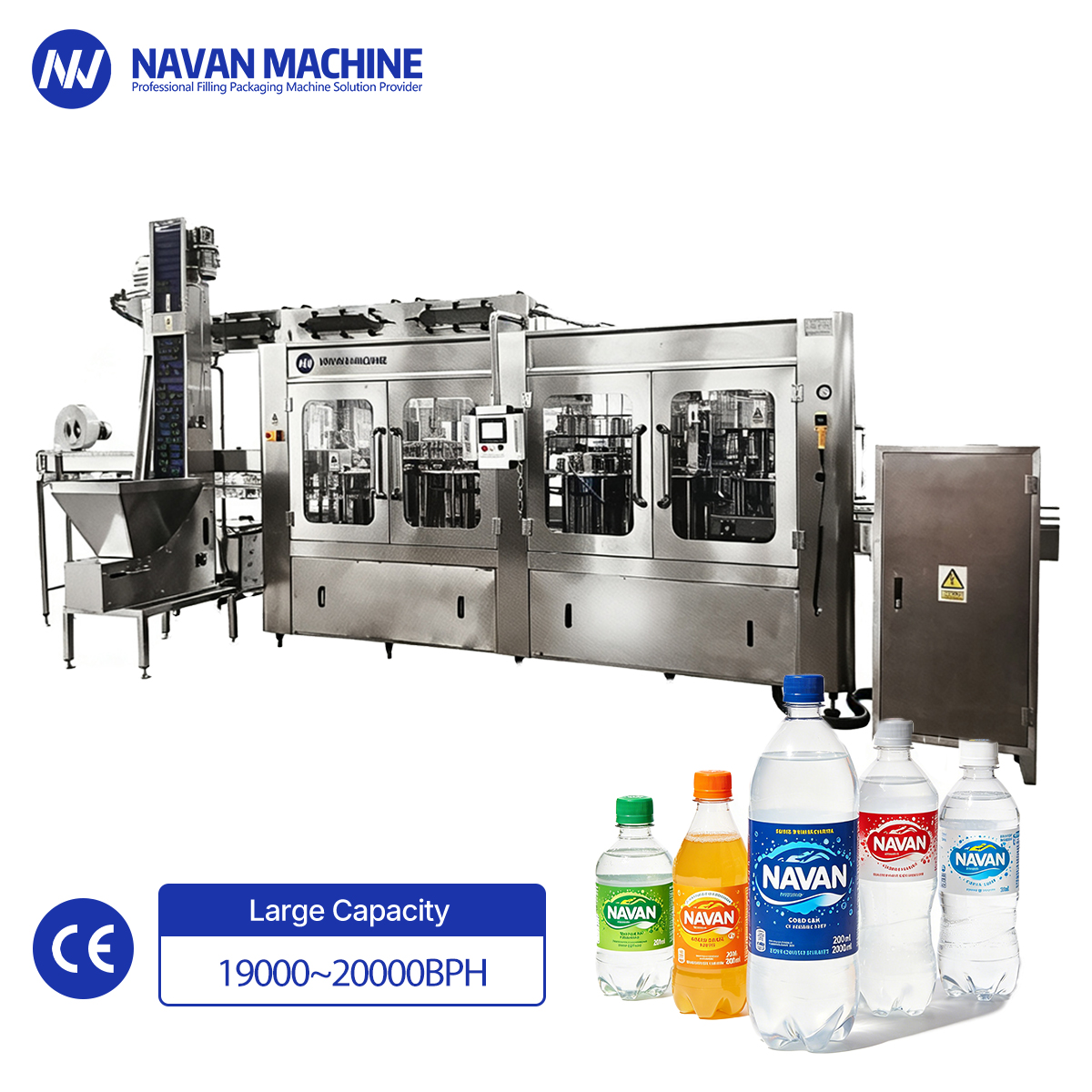
High Efficiency Navan XGFD50-50-12 Automatic Mechanical Plastic Carbonated Beverage Filling Machine 200-2000ml Soft Drink Bottle

Automatic Glass Bottle Wine Filling Machine 2500-3000BPH 12 Nozzle Mechanical Bottling Line PLC CE
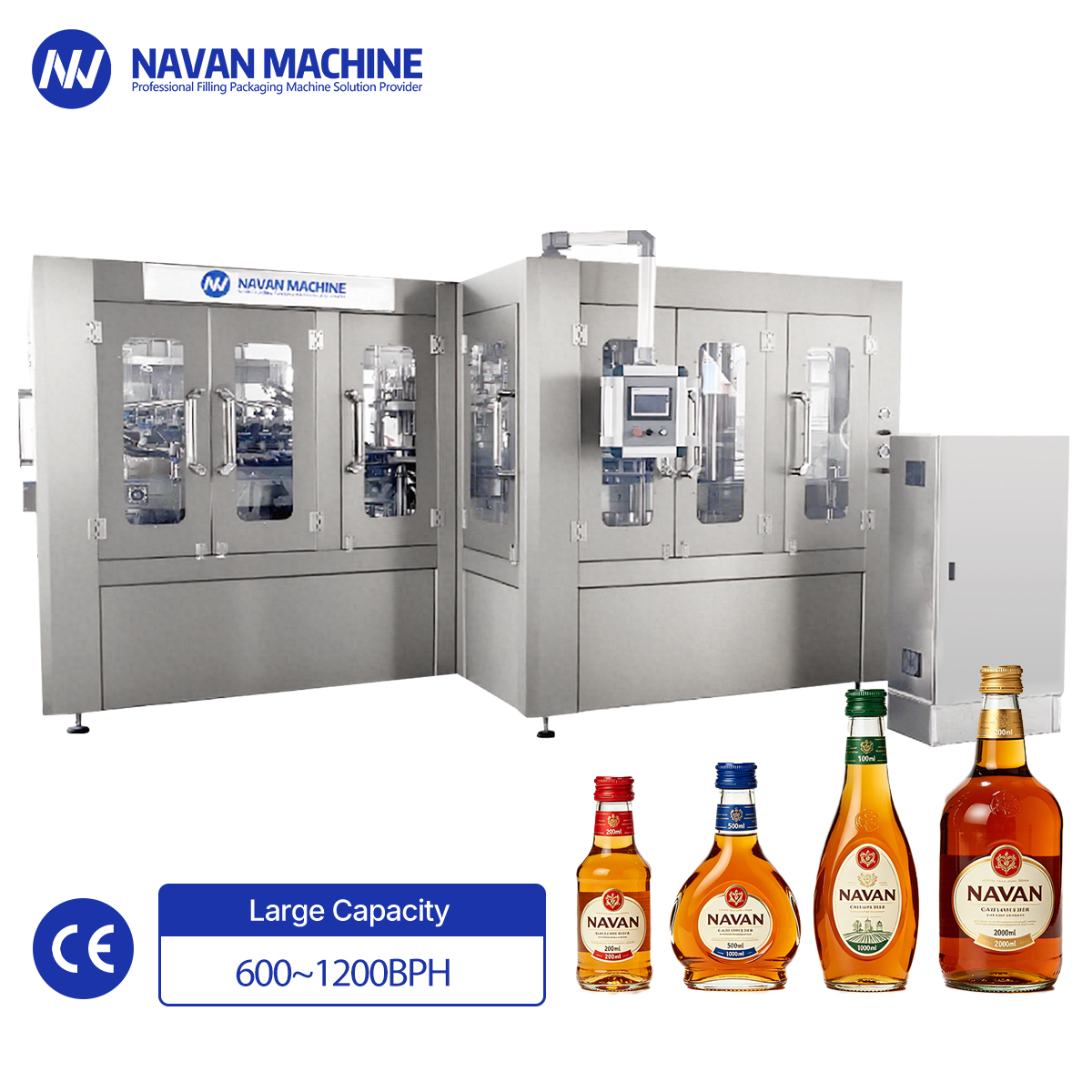
600-1200BPH Fully Automatic Glass Bottle Production Line CE Certified Mechanical PLC Controlled Beer Bottling Filling Processing

34000~36000BPH Pure Water Bottling Plant XGF60-60-15 Fully Automatic PLC Controlled PET Bottle Filling Machine Food Grade
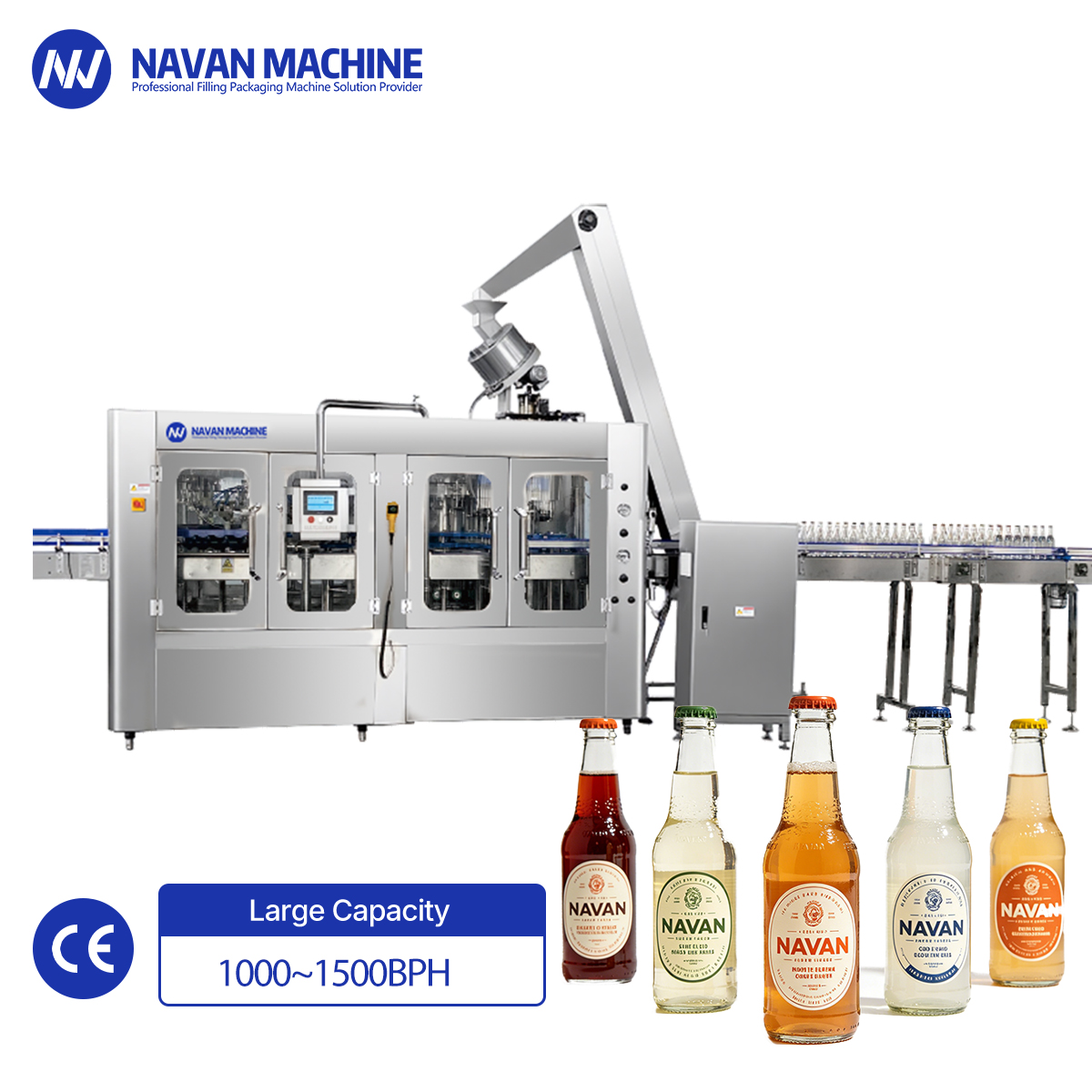
Full Automatic Glass Bottle Carbonated Beverage Filling Machine with PLC Intelligent Control High Accuracy 300-1500ml
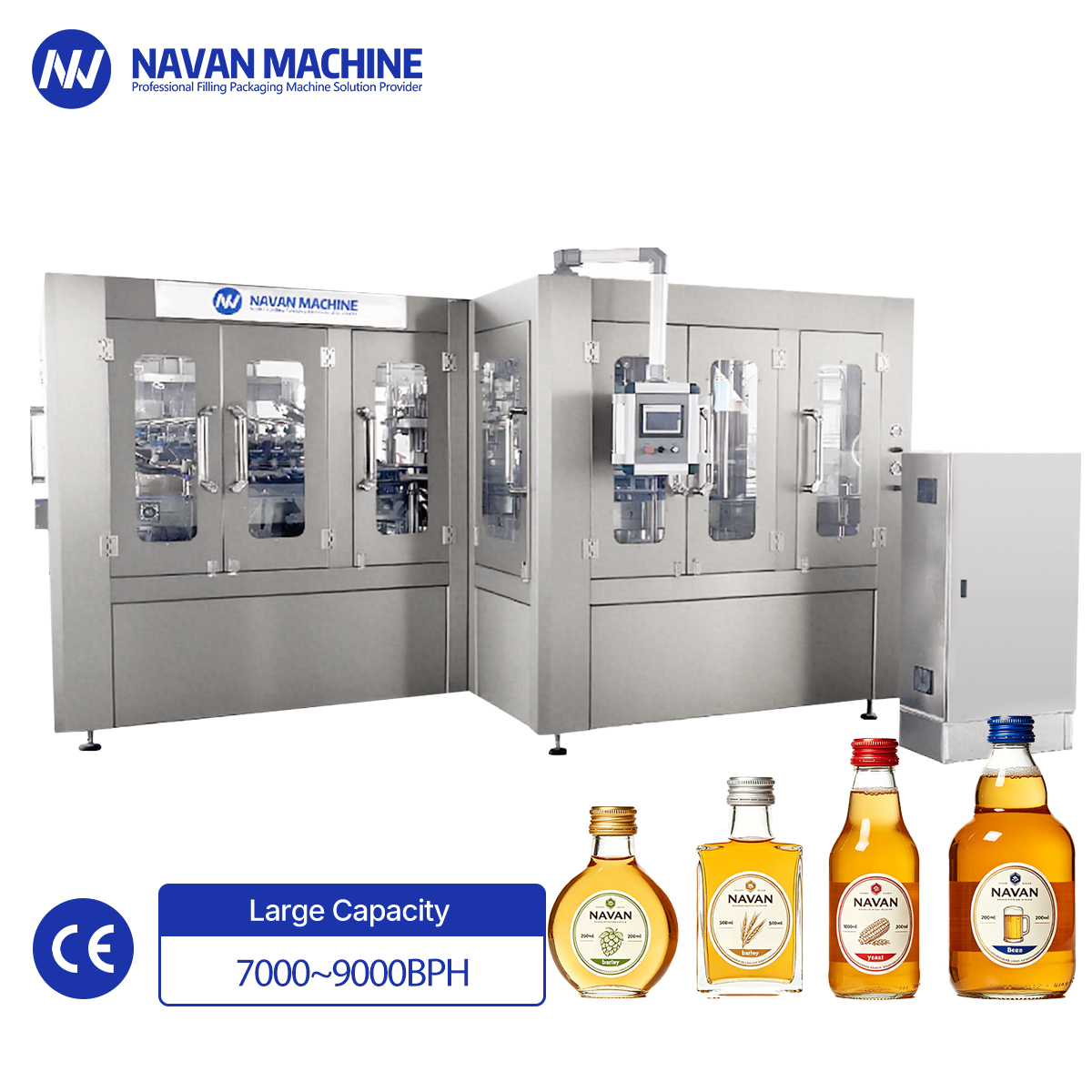
7000-9000BPH Automatic Isobaric Beer Filling Machine 32 Nozzle Glass Bottle Production Line CE Certified
Engineering Cold-Climate Wine Packaging: The Sapporo & Hokkaido Context
Sapporo, serving as the commercial and logistical nerve center of Hokkaido, Japan, has emerged as a premier hub for cool-climate viticulture and high-end artisanal beverage production. The sub-frigid winter temperatures, distinct seasonal microclimates, and rich volcanic soil surrounding the Sapporo, Yoichi, and Sorachi sub-regions foster grape varieties characterized by delicate aromatics, elevated crisp acidity, and refined structural complexity—such as Kerner, Zweigelt, Pinot Noir, Chardonnay, and traditional German-derived hybrids.
However, converting these delicate terroirs into stable, shelf-worthy bottled wines requires specialized bottling machinery that addresses the unique physical and chemical challenges inherent to Hokkaido’s processing environment. Standard liquid filling systems frequently cause excessive oxidation, volatile aroma degradation, and thermal shock condensation inside the bottle. As a dedicated OEM/ODM bottling machinery manufacturer, Zhangjiagang Osnib Machine Co., Ltd. builds specialized glass bottle wine bottling lines engineered specifically to mitigate dissolved oxygen (DO) pickup, protect fragile organoleptic profiles, and comply with Japan’s stringent Food Sanitation Act (Shokuhin Eisei Hō) and JIS industrial standards.
Information Gain Key Takeaway: Dissolved Oxygen (DO) pickup during filling is the primary catalyst for premature browning, loss of fresh fruit esters, and sulfur dioxide (SO₂) depletion in white and sparkling wines. Our low-vacuum isobaric wine bottling systems maintain DO pickup below 0.04 mg/L through automated dual vacuum evacuation and high-purity Nitrogen (N₂) gas purging.
Furthermore, local wineries in the Sapporo region frequently process multi-beverage portfolios, alternating between quiet still table wines, sparkling wines, fruit wines (Hokkaido apple cider and plum wine), and traditional Japanese sake. To support this operational diversity, modern wine bottling lines must feature rapid format changeover, modular corking/capping turrets (natural cork, Stelvin screw cap, crown cap), and CIP (Clean-In-Place) sanitation loops capable of high-temperature hot water and chemical sterilization cycles.
Core Technological Pillars of Our Wine Bottling Lines
Advanced mechanical design and intelligent PLC automation engineered for maximum product stability.
Dual-Stage Inert Gas Purging
Prior to liquid contact, bottles undergo high-vacuum air extraction followed by positive-pressure inert gas (N₂ or CO₂) sparging, effectively eliminating ambient atmospheric oxygen from the container cavity.
Low-Vacuum Isobaric Filling
Custom-engineered mechanical filling valves utilize a gentle low-vacuum gravity principle to ensure laminar, turbulence-free filling. This prevents wine foaming and eliminates aroma degradation during high-speed operation.
Multi-Closure Capping Turret
Integrated monoblock design supports quick-interchangeable capping turrets for natural wood corks, micro-agglomerated corks, aluminum Stelvin screw caps, and crown caps with zero bottle neck strain.
Engineering Comparison: Standard vs. Osnib Precision Bottling Lines
| Performance Specification | Standard Commercial Filling Line | Osnib Sapporo-Spec Wine Bottling Line | Operational Impact for Winery |
|---|---|---|---|
| Dissolved Oxygen (DO) Pickup | 0.25 - 0.50 mg/L | < 0.04 mg/L (Dual N₂ Evacuation) | Extends wine shelf-life by 24+ months; preserves natural fruity aromatics. |
| Liquid Level Precision | ± 3.0 mm fill variance | ± 0.5 mm High-Precision Mechanical Valves | Ensures identical fill-height visuals across premium retail glass bottles. |
| Sanitization & CIP Loop | Basic Cold Water Rinse | Fully Automated CIP Hot Water & Steam (85°C) | Eliminates Brettanomyces, wild yeast, and lactic acid bacteria contamination. |
| Bottle Thermal Shock Protection | Not Included | Integrated Temperature Pre-Equalization | Prevents glass cracking when bottling during cold Hokkaido winter months. |
| Bottle Format Versatility | Single Format (e.g., 750ml Bordeaux) | Multi-Format (375ml Dessert, 750ml Burgundy/Flute) | Allows small-batch artisan producers to package diverse wine lines effortlessly. |
Tailored Bottling Solutions for Sapporo's Beverage Sector
1. Boutique & Estate Wineries (1,200 - 3,000 BPH)
Designed for medium and boutique wineries in Yoichi and Sorachi producing limited-edition vintages. Offers compact footprint monoblock units (Rinsing-Filling-Capping) with gentle bottle handling to preserve unfiltered natural wines and organic cuvées.
2. Commercial Wine & Fruit Beverage Plants (5,000 - 9,000 BPH)
High-speed, fully automated rotary production lines integrated with automatic OPP labeling or shrink sleeve applicators, PE film wrappers, and automatic palletizers for large-scale Japanese beverage operations supplying national logistics channels.
3. Sparkling Wine & Craft Cider Facilities
Isobaric counter-pressure filling lines capable of handling carbonated ciders, sparkling wines (Méthode Charmat), and sparkling sake up to 0.6 MPa pressure without carbonation loss or excessive head space displacement.
Why Sapporo Importers & Wineries Partner with Osnib Machine
Zhangjiagang Osnib Machine Co., Ltd. operates as a direct factory manufacturer integrated with dedicated international trade operations. Located in Zhangjiagang City, Jiangsu Province, China, our facilities span over 3,000 square meters of specialized manufacturing space dedicated to PET blow molding, liquid filling monoblocks, water treatment systems, labelers, and packaging automation.
For Japanese clients and Sapporo beverage plants, procuring machinery directly from our factory ensures complete transparency, strict engineering compliance, and customized technical solutions without middleman markups. Our enterprise strengths include:
- TÜV Rheinland Onsite Verified Supplier: Our factory floor, production capabilities, legal standing, and quality control systems have undergone rigorous onsite inspection by TÜV Rheinland.
- CE & ISO Compliance: Main filling, capping, labeling, and shrink-wrapping machinery models carry full CE certification for European and international safety compliance.
- Turnkey Project Support: From initial water treatment (RO purification) to glass bottle rinsing, filling, capping, capsule spinning, labeling, carton packing, and robotic palletizing—we provide one cohesive engineering team and a single point of technical accountability.
- Custom Layout & Bottle Design: We assist clients in designing proprietary glass bottle shapes, preform molds, label art fitting, and complete 3D plant floor layouts adapted to fit existing facility dimensions.
- 7x24 Remote & Local Service Support: Supported by dedicated international offices and round-the-clock remote engineering teams, we guarantee rapid diagnostic response and immediate spare part dispatch.
Frequently Asked Questions for Sapporo Wine Bottling Machinery
Direct technical and logistical answers for Japanese winery owners and plant managers.
Request Your Customized Wine Bottling Line Proposal Today
Planning a new winery in Sapporo or upgrading an existing beverage filling operation in Hokkaido? Speak directly with our senior application engineers to receive custom line layouts, equipment specifications, and detailed FOB/CIF quotation terms.
